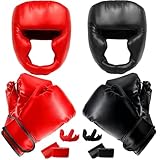
So, you’re stepping into the boxing gym, ready to learn the sweet science? That’s fantastic! Boxing is a challenging and rewarding sport that demands dedication, discipline, and, of course, the right gear. One of the most fundamental aspects of boxing, often overlooked by beginners, is hand wrapping. It’s more than just a ritual; it’s a crucial step to protect your hands and wrists from injury.
You’ll see experienced boxers meticulously wrapping their hands before every training session and fight. This isn’t just for show; it’s a practice rooted in safety and performance. But why is it so important? And how do you do it correctly? In this comprehensive guide, we’ll explore the ‘why’ and ‘how’ of hand wrapping, ensuring you’re well-equipped to protect your most valuable tools: your hands.
We’ll cover everything from the benefits of hand wraps to the different wrapping styles and how to choose the right wraps for you. Let’s get started and make sure you’re ready to throw those punches with confidence and safety!
The Importance of Hand Wraps
Hand wraps are the unsung heroes of boxing. They are the first line of defense between your fragile hand bones and the unforgiving impact of a punch. Think of your hands as intricate structures of small bones, tendons, and ligaments. Without proper protection, these structures are highly susceptible to injury. Hand wraps provide this vital protection, significantly reducing the risk of a variety of injuries.
The primary function of hand wraps is to stabilize the wrist, knuckles, and fingers. They compress and support these areas, minimizing movement and preventing hyperextension or twisting during impact. This is especially crucial when repeatedly striking a heavy bag or an opponent. Beyond protection, hand wraps also offer several other benefits that can significantly improve your boxing experience.
Key Benefits of Hand Wraps:
- Injury Prevention: This is the most critical benefit. Hand wraps significantly reduce the risk of fractures, sprains, and other hand injuries.
- Wrist Support: Wraps provide essential wrist support, preventing strains and hyperextension.
- Knuckle Protection: They cushion the knuckles, absorbing some of the impact force and reducing the risk of bruising and cuts.
- Improved Punching Power: By stabilizing the hand and wrist, hand wraps can help you generate more power in your punches.
- Sweat Absorption: Hand wraps absorb sweat, keeping your gloves drier and extending their lifespan.
- Enhanced Grip: They improve your grip inside the gloves, providing a more secure and comfortable fit.
Common Boxing Injuries Hand Wraps Help Prevent:
- Boxer’s Fracture: A fracture of the metacarpal bones (the bones in your hand).
- Sprained Wrists: Injuries to the ligaments in your wrist.
- Knuckle Bruises and Cuts: Damage to the soft tissues of the knuckles.
- Tendonitis: Inflammation of the tendons in your hand and wrist.
- Dislocated Fingers: Displacement of the finger joints.
Without hand wraps, you’re essentially putting your hands at risk every time you throw a punch. Injuries can sideline you for weeks or even months, hindering your progress and potentially causing long-term problems. Don’t take the risk; always wrap your hands.
Choosing the Right Hand Wraps
Not all hand wraps are created equal. Choosing the right hand wraps is essential for optimal protection and comfort. There are several factors to consider, including the material, length, and closure type. Let’s break down the key considerations:
Material:
The material of your hand wraps is a critical factor. The most common materials are:
- Cotton: Cotton wraps are a traditional and affordable option. They’re breathable and absorb sweat well. However, they may not offer as much support as other materials and can stretch out over time.
- Semi-Elastic: Semi-elastic wraps combine cotton with a small percentage of elastic fibers. This combination provides a good balance of support and flexibility. They conform well to the hand and offer a comfortable fit.
- Full Elastic: Full-elastic wraps are made entirely of elastic material. They provide excellent support and a snug fit. However, they can sometimes restrict movement if wrapped too tightly.
- Mexican Style: Mexican-style hand wraps are a premium option favored by many professional boxers. They are typically a blend of cotton and elastic, often with a slightly different weave for added flexibility and support. They are known for their superior support and durability.
Recommendation: For most boxers, semi-elastic or Mexican-style wraps offer the best combination of support, comfort, and durability. Cotton wraps are a good starting point, but you might find they lack the support you need as you progress.
Length:
Hand wraps come in various lengths, typically ranging from 120 inches to 180 inches. The ideal length depends on the size of your hands, the size of your gloves, and your preferred wrapping style.
- 120 inches: Suitable for smaller hands, children, or those who prefer a minimalist wrap.
- 180 inches: The most common length, providing ample coverage and support for most adults.
- 200 inches: For those with very large hands or who prefer extra padding and support.
Recommendation: Start with 180-inch wraps. This length will likely provide enough material for a comprehensive wrap, and you can adjust the tightness and coverage to suit your needs. (See Also: Are Muay Thai Gloves The Same As Boxing Gloves )
Closure Type:
Most hand wraps feature either a Velcro closure or a hook-and-loop closure.
- Velcro: Velcro closures are quick and easy to use. They provide a secure fit and are ideal for beginners.
- Hook-and-Loop: Hook-and-loop closures are similar to Velcro but may offer a slightly more secure closure.
Recommendation: Both Velcro and hook-and-loop closures are effective. Choose the one you find most convenient and secure.
Other Considerations:
- Durability: Look for wraps with reinforced stitching and durable materials to ensure they withstand repeated use and washing.
- Washability: Choose wraps that are machine washable for easy cleaning and maintenance.
- Color and Design: While not essential, you can choose wraps in various colors and designs to express your personal style.
Where to Buy: Hand wraps are readily available at most sporting goods stores, online retailers (like Amazon), and boxing-specific equipment suppliers. Compare prices and read reviews before making your purchase.
How to Wrap Your Hands: Step-by-Step Guide
Now that you understand the importance of hand wraps and how to choose them, let’s get into the practical aspect: how to wrap your hands properly. There are several different wrapping styles, but we’ll focus on a common and effective method suitable for most boxers. Before you begin, ensure you have clean, dry hands and your chosen hand wraps.
Step-by-Step Wrapping Instructions:
- Prepare the Wrap: Hold the wrap with the loop end facing up and the Velcro (or hook-and-loop) closure at the end.
- Anchor the Thumb: Place the loop over your thumb, ensuring it’s snug but not too tight. This loop will serve as an anchor point.
- Wrap the Wrist: Wrap the wrap around your wrist 2-3 times, ensuring a secure and supportive base. This provides crucial wrist stabilization.
- Wrap the Knuckles: Bring the wrap across the back of your hand, down towards your knuckles, and wrap it around your knuckles 2-3 times. This creates a protective layer over your knuckles. Aim for a comfortable but firm fit.
- Wrap Between the Fingers: Bring the wrap across the back of your hand and then pass it between your fingers (starting with the pinky finger). Repeat this process, going between each finger, to create a supportive web. This helps to keep your hand compact and stable.
- Wrap the Wrist (Again): Return the wrap to your wrist, wrapping it 1-2 times for additional support.
- Wrap the Hand and Knuckles: Bring the wrap across the back of your hand and over your knuckles again. This reinforces the knuckle protection and provides further support.
- Finish the Wrap: Wrap the remaining material around your wrist, securing it with the Velcro (or hook-and-loop) closure. Ensure the wrap is snug but not constricting. You should still be able to make a fist comfortably.
- Check the Fit: Make a fist and check for any areas that feel too tight or loose. Adjust the wrap as needed.
Detailed Breakdown of Each Step:
Let’s delve deeper into each step to ensure you achieve the perfect wrap:
- Thumb Loop: The thumb loop is your starting point. Make sure it’s snug but doesn’t cut off circulation. This loop anchors the wrap, preventing it from slipping during the wrapping process.
- Wrist Wraps: The wrist wraps are critical for stability. They provide a solid foundation for the rest of the wrap. You should feel a firm, supportive sensation around your wrist.
- Knuckle Wraps: The knuckle wraps are your primary protection against impact. Ensure you have adequate padding over your knuckles without restricting your range of motion.
- Finger Wraps: The finger wraps help to keep your hand compact and prevent the fingers from splaying out during impact. This is essential for preventing finger injuries.
- Hand and Knuckle Reinforcement: The final wraps over the hand and knuckles provide additional support and reinforcement, ensuring maximum protection.
Common Mistakes to Avoid:
- Wrapping Too Tight: This can restrict blood flow and lead to discomfort or injury.
- Wrapping Too Loose: This defeats the purpose of the wraps, leaving your hands vulnerable.
- Neglecting Wrist Support: This is a common mistake that can lead to wrist injuries.
- Forgetting Finger Support: This can lead to finger injuries.
- Not Checking the Fit: Always make a fist and ensure the wrap feels comfortable and supportive.
Practice Makes Perfect:
Wrapping your hands properly takes practice. Don’t be discouraged if it doesn’t feel perfect the first few times. Keep practicing, and you’ll eventually develop a technique that works well for you. Watch videos, ask your coach for guidance, and experiment with different wrapping styles until you find one that suits your needs.
Hand Wrap Styles: Variations and Techniques
While the basic wrapping method provides a solid foundation, there are various styles and techniques you can explore to customize your hand protection. These variations can offer additional support, padding, or comfort depending on your specific needs and preferences. Let’s look at some popular hand wrap styles:
The Traditional Wrap (the Style Described Above):
This is the most common and widely used style. It’s a versatile and effective method that provides excellent protection for the wrists, knuckles, and fingers. It’s a great starting point for beginners.
The ‘boxer’s Knot’ Wrap:
This style incorporates a specific knot around the wrist for added stability. It’s particularly useful for boxers who require extra wrist support. The ‘boxer’s knot’ involves creating a figure-eight pattern around the wrist, which can help to prevent hyperextension. This technique is often taught by experienced coaches.
The ‘double Wrap’ (extra Knuckle Padding):
This style involves wrapping the knuckles multiple times to provide extra padding and protection. It’s ideal for boxers who train heavily on the heavy bag or sparring. The double wrap can help to absorb more of the impact force, reducing the risk of bruising and cuts. (See Also: Can You Wrestle In Boxing Shoes )
The ‘mma’ Wrap (finger Flexibility):
This style is often used in mixed martial arts (MMA) where hand flexibility is crucial for grappling. It typically involves less wrapping around the fingers, allowing for greater dexterity. However, it may offer less protection compared to traditional boxing wraps. This style is often used in conjunction with MMA gloves.
The ‘hybrid’ Wrap:
Many boxers develop their own hybrid styles, combining elements from different techniques to create a wrap that best suits their individual needs. Experimentation is key to finding the perfect wrap for you. Don’t be afraid to try different approaches and adjust the wrapping style to enhance your protection.
Hand Wrap Maintenance and Care
Proper hand wrap maintenance and care are essential for extending their lifespan and ensuring they remain effective. Hand wraps absorb sweat and can harbor bacteria if not cleaned regularly. Here’s a guide to keeping your hand wraps in top condition:
Washing Your Hand Wraps:
Frequency: Wash your hand wraps after every training session or sparring session. This helps to remove sweat, bacteria, and odors. If you train multiple times a day, wash them after each day’s sessions.
Washing Instructions:
- Machine Wash: Most hand wraps are machine washable. Use cold water and a gentle detergent. Avoid using bleach, as it can damage the fabric.
- Hand Wash: If you prefer hand washing, soak the wraps in a basin of cold water with a mild detergent. Gently scrub them and rinse thoroughly.
- Drying: Air dry your hand wraps. Avoid using a dryer, as the heat can shrink the fabric and damage the elastic. Hang them in a well-ventilated area, away from direct sunlight.
Preventing Odor and Bacteria:
- Air Drying: Ensure your hand wraps are completely dry before storing them. This prevents the growth of mold and mildew.
- Odor Eliminators: Consider using odor eliminators or sprays specifically designed for athletic gear. These can help to neutralize odors and kill bacteria.
- Baking Soda: Sprinkle baking soda on your hand wraps after washing to absorb odors and moisture. Allow them to sit for a few hours before rinsing.
Inspecting Your Hand Wraps:
Regularly inspect your hand wraps for signs of wear and tear, such as fraying, tears, or loss of elasticity. If your wraps are damaged, replace them immediately. Damaged wraps offer reduced protection and can increase your risk of injury.
Storing Your Hand Wraps:
Store your hand wraps in a cool, dry place. Avoid storing them in a damp or humid environment, which can promote the growth of bacteria and mold. Consider using a mesh bag for storage to allow for air circulation.
Hand Wrap Lifespan:
With proper care, your hand wraps should last for several months or even years. However, the lifespan depends on the frequency of use, the intensity of your training, and the quality of the wraps. Replace your hand wraps if they show signs of significant wear and tear, or if they no longer provide adequate support.
Frequently Asked Questions About Hand Wraps
Here are some frequently asked questions about hand wraps, addressing common concerns and providing additional insights:
How Often Should I Replace My Hand Wraps?
Replace your hand wraps when they show signs of significant wear and tear, such as fraying, tears, or loss of elasticity. The lifespan of hand wraps depends on the frequency of use and the intensity of your training. If you train regularly, you may need to replace them every few months. If you are a beginner, you might get more life out of them. (See Also: Is Everlast Good Boxing Gloves )
Can I Wash My Hand Wraps in the Washing Machine?
Yes, most hand wraps are machine washable. Use cold water and a gentle detergent. Avoid using bleach, as it can damage the fabric. Always air dry your hand wraps; do not put them in the dryer.
How Tight Should My Hand Wraps Be?
Your hand wraps should be snug but not constricting. You should be able to make a fist comfortably without feeling any restriction. The wraps should provide support and stability without cutting off circulation or limiting your range of motion.
What Is the Best Hand Wrap Material?
Semi-elastic or Mexican-style hand wraps offer the best combination of support, comfort, and durability for most boxers. Cotton wraps are a good starting point, but they may lack the support you need as you progress. Full-elastic wraps provide the most support, but they can sometimes restrict movement if wrapped too tightly.
Can I Use Hand Wraps for Other Combat Sports?
Yes, hand wraps can be used in other combat sports, such as Muay Thai and kickboxing. However, the wrapping style may vary depending on the sport and the gloves used. Consult with your coach or instructor for guidance on the appropriate wrapping style for your chosen sport.
Do I Need to Wear Hand Wraps with Bag Gloves?
Yes, it’s highly recommended to wear hand wraps even when using bag gloves. Bag gloves provide some padding, but they don’t offer the same level of support and protection as hand wraps. Hand wraps help to stabilize your wrists, knuckles, and fingers, reducing your risk of injury.
Is It Okay to Share Hand Wraps?
It’s generally not recommended to share hand wraps due to hygiene concerns. Hand wraps absorb sweat and can harbor bacteria. Sharing hand wraps can increase your risk of skin infections and other health issues. It’s best to have your own set of hand wraps.
How Can I Prevent My Hand Wraps From Unraveling During Training?
Ensure you wrap your hands properly, following the steps outlined in this guide. Make sure the thumb loop is secure and the Velcro (or hook-and-loop) closure is fastened tightly. If your wraps still tend to unravel, consider using a different wrapping style or consulting with your coach for advice.
Can Hand Wraps Be Used with Mma Gloves?
Yes, hand wraps can be used with MMA gloves. However, the wrapping style may differ from traditional boxing wraps to allow for greater hand flexibility. MMA wraps often involve less wrapping around the fingers and knuckles. Consult with your coach or instructor for guidance on the appropriate wrapping style for MMA.
What If My Hand Wraps Feel Uncomfortable?
If your hand wraps feel uncomfortable, it could be due to several reasons, such as wrapping them too tightly, using the wrong wrapping style, or using wraps made of an uncomfortable material. Experiment with different wrapping styles, adjust the tightness of the wraps, and consider trying different materials to find what works best for you.
Final Thoughts
Hand wrapping is a critical skill for any boxer. It’s a fundamental aspect of the sport that protects your hands and wrists from injury. By choosing the right hand wraps, learning how to wrap your hands correctly, and practicing proper maintenance, you can significantly reduce your risk of injury and enhance your training experience. Remember to prioritize safety and consult with your coach or instructor if you have any questions or concerns. Now go out there and throw some punches with confidence!
Hand wraps are not optional; they are a necessity for anyone serious about boxing. They safeguard your hands, ensuring you can train and compete consistently. By understanding the importance, selecting the right wraps, mastering the wrapping technique, and practicing proper care, you’ll be well-prepared to protect yourself. Remember, the investment in hand wraps is an investment in your boxing journey. Prioritize safety, and enjoy the sweet science!
Hand wrapping is a habit. Make it a part of your pre-training routine, and your hands will thank you. With the right knowledge and a little practice, you’ll be wrapping like a pro in no time. So, get your wraps, find a comfortable spot, and start wrapping. Protect your hands and keep punching!