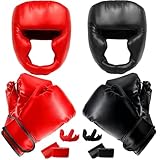
Choosing the right boxing gloves can feel like navigating a maze, especially if you’re new to the sport. There’s so much to consider, from the weight of the gloves to the materials they’re made of. But one of the most crucial aspects is figuring out the correct size. Using gloves that are too small can lead to injuries, while gloves that are too big can hinder your technique and make it harder to land punches accurately.
Don’t worry, though! Determining the right boxing glove size doesn’t have to be a headache. We’re going to break down everything you need to know, from understanding the different weight classifications to measuring your hand and considering your training style. By the end of this guide, you’ll be well-equipped to choose gloves that fit you perfectly, helping you to train safely and effectively. Let’s get started!
Understanding Boxing Glove Weights
Boxing gloves are primarily categorized by their weight, measured in ounces (oz). This weight impacts the level of protection and the overall feel of the gloves. It’s not just about the size of your hand; the weight is directly related to the amount of padding and the protection they offer. Heavier gloves provide more padding, which is crucial for sparring and protecting both you and your training partner. Lighter gloves are often used for speed work and bag training, but they offer less protection.
The Significance of Ounce Weights
The ounce weight of a boxing glove refers to the total weight of the glove itself. This includes the padding, the outer material, and any other components. The heavier the glove, the more padding it contains, and therefore, the more protection it offers. This is why heavier gloves are typically used for sparring, where the risk of injury is higher. Lighter gloves, on the other hand, offer less protection but allow for greater speed and agility, making them suitable for bag work and pad work.
Common Boxing Glove Weights and Their Uses
Here’s a breakdown of common boxing glove weights and their typical applications:
- 6-8 oz Gloves: These are typically used for youth boxers or for professional fighters during competition. They provide minimal padding and are designed for speed and agility.
- 10-12 oz Gloves: Often used for bag work, pad work, and some light sparring. They offer a balance between protection and speed, making them versatile for various training activities.
- 14-16 oz Gloves: The most common weights for sparring. They provide a high level of protection for both the wearer and their sparring partner. The extra padding helps to absorb the impact of punches, reducing the risk of injury.
- 18-20 oz Gloves: These are generally used for heavy bag training and for individuals who want maximum protection during sparring. They are less common but offer the most padding available.
Why Weight Matters
Choosing the right weight is critical for your safety and training effectiveness. Using gloves that are too light can lead to hand injuries, while gloves that are too heavy can slow you down and make it difficult to develop proper technique. The weight of the gloves affects the force of your punches, the speed at which you can move, and the amount of protection you receive. Therefore, it’s essential to select gloves that align with your training goals and experience level.
How to Measure Your Hand for Boxing Gloves
Knowing your hand size is a key part of determining the right boxing glove size. This measurement helps you understand the fit of the gloves and ensures they are comfortable and functional. There are two primary measurements to consider: hand circumference and hand length. Let’s look at how to take these measurements accurately.
Measuring Hand Circumference
Hand circumference is the measurement around your knuckles. Here’s how to measure it:
- Get Ready: Use a flexible measuring tape. If you don’t have one, you can use a piece of string and then measure the string with a ruler.
- Make a Fist: Make a fist with your dominant hand (the hand you write with).
- Wrap the Tape: Wrap the measuring tape around the widest part of your knuckles. This is usually the area just below your fingers.
- Check the Fit: Make sure the tape is snug but not too tight. You should be able to move the tape slightly.
- Record the Measurement: Note down the measurement in inches or centimeters.
Measuring Hand Length
Hand length is the measurement from the tip of your longest finger to the base of your palm. Here’s how to measure it: (See Also: Are Muay Thai Gloves The Same As Boxing Gloves )
- Get Ready: Use a ruler or a measuring tape.
- Position Your Hand: Place your hand flat on a surface, with your fingers extended.
- Measure: Place the ruler at the base of your palm (where your wrist meets your hand) and measure to the tip of your longest finger.
- Record the Measurement: Note down the measurement in inches or centimeters.
Taking Accurate Measurements
To ensure accurate measurements, it’s important to:
- Measure at the Right Time: Measure your hand when it’s relaxed, not swollen or strained.
- Get Help: If possible, have someone help you take the measurements. This can make the process easier and more accurate.
- Measure Both Hands: While you’ll likely use the measurements from your dominant hand, it’s a good idea to measure both hands, as there can be slight differences.
Glove Size Charts and Guidelines
Once you have your hand measurements, you can use glove size charts to determine the best fit. These charts provide guidelines based on hand circumference and sometimes include weight recommendations. These charts are not a one-size-fits-all solution, but a good starting point.
Understanding Glove Size Charts
Boxing glove size charts are designed to help you match your hand measurements to the appropriate glove size. These charts are usually provided by the manufacturer and can vary slightly between brands. They typically include a range of hand circumference measurements and the corresponding glove sizes (e.g., small, medium, large, or specific ounce weights).
General Sizing Guidelines
Here’s a general guide to help you get started:
- Small: Typically for youth boxers or those with smaller hands.
- Medium: Often suitable for women and those with average-sized hands.
- Large: Commonly used by men with average to larger hands.
- Extra Large: For individuals with very large hands.
Remember that these are just general guidelines, and it’s essential to consult the specific size chart provided by the glove manufacturer.
Glove Weight Recommendations Based on Body Weight
In addition to hand size, your body weight can also influence the appropriate glove weight. Here’s a general guideline:
| Body Weight | Recommended Glove Weight (for Sparring) |
|---|---|
| Under 120 lbs | 12 oz |
| 120-150 lbs | 14 oz |
| 150-180 lbs | 16 oz |
| Over 180 lbs | 16-18 oz |
These are just recommendations, and personal preference also plays a role. If you’re unsure, it’s always best to err on the side of caution and choose a slightly heavier glove, especially for sparring.
Factors Influencing Glove Size Selection
Several factors beyond hand size and weight influence the correct boxing glove size. These considerations ensure you get a glove that is comfortable, protective, and suitable for your training needs. (See Also: Can You Wrestle In Boxing Shoes )
Training Style
Your training style plays a significant role in determining the right glove size. Are you mainly focused on bag work, sparring, or a combination of both? Here’s how to consider your training style:
- Bag Work: For bag work, you might opt for lighter gloves (10-12 oz) to focus on speed and technique. However, if you’re hitting a heavy bag frequently, consider gloves with more padding (14 oz or more) to protect your hands.
- Sparring: For sparring, safety is paramount. Choose gloves with at least 14 oz of weight, and preferably 16 oz or more, to provide adequate protection for both you and your sparring partner.
- Pad Work: Similar to bag work, you can use lighter gloves (10-12 oz) for pad work to focus on speed and combinations. However, ensure the pads are designed to absorb the impact.
Experience Level
Your experience level affects your glove choice. Beginners may benefit from heavier gloves, which offer more protection and help to develop proper form. As you gain experience and become more comfortable with your technique, you might transition to lighter gloves for increased speed and agility.
Hand Wraps and Glove Fit
Hand wraps are an essential part of boxing, providing support and protection to your wrists and knuckles. When choosing your glove size, you need to account for the added bulk of hand wraps. Always wear your hand wraps when trying on gloves to ensure a proper fit. Gloves should feel snug, but not overly tight, with your hand wraps on. You should be able to make a fist comfortably without feeling restricted.
Material and Construction
The material and construction of the gloves also influence the fit and feel. Leather gloves generally offer a better fit and durability over time, conforming to the shape of your hand. Synthetic gloves may be more affordable but may not offer the same level of comfort or longevity. The padding material also affects the fit. Gloves with denser padding may feel more compact, while those with softer padding may feel more spacious.
Trying on Boxing Gloves
Trying on boxing gloves is a crucial step in ensuring a proper fit. It’s the best way to determine if the gloves are comfortable and functional for your hands. Here’s how to try on boxing gloves effectively.
What to Do Before Trying On
Before trying on the gloves, there are a few things you should do:
- Wear Hand Wraps: Always wear your hand wraps when trying on gloves. This is essential for getting the correct fit and ensuring the gloves accommodate the added bulk.
- Consider the Time of Day: Your hands may swell slightly throughout the day. Try on gloves when your hands are at their normal size.
- Research the Brand: Different brands may have slightly different sizing. Check online reviews or manufacturer size charts to get an idea of how the brand’s gloves fit.
The Fitting Process
Follow these steps when trying on boxing gloves:
- Put on Hand Wraps: Wrap your hands securely, ensuring adequate support for your wrists and knuckles.
- Slide Your Hand In: Carefully slide your hand into the glove, ensuring your fingers are positioned correctly.
- Make a Fist: Make a fist and check for any restrictions or discomfort. You should be able to close your hand comfortably.
- Check the Wrist Area: The wrist area should be snug, providing good support. The strap should secure the glove firmly without being too tight.
- Test the Fit: Move your hand around and make various punches to see how the glove feels during movement.
- Check the Padding: Ensure the padding covers your knuckles adequately. There should be enough padding to absorb the impact without feeling too bulky.
Signs of a Good Fit
Here are some signs that a glove fits well: (See Also: Is Everlast Good Boxing Gloves )
- Snug but Not Tight: The glove should feel snug around your hand, without being overly tight or restrictive.
- Comfortable Fist: You should be able to make a comfortable fist without any pinching or discomfort.
- Good Wrist Support: The wrist area should provide adequate support and secure the glove firmly.
- Adequate Padding: The padding should cover your knuckles effectively, offering good protection.
Signs of a Poor Fit
Here are some signs that indicate the glove may not be the right fit:
- Too Tight: If the glove feels too tight, restricting your hand movement.
- Too Loose: If the glove feels too loose, your hand may move around inside.
- Pain or Discomfort: If you experience any pain or discomfort when making a fist or moving your hand.
- Inadequate Wrist Support: If the wrist area doesn’t provide enough support or if the strap doesn’t secure the glove properly.
Care and Maintenance of Your Boxing Gloves
Proper care and maintenance of your boxing gloves are essential to prolong their lifespan and keep them in good condition. Here’s how to care for your gloves.
Cleaning Your Gloves
Regular cleaning prevents odors and extends the life of your gloves. Here’s how to clean your boxing gloves:
- Wipe Down After Each Use: After each training session, wipe down the exterior of your gloves with a damp cloth to remove sweat and dirt.
- Air Dry: Allow your gloves to air dry completely after each use. Avoid direct sunlight or heat, which can damage the material.
- Use a Glove Deodorizer: Use a glove deodorizer or spray to eliminate odors and prevent bacteria growth.
- Clean the Interior: Occasionally, clean the interior of your gloves with a damp cloth and mild soap. Be sure to dry them thoroughly.
Storing Your Gloves
Proper storage is crucial for maintaining the shape and condition of your gloves:
- Store in a Well-Ventilated Area: Store your gloves in a cool, dry, and well-ventilated area to prevent mold and mildew.
- Use a Glove Dryer: Consider using a glove dryer to help remove moisture and keep your gloves fresh.
- Avoid Extreme Temperatures: Do not store your gloves in areas with extreme temperatures, as this can damage the material.
Protecting Your Gloves
Taking a few extra steps can help protect your gloves and extend their lifespan:
- Use Hand Wraps: Always wear hand wraps when using your gloves. This not only protects your hands but also absorbs sweat, reducing the amount of moisture that gets into the gloves.
- Rotate Gloves: If you train frequently, consider owning multiple pairs of gloves and rotating them. This allows each pair to dry completely between uses.
- Repair Minor Damage: If your gloves sustain minor damage, such as loose stitching, have them repaired promptly to prevent the damage from worsening.
Choosing the Right Boxing Gloves: A Summary
Selecting the right boxing gloves involves considering several factors, including your hand size, training style, experience level, and the type of training you plan to do. By understanding the different ounce weights, measuring your hand accurately, and considering the factors outlined above, you can choose gloves that fit properly and provide the necessary protection and support.
Remember to always wear hand wraps when using your gloves, and prioritize proper care and maintenance to extend their lifespan. If you’re unsure, consult with a boxing coach or experienced boxer for personalized advice. With the right gloves, you’ll be well-equipped to train safely, effectively, and enjoy the sport of boxing.
Verdict
Finding the right boxing glove size is crucial for both safety and performance. By taking the time to measure your hand, consider your training style, and consult size charts, you can make an informed decision. Don’t be afraid to try on different pairs and seek advice from experienced boxers.
Remember that the perfect fit will provide you with the protection you need while allowing you to move freely and execute your techniques effectively. With the proper gloves, you’ll be able to train with confidence and focus on improving your skills.