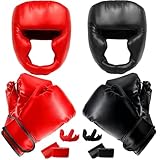
Choosing the right boxing gloves is a crucial decision for any boxer, from seasoned professionals to those just starting their journey. One of the most fundamental aspects of this choice is the fit: should your boxing gloves be snug, or should they have some room to breathe? This seemingly simple question has significant implications for your performance, safety, and comfort in the ring.
The fit of your gloves affects everything from your punching power and speed to your ability to protect your hands from injury. A glove that’s too tight can restrict blood flow and limit your hand’s natural movement, potentially leading to hand and wrist problems. Conversely, a glove that’s too loose can shift around during impact, causing blisters, abrasions, and even increasing the risk of sprains or fractures.
This article will explore the nuances of boxing glove fit, offering guidance on how to determine the perfect fit for your hand size, training style, and overall boxing goals. We’ll delve into the pros and cons of both tight and loose gloves, providing practical advice to help you make an informed decision and ensure your hands are well-protected and ready to deliver powerful punches.
Understanding Boxing Glove Fit: The Fundamentals
Before diving into the specifics of tight versus loose, let’s establish a solid understanding of what constitutes a good fit in boxing gloves. The primary function of boxing gloves is to protect your hands and wrists during impact, both for yourself and your sparring partner. They achieve this by distributing the force of your punches over a larger surface area and cushioning the impact.
A well-fitting glove should:
- Provide adequate protection for your knuckles, wrists, and fingers.
- Allow for a full range of motion without restriction.
- Stay securely in place during punches and movement.
- Be comfortable enough to wear for extended periods during training and sparring.
The fit of a boxing glove is influenced by several factors, including the type of glove (e.g., training, sparring, competition), the material it’s made from, and your hand size and shape. Consider the following key elements:
Hand Size and Shape
Your hand size and shape are the most important factors when determining the right boxing glove fit. Measure your hand circumference by wrapping a measuring tape around your knuckles. Also, consider the overall shape of your hand – is it wide or narrow, thick or slender? These physical factors will dictate the size and style of glove that best suits your needs.
Glove Type
Different types of boxing gloves are designed for specific purposes. Training gloves are generally used for bag work and pad work, and they tend to have more padding for hand protection. Sparring gloves are made with extra padding to protect both fighters during sparring sessions. Competition gloves are usually smaller and lighter, with less padding, prioritizing speed and power over protection. The fit requirements may vary depending on the glove type.
The Role of Hand Wraps
Hand wraps are an essential piece of equipment. They provide extra support and protection for your wrists and knuckles. The thickness of your hand wraps will impact the fit of your gloves. Always wear hand wraps when trying on boxing gloves to get an accurate assessment of the fit.
Material and Construction
The materials used to make boxing gloves (leather, synthetic leather, etc.) and their construction (stitching, padding, etc.) can affect the fit and feel of the gloves. Some materials stretch more than others, and the quality of the padding will influence how the glove conforms to your hand.
The Case for Tight Boxing Gloves
Some boxers prefer a snug, tight fit for their boxing gloves. There are several reasons for this preference, each with its own advantages and disadvantages.
Advantages of Tight Gloves
Enhanced Power and Accuracy: A tighter glove can feel more connected to your hand, allowing for a more direct transfer of power when punching. This can lead to increased punch accuracy and a feeling of greater control. The snug fit can minimize any unwanted movement inside the glove, helping you to land your punches more precisely.
Improved Wrist Support: Tight gloves often provide better wrist support, which is critical for preventing injuries. The snug fit helps keep your wrist aligned during punches, reducing the risk of hyperextension or twisting. This increased stability can be particularly beneficial for those with a history of wrist problems or who tend to throw powerful punches.
Increased Tactile Feedback: Some boxers find that a tighter glove provides better tactile feedback, allowing them to feel the impact of their punches more acutely. This can help them to better understand how they are connecting with the target and adjust their technique accordingly. This enhanced feedback can be beneficial for developing a more refined and controlled punching style.
Reduced Glove Movement: A tight fit ensures that the glove stays securely in place during punches and movements. This can help prevent the glove from shifting around, which can lead to blisters, abrasions, and potential injury.
Disadvantages of Tight Gloves
Restricted Blood Flow: One of the biggest drawbacks of tight gloves is the potential for restricted blood flow to the hands. This can lead to numbness, tingling, or even a feeling of coldness in the hands. Restricted blood flow can also impair your hand’s ability to recover between rounds or training sessions.
Limited Mobility: Tight gloves can restrict the natural movement of your hands and fingers. This can make it more difficult to clench your fist properly, throw certain punches, or execute defensive maneuvers. This limited mobility can be particularly problematic for boxers who rely on speed and agility.
Increased Risk of Hand Fatigue: Tight gloves can compress the muscles and tendons in your hands, leading to hand fatigue. This can make it more difficult to maintain your punching power and technique throughout a training session or fight. Hand fatigue can also increase the risk of injury. (See Also: Are Muay Thai Gloves The Same As Boxing Gloves )
Difficulty with Hand Wrapping: It can be more challenging to wrap your hands properly when wearing tight gloves. The limited space inside the glove can make it difficult to get a comfortable and secure fit with your hand wraps.
The Case for Loose Boxing Gloves
Other boxers prefer a looser fit for their boxing gloves. This approach also has its own set of advantages and disadvantages.
Advantages of Loose Gloves
Greater Comfort: Loose gloves can feel more comfortable, especially during long training sessions. The extra room allows for more natural movement of your hands and fingers, reducing the feeling of constriction.
Improved Blood Circulation: Loose gloves are less likely to restrict blood flow to your hands, which can help prevent numbness, tingling, and coldness. This improved circulation can also aid in faster recovery.
Enhanced Mobility: Loose gloves allow for a greater range of motion, making it easier to clench your fist, throw different punches, and perform defensive maneuvers. This increased mobility can be particularly beneficial for boxers who prioritize speed and agility.
Easier Hand Wrapping: It can be easier to wrap your hands properly when wearing loose gloves. The extra space inside the glove can accommodate thicker hand wraps, allowing for a more secure and comfortable fit.
Disadvantages of Loose Gloves
Reduced Power and Accuracy: Loose gloves may not provide the same level of power transfer as tighter gloves. The extra space inside the glove can lead to a less direct connection with your hand, which can reduce punch accuracy and power. A glove that’s too loose can also shift around during impact, causing your punches to lack precision.
Less Wrist Support: Loose gloves may not offer as much wrist support as tighter gloves. This can increase the risk of wrist injuries, especially for those who throw powerful punches. The lack of support can also make it more difficult to maintain proper form and technique.
Increased Glove Movement: Loose gloves can shift around during punches and movements, which can lead to blisters, abrasions, and potential injury. This can be particularly problematic during sparring sessions or when working on the heavy bag.
Reduced Tactile Feedback: Some boxers find that loose gloves provide less tactile feedback, making it more difficult to feel the impact of their punches. This can make it more challenging to adjust your technique and understand how you are connecting with the target.
How to Determine the Right Fit: A Step-by-Step Guide
Finding the right fit for your boxing gloves is a process that requires careful consideration. Here’s a step-by-step guide to help you determine the perfect fit for your hands:
1. Measure Your Hand
The first step is to measure your hand circumference. Use a flexible measuring tape and wrap it around your knuckles, making sure to keep your fingers together. Note the measurement in inches or centimeters.
2. Consider Your Hand Shape
Assess the overall shape of your hand. Is it wide or narrow, thick or slender? This will help you determine the type of glove that will best accommodate your hand shape.
3. Choose the Right Glove Type
Select the type of glove that is appropriate for your training or sparring needs. Training gloves are typically used for bag work and pad work, while sparring gloves are designed to protect both fighters during sparring sessions. Competition gloves are usually smaller and lighter, prioritizing speed and power.
4. Consult the Size Chart
Most boxing glove manufacturers provide size charts that correlate hand measurements with glove sizes. Consult the size chart for the specific brand and model of gloves you are considering. Keep in mind that glove sizes can vary slightly between brands.
5. Wear Hand Wraps
Always wear hand wraps when trying on boxing gloves. This will give you the most accurate assessment of the fit. Hand wraps add bulk to your hands, so it’s essential to factor them into your sizing decision.
6. Try on the Gloves
Put on the gloves and make a fist. The glove should feel snug, but not constricting. You should be able to clench your fist comfortably without feeling any excessive pressure or restriction. Your fingers should touch the end of the glove, but not be crammed. (See Also: Can You Wrestle In Boxing Shoes )
7. Check for Wrist Support
Pay close attention to the wrist support. The glove should provide adequate support without limiting your range of motion. Make sure the wrist closure system (e.g., Velcro strap or lace-up) secures your wrist firmly.
8. Test the Fit
Practice throwing punches with the gloves on. Simulate various punches, including straight punches, hooks, and uppercuts. Pay attention to how the gloves feel during impact. Do they stay in place? Do they provide adequate protection? Do you feel any discomfort or restriction?
9. Consider Personal Preference
Ultimately, the best fit is the one that feels most comfortable and secure for you. Some boxers prefer a tighter fit for power and accuracy, while others prefer a looser fit for comfort and mobility. Consider your personal preferences and training style when making your decision.
10. Seek Expert Advice
If you are unsure about the right fit, seek advice from a boxing coach or experienced boxer. They can help you assess the fit of the gloves and provide personalized recommendations based on your individual needs.
Factors That Influence Glove Fit Over Time
Boxing gloves are not static; their fit can change over time due to wear and tear, material degradation, and other factors. Understanding these changes is crucial for maintaining the right fit and ensuring continued protection and performance.
Material Breakdown
The padding inside boxing gloves, typically made of foam or gel, will compress over time. This compression reduces the thickness of the padding, which can affect the fit and level of protection. Leather gloves may also stretch slightly with use, making the glove feel looser. Synthetic leather gloves may not stretch as much, but the padding will still break down.
Moisture Absorption
During training, your hands sweat, and the gloves absorb moisture. This moisture can cause the padding to lose its shape and become less effective at absorbing impact. It can also cause the gloves to become heavier and feel less comfortable. Proper glove care, including drying them after each use, is essential to mitigate these effects.
Wear and Tear
The outer materials of the gloves, such as leather or synthetic leather, can wear down over time due to friction against the heavy bag, pads, or your opponent. This wear and tear can affect the fit and durability of the gloves. Regular maintenance, such as cleaning and conditioning leather gloves, can help extend their lifespan.
Impact of Hand Wraps
The thickness and type of hand wraps you use can also influence the fit of your gloves over time. If you start using thicker hand wraps, your gloves may feel tighter. Conversely, if your hand wraps become thinner or lose their shape, your gloves may feel looser.
Changes in Hand Size
Your hand size may also change over time due to swelling, muscle development, or weight fluctuations. These changes can affect the fit of your gloves. It is essential to re-evaluate the fit of your gloves periodically and adjust your sizing as needed.
Glove Care and Maintenance: Preserving the Fit
Proper glove care and maintenance are crucial for preserving the fit and extending the lifespan of your boxing gloves. Following these tips can help ensure your gloves remain in optimal condition for years to come.
Drying Your Gloves
After each training session or sparring match, it is essential to dry your gloves thoroughly. This prevents the buildup of moisture, which can lead to mold, mildew, and premature wear and tear. Remove your hand wraps and place your gloves in a well-ventilated area to air dry. Avoid direct sunlight or heat, as this can damage the materials.
Using Glove Deodorizers
The inside of boxing gloves can develop an unpleasant odor due to sweat and bacteria buildup. Use glove deodorizers or inserts to absorb moisture and neutralize odors. These products can also help to prolong the life of your gloves.
Cleaning Your Gloves
Regularly clean the exterior of your gloves to remove dirt, sweat, and other debris. For leather gloves, use a leather cleaner and conditioner to keep the leather supple and prevent cracking. For synthetic leather gloves, wipe them down with a damp cloth and mild soap. Avoid using harsh chemicals or abrasive cleaners.
Storing Your Gloves
When not in use, store your gloves in a cool, dry place. Avoid storing them in direct sunlight or extreme temperatures. Consider using a glove bag to protect them from dust and damage.
Rotating Your Gloves
If you train frequently, consider owning multiple pairs of gloves and rotating them. This allows each pair to dry completely between uses, reducing wear and tear and extending their lifespan.
Inspecting Your Gloves
Regularly inspect your gloves for signs of wear and tear, such as cracks, tears, or loose stitching. If you notice any damage, repair it promptly or replace the gloves if necessary. Damaged gloves may not provide adequate protection. (See Also: Is Everlast Good Boxing Gloves )
Hand Wrapping Techniques
Proper hand wrapping is essential for protecting your hands and ensuring a good fit in your gloves. Use high-quality hand wraps and learn proper wrapping techniques from a boxing coach or experienced boxer. Make sure your wraps are snug but not too tight, and cover your knuckles, wrists, and fingers adequately.
Choosing the Right Gloves for Your Needs
Choosing the right boxing gloves is a crucial decision that can significantly impact your training and performance. Consider your training style, hand size, and personal preferences when selecting your gloves. If you’re unsure, consult a boxing coach or experienced boxer for guidance.
The Importance of Proper Fit for Different Training Activities
The ideal glove fit can vary depending on the type of training you are doing. Different activities place different demands on your hands and wrists, so the fit of your gloves should reflect those demands.
Bag Work
For bag work, the gloves need to provide adequate protection for your knuckles and wrists while allowing you to generate power. A slightly tighter fit can be beneficial for bag work, as it can help to maintain a more direct connection with the bag and improve punch accuracy. However, ensure the gloves are not so tight that they restrict blood flow or limit your range of motion.
Pad Work
Pad work involves hitting pads held by a coach or training partner. The gloves used for pad work should provide good protection for both your hands and the pads. A snug fit is generally preferred for pad work, as it allows for greater control and precision when hitting the pads. However, the gloves should still allow for a full range of motion.
Sparring
Sparring gloves are designed to protect both fighters during sparring sessions. They typically have more padding than training gloves to absorb impact and minimize the risk of injury. The fit of sparring gloves should be comfortable and secure, allowing for a full range of motion. A slightly looser fit can be acceptable for sparring, as it can provide extra cushioning and prevent the gloves from feeling too constricting. However, avoid gloves that are too loose, as they can shift around during impact and increase the risk of injury.
Competition
Competition gloves are generally smaller and lighter than training or sparring gloves, with less padding. They are designed to prioritize speed and power over protection. The fit of competition gloves should be snug but not constricting, allowing for a full range of motion. Because competition gloves have less padding, the fit is critical to ensure that your hands and wrists are adequately protected.
Common Mistakes to Avoid When Choosing Boxing Gloves
Choosing the wrong boxing gloves can lead to discomfort, injury, and a less enjoyable training experience. Here are some common mistakes to avoid when choosing boxing gloves.
Ignoring Hand Wrapping
Failing to wear hand wraps when trying on boxing gloves is a common mistake. Hand wraps add significant bulk to your hands, so it’s essential to factor them into your sizing decision. Always wear hand wraps when trying on gloves to get an accurate assessment of the fit.
Choosing the Wrong Size
Choosing the wrong size is a common mistake. It’s essential to measure your hand and consult the manufacturer’s size chart to determine the correct size. Don’t rely on guesswork or assumptions; take the time to measure your hand and choose the appropriate size.
Prioritizing Aesthetics Over Functionality
Choosing gloves based solely on their appearance is another mistake. While it’s important to like the way your gloves look, prioritize functionality and protection. Choose gloves that fit well, provide adequate protection, and are comfortable to wear. Don’t sacrifice safety for style.
Not Trying on Gloves Before Buying
Whenever possible, try on the gloves before buying them. This allows you to assess the fit and feel of the gloves and ensure they are comfortable and secure. If you’re buying online, read reviews and compare sizes to get an idea of how the gloves fit.
Not Considering Your Training Style
Choosing gloves without considering your training style is another common mistake. Different types of training require different types of gloves. Choose gloves that are appropriate for the type of training you will be doing, whether it’s bag work, pad work, sparring, or competition.
Neglecting Glove Care
Neglecting glove care can shorten the lifespan of your gloves and compromise their effectiveness. Follow the manufacturer’s instructions for cleaning and maintaining your gloves. Dry your gloves thoroughly after each use and store them in a cool, dry place.
Ignoring Expert Advice
Failing to seek expert advice is a mistake. If you’re unsure about the right fit or type of gloves, consult a boxing coach or experienced boxer. They can provide personalized recommendations based on your individual needs and training goals.
Conclusion
Deciding whether your boxing gloves should be tight or loose is a matter of balancing several factors: comfort, protection, power, and mobility. While some boxers prefer a snug fit for enhanced power transfer and wrist support, others favor a looser fit for improved comfort and blood circulation.
Ultimately, the best fit is the one that allows you to train and compete safely and effectively. Consider your hand size, shape, training style, and personal preferences when making your decision. Always wear hand wraps, consult size charts, and, if possible, try on the gloves before purchasing.
By taking the time to find the right fit, you’ll be well on your way to protecting your hands, improving your performance, and enjoying the sport of boxing to its fullest extent. Remember to prioritize proper glove care to extend the life of your gloves and maximize their protective qualities. Your hands will thank you for it!