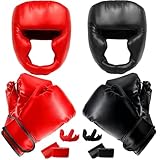
So, you’re ready to step into the ring, or at least, the home gym? Boxing is a fantastic workout, offering a full-body experience that builds strength, endurance, and coordination. But before you start shadowboxing in your living room, it’s essential to equip yourself properly. Boxing isn’t just about throwing punches; it’s about protecting yourself and optimizing your training. Choosing the right gear can make all the difference, preventing injuries and allowing you to focus on honing your skills.
This guide is your go-to resource for understanding the essential must have boxing equipment. We’ll cover everything from gloves and hand wraps to protective headgear and training aids. Whether you’re a beginner taking your first steps or a seasoned boxer looking to upgrade your setup, this article will provide you with the knowledge you need to make informed decisions and build a safe and effective training environment. Let’s get started!
Essential Boxing Equipment: A Detailed Breakdown
Boxing, at its core, is a combat sport that demands both skill and protection. The right equipment is not just about enhancing performance; it’s about safeguarding your health and well-being. Investing in quality gear upfront is a smart move that pays dividends in the long run, ensuring you can train safely and effectively. Let’s break down the essential items you’ll need.
Boxing Gloves
Boxing gloves are arguably the most crucial piece of equipment. They serve two primary purposes: protecting your hands and protecting your sparring partner. The type of gloves you need will vary depending on your training activities.
- Training Gloves: These are the workhorses of your boxing arsenal. They are typically heavier than competition gloves, offering more padding for bag work, pad work, and sparring. Look for gloves with good wrist support and durable construction. Training gloves commonly range from 12oz to 16oz. Heavier gloves provide more protection and are often used for developing punching power and endurance.
- Sparring Gloves: Sparring gloves are designed with safety in mind. They usually have more padding than training gloves to absorb impact and reduce the risk of injury to both fighters. Ensure your sparring gloves are at least 14oz or 16oz for adequate protection.
- Competition Gloves: These gloves are used in official boxing matches. They are generally lighter than training or sparring gloves, allowing for faster punches. Competition gloves are typically 8oz or 10oz, depending on the weight class.
Key Considerations When Choosing Boxing Gloves:
- Weight: The weight of your gloves should correspond to your training needs and weight class. Heavier gloves provide more protection and build strength, while lighter gloves allow for faster punches.
- Material: Boxing gloves are typically made from leather or synthetic materials. Leather gloves are generally more durable and offer a better feel, while synthetic gloves are often more affordable.
- Padding: Look for gloves with multi-layer padding to effectively absorb impact. The padding should be dense enough to protect your knuckles and hands.
- Wrist Support: Good wrist support is crucial to prevent injuries. Choose gloves with a secure closure system, such as a hook-and-loop strap or laces.
- Fit: Gloves should fit snugly but not too tightly. They should provide enough room for hand wraps.
How to Choose the Right Glove Size:
The size of boxing gloves is measured in ounces (oz). The appropriate size depends on your weight and the intended use of the gloves. Here’s a general guideline:
- Beginners: 12oz or 14oz training gloves are typically recommended.
- Sparring: 16oz gloves are recommended to provide maximum protection for both you and your sparring partner.
- Heavy Bag Work: 14oz or 16oz gloves are suitable.
- Competition: 8oz or 10oz gloves (depending on weight class).
Hand Wraps
Hand wraps are often overlooked, but they’re absolutely essential for protecting your hands and wrists. They provide compression, support, and absorb sweat, extending the life of your gloves. Think of them as the foundation upon which your gloves rest. (See Also: Are Muay Thai Gloves The Same As Boxing Gloves )
- Material: Hand wraps are typically made from cotton, a cotton blend, or a synthetic material like polyester. Cotton wraps are breathable and absorb sweat well.
- Length: Hand wraps come in various lengths, typically ranging from 120 inches to 180 inches. Longer wraps offer more support and protection.
- Type: There are two main types of hand wraps: Mexican-style and standard wraps. Mexican-style wraps are more elastic and offer a tighter fit, while standard wraps are less elastic and easier to wrap for beginners.
Why Hand Wraps are Crucial:
- Protecting Your Knuckles: Hand wraps create a protective layer around your knuckles, absorbing impact and preventing injuries.
- Supporting Your Wrists: They provide support to your wrists, reducing the risk of sprains and other injuries.
- Absorbing Sweat: Hand wraps absorb sweat, keeping your gloves cleaner and extending their lifespan.
- Improving Punching Power: By stabilizing your hand and wrist, hand wraps can improve your punching power and accuracy.
How to Wrap Your Hands Properly:
Wrapping your hands correctly is a skill that takes practice. There are numerous tutorials available online that demonstrate proper hand-wrapping techniques. It’s essential to wrap your hands firmly but not too tightly. The goal is to provide support and protection without restricting blood flow.
Step-by-Step Guide (Simplified):
- Start by looping the wrap around your thumb.
- Wrap your wrist several times to provide support.
- Wrap your knuckles, creating a protective layer.
- Wrap between your fingers, securing the wrap.
- Finish by wrapping your wrist again, securing the Velcro closure.
Boxing Shoes
Boxing shoes are designed to provide the necessary support, stability, and grip for boxing movements. They are different from regular athletic shoes and offer specific features that benefit boxers.
- Ankle Support: Boxing shoes typically have a high-top design that provides excellent ankle support, reducing the risk of sprains and other injuries.
- Grip: The soles of boxing shoes are designed to provide optimal grip on the canvas, allowing for quick footwork and pivots.
- Flexibility: Boxing shoes are flexible enough to allow for a full range of motion, enabling you to move freely around the ring.
- Lightweight: Boxing shoes are lightweight, allowing for fast footwork.
Key Features to Look for in Boxing Shoes:
- Ankle Support: Look for a high-top design that provides excellent ankle support.
- Grip: Choose shoes with a rubber sole that offers good grip on the canvas.
- Flexibility: Ensure the shoes are flexible enough to allow for a full range of motion.
- Comfort: Choose shoes that fit comfortably and provide adequate cushioning.
- Durability: Boxing shoes should be made from durable materials that can withstand the rigors of training.
Headgear
Headgear is crucial for protecting your head and face during sparring. It absorbs impact and reduces the risk of cuts, bruises, and concussions. Investing in quality headgear is a non-negotiable step for any serious boxer. (See Also: Can You Wrestle In Boxing Shoes )
- Types of Headgear: There are different types of headgear, including headgear with cheek protectors, headgear with face bars, and headgear without cheek protectors. The best type for you depends on your training needs and personal preference.
- Padding: Headgear should have ample padding in key areas, such as the forehead, cheeks, and ears.
- Fit: Headgear should fit snugly but not too tightly. It should not obstruct your vision.
- Material: Headgear is typically made from leather or synthetic materials. Leather headgear is more durable and offers a better fit, while synthetic headgear is often more affordable.
Choosing the Right Headgear:
- Beginners: Consider headgear with cheek protectors for added facial protection.
- Sparring: Always wear headgear during sparring.
- Comfort: Choose headgear that fits comfortably and does not restrict your vision.
Mouthguard
A mouthguard is essential for protecting your teeth and gums from injury. It absorbs impact and reduces the risk of concussions. A properly fitted mouthguard is a must-have piece of equipment.
- Types of Mouthguards: There are three main types of mouthguards: stock mouthguards, boil-and-bite mouthguards, and custom-fitted mouthguards.
- Stock Mouthguards: These are the most affordable option but offer the least protection.
- Boil-and-Bite Mouthguards: These can be molded to your teeth for a more custom fit.
- Custom-Fitted Mouthguards: These are made by a dentist and offer the best fit and protection.
Why a Mouthguard is Non-Negotiable:
- Protecting Your Teeth: Mouthguards protect your teeth from being chipped, broken, or knocked out.
- Protecting Your Gums: They protect your gums from injury.
- Reducing the Risk of Concussions: Mouthguards can help absorb impact and reduce the risk of concussions.
Groin Protector (cup)
A groin protector, also known as a cup, is essential for protecting your groin from injury. It’s a non-negotiable piece of equipment for both male and female boxers.
- Types of Groin Protectors: There are different types of groin protectors, including hard-shell cups and soft-shell cups. Hard-shell cups offer more protection but can be less comfortable.
- Fit: The groin protector should fit snugly and provide adequate coverage.
- Material: Groin protectors are typically made from plastic or metal.
Importance of a Groin Protector:
- Protecting from Impact: The groin protector absorbs impact from punches, kicks, and knees.
- Preventing Injury: It reduces the risk of serious injuries to the groin area.
Training Equipment
Beyond the core protective gear, several training aids can significantly enhance your boxing workouts. These tools help you develop specific skills and improve your overall performance.
- Heavy Bag: A heavy bag is a staple of boxing training. It allows you to practice your punches, combinations, and footwork.
- Speed Bag: A speed bag helps you develop hand speed, coordination, and rhythm.
- Double-End Bag: A double-end bag is a versatile training tool that helps you improve your timing, accuracy, and defense.
- Focus Mitts: Focus mitts are used to work on your punching technique, combinations, and defense.
- Jump Rope: Jumping rope is an excellent cardio workout that improves your footwork, coordination, and endurance.
Other Important Gear
There are a few other items that, while not strictly essential, can greatly enhance your training experience and make it more comfortable. (See Also: Is Everlast Good Boxing Gloves )
- Athletic Tape: Athletic tape can be used to tape your wrists, fingers, and ankles for added support and protection.
- Training Apparel: Choose comfortable, breathable clothing that allows for a full range of motion. Boxing shorts are a popular choice.
- Water Bottle: Stay hydrated by keeping a water bottle nearby during your workouts.
- Towel: A towel is essential for wiping away sweat and keeping your hands dry.
- First-Aid Kit: Keep a basic first-aid kit on hand to treat minor cuts and injuries.
Choosing the Right Equipment: A Step-by-Step Guide
Selecting the right boxing equipment can feel overwhelming, but breaking it down into manageable steps makes the process simpler. Here’s a step-by-step guide to help you choose the best gear for your needs.
- Assess Your Needs: Determine your training goals and the type of boxing you’ll be doing (bag work, sparring, competition).
- Set a Budget: Establish a budget to guide your choices. Quality equipment is an investment, but there are options for every price range.
- Research Brands and Products: Research different brands and products to compare features, prices, and reviews.
- Consider Fit and Sizing: Pay close attention to fit and sizing guidelines. Refer to size charts and read reviews to ensure a proper fit.
- Prioritize Safety: Always prioritize safety by choosing protective gear that meets industry standards.
- Read Reviews: Read reviews from other users to get insights into the quality and performance of the equipment.
- Try Before You Buy (If Possible): If possible, try on equipment at a local boxing gym or sporting goods store to ensure a comfortable fit.
- Don’t Skimp on Essentials: Invest in high-quality gloves, hand wraps, headgear, and a mouthguard. These are essential for safety and performance.
Where to Buy Boxing Equipment
There are several places where you can purchase boxing equipment, both online and in person. Here are some popular options:
- Specialty Boxing Stores: These stores offer a wide selection of boxing equipment and knowledgeable staff who can provide expert advice.
- Sporting Goods Stores: Major sporting goods stores often carry a selection of boxing equipment.
- Online Retailers: Online retailers offer a vast selection of boxing equipment at competitive prices. Examples include Amazon, eBay, and specialized boxing equipment websites.
- Boxing Gyms: Many boxing gyms sell equipment to their members.
Maintaining Your Boxing Equipment
Proper maintenance will extend the life of your equipment and keep it in top condition. Here’s how to care for your gear:
- Gloves: After each use, wipe down your gloves with a damp cloth and let them air dry. Use a glove deodorizer to eliminate odors.
- Hand Wraps: Wash your hand wraps after each use. Follow the manufacturer’s instructions for washing and drying.
- Headgear: Wipe down your headgear after each use. Store it in a cool, dry place.
- Mouthguard: Rinse your mouthguard with cold water after each use. Store it in a protective case.
- Boxing Shoes: Clean your boxing shoes regularly. Wipe them down after each use and store them in a cool, dry place.
- Heavy Bags: Wipe down your heavy bag regularly. Inspect it for any signs of wear and tear.
Training Tips and Techniques
Once you’ve assembled your equipment, it’s time to focus on your training. Here are some tips to help you get started:
- Start with the Basics: Master the fundamental punches (jab, cross, hook, uppercut) and footwork techniques.
- Focus on Proper Form: Maintain proper form to avoid injuries and maximize your punching power.
- Warm Up Properly: Always warm up before training to prepare your muscles for exercise.
- Cool Down: Cool down after training to help your muscles recover.
- Work on Your Footwork: Footwork is crucial in boxing. Practice moving around the ring and pivoting.
- Practice Combinations: Learn to combine punches into effective combinations.
- Spar with Experienced Boxers: Sparring is a great way to test your skills and learn from others.
- Get Feedback: Seek feedback from coaches and experienced boxers to improve your technique.
- Be Patient: Boxing takes time and dedication. Be patient with yourself and keep practicing.
Safety First: Preventing Injuries
Boxing, like any contact sport, carries a risk of injury. However, you can minimize your risk by following these safety guidelines:
- Use Protective Gear: Always wear the appropriate protective gear, including gloves, hand wraps, headgear, a mouthguard, and a groin protector.
- Warm Up Properly: Warm up before each workout to prepare your muscles.
- Cool Down: Cool down after each workout to help your muscles recover.
- Start Slowly: Don’t try to do too much too soon. Gradually increase the intensity and duration of your workouts.
- Listen to Your Body: If you feel pain, stop training and rest. Don’t push yourself too hard.
- Train Under Supervision: Train under the supervision of a qualified coach or trainer.
- Spar Safely: When sparring, use proper sparring gloves and follow the rules of the gym.
- Stay Hydrated: Drink plenty of water before, during, and after your workouts.
- Rest and Recovery: Get enough rest and allow your body to recover between workouts.
Verdict
Choosing the must have boxing equipment is a critical step in your boxing journey. By selecting the right gear and using it correctly, you can create a safe, effective, and enjoyable training experience. Remember to prioritize safety, invest in quality equipment, and train consistently. With the right equipment and dedication, you’ll be well on your way to achieving your boxing goals. So, get geared up, step into the ring, and start your boxing adventure today!
Always remember to prioritize safety above all else. Proper equipment, combined with consistent training and responsible sparring, will help you enjoy the sport for years to come. Train smart, stay safe, and enjoy the journey!