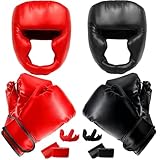
Choosing the right boxing gloves can feel like navigating a maze. With so many options, from the materials they’re made of to the weight, it’s easy to get lost. One of the biggest decisions you’ll face is whether to opt for light or heavy boxing gloves. This isn’t just about personal preference; it directly impacts your training, your sparring, and your overall performance in the ring.
This guide will break down everything you need to know to make an informed decision. We’ll explore the pros and cons of each type, considering factors like hand speed, power generation, and injury prevention. Whether you’re a seasoned fighter or just starting, understanding these nuances will help you select the gloves that best suit your needs and goals. Let’s get started and clear up the confusion around the light vs. heavy boxing gloves debate!
Understanding Boxing Glove Weight
Boxing gloves are primarily categorized by their weight, measured in ounces (oz). The weight of the glove directly influences its padding, and subsequently, the impact it absorbs and the protection it offers. Lighter gloves typically weigh 8-12 oz, while heavier gloves range from 14-20 oz or even more. The weight is crucial because it affects your training and sparring sessions.
Why Weight Matters
The weight of boxing gloves plays a vital role in several aspects of your boxing journey:
- Protection: Heavier gloves generally offer more padding, providing greater protection for your hands and your sparring partner’s face.
- Speed: Lighter gloves allow for faster hand speed, which can be beneficial for developing quick combinations and reflexes.
- Power: The added weight of heavier gloves can help increase punching power during training, as your muscles work harder to move the extra mass.
- Training Goals: Different weights are used for different types of training, from bag work to sparring and competitive matches.
Glove Weight and Its Effects
Let’s delve deeper into how different glove weights influence your boxing experience:
- 8-10 oz Gloves: These gloves are commonly used in professional fights due to their lighter weight, allowing for faster punches. However, they offer less protection, making them unsuitable for regular training.
- 12 oz Gloves: Often used for sparring and some bag work, these gloves provide a balance between speed and protection.
- 14-16 oz Gloves: These are the most common weights for training, offering ample protection for both the boxer and their sparring partner. They are ideal for heavy bag work and sparring sessions.
- 18-20 oz Gloves: These gloves are primarily used for heavy bag training to build strength and endurance. The extra weight adds significant resistance, improving power and stamina.
Light Boxing Gloves: Advantages and Disadvantages
Light boxing gloves, typically ranging from 8 to 12 ounces, are favored for their speed and agility. They allow for quicker hand movements, making them ideal for certain training scenarios and competitive fights. However, they come with their own set of advantages and disadvantages that you should consider.
Advantages of Light Gloves
Here’s a closer look at the benefits of using lighter gloves: (See Also: Are Muay Thai Gloves The Same As Boxing Gloves )
- Increased Hand Speed: The most significant advantage of light gloves is their ability to enhance hand speed. The reduced weight allows you to throw punches faster, which is crucial for building speed and timing.
- Improved Reflexes: Lighter gloves can help improve your reflexes. The quicker hand movements allow you to react faster to your opponent’s attacks and set up your own combinations more efficiently.
- Better for Technical Training: Light gloves are suitable for technical training and pad work where speed and precision are emphasized over raw power. They allow you to focus on your form and accuracy.
- Professional Fights: In professional boxing, lighter gloves (8-10 oz) are often used in fights. This allows for more power to be generated and increases the chances of knockouts.
Disadvantages of Light Gloves
While light gloves offer some benefits, they also have drawbacks:
- Reduced Protection: The primary disadvantage is the reduced protection they offer. Lighter gloves have less padding, which means they absorb less impact. This increases the risk of hand injuries, especially during heavy bag work or sparring.
- Not Ideal for Beginners: Beginners should avoid using light gloves. The lack of padding makes it harder to learn proper punching technique and can lead to hand injuries.
- Risk of Injury: Using light gloves for intense training can increase the risk of injuries to your hands, wrists, and even your sparring partner.
- Limited Training Scope: Light gloves are not suitable for all types of training. They are less effective for developing punching power and endurance compared to heavier gloves.
Heavy Boxing Gloves: Advantages and Disadvantages
Heavy boxing gloves, typically weighing 14 ounces or more, are designed for protection and power development. They are a staple in most boxing gyms and are often preferred for training and sparring. Let’s delve into the pros and cons of using heavy gloves.
Advantages of Heavy Gloves
Here are the benefits of using heavy gloves:
- Enhanced Protection: Heavy gloves provide superior protection for both the boxer and their sparring partner. The increased padding absorbs more impact, reducing the risk of injuries during training and sparring.
- Improved Strength and Endurance: Training with heavier gloves can help build strength and endurance in your arms and shoulders. The extra weight makes your muscles work harder, leading to improved power and stamina over time.
- Safe Sparring: Heavier gloves are generally safer for sparring. The added padding reduces the force of impact, minimizing the risk of cuts, bruises, and other injuries.
- Suitable for All Training: Heavy gloves are versatile and can be used for a variety of training exercises, including heavy bag work, pad work, and sparring.
Disadvantages of Heavy Gloves
Despite their benefits, heavy gloves also come with disadvantages:
- Slower Hand Speed: The added weight of heavy gloves slows down hand speed. This can make it difficult to develop quick combinations and reflexes during training.
- Less Suitable for Technical Drills: While effective for power training, heavy gloves are less ideal for technical drills and pad work that emphasize speed and precision.
- Can Cause Fatigue: Training with heavy gloves can be more tiring, especially during long training sessions. This can potentially affect your overall performance if not managed properly.
- Not Ideal for Competition: Heavy gloves are not typically used in competitive fights. The added weight can tire the boxer and might not allow them to generate as much power compared to lighter gloves.
Comparing Light and Heavy Boxing Gloves
Here’s a detailed comparison to help you understand the key differences between light and heavy boxing gloves:
| Feature | Light Gloves (8-12 oz) | Heavy Gloves (14-20 oz+) |
|---|---|---|
| Hand Speed | Faster | Slower |
| Protection | Less | More |
| Power Development | Less effective | More effective |
| Endurance Building | Less effective | More effective |
| Suitability for Beginners | Not recommended | Recommended |
| Sparring | Less safe | Safer |
| Professional Fights | Typically used (8-10 oz) | Not typically used |
| Training Focus | Speed, Technique | Power, Protection |
Choosing the Right Gloves for Your Training
The best boxing gloves for you depend on your training goals, experience level, and the type of training you’re doing. Here’s a guide to help you make the right choice: (See Also: Can You Wrestle In Boxing Shoes )
For Beginners
Focus: Protection and proper technique.
Recommendation: Start with 14-16 oz gloves. These provide ample padding to protect your hands while you learn the fundamentals of boxing. The added weight will also help you develop strength and endurance.
For Intermediate Boxers
Focus: Versatility and a mix of training styles.
Recommendation: Have a pair of 14-16 oz gloves for general training and sparring. Consider getting a pair of 12 oz gloves for pad work and technical drills where hand speed is crucial. This combination will allow you to adapt to different training scenarios.
For Advanced Boxers
Focus: Specific training needs and competition preparation.
Recommendation: You should have multiple pairs of gloves. A pair of 16-18 oz gloves for heavy bag work and strength training, a pair of 14-16 oz gloves for sparring and general training, and a pair of 10-12 oz gloves for pad work and developing speed and precision. For professional fights, you’ll use 8-10 oz gloves. (See Also: Is Everlast Good Boxing Gloves )
Training Scenarios and Glove Weights
Here is a breakdown of which glove weights are best suited for different training activities:
- Heavy Bag Work: 16-18 oz gloves are ideal for developing power and building endurance.
- Sparring: 16 oz gloves are generally recommended to provide maximum protection. Some fighters may use 14 oz gloves if they prefer a slightly faster hand speed.
- Pad Work: 12 oz gloves are suitable for pad work, allowing you to focus on speed, technique, and combination drills.
- Shadow Boxing: You can use any weight for shadow boxing, but it’s often best to use the same weight you’d use for bag work or sparring to get used to the feel.
- Competition: In professional fights, 8-10 oz gloves are typically used, while amateur fights usually use 10-12 oz gloves.
Materials and Construction
Beyond weight, the materials and construction of boxing gloves also impact their performance and longevity:
- Leather vs. Synthetic: Leather gloves are generally more durable and provide a better fit, but they are also more expensive. Synthetic gloves are a more budget-friendly option but may not last as long.
- Padding: The padding material impacts protection and impact absorption. Multi-layered foam padding provides better protection compared to single-layer foam.
- Closure: Lace-up gloves offer a more secure fit but require assistance to put on. Velcro gloves are easier to use and more convenient for quick training sessions.
- Brand Reputation: Choosing gloves from reputable brands ensures quality and durability. Some of the top brands include Everlast, Title Boxing, Cleto Reyes, and Winning.
Tips for Proper Glove Care
Taking care of your boxing gloves is essential to extend their lifespan and maintain their performance. Here are some tips:
- Air Them Out: After each use, let your gloves air dry in a well-ventilated area. Avoid direct sunlight or heat, as this can damage the material.
- Use Glove Deodorizers: Use glove deodorizers or inserts to absorb moisture and eliminate odors. This will help keep your gloves fresh.
- Wipe Down Regularly: Wipe down the exterior of your gloves with a damp cloth after each use to remove sweat and dirt.
- Use Hand Wraps: Always wear hand wraps under your gloves. Hand wraps provide extra support and protection for your hands and absorb sweat, keeping your gloves cleaner.
- Store Properly: Store your gloves in a cool, dry place when not in use. Avoid storing them in a gym bag for extended periods.
Final Verdict
Deciding between light and heavy boxing gloves comes down to understanding your specific training needs and goals. Light gloves excel in developing speed and precision, making them ideal for technical work and professional fights. However, they offer less protection and are not recommended for beginners. Heavy gloves, on the other hand, prioritize protection and power development, making them perfect for building strength, endurance, and safe sparring sessions.
Ultimately, the best approach is to have a variety of gloves to suit different training scenarios. By using the right gloves for the right task, you can maximize your training benefits, prevent injuries, and improve your overall performance in the ring. Consider your experience level, training goals, and the type of work you’ll be doing when making your decision. Choose wisely, and you’ll be well on your way to boxing success!