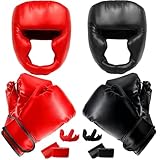
So, you’re getting into boxing, huh? That’s fantastic! Boxing is a great way to get in shape, build confidence, and learn some serious self-defense skills. But before you start throwing punches, there’s one crucial step you absolutely cannot skip: wrapping your hands.
Hand wraps are the unsung heroes of boxing. They protect your hands from injury, absorbing the impact of your punches and providing support to your wrists, knuckles, and the delicate bones in your hand. Ignoring this step is a recipe for disaster. Trust me, I’ve seen it firsthand! This guide will walk you through the entire process, step-by-step, ensuring you wrap your hands correctly and safely every single time.
We’ll cover everything from choosing the right wraps to the proper wrapping technique, so you can focus on what matters most: perfecting your jab, cross, hook, and uppercut.
Why Hand Wraps Are Essential
Before we get into the how-to, let’s talk about the ‘why’. Understanding the importance of hand wraps will make you more committed to using them correctly. Think of your hands as the engine of your boxing. They deliver the power, but they’re also incredibly vulnerable.
Protecting Your Knuckles
Your knuckles are the primary point of impact when you throw a punch. Without proper protection, the force of each punch can lead to bruising, fractures, and long-term damage. Hand wraps create a protective layer over your knuckles, cushioning them and distributing the impact.
Supporting Your Wrists
Your wrists are also susceptible to injury. The repetitive motion of punching can strain the wrist joint, leading to sprains or dislocations. Hand wraps provide crucial support, stabilizing your wrist and preventing excessive movement.
Preventing Other Injuries
Hand wraps also help to protect the smaller bones in your hands, the metacarpals and carpals. They help keep the hand compact, preventing hyperextension of the fingers and thumb. They minimize the risk of sprains and strains to the smaller joints.
Enhancing Punching Power
While primarily for protection, hand wraps can also subtly enhance your punching power. By providing a more solid and stable base for your fist, they allow you to transfer more force into your punches. They ensure your fist remains a tightly packed unit, which allows for better power transfer.
Choosing the Right Hand Wraps
Not all hand wraps are created equal. Choosing the right ones is the first step toward effective hand protection. Here’s what you need to know:
Material Matters
Cotton wraps are the most common and budget-friendly option. They’re breathable and absorbent, making them a good choice for beginners. However, they tend to stretch out over time. Mexican-style wraps are a blend of cotton and elastic, offering more support and a snugger fit. They’re preferred by many experienced boxers. They offer more elasticity and conform to the hand better. Hybrid wraps offer the best of both worlds, using a combination of materials.
Length and Width
Hand wraps come in different lengths, typically ranging from 120 inches to 180 inches. For most adults, 180-inch wraps are the standard and provide ample coverage. Shorter wraps might be suitable for children or those with smaller hands. The width is generally standard, but it’s important to choose wraps that are not too thick, as they can make it difficult to fit your gloves.
Closure Type
Most hand wraps have a Velcro closure for easy fastening. Some wraps might also have a thumb loop to secure the wrap at the start. Make sure the Velcro is strong and reliable, so your wraps stay in place during your workout or sparring session.
Durability and Washability
Look for hand wraps that are made from durable materials that can withstand repeated use. Also, consider how easy they are to wash. You’ll want to wash your wraps regularly to prevent the build-up of sweat and bacteria. Machine-washable wraps are a convenient choice. (See Also: Are Muay Thai Gloves The Same As Boxing Gloves )
Step-by-Step Hand Wrapping Guide
Now, let’s get into the main event: wrapping your hands. Follow these steps carefully to ensure a secure and protective wrap.
Step 1: Prepare Your Wraps
First, wash your hands and make sure they are completely dry. This helps prevent the wraps from slipping. Unroll the wrap and identify the loop for your thumb. The loop goes around your thumb.
Step 2: Securing the Thumb
Place the loop over your thumb, ensuring it fits snugly but doesn’t cut off circulation. Then, wrap the hand wrap around your wrist several times, securing the base of the wrap. This creates a solid foundation.
Step 3: Wrapping the Wrist
Wrap the hand wrap around your wrist several times. This is the foundation of your hand wrap and will provide the wrist support. This should be a comfortable but firm wrap. The wraps should provide support, not restrict motion.
Step 4: Wrapping the Knuckles
Move the wrap across the back of your hand to your knuckles. Start by wrapping around your knuckles. Wrap around your knuckles several times, going back and forth to build a protective layer. This is where you’ll want to focus the most support. Make sure the knuckles are well padded.
Step 5: Wrapping Between Fingers
Wrap the hand wrap around the base of your thumb and then between your fingers. This helps to secure the wrap and provides additional support. This also prevents the wrap from moving too much when punching. Focus on the area around the knuckles.
Step 6: Wrapping the Hand and Wrist
Continue to wrap the wrap around your hand, crisscrossing over your knuckles and back to your wrist. This provides support and keeps everything in place. The goal is to create a snug, supportive fit, not a tourniquet. Ensure you do not restrict blood flow.
Step 7: Securing the Wrap
Once you’ve wrapped your hand, secure the Velcro closure around your wrist. Make sure the wrap is snug but not too tight. You should be able to make a fist comfortably, and your wrist should have good support.
Step 8: Checking the Fit
Make a fist and check the fit. Your knuckles should be well-protected, your wrist should be stable, and you should be able to move your hand freely. If anything feels uncomfortable or restricted, adjust the wrap.
Common Mistakes to Avoid
Even experienced boxers make mistakes. Here are some common pitfalls to avoid:
- Wrapping too tightly: Restricting blood flow can lead to numbness and discomfort.
- Wrapping too loosely: This can lead to inadequate protection and the wraps coming undone.
- Neglecting the wrist: Proper wrist support is crucial for preventing injuries.
- Not covering the knuckles adequately: Your knuckles are the primary impact area.
- Using old or worn-out wraps: Replace wraps regularly to ensure they provide adequate protection.
- Skipping the thumb loop: This step secures the wrap in the correct position.
Tips for Optimal Hand Wrapping
Here are some extra tips to help you get the most out of your hand wraps:
- Practice makes perfect: The more you wrap your hands, the better you’ll become at it.
- Experiment with different techniques: There are variations in wrapping styles; find what works best for you.
- Wash your wraps regularly: This helps to prevent bacterial buildup and keeps them fresh.
- Consider using knuckle protectors: For extra protection, especially if you have sensitive knuckles.
- Don’t share wraps: This can spread bacteria and other infections.
- Take your time: Don’t rush the wrapping process. It’s better to take a few extra moments to get it right.
Hand Wrap Variations
While the basic hand-wrapping technique is the foundation, there are a few variations you can consider. These variations can offer slightly different levels of protection or support, depending on your needs and preferences. (See Also: Can You Wrestle In Boxing Shoes )
The ‘boxer’s Knot’
This technique involves creating a knot over the knuckles for added protection. It’s a good choice for those who want extra padding in the impact area. This technique involves wrapping the hand in a specific pattern to create a knot over the knuckles.
The ‘mma Wrap’
This style of wrapping focuses on providing a balance between protection and flexibility, allowing for grappling movements. It typically involves less wrapping around the fingers and more focus on the knuckles and wrist. This is ideal for MMA fighters who need to be able to make a fist, but also grapple.
The ‘modified Wrap’
This is a custom wrapping style that can be adapted to your needs. You can adjust the amount of wrapping on your knuckles, wrist, and fingers. This allows you to personalize your wraps and address any areas of weakness.
Hand Wrap Maintenance
Taking care of your hand wraps is essential to prolong their lifespan and ensure they continue to provide adequate protection. Following these simple maintenance tips will keep your wraps in top condition.
Washing Your Wraps
After each workout or sparring session, wash your hand wraps. The best way to wash your wraps is to hand wash them with mild soap and warm water. Avoid using harsh detergents or bleach, as these can damage the fabric. After washing, rinse the wraps thoroughly and hang them to air dry. Do not put them in the dryer, as this can shrink or damage the fabric.
Inspecting Your Wraps
Regularly inspect your hand wraps for signs of wear and tear, such as fraying, tears, or stretching. If you notice any damage, replace the wraps immediately. Damaged wraps will not provide adequate protection.
Storing Your Wraps
When you’re not using your hand wraps, store them in a cool, dry place. Avoid storing them in direct sunlight or in a damp environment. Consider using a mesh bag to store your wraps, which will allow them to air out and prevent the build-up of moisture and odors. This will help them stay in good condition.
Replacing Your Wraps
Even with proper care, hand wraps will eventually wear out. Replace your hand wraps every few months, or more frequently if you train or spar regularly. This will ensure that your hands are always adequately protected.
Hand Wraps vs. Boxing Gloves
Hand wraps and boxing gloves work together to protect your hands, but they serve different purposes. Understanding the distinction between the two is crucial for safe and effective training.
Hand Wraps
Hand wraps provide the first layer of protection, focusing on cushioning your knuckles, supporting your wrists, and keeping your hand bones in the correct alignment. They are worn under the boxing gloves.
Boxing Gloves
Boxing gloves provide additional padding and protection, absorbing the impact of your punches. They also protect your sparring partner. Boxing gloves are worn over the hand wraps.
Here’s a simple table summarizing the key differences: (See Also: Is Everlast Good Boxing Gloves )
| Feature | Hand Wraps | Boxing Gloves |
|---|---|---|
| Purpose | Protect hand bones, knuckles, and wrists | Absorb impact and protect your sparring partner |
| Location | Worn under boxing gloves | Worn over hand wraps |
| Material | Cotton, Mexican-style, or hybrid | Leather or synthetic materials with padding |
Hand Wraps for Different Training Types
The type of hand wraps you choose and how you wrap them can also depend on your training style. Here’s a breakdown:
For Bag Work
For heavy bag work, you’ll want wraps that provide maximum knuckle protection and wrist support. Focus on creating a thick, padded layer over your knuckles and ensuring a snug fit around your wrist. Consider using Mexican-style wraps for their superior support. Make sure your wraps are secure and will not come loose during training.
For Sparring
When sparring, protection is paramount. Follow the standard wrapping technique, paying close attention to wrist support and knuckle padding. The hand wraps should be secure, but not too tight. Make sure you can still make a good fist. This will help protect both you and your sparring partner.
For Fitness Boxing
If you’re using boxing for fitness, a good balance of protection and comfort is key. Choose wraps that are easy to apply and provide adequate support for your wrists and knuckles. Cotton wraps are a good starting point. Comfort is more important than in hard sparring.
For Competition
Competition hand wrapping is often dictated by the rules of the governing body. Always check the specific requirements before a fight. Your coach or a professional cutman will typically handle hand wrapping for competition to meet the required standards.
Troubleshooting Common Hand Wrapping Issues
Even with practice, you might encounter some issues. Here’s how to troubleshoot them:
Wrap Slipping
If your wraps are slipping during training, it usually means they’re not wrapped tightly enough or the Velcro closure is not secure. Make sure you’re wrapping firmly, especially around your wrist, and that the Velcro is properly fastened. Using a thumb loop can help secure the wrap.
Knuckle Pain
If you experience knuckle pain, it might indicate that you’re not wrapping your knuckles thickly enough. Try adding more layers over your knuckles. You might also consider using knuckle protectors for extra padding.
Wrist Pain
Wrist pain suggests inadequate wrist support. Ensure you’re wrapping your wrist firmly and creating a solid base. If the pain persists, consult a medical professional.
Wrap Too Tight
If your hand feels numb or your circulation is cut off, the wraps are too tight. Loosen the wraps slightly, especially around your wrist. You should be able to make a fist and move your hand freely. The wraps should be firm but not constricting.
Final Thoughts
Wrapping your hands correctly is a fundamental skill for any boxer. It’s the first line of defense against injury and a crucial step in preparing for training. By following the steps outlined in this guide and taking the time to practice, you can ensure your hands are well-protected and ready to deliver powerful punches. Remember to choose the right wraps, wrap them securely, and always prioritize your safety. With proper hand wrapping, you can confidently step into the ring or hit the heavy bag, knowing you’re doing everything you can to protect your most valuable assets. Don’t underestimate the importance of this step; it’s a small investment that pays off in the long run.
So, get out there, wrap your hands, and start your boxing journey with confidence! Remember to consistently practice your wrapping technique to improve your speed and efficiency. Proper hand wrapping is a skill you’ll hone with practice, and it will become second nature in no time. Consistent practice is vital to ensure you wrap your hands correctly and safely every time. Happy training!