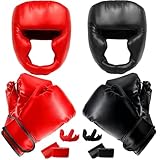
Boxing is a demanding sport, and protecting your hands is absolutely critical. Before you even think about putting on those boxing gloves, you need to wrap your hands properly. This isn’t just a formality; it’s a vital step to prevent injuries like sprains, fractures, and cuts. A good hand wrap provides support to your wrists, knuckles, and the bones in your hand, absorbing the impact from punches.
In this comprehensive guide, we’ll walk you through the entire hand-wrapping process, breaking it down into easy-to-follow steps. We’ll focus on technique, ensuring you understand the ‘why’ behind each movement. I’ll also share some tips and tricks I’ve learned over years of training and teaching. We will explore the method in slow motion. Ready to learn?
What You’ll Need
Before we begin, let’s gather your supplies. You won’t need much, but having the right gear is important.
- Hand Wraps: These are the fabric strips that protect your hands. They come in various lengths, typically ranging from 120 inches to 180 inches. Beginners often find the 180-inch wraps easier to work with, as they provide more coverage. Choose a wrap made of a breathable material, like cotton or a cotton blend, to wick away moisture.
- Boxing Gloves: You’ll need your boxing gloves to ensure the wraps fit properly.
- Scissors (Optional): For trimming loose threads if needed.
Step-by-Step Hand Wrapping: The Slow-Motion Guide
Now, let’s get into the step-by-step process. I’ll break it down into manageable chunks, explaining each movement in detail.
Step 1: Preparing the Wrap
First, unroll the hand wrap completely. You’ll notice a loop on one end. This loop is designed to go over your thumb. Make sure the Velcro closure is facing upwards and away from your hand. This will make it easier to secure the wrap later.
Why this matters: The thumb loop ensures a secure starting point, and the Velcro placement prevents it from interfering with your punching.
Step 2: Securing the Thumb
Place the loop over your thumb, ensuring it fits snugly but isn’t too tight. Begin wrapping the hand wrap around the back of your wrist. Make two or three passes around your wrist for a solid base of support. This is the foundation of your hand wrap, providing crucial stability.
Why this matters: A well-secured wrist prevents sprains and hyperextension, reducing the risk of injury.
Step 3: Wrapping the Wrist
After securing your wrist, move the wrap towards the back of your hand. Wrap the hand wrap across the back of your hand, then bring it down towards your palm, going between your thumb and index finger. Repeat this process two or three times. This adds extra support to the wrist and the base of your hand. (See Also: Are Muay Thai Gloves The Same As Boxing Gloves )
Why this matters: This section protects the delicate bones of your wrist and palm, where many injuries occur during boxing.
Step 4: Wrapping the Knuckles
Next, focus on your knuckles. Bring the wrap across the back of your hand towards your knuckles. Then, wrap the hand wrap around your knuckles, making sure to cover them completely. Make at least three passes over your knuckles. This is where most of the impact from punches is absorbed, so adequate protection is essential. Ensure the wrap isn’t too tight, as this can restrict blood flow.
Why this matters: Knuckle protection is paramount. This prevents cuts, bruises, and fractures.
Step 5: Wrapping Between the Fingers
After wrapping your knuckles, move on to the area between your fingers. Bring the hand wrap across your palm and between your fingers, starting with your pinky and ring finger. Then, bring the wrap back across your palm and between your ring and middle finger. Continue this pattern between the middle and index finger. This adds extra support and helps prevent the fingers from bending backward during a punch. If you have particularly long fingers, you might need to adjust the number of passes.
Why this matters: This reinforces the structure of your hand, reducing the risk of finger injuries.
Step 6: Completing the Knuckle Wrap
Once you’ve wrapped between your fingers, return to your knuckles. Make one or two more passes around your knuckles to reinforce the protection. Ensure the wrap covers the entire knuckle area without being overly bulky.
Why this matters: This provides a final layer of protection to your most vulnerable area.
Step 7: Returning to the Wrist
Now, bring the wrap back toward your wrist. Wrap the hand wrap across the back of your hand and then down towards your wrist. Make several passes around your wrist, securing the wrap. Ensure the wrap is firm and supportive but doesn’t cut off circulation. (See Also: Can You Wrestle In Boxing Shoes )
Why this matters: This completes the circuit, reinforcing the wrist support and securing the entire wrap.
Step 8: Securing the Wrap
Finally, use the Velcro closure to secure the hand wrap around your wrist. Make sure the wrap is snug and comfortable. Adjust the Velcro until you feel the right level of support. If the wrap feels too loose, tighten it; if it feels too tight, loosen it.
Why this matters: A secure closure ensures the wrap stays in place during training or a fight.
Step 9: Checking Your Hand Wraps
Once the wraps are on, make a fist and practice a few punches. Ensure your hand feels supported and comfortable. The wraps should provide a solid base for your knuckles and wrists. Check for any areas that feel too tight or loose. If adjustments are needed, make them now.
Why this matters: This ensures the wraps are effective and won’t hinder your performance or cause discomfort.
Common Mistakes to Avoid
Even experienced boxers can make mistakes. Here are some common errors to steer clear of:
- Wrapping too tightly: This can restrict blood flow and cause discomfort. It can also make your hands feel numb.
- Wrapping too loosely: This won’t provide adequate support, increasing the risk of injury.
- Forgetting knuckle protection: This is a recipe for injury.
- Neglecting wrist support: Weak wrist support can lead to sprains.
- Using old or worn-out wraps: Replace wraps regularly to maintain their effectiveness.
- Skipping steps: Each step is designed to protect your hands fully.
Advanced Techniques and Variations
Once you’ve mastered the basic wrap, you can explore some advanced techniques:
- The ‘Mexican Wrap’: This style involves more padding over the knuckles, often used by professional boxers. It typically involves wrapping the knuckles multiple times and creating a ‘pillow’ of padding.
- Different wrap patterns: Experiment with different patterns to find what works best for your hand shape and preference.
- Using knuckle guards: Some boxers use gel or foam knuckle guards for extra protection.
Hand Wrap Maintenance
Proper care of your hand wraps is essential to extend their lifespan and maintain hygiene. Here’s how to do it: (See Also: Is Everlast Good Boxing Gloves )
- Washing: Wash your hand wraps after each use. Use mild soap and cold water. Avoid hot water, as it can damage the wraps.
- Drying: Air dry your hand wraps. Avoid using a dryer, as the heat can shrink the fabric.
- Storage: Store your hand wraps in a well-ventilated area to prevent mildew and odors.
- Inspection: Regularly inspect your hand wraps for tears, fraying, or wear. Replace them when needed.
Troubleshooting Common Issues
Sometimes, things don’t go as planned. Here are some common problems and solutions:
- Wrap feels too bulky: Adjust the tightness and reduce the number of passes over the knuckles.
- Wrap feels too loose: Tighten the Velcro or add an extra pass around the wrist.
- Wrap slides during training: Ensure the Velcro is securely fastened, and try different wrapping patterns.
- Hand feels numb: Loosen the wrap slightly.
How to Choose the Right Hand Wraps
The type of hand wraps you choose can impact comfort and protection. Here are some factors to consider:
| Factor | Considerations |
|---|---|
| Material | Cotton or a cotton blend is generally preferred for breathability and comfort. Some wraps are made with a slight stretch for a better fit. |
| Length | 120-inch wraps are good for kids or those with smaller hands, 180-inch wraps are the most common and versatile, and longer wraps (e.g., 210 inches) offer more coverage. |
| Closure | Velcro closures are standard and easy to use. Ensure the Velcro is strong and durable. |
| Thickness | Thicker wraps offer more padding, but can also make your gloves feel tighter. |
| Durability | Look for wraps with reinforced stitching and durable materials. |
Practicing with Gloves
Once your hand wraps are on, it’s time to put on your boxing gloves. Make sure the gloves fit comfortably over your wrapped hands. They should be snug but not too tight. A good fit is essential for both comfort and performance.
Why this matters: Your wraps and gloves work together to provide complete hand protection.
Hand Wrapping for Different Boxing Styles
The way you wrap your hands can be slightly adjusted based on your boxing style:
- For power punchers: Focus on extra knuckle and wrist support.
- For technical boxers: Ensure a balance of support and flexibility.
- For sparring: Prioritize knuckle protection.
The Benefits of Hand Wrapping
Hand wrapping offers several benefits:
- Injury prevention: Reduces the risk of sprains, fractures, and cuts.
- Enhanced performance: Provides support and stability, allowing for more powerful and accurate punches.
- Improved comfort: Absorbs sweat and prevents chafing inside the gloves.
- Increased confidence: Knowing your hands are protected allows you to focus on your technique.
Final Thoughts
Wrapping your hands for boxing is a critical skill for any boxer. By following these steps and understanding the ‘why’ behind each movement, you can protect your hands and improve your performance. Remember to practice regularly, experiment with different techniques, and always prioritize safety. With practice, hand wrapping will become second nature, and you’ll be able to wrap your hands quickly and effectively, ready to step into the ring or hit the heavy bag.
Regular practice of this essential skill will ensure you’re well-protected and ready to train or compete. Don’t underestimate the power of a well-wrapped hand. It’s the foundation of a safe and successful boxing journey. Now, go wrap those hands and start punching!