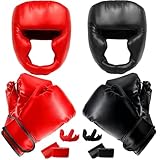
So, you’re getting into boxing, or maybe you’re just looking to protect your hands better? Excellent choice! Wrapping your hands is a non-negotiable part of boxing, whether you’re hitting the heavy bag, sparring, or competing. It’s the crucial link between your fists and the impact, safeguarding your knuckles, wrists, and the small bones in your hand.
Ignoring this step is a recipe for injury, trust me. I’ve seen it firsthand, and believe me, you don’t want to spend weeks sidelined with a hand injury. Boxing is a fantastic workout and a great sport, but it can be brutal on your hands. This guide will walk you through the process of wrapping your hands like a pro, ensuring you’re ready to train safely and effectively. We’ll cover everything from the equipment you need to the step-by-step instructions for the most common wrapping techniques.
Let’s get started and learn how to wrap boxing gloves properly so you can focus on what matters most: improving your skills and enjoying the sport.
What You’ll Need
Before you start, you’ll need a few essential items. Fortunately, the list is pretty short and inexpensive, making this accessible to everyone, from the casual gym-goer to the aspiring professional boxer. (See Also: Are Muay Thai Gloves The Same As Boxing Gloves )
- Hand wraps: These are the most crucial part. They come in various materials, lengths, and styles. The standard length is usually between 120 and 180 inches. I recommend starting with 180-inch wraps for maximum protection and coverage. Cotton wraps are the most common and affordable option, while some athletes prefer wraps made from a blend of materials for added durability and a more secure fit.
- Boxing gloves: You’ll need your boxing gloves, of course! Make sure they fit your hands well. Different sizes are available, so try them on and make sure you have enough space for your wrapped hands.
- Scissors (optional): Sometimes, you might need to trim loose threads from your hand wraps.
Choosing the Right Hand Wraps
As mentioned, hand wraps come in various materials. Let’s break down the options:
- Cotton wraps: These are the most popular and budget-friendly. They’re absorbent and provide good protection. They tend to stretch a bit, which can be helpful for a comfortable fit.
- Mexican-style wraps: These are a blend of cotton and elastic, offering more support and a tighter fit. They’re known for their extra padding and are a favorite among many boxers. They stretch more than cotton wraps and offer superior hand and wrist support.
- Hybrid wraps: These combine different materials to offer specific benefits. For example, some might have a moisture-wicking component for better sweat management.
When selecting hand wraps, consider these factors:
- Length: As stated, longer wraps (180 inches) provide more coverage and protection.
- Material: Cotton is a good starting point, while Mexican-style wraps offer enhanced support.
- Durability: Look for wraps with reinforced stitching to withstand repeated use.
- Closure: Most wraps have a hook-and-loop closure (Velcro) for easy fastening. Make sure the closure is secure.
Step-by-Step Hand Wrapping Guide: The Standard Method
Here’s the most common and effective method for wrapping your hands. Follow these steps carefully, and you’ll be on your way to protecting your hands like a pro. (See Also: Can You Wrestle In Boxing Shoes )
- Prepare the Wrap: Start by identifying the loop on the wrap. This loop goes over your thumb. Unravel the wrap completely to ensure there are no tangles.
- Anchor the Thumb: Place the loop over your thumb, with the wrap running down the back of your hand.
- Wrap the Wrist: Begin wrapping around your wrist several times. This is crucial for wrist support. Overlap each wrap slightly to create a secure base. Aim for 3-4 wraps.
- Wrap the Knuckles: Bring the wrap across the back of your hand and then down over your knuckles. Wrap around your knuckles 2-3 times, providing padding and protection.
- Wrap Between Fingers: Now, wrap around the base of your thumb and then around your hand, between your fingers. This helps to secure the wrap and offer better protection for your knuckles.
- Wrap the Hand: Continue wrapping your hand, covering the knuckles and the back of your hand. Make sure to overlap the wraps slightly for added support.
- Wrap the Wrist Again: Return to the wrist, wrapping it again for added support.
- Secure the Wrap: Fasten the Velcro closure securely. The wrap should be snug but not too tight. You should still be able to make a fist comfortably.
- Repeat for the Other Hand: Repeat these steps for your other hand.
Alternative Wrapping Techniques
While the standard method is the most common, there are other techniques you can try. These variations can offer slightly different levels of protection and support, or they might suit your hand shape better.
The ‘boxer’s Knot’
This technique focuses on enhanced knuckle protection.
- Follow steps 1-3 of the standard method (thumb loop, wrist wraps).
- Wrap across the knuckles 2-3 times.
- Wrap between your fingers and then back over your knuckles, creating a figure-eight pattern.
- Continue wrapping your hand and wrist as in the standard method.
The ‘mma Wrap’
This technique is popular in Mixed Martial Arts, where fighters often need more hand mobility. (See Also: Is Everlast Good Boxing Gloves )
- Follow steps 1-3 of the standard method (thumb loop, wrist wraps).
- Wrap across the knuckles 1-2 times.
- Wrap around the hand, between the fingers and across the knuckles.
- Continue wrapping your hand and wrist, leaving the fingers relatively free.
Troubleshooting Common Issues
Even with the best instructions, you might encounter some issues. Here’s how to address them:
- Wrap too tight: If your hands feel numb or tingly, the wrap is too tight. Loosen the wrap slightly.
- Wrap too loose: If the wrap feels loose and doesn’t provide enough support, rewrap your hands, making sure to apply more tension.
- Wrap sliding: Ensure the Velcro closure is secure and that you’re overlapping the wraps correctly.
- Wrap bunching: Avoid bunching by pulling the wrap taut as you go.
Tips for Optimal Hand Wrapping
- Practice: The more you wrap your hands, the better you’ll become. Practice until it becomes second nature.
- Adjust to your hand shape: Everyone’s hands are different. Experiment with the different techniques to find what works best for you.
- Wash your wraps regularly: Hand wraps absorb sweat and can harbor bacteria. Wash them after each use or at least every few times.
- Inspect your wraps: Check your wraps for tears or fraying. Replace them when they show signs of wear.
- Don’t over-wrap: While protection is important, over-wrapping can restrict movement and blood flow.
- Use a hand wrap guide: Consider using a hand wrap guide (a small piece of material that goes over your knuckles) for extra protection.
Caring for Your Hand Wraps
Proper care will extend the life of your hand wraps and keep them hygienic.
- Washing: Hand wash or machine wash your wraps in cold water. Avoid hot water, as it can shrink the material.
- Drying: Air dry your wraps. Avoid putting them in the dryer, as the heat can damage them.
- Storage: Store your wraps in a well-ventilated area to prevent mildew.
- Odor control: To prevent odors, consider using a hand wrap deodorizer or spraying them with a disinfectant.
Hand Wrap Materials Comparison Table
| Material | Pros | Cons |
|---|---|---|
| Cotton | Affordable, absorbent, readily available | Less supportive, may stretch |
| Mexican-Style | More supportive, tighter fit, extra padding | Can be more expensive, may require more practice to wrap |
| Hybrid | Combines the benefits of different materials | Varies depending on the specific materials used |
When to Replace Your Hand Wraps
Hand wraps, like any piece of equipment, don’t last forever. Here’s when to replace them:
- Tears or fraying: Any significant damage compromises their protective ability.
- Loss of elasticity: If the wraps no longer provide adequate support.
- Excessive wear: If the wraps are worn thin, they won’t offer sufficient padding.
- Persistent odor: Even after washing, a persistent odor can indicate the presence of bacteria and the need for replacement.
Final Thoughts
Wrapping your hands correctly is a fundamental skill in boxing and other combat sports. It’s a small investment of time that pays off handsomely in terms of injury prevention and performance. By following these steps and practicing regularly, you’ll be able to wrap your hands like a pro, ensuring you’re ready to train and compete safely and effectively. Remember to choose the right wraps, practice your technique, and take care of your wraps to maximize their lifespan and protection.
So, get out there, wrap those hands, and enjoy the sport! You’re now equipped with the knowledge to protect your most valuable assets: your hands. Proper hand wrapping is not just about protecting yourself; it’s about respecting the sport and ensuring you can continue to train and improve. Now go put on those gloves and get to work!