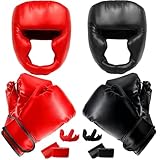
Alright, future pugilists and fitness enthusiasts! Ready to step into the ring, or at least the boxing gym? Before you start throwing haymakers, there’s a crucial piece of equipment that often gets overlooked: hand wraps. These aren’t just an accessory; they’re your primary defense against injury. Think of them as the foundation of your boxing protection, the armor beneath your gloves.
Wearing hand wraps correctly is non-negotiable. It’s the difference between a productive training session and a trip to the doctor for a sprained wrist or worse. This guide will walk you through everything you need to know, from selecting the right wraps to mastering the perfect wrapping technique. We’ll cover the ‘why’ and the ‘how,’ ensuring you’re well-equipped to keep your hands safe and your boxing journey on track.
So, let’s get started and make sure you’re protecting those money-makers, shall we?
Why Hand Wraps Are Absolutely Essential
Before we get into the nitty-gritty of wrapping, let’s talk about why this is so important. Boxing, by its very nature, subjects your hands to immense stress. Repeated impacts, even with gloves on, can lead to a variety of injuries if your hands aren’t properly supported. Hand wraps serve several critical functions:
- Protecting the Bones: Your hands are made up of numerous small bones (carpals, metacarpals, and phalanges). Wraps help to hold these bones together, reducing the risk of fractures and dislocations when you punch.
- Supporting the Wrist: The wrist is a vulnerable joint. Hand wraps provide crucial support, stabilizing the wrist and preventing hyperextension or twisting during impact.
- Cushioning the Knuckles: Wraps add an extra layer of padding over your knuckles, absorbing some of the force from punches and minimizing the risk of cuts and abrasions.
- Absorbing Sweat: They wick away sweat, keeping your gloves drier and extending their lifespan. Sweaty gloves can also lead to blisters and skin irritation.
Choosing the Right Hand Wraps
Not all hand wraps are created equal. You need to choose the right ones to get the best protection and comfort. Here’s what to look for:
Material Matters:
- Cotton Wraps: These are the most common and generally the most affordable. They’re breathable and absorbent, making them a good choice for beginners and regular training. However, they might not offer as much support as some other options.
- Semi-Elastic Wraps: These wraps incorporate some elastic fibers, providing a bit more stretch and support. They contour better to your hand and wrist, offering a snugger fit. They’re often preferred by those who want a good balance of support and flexibility.
- Mexican-Style Wraps: Considered by many to be the gold standard, Mexican-style wraps are a blend of cotton and elastic. They offer excellent support, a comfortable fit, and are durable. They’re a favorite among experienced boxers and those who train intensely. They tend to be a bit longer than other wraps.
Length and Width:
Hand wraps come in various lengths, typically ranging from 120 inches to 180 inches. The length you choose depends on your hand size, the wrapping style you prefer, and the amount of protection you want. A longer wrap provides more layers of protection. A good starting point for most adults is 180 inches.
Width is less critical, but most wraps are around 2 inches wide, which is a good standard. (See Also: Are Muay Thai Gloves The Same As Boxing Gloves )
Features to Consider:
- Thumb Loop: This loop secures the wrap at the base of your thumb, making it easier to start the wrapping process.
- Velcro Closure: This ensures a secure and adjustable fit.
- Washability: Look for wraps that are machine washable for easy care.
Step-by-Step Guide: How to Wrap Your Hands
Now, let’s get down to the practical part. Here’s a detailed, step-by-step guide to wrapping your hands for boxing. This method is a widely used and effective technique. Remember, practice makes perfect. It might take a few tries to get it right, but don’t get discouraged. With a little practice, you’ll be wrapping like a pro.
What You’ll Need:
- A pair of hand wraps (180 inches is recommended for adults)
Step-by-Step Instructions:
- Prepare the Wrap: Make sure the velcro closure is undone. Hold the wrap with the thumb loop facing up.
- Insert Thumb: Place your thumb through the thumb loop. Position the wrap so it runs along the back of your hand.
- Wrap the Wrist: Start by wrapping the wrap around your wrist 2-3 times. This is the foundation of your support, so make it snug, but not too tight that it cuts off circulation. The wrap should sit comfortably, providing support without restricting movement.
- Wrap the Knuckles: Bring the wrap across the back of your hand, down towards your knuckles. Wrap around your knuckles 2-3 times, providing cushioning. This is where you’ll be making contact with the bag or your opponent, so ensure adequate coverage.
- Wrap Between the Fingers: Bring the wrap down between your fingers, starting with the pinky finger. Wrap around each finger, moving from pinky to index finger, and then back again. This helps to keep your fingers together when you make a fist.
- Wrap the Knuckles (Again): Return to the knuckles and wrap around them another 2-3 times. This reinforces the padding and support.
- Wrap the Wrist (Again): Bring the wrap back to your wrist, wrapping around it 2-3 times to secure everything in place.
- Secure the Wrap: Fasten the velcro closure firmly. Make sure the wrap is snug, but not so tight that it cuts off circulation or makes it difficult to make a fist. Check for any areas that feel loose or unsupported and adjust accordingly.
- Repeat for the Other Hand: Repeat the same process for your other hand.
Important Tips for Wrapping:
- Tension is Key: Apply consistent tension throughout the wrapping process. Not too loose, not too tight.
- Check for Circulation: After wrapping, make a fist and check your hand. You should be able to make a fist comfortably, and your fingers should not feel numb or tingly. If they do, the wrap is too tight.
- Adjust as Needed: Everyone’s hands are different. You may need to adjust the number of wraps around your knuckles or wrist to achieve the best fit and support.
- Practice Regularly: The more you wrap, the better you’ll become. Practice wrapping your hands before each training session to get comfortable with the process.
- Cleanliness: Wash your hand wraps regularly to prevent the build-up of sweat and bacteria. This will also help to extend their lifespan.
Common Mistakes to Avoid
Even experienced boxers can make mistakes when wrapping their hands. Here are some common errors to avoid:
- Wrapping Too Tight: This can restrict blood flow and lead to numbness or even injury.
- Wrapping Too Loose: This won’t provide adequate support or protection.
- Neglecting the Wrist: The wrist is a critical area for support. Make sure you wrap it securely.
- Forgetting the Knuckles: The knuckles are the impact zone. Make sure they are well-padded.
- Not Using the Thumb Loop Properly: The thumb loop is there for a reason; use it to anchor the wrap.
- Not Adjusting the Wrap: Everyone’s hands are different, so you may need to adjust the wrap to fit your hand.
- Not Washing Wraps: Dirty wraps can harbor bacteria and lead to skin infections.
Advanced Wrapping Techniques
Once you’ve mastered the basic wrapping technique, you can explore some more advanced methods to provide extra protection or support.
The ‘boxer’s Fracture’ Wrap:
This technique focuses on providing additional support to the metacarpals, the long bones in your hand. This is especially helpful if you’ve had a previous hand injury or are prone to hand injuries. This wrap typically involves extra layers over the knuckles and along the back of the hand.
The ‘wrist-Lock’ Wrap:
This technique emphasizes wrist support. It involves extra wraps around the wrist to provide maximum stability. This is particularly useful for boxers who have a history of wrist problems or who are engaging in heavy bag work.
These advanced techniques may require more practice and may not be necessary for everyone. However, they can be valuable tools for boxers looking to maximize protection and support. (See Also: Can You Wrestle In Boxing Shoes )
Caring for Your Hand Wraps
Proper care will extend the life of your hand wraps and keep them hygienic.
- Wash After Every Use: Hand wraps should be washed after every training session. This removes sweat, bacteria, and grime.
- Machine Wash: Most hand wraps are machine washable. Use cold water and a mild detergent. Avoid bleach, as it can damage the fabric.
- Air Dry: Air dry your hand wraps. Avoid putting them in the dryer, as the heat can shrink or damage the fabric.
- Use a Mesh Laundry Bag: Place your hand wraps in a mesh laundry bag before washing. This helps to prevent them from getting tangled or snagged.
- Odor Control: To combat odors, you can add a cup of white vinegar to the wash cycle. You can also spray your wraps with a disinfectant spray after each use.
- Replace When Worn: Hand wraps will eventually wear out. Replace them when they start to fray, lose their elasticity, or no longer provide adequate support.
Troubleshooting Common Issues
Even when following all the instructions, you might encounter some issues. Here’s how to address them:
- Wrap Slipping: If your wraps are slipping during training, try wrapping them a little tighter or using a different wrapping technique. Ensure the velcro closure is securely fastened.
- Hand Numbness: If your hand feels numb, the wrap is too tight. Loosen the wrap slightly and check your circulation.
- Blisters: If you’re getting blisters, make sure your wraps are smooth and not bunching up inside your gloves. You might also consider using a thin layer of tape under your wraps for added protection.
- Wrist Pain: If you experience wrist pain, make sure your wrist is wrapped securely. You might need to add more wraps around your wrist or try a different wrapping technique.
- Discomfort: If the wraps feel uncomfortable, adjust them. Experiment with different wrapping techniques to find one that feels most comfortable and supportive for your hands.
Hand Wrap Comparison Table
Here’s a quick comparison table to help you choose the right hand wraps:
| Wrap Type | Material | Pros | Cons | Best For |
|---|---|---|---|---|
| Cotton | Cotton | Affordable, breathable, absorbent | Less support | Beginners, light training |
| Semi-Elastic | Cotton/Elastic blend | Good support, comfortable fit | May stretch out over time | Intermediate boxers, those seeking a balance of support and flexibility |
| Mexican-Style | Cotton/Elastic blend | Excellent support, durable, comfortable | Can be more expensive, longer length | Experienced boxers, intense training |
Beyond the Basics: Hand Wraps and Glove Fit
The fit of your gloves is also crucial. Hand wraps add bulk to your hands, so you need to make sure your gloves fit comfortably over them. If your gloves are too tight, they can restrict blood flow and make it difficult to make a fist, defeating the purpose of the wraps. When buying gloves, try them on with your hand wraps to ensure a proper fit. You might need to go up a size or two to accommodate the wraps.
Also, consider the type of gloves you’re using. Bag gloves, sparring gloves, and competition gloves often have different designs and padding. Make sure your wraps work well with the type of gloves you’re using. Experiment with different wrapping techniques to find the best combination of wraps and gloves for your needs.
Hand Wraps and Training Intensity
The intensity of your training should also influence your choice of hand wraps and wrapping technique. If you’re doing heavy bag work, sparring, or intense pad work, you’ll need more protection than if you’re just shadowboxing or doing light drills. For intense training, consider using Mexican-style wraps or a more supportive wrapping technique. (See Also: Is Everlast Good Boxing Gloves )
Pay attention to how your hands feel during training. If you’re experiencing any pain or discomfort, adjust your wraps or take a break. It’s always better to err on the side of caution when it comes to hand protection.
Adapting to Your Needs
There’s no single “perfect” way to wrap your hands. The best approach is to experiment with different techniques and find what works best for you. Consider your hand size, the type of training you’re doing, and any previous injuries you may have. Don’t be afraid to adjust the wrapping technique to meet your individual needs.
Talk to your coach or experienced boxers. They can offer valuable insights and help you refine your technique. Watch videos and read articles to learn new techniques and tips. The more you learn and practice, the better you’ll become at wrapping your hands and protecting your hands.
Final Verdict
Wrapping your hands correctly is an essential skill for any boxer, regardless of experience level. By understanding the ‘why’ and ‘how,’ you can significantly reduce your risk of injury and extend your boxing career. Remember to choose the right hand wraps, master the wrapping technique, and practice regularly. With proper hand protection, you’ll be able to train harder, spar longer, and enjoy the sport of boxing to its fullest. Safety first, always!
Regular practice will make the process second nature. Don’t be afraid to experiment with different techniques to find what works best for your hands and your training style. Most importantly, listen to your body and adjust your approach as needed. Now go out there and wrap those hands with confidence!