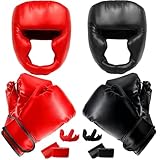
So, you’re ready to step into the ring, or maybe just hit the heavy bag? Fantastic! Boxing is a fantastic workout and a great way to build both physical and mental resilience. But before you start throwing punches, there’s a crucial step many overlook: properly wearing your boxing gloves. Don’t worry; it’s not rocket science, but doing it right is vital for your safety, performance, and the longevity of your equipment. Improperly fitted gloves can lead to injuries like sprains, fractures, and cuts, and can also damage your gloves themselves.
This guide will walk you through everything you need to know about how to wear boxing gloves properly, from selecting the right size and type to the essential hand-wrapping techniques. We’ll cover everything from the basic hand wraps to the proper way to secure your gloves for a secure and comfortable fit. I’ll share some insider tips to ensure your hands are protected and ready to deliver those powerful blows! Let’s get started!
Choosing the Right Boxing Gloves
Before you even think about wrapping your hands, you need the right gloves. This is more than just picking a cool design; the right gloves protect your hands and wrists, and help you perform at your best. There are several factors to consider:
Types of Boxing Gloves
Boxing gloves come in various types, each designed for specific purposes. Understanding these differences will help you choose the right pair for your needs:
- Training Gloves: These are the most common type, designed for general training, including bag work, pad work, and sparring. They typically have more padding than competition gloves.
- Sparring Gloves: Specifically designed for sparring, these gloves usually have more padding, particularly around the knuckles, to protect both you and your sparring partner. They often weigh more than training gloves.
- Competition Gloves: These gloves are used in professional boxing matches. They are designed to be lighter and more compact, allowing for faster punches. They have less padding than training or sparring gloves.
- Bag Gloves: These gloves are specifically designed for heavy bag training. They have less padding than training gloves and are often smaller and more streamlined to provide a more direct feel.
- Hybrid Gloves: Some gloves are designed to be a mix of training and sparring gloves.
Glove Weight
Glove weight is measured in ounces (oz). The weight affects the amount of padding and the overall feel of the glove. The appropriate weight depends on your body weight and the type of training you’ll be doing:
- Beginners: Start with 14 or 16 oz gloves for training and sparring. The extra padding provides more protection.
- Intermediate/Advanced: You might choose 12-16 oz gloves, depending on your weight, training type, and experience level.
- Competition: Typically, competition gloves are 8 or 10 oz.
Here’s a general guideline for glove weight based on body weight: (See Also: Are Muay Thai Gloves The Same As Boxing Gloves )
| Body Weight | Recommended Glove Weight |
|---|---|
| Under 125 lbs | 12 oz |
| 125-150 lbs | 14 oz |
| 150-175 lbs | 16 oz |
| Over 175 lbs | 16-18 oz |
Material
Boxing gloves are typically made from leather or synthetic materials:
- Leather Gloves: Generally more durable and offer a better feel, but they’re usually more expensive. Leather gloves also tend to last longer, especially if you maintain them correctly.
- Synthetic Gloves: Often made of materials like polyurethane (PU) or vinyl. They are more affordable and suitable for beginners, but they may not be as durable as leather.
Sizing
Glove sizing is often based on the weight of the glove, but it’s essential to try them on to ensure a good fit. Your gloves should feel snug but not too tight. You should be able to make a fist comfortably inside the glove.
Buying Tips
- Try Before You Buy: If possible, visit a store and try on different gloves.
- Consider Your Training: Choose gloves that are appropriate for your primary training activities (bag work, sparring, etc.).
- Read Reviews: Research different brands and models to see what other boxers recommend.
- Don’t Skimp on Quality: Investing in a good pair of gloves is investing in your safety and performance.
Essential Gear: Hand Wraps
Hand wraps are absolutely critical. They protect your hands and wrists from injury by compressing the bones and providing support. Think of them as the foundation upon which your gloves rest. Without hand wraps, you’re significantly increasing your risk of sprains, fractures, and other painful injuries. They also help absorb sweat, extending the life of your gloves.
Types of Hand Wraps
There are two primary types of hand wraps:
- Mexican-Style Hand Wraps: These wraps are made from a stretchy material, which provides excellent support and a more secure fit. They are often preferred by experienced boxers.
- Standard Hand Wraps: These wraps are made from a less stretchy material, such as cotton or a cotton blend. They are generally more affordable and easier to use for beginners.
Hand Wrap Length
Hand wraps come in different lengths, typically ranging from 120 inches to 180 inches. The length you need depends on your hand size and the wrapping style you prefer: (See Also: Can You Wrestle In Boxing Shoes )
- Beginners: 120-140 inches may be sufficient, but many prefer longer wraps for added protection.
- Experienced Boxers: 180-inch wraps are the most common, providing more coverage and support.
Hand Wrap Materials
Hand wraps are typically made of cotton, a cotton blend, or a blend with some elastic or stretch. The best material for you depends on your preferences:
- Cotton: Offers good absorption and durability.
- Cotton Blend: A blend with materials like polyester can increase durability and comfort.
- Mexican-Style (Stretchy): Provides excellent support and a secure fit.
Hand Wrap Care
Hand wraps can harbor bacteria and sweat, so it’s essential to care for them properly:
- Wash After Every Use: Hand wraps should be washed after every training session.
- Use a Laundry Bag: Place your wraps in a laundry bag to prevent them from tangling.
- Wash in Cold Water: Use cold water and a mild detergent.
- Air Dry: Avoid using a dryer, as this can damage the wraps.
Step-by-Step Guide: How to Wrap Your Hands
Now, let’s get into the core of the process: wrapping your hands. This is a skill that improves with practice. Don’t worry if it feels awkward at first. With a bit of patience, you’ll be wrapping your hands like a pro.
Materials You’ll Need
- A pair of hand wraps (120-180 inches)
Instructions
- Start with the Loop: Hold the wrap with the loop facing up. Insert your thumb through the loop. This will anchor the wrap.
- Wrap the Wrist: Wrap the wrap around your wrist 3-4 times. This provides essential wrist support. Make sure the wrap is snug but not constricting.
- Wrap the Knuckles: Bring the wrap across the back of your hand to your knuckles. Wrap the knuckles 2-3 times, covering the area where you’ll be making contact. This is crucial for protecting your knuckles.
- Wrap Between the Fingers: Bring the wrap between your fingers, starting with the pinky finger, and then the ring finger, middle finger, and index finger. This secures your fingers and provides additional support.
- Wrap the Hand: Wrap the hand, starting from the base of the thumb across the back of the hand.
- Repeat and Adjust: Repeat the process, ensuring that the wraps are snug but not too tight. Adjust as needed to provide adequate support and coverage.
- Secure the Wrap: Secure the wrap with the Velcro closure. The wrap should feel secure and comfortable, providing support to your wrist and knuckles.
Tips for Perfect Hand Wraps
- Practice: The more you practice, the faster and more efficient you’ll become.
- Adjust as Needed: Don’t be afraid to adjust the wraps as you go.
- Consider Your Hand Size: Adjust the wrapping pattern based on your hand size.
- Watch Tutorials: There are many excellent video tutorials available online that can help you visualize the process.
- Ask for Help: If you’re struggling, ask a coach or experienced boxer for help.
How to Put on Boxing Gloves Properly
Now that your hands are wrapped, it’s time to put on your gloves. This seems simple, but there are a few important steps to ensure a secure and comfortable fit:
Steps
- Loosen the Straps: Open the straps on your gloves. Make sure the Velcro is completely detached.
- Insert Your Hand: Slide your wrapped hand into the glove, ensuring your fingers are positioned correctly.
- Adjust the Glove: Use your other hand to pull the glove onto your hand, making sure it’s snug and comfortable.
- Secure the Straps: Tighten the straps, starting with the wrist strap. Make sure the strap is tight enough to secure the glove but not so tight that it restricts circulation.
- Check the Fit: Make a fist and check the fit of the glove. It should feel secure, with no excessive movement.
Tips for Glove Fit
- Wiggle Your Fingers: Before securing the straps, wiggle your fingers to ensure they have enough room and aren’t cramped.
- Test Your Fist: Make a fist and check that your knuckles align with the padding of the glove.
- Check the Wrist: The wrist strap should provide firm support without restricting movement.
- Ask for Help: If you’re having trouble getting the gloves on, ask a training partner or coach for help.
Maintaining Your Boxing Gloves
Proper care and maintenance will extend the life of your gloves and keep them performing at their best. Here are some key tips: (See Also: Is Everlast Good Boxing Gloves )
- Air Dry After Use: After each training session, allow your gloves to air dry completely. This prevents the buildup of bacteria and odors. Avoid direct sunlight or heat, as this can damage the material.
- Use Glove Deodorizers: Glove deodorizers can help absorb moisture and eliminate odors.
- Clean the Exterior: Wipe down the exterior of your gloves with a damp cloth after each use. For leather gloves, you can use a leather cleaner.
- Store Properly: Store your gloves in a cool, dry place. Avoid storing them in a gym bag, where they can accumulate moisture.
- Check for Wear and Tear: Regularly inspect your gloves for any signs of wear and tear, such as cracks, tears, or loose stitching. Replace your gloves if they are damaged.
- Rotate Gloves: If you train frequently, consider having two pairs of gloves and rotating them. This allows each pair to dry completely between uses.
Common Mistakes to Avoid
Here are some common mistakes to avoid when wearing boxing gloves:
- Wearing Gloves Without Hand Wraps: This is a serious mistake that can lead to injury. Always wear hand wraps.
- Using the Wrong Glove Size: Make sure you have the correct glove size for your weight and training activities.
- Wrapping Your Hands Too Tightly: Overly tight hand wraps can restrict blood flow and movement.
- Neglecting Glove Maintenance: Failing to clean and air dry your gloves can lead to premature wear and tear.
- Ignoring Discomfort: If your gloves or hand wraps feel uncomfortable, adjust them or try a different approach.
Advanced Techniques and Considerations
Once you’ve mastered the basics, you can explore some advanced techniques and considerations:
- Different Wrapping Styles: Experiment with different hand-wrapping styles to find the one that best suits your needs.
- Customized Wraps: Adjust your wrapping technique to accommodate any pre-existing injuries or areas of concern.
- Glove Selection for Sparring: Choose sparring gloves that offer maximum protection for both you and your sparring partner.
- Glove Selection for Competition: Understand the specific regulations for competition gloves.
- Consult a Professional: If you have any concerns about hand protection or glove selection, consult a boxing coach or medical professional.
Verdict
Wearing boxing gloves properly is a fundamental skill that every boxer must master. From choosing the right gloves and hand wraps to the correct wrapping technique and glove fitting, each step plays a crucial role in protecting your hands and wrists. Remember to prioritize safety and take the time to learn and practice these techniques. By following these guidelines, you’ll be well-prepared to train safely, perform at your best, and enjoy the sport of boxing for years to come. Train smart, train safe, and have fun!
Proper hand protection is not only essential for preventing injuries but also for building confidence in your training and sparring sessions. With the right gear and technique, you can focus on improving your skills and enjoying the physical and mental benefits of boxing. Make sure to regularly inspect your gloves and hand wraps for wear and tear, and replace them when necessary. Remember, investing in quality equipment and taking the time to learn proper techniques is an investment in your health and your future as a boxer.