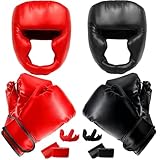
Boxing is a demanding sport, and your equipment takes a beating. Among the most crucial pieces of gear are your boxing gloves. They’re your first line of defense, protecting your hands while also delivering powerful blows. But like all equipment, boxing gloves don’t last forever. Over time, they degrade, losing their protective qualities and potentially putting you at risk of injury. Knowing how to tell if boxing gloves are worn out is essential for your safety and performance.
This guide will walk you through the telltale signs that your gloves are past their prime. We’ll cover everything from the obvious visual cues to the more subtle changes in performance that indicate it’s time for a replacement. We’ll also discuss the importance of proper glove care and maintenance to extend their lifespan. By the end, you’ll be equipped with the knowledge to keep your hands safe and your boxing game strong.
So, let’s get started and ensure you’re always training and competing with the best possible protection.
Visual Inspection: The First Line of Defense
The most immediate way to assess the condition of your boxing gloves is through a thorough visual inspection. This should be a regular part of your gear check before every training session or fight. Here’s what to look for:
Cracks and Tears in the Leather or Synthetic Material
This is perhaps the most obvious sign of wear and tear. Leather and synthetic materials can dry out, especially with repeated sweat exposure and improper care. Look closely for any cracks, tears, or splits in the outer surface of the gloves. These imperfections compromise the glove’s structural integrity, reducing its ability to absorb impact. Even small cracks can worsen over time, expanding and leading to further damage. If you spot significant cracking or tearing, it’s definitely time for a new pair. Consider the material: genuine leather tends to crack with age and dryness, while synthetic materials can peel or delaminate.
Damage to the Stitching
Stitching is what holds your gloves together. Examine the seams carefully. Are there any loose threads, unraveling stitches, or areas where the stitching has come undone? These issues can weaken the glove’s structure and potentially lead to the padding shifting, providing inadequate protection. Pay particular attention to the seams around the knuckles, thumb, and wrist, as these areas experience the most stress during training and sparring.
Worn or Damaged Wrist Straps or Closure Systems
The wrist closure system is critical for providing support and stability to your wrists. Inspect the straps (velcro or lace-up) for fraying, stretching, or damage. Velcro closures can lose their grip over time, making it difficult to secure the gloves properly. Lace-up gloves can have broken laces or worn eyelets. A compromised wrist closure can increase the risk of wrist injuries, so make sure to check this area carefully.
Deformation of the Glove’s Shape
Boxing gloves should maintain a relatively consistent shape. Noticeable changes in shape, such as bulges, depressions, or asymmetry, indicate that the padding is breaking down or shifting. This can lead to uneven impact distribution and reduced protection. Compare the gloves to each other – do they look identical, or does one appear more compressed or misshapen than the other?
Padding Assessment: The Heart of Protection
The padding is the core element of the boxing glove, responsible for absorbing the impact of punches and protecting your hands. The condition of the padding is a critical factor in determining if your gloves are worn out. Here’s how to assess it:
Compression and Loss of Thickness
Over time, the padding in boxing gloves compresses due to repeated impact. This compression reduces the thickness of the padding, diminishing its ability to absorb shock effectively. Compare the thickness of the padding in your gloves to when they were new. If the padding feels significantly thinner, it’s a clear sign that the gloves are losing their protective qualities. You can also compare the padding thickness to other gloves you may own or to the specifications of new gloves.
Uneven Distribution of Padding
The padding should be evenly distributed throughout the glove, especially around the knuckles. If you feel lumps, gaps, or areas where the padding has shifted, it’s a problem. Uneven padding creates inconsistent protection, leaving some areas of your hand more vulnerable to injury. This can happen from the constant impact and the natural movement of the materials inside the glove. Inspect the gloves by feeling them and also by visually checking for any areas where the padding seems to be concentrated in one place or missing altogether.
Hardening or Clumping of the Padding
The padding material, whether it’s foam, gel, or a combination, can harden or clump together over time. This can result in a less compliant and less effective protective layer. Hardened padding doesn’t absorb impact as well, transferring more force to your hands. Clumping can lead to uneven protection and potential injury. Feel the padding with your hands. If it feels stiff, lumpy, or less springy than when new, it’s a sign that the padding has degraded. (See Also: Are Muay Thai Gloves The Same As Boxing Gloves )
Performance Indicators: When Your Gloves Start to Fail
Beyond the visual and physical inspections, pay attention to how your gloves feel and perform during training or sparring. These performance indicators can reveal that your gloves are worn out even if they don’t show obvious signs of damage.
Reduced Impact Absorption
One of the first signs of worn-out gloves is a decrease in their ability to absorb impact. If you start to feel more sting or jarring when hitting the heavy bag or sparring, your gloves may no longer be providing adequate protection. This means more force is being transferred to your hands and wrists, increasing the risk of injury. Pay close attention to how your hands feel after each training session. Increased pain or discomfort is a red flag.
Altered Punching Mechanics
Worn-out gloves can also affect your punching mechanics. If the padding has shifted or compressed, it can change the shape and feel of the glove, making it harder to maintain proper form. You might find yourself compensating for the changes, which can lead to inefficient punches and increased strain on your joints. Pay attention to your technique and whether you feel like you’re having to adjust your punches to compensate for the gloves.
Increased Hand Fatigue
Gloves that are no longer providing adequate protection can cause increased hand fatigue. Your hands will have to work harder to absorb the impact, leading to quicker exhaustion. If you notice that your hands tire more easily during training, it could be a sign that your gloves are no longer doing their job.
Changes in Glove Fit
Over time, the fit of your gloves may change. Padding compression, material degradation, and stretching of the outer materials can all contribute to this. If your gloves feel looser or tighter than they used to, it can affect your performance and comfort. A poor fit can also lead to increased hand movement within the glove, increasing the risk of injury. A proper fit is crucial for optimal protection and performance.
The Importance of Glove Care and Maintenance
Proper care and maintenance can significantly extend the lifespan of your boxing gloves and help them perform at their best for longer. Here are some key steps to follow:
Drying Your Gloves After Each Use
Moisture is the enemy of boxing gloves. After each training session, your gloves will absorb sweat, which can damage the padding and the outer materials. Always air out your gloves after use. Remove them from your gym bag as soon as possible and let them dry in a well-ventilated area, away from direct sunlight or heat. You can also use a glove deodorizer or insert a glove dryer to absorb moisture and prevent odors.
Using Hand Wraps
Hand wraps are essential for protecting your hands and extending the life of your gloves. They provide an extra layer of padding and absorb sweat, preventing it from soaking into the gloves. Always wear hand wraps when training or sparring. Make sure to wrap your hands properly, providing adequate support to your wrists and knuckles.
Cleaning Your Gloves Regularly
Regular cleaning helps to remove sweat, dirt, and bacteria, preventing the gloves from deteriorating. Wipe down the outside of your gloves with a damp cloth after each use. For a more thorough cleaning, you can use a mild soap and water solution. Avoid harsh chemicals or abrasive cleaners, which can damage the materials. Allow the gloves to air dry completely before storing them.
Storing Your Gloves Properly
Proper storage helps to preserve your gloves. Store your gloves in a cool, dry place, away from direct sunlight or heat. Avoid storing them in your gym bag for extended periods, as this can trap moisture and promote bacterial growth. Consider using a glove bag or a breathable storage container to protect your gloves from dust and damage.
Rotating Your Gloves
If you train frequently, consider owning multiple pairs of gloves and rotating them. This gives each pair a chance to dry out completely between uses, extending their lifespan. Rotating your gloves can also help you to assess the wear and tear on each pair more effectively. (See Also: Can You Wrestle In Boxing Shoes )
Material Matters: Understanding Glove Construction
The materials used in the construction of boxing gloves play a significant role in their durability and performance. Understanding the differences between these materials can help you make informed decisions about glove care and replacement.
Leather vs. Synthetic Materials
Leather gloves are often considered the premium option due to their durability and feel. High-quality leather can withstand more wear and tear than synthetic materials. However, leather gloves require more maintenance, such as regular cleaning and conditioning, to prevent them from drying out and cracking. Synthetic gloves are often more affordable and require less maintenance. However, they may not be as durable as leather gloves and can wear out more quickly, especially with heavy use. The choice between leather and synthetic materials often comes down to personal preference, budget, and the frequency of use.
Padding Materials
The padding in boxing gloves typically consists of foam, gel, or a combination of both. Foam padding absorbs impact and provides protection. Gel padding can conform to the shape of your hand, providing a more comfortable fit and enhanced impact absorption. The quality of the padding material affects its durability and ability to maintain its protective properties over time. High-density foam tends to last longer than lower-density foam. Gloves with multiple layers of padding often provide better protection and durability.
Wrist Support Systems
The wrist support system is a key element of glove construction, especially for protecting the wrist from injury. The closure system should provide adequate support and stability to the wrist. Velcro closures are quick and easy to use, providing a secure fit. Lace-up gloves offer a more customized fit and enhanced wrist support. The quality of the wrist support system is crucial for preventing wrist injuries.
Glove Lifespan and Replacement
Knowing when to replace your gloves is crucial for your safety and performance. Consider these factors:
Training Frequency and Intensity
How often you train and how intensely you train significantly impacts the lifespan of your gloves. If you train several times a week, or if you are constantly hitting heavy bags, your gloves will wear out more quickly. Boxers who spar regularly will also put more stress on their gloves. The more you use your gloves, the faster they will degrade. Adjust your replacement schedule based on your training habits.
Type of Training
The type of training you do also affects glove wear. Hitting heavy bags puts more stress on gloves than shadowboxing. Sparring can also cause significant wear and tear. If you only use your gloves for light training, they will likely last longer. However, if you are constantly putting them through intense workouts, you can expect to replace them more frequently.
Signs of Degradation
The visual and performance indicators we discussed earlier are key to determining when it’s time for a replacement. Look for cracks, tears, compression of the padding, and loss of impact absorption. Feel for changes in the glove’s fit and comfort. Any of these signs indicate that your gloves are no longer providing adequate protection.
Recommended Replacement Schedule
There is no one-size-fits-all replacement schedule. However, as a general guideline, consider replacing your gloves every 6-12 months if you train regularly. If you train intensely or spar frequently, you may need to replace them more often. If you only use your gloves occasionally, they may last longer. However, always prioritize your safety and replace your gloves when you notice signs of degradation, regardless of how long you have owned them.
Choosing Replacement Gloves
When it’s time to replace your gloves, take the following steps to ensure you select the right ones for your needs:
Consider Your Training Needs
Choose gloves that are appropriate for your training style. If you primarily hit heavy bags, look for gloves designed for bag work. If you spar regularly, choose sparring gloves, which have more padding. Also, consider the weight of the gloves; heavier gloves offer more protection but can slow you down. (See Also: Is Everlast Good Boxing Gloves )
Assess the Fit
Proper fit is essential for both comfort and protection. Try on different gloves to find a pair that fits snugly without being too tight. Your fingers should not touch the end of the glove. The wrist strap should provide adequate support. Consider trying different brands and sizes to find the best fit for your hand shape.
Read Reviews
Read reviews from other boxers to get insights into the quality and durability of different gloves. Reviews can provide valuable information about the glove’s performance, fit, and lifespan. Look for gloves with positive reviews from reputable sources.
Check the Materials
Choose gloves made from high-quality materials. Leather gloves are generally more durable than synthetic gloves. The padding should be dense and provide adequate protection. Check the stitching and wrist support system for quality construction. Ensure that the materials meet your training needs.
Budget Considerations
Boxing gloves come in a wide range of prices. Set a budget before you start shopping. While you don’t necessarily need to buy the most expensive gloves, make sure to invest in a pair that offers adequate protection and is made from quality materials. Consider the long-term cost, as investing in a durable pair of gloves can save you money in the long run.
Extending Glove Lifespan: Tips and Tricks
Here are some additional tips to maximize the lifespan of your boxing gloves:
Use Glove Deodorizers
Glove deodorizers can absorb moisture and prevent odors. These are especially useful if you sweat heavily. Place the deodorizers inside your gloves after each use.
Use Glove Wraps for Storage
Consider using glove wraps for storage. These wraps can help to maintain the shape of your gloves and absorb moisture when they are not in use.
Avoid Extreme Temperatures
Do not leave your gloves in direct sunlight or in a hot car. This can damage the materials and reduce their lifespan.
Regularly Inspect Your Gloves
Make it a habit to regularly inspect your gloves for signs of wear and tear. This can help you catch problems early and prevent injuries. Check your gloves before each training session.
Conclusion
By understanding the signs of wear and tear, practicing proper care and maintenance, and knowing when to replace your gloves, you can ensure that you are always training and sparring with the best possible protection. Always prioritize your safety, and remember that your gloves are a crucial investment in your boxing career.
Knowing when to retire your boxing gloves is a crucial part of staying safe and performing at your best. From the initial visual check to feeling the impact during training, several indicators signal it’s time for a replacement. Remember, investing in new gloves is an investment in your safety and the longevity of your boxing journey.
Regularly inspect your gloves, maintain them properly, and don’t hesitate to replace them when needed. Doing so will help you avoid injuries and keep you in the ring, focused on your training. Your hands and your performance will thank you.