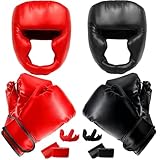
Choosing the right boxing gloves can feel overwhelming, especially if you’re new to the sport. There’s so much to consider, from the weight of the gloves to the type of padding. But getting the size right is absolutely fundamental. Too small, and you risk injury. Too big, and you’ll struggle with technique and power. This guide will walk you through everything you need to know about how to size your boxing gloves, ensuring you have the perfect fit for training and sparring.
We’ll cover the factors that influence sizing, from your hand measurements to the intended use of the gloves. We’ll also look at different glove types and how they impact your choice. By the end, you’ll be confident in selecting gloves that provide both protection and performance.
So, let’s get started and make sure your hands are well-protected and ready to throw some punches!
Understanding Boxing Glove Sizing: Why It Matters
Boxing glove sizing isn’t just about comfort; it’s about safety and performance. The right size glove protects your hands and wrists from injury, allows for proper technique, and helps you maximize your power. A glove that’s too small can lead to broken bones or sprains, while a glove that’s too large can make it difficult to maintain a tight fist and can hinder your ability to block punches effectively.
There are two primary ways boxing gloves are sized: by weight (measured in ounces) and by hand circumference. Both are important, but the weight of the glove is often the more critical factor, especially when considering the type of training you’ll be doing. We’ll delve into both methods in detail.
Sizing by Weight (ounces)
Boxing gloves are primarily categorized by weight, measured in ounces (oz). The weight of a glove refers to the amount of padding it contains. Heavier gloves have more padding, offering greater protection, but they can also slow down your punches. Lighter gloves allow for faster hand speed but provide less protection.
General Guidelines for Glove Weight
Here’s a general guideline to help you choose the right glove weight based on your weight and training goals:
- Beginners: Start with 12 oz or 14 oz gloves. This provides a good balance of protection and versatility for general training.
- Sparring: For sparring, 16 oz gloves are generally recommended. The extra padding helps protect both you and your sparring partner.
- Heavy Bag Work: 12 oz, 14 oz, or 16 oz gloves are all suitable for heavy bag work, depending on your weight and preference.
- Competition: Competition gloves are typically 8 oz or 10 oz, depending on the weight class. These gloves are designed for speed and power, with less padding.
Weight Chart for Boxing Gloves
The following table provides a more detailed guide to glove weights based on body weight. Keep in mind that these are general guidelines, and your personal preference and training goals should also be considered.
| Body Weight | Recommended Glove Weight (Training) | Recommended Glove Weight (Sparring) |
|---|---|---|
| Under 120 lbs (54 kg) | 12 oz | 14 oz |
| 120-150 lbs (54-68 kg) | 14 oz | 16 oz |
| 150-180 lbs (68-82 kg) | 14 oz or 16 oz | 16 oz |
| Over 180 lbs (82 kg) | 16 oz | 16 oz or heavier |
Important Considerations for Weight Selection
Your weight: As you can see, your body weight is the primary factor. Heavier individuals typically need heavier gloves for adequate protection. (See Also: Are Muay Thai Gloves The Same As Boxing Gloves )
Training goals: If you’re primarily focused on heavy bag work, you might prefer lighter gloves (12-14 oz) for speed. However, for sparring, always choose 16 oz gloves to protect yourself and your partner.
Experience level: Beginners often benefit from heavier gloves (14-16 oz) as they provide more padding and protection. More experienced boxers may opt for lighter gloves for speed and agility.
Hand size: While weight is the primary consideration, hand size also plays a role. If you have particularly large hands, you might need a slightly heavier glove to ensure a comfortable fit.
Sizing by Hand Circumference
While glove weight is crucial, measuring your hand circumference is also important for a proper fit. This ensures that the glove isn’t too tight or too loose, which can affect your comfort, performance, and safety. Here’s how to measure your hand circumference:
How to Measure Your Hand Circumference
- Get a flexible measuring tape: You’ll need a soft, flexible measuring tape. If you don’t have one, you can use a piece of string and a ruler.
- Make a fist: Close your hand into a loose fist, as if you were about to punch.
- Wrap the tape: Wrap the measuring tape around the widest part of your hand, which is typically across the knuckles. Make sure the tape is snug but not too tight.
- Note the measurement: Read the measurement in inches or centimeters. This is your hand circumference.
Hand Circumference Chart
Here’s a general guide to help you match your hand circumference to the appropriate glove size. Remember that these are general guidelines, and the actual fit can vary depending on the brand and model of gloves.
| Hand Circumference (Inches) | Recommended Glove Size |
|---|---|
| Under 7 inches | Youth/Small |
| 7-8 inches | Medium |
| 8-9 inches | Large |
| 9 inches and over | XL/XXL |
Important Considerations for Hand Circumference
Brand variations: Glove sizes can vary slightly between different brands. It’s always a good idea to check the brand’s specific size chart before making a purchase.
Glove type: Different types of gloves (bag gloves, sparring gloves, competition gloves) may have slightly different fits. Sparring gloves, in particular, often have a more generous fit to accommodate hand wraps.
Hand wraps: Always wear hand wraps when trying on gloves. Hand wraps add bulk and will affect the fit. Make sure you can comfortably fit your wrapped hand into the glove. (See Also: Can You Wrestle In Boxing Shoes )
Try before you buy (if possible): If you can, try on the gloves before purchasing them. This is the best way to ensure a proper fit.
Different Types of Boxing Gloves and Their Sizing
The type of boxing glove you choose will also influence the sizing. Different gloves are designed for different purposes, and their construction affects how they fit and feel. Here’s a look at the most common types:
Training Gloves
Training gloves are the most versatile type of glove and are suitable for a wide range of activities, including heavy bag work, pad work, and light sparring. They typically come in weights ranging from 12 oz to 16 oz. When sizing training gloves, consider your weight, training goals, and hand circumference. For most training purposes, a 14 oz or 16 oz glove is recommended.
Sparring Gloves
Sparring gloves are specifically designed for sparring and prioritize protection for both you and your partner. They have more padding than training gloves and are typically 16 oz. Always choose 16 oz gloves for sparring, regardless of your weight. This ensures adequate protection and reduces the risk of injury.
Bag Gloves
Bag gloves are designed for heavy bag work and are typically lighter than training gloves, often ranging from 10 oz to 14 oz. They have less padding, allowing for greater hand speed and a more direct feel. When sizing bag gloves, consider your weight and preference. Lighter gloves (10-12 oz) are suitable for speed and technique, while heavier gloves (14 oz) offer more protection.
Competition Gloves
Competition gloves are used in official boxing matches. They are designed for speed and power and have less padding than training or sparring gloves. They are typically 8 oz or 10 oz, depending on the weight class. Competition gloves are regulated by boxing organizations, and the size is determined by the weight class of the fighter.
The Importance of Hand Wraps
Hand wraps are an essential part of boxing, and they play a crucial role in glove sizing. They provide additional protection for your hands and wrists and help absorb sweat. Always wear hand wraps when trying on and using your boxing gloves.
How Hand Wraps Affect Glove Fit
Hand wraps add bulk to your hands, so you need to account for this when sizing your gloves. Make sure you can comfortably fit your wrapped hand into the glove without feeling too tight. If the gloves feel too tight with hand wraps, you may need to go up a size or choose a different glove model. (See Also: Is Everlast Good Boxing Gloves )
Types of Hand Wraps
There are two main types of hand wraps: Mexican-style and standard hand wraps. Mexican-style wraps are longer and more elastic, providing a more secure and supportive fit. Standard wraps are typically less elastic and easier to apply. Choose the type of hand wrap that you find most comfortable and effective.
Wrapping Your Hands Properly
Properly wrapping your hands is crucial for protection and comfort. There are many different techniques for wrapping your hands, so experiment to find what works best for you. Ensure that your knuckles, wrists, and the base of your thumb are well-protected. YouTube tutorials are a great resource for learning how to wrap your hands effectively.
Common Mistakes to Avoid When Sizing Boxing Gloves
Here are some common mistakes to avoid when sizing your boxing gloves:
- Not wearing hand wraps: Always wear hand wraps when trying on gloves.
- Choosing gloves that are too small: This can lead to injury.
- Choosing gloves that are too large: This can hinder your technique and reduce your power.
- Ignoring your weight: Your weight is a primary factor in determining the appropriate glove weight.
- Not considering your training goals: The type of training you’ll be doing will influence your glove choice.
- Not checking the brand’s size chart: Glove sizes can vary between brands.
Caring for Your Boxing Gloves
Proper care will extend the life of your boxing gloves and help maintain their performance. Here are some tips:
- Air them out after each use: Remove your gloves from your bag and let them air dry to prevent the buildup of bacteria and odors.
- Use a glove deodorizer: Consider using a glove deodorizer or spray to absorb moisture and eliminate odors.
- Wipe them down: After training, wipe down the exterior of your gloves with a damp cloth to remove sweat and dirt.
- Store them properly: Store your gloves in a cool, dry place away from direct sunlight.
- Consider using a glove dryer: For faster drying and to prevent mold/mildew, consider a glove dryer.
Where to Buy Boxing Gloves
Boxing gloves are available at a variety of retailers, both online and in physical stores. Here are some options:
- Specialty boxing stores: These stores typically have a wide selection of gloves and knowledgeable staff who can help you choose the right size and model.
- Sporting goods stores: Major sporting goods stores often carry a selection of boxing gloves.
- Online retailers: Amazon, eBay, and other online retailers offer a vast selection of gloves at competitive prices. Be sure to read reviews and check the brand’s size chart before purchasing online.
- Brand websites: Many boxing glove manufacturers have their own websites where you can purchase gloves directly.
Final Thoughts
Finding the right boxing glove size is crucial for safety, performance, and enjoyment of the sport. By considering your weight, hand circumference, training goals, and the type of glove, you can make an informed decision. Remember to always wear hand wraps, and try on the gloves if possible before purchasing. With the right gloves, you’ll be able to train and spar with confidence and protect your hands from injury.
Choosing the correct boxing glove size is a vital aspect of your training regimen. By understanding the importance of glove weight and hand circumference, you can select gloves that provide the necessary protection and support for your hands. Always prioritize safety by using hand wraps and ensuring a comfortable fit. Consider the type of training you’ll be doing and the specific needs of sparring or competition when making your final decision.
Remember to consult size charts, and if possible, try on gloves before purchasing. By following these guidelines, you’ll be well-equipped to choose the right boxing gloves, allowing you to focus on developing your skills and enjoying the sport. Taking the time to find the perfect fit will help prevent injuries and maximize your performance in the ring or during your training sessions.
Ultimately, the right boxing gloves will enhance your experience, allowing you to train harder, spar safely, and reach your full potential as a boxer. Proper sizing and care will ensure that your gloves last and continue to protect your hands for years to come.