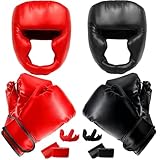
So, your little one is showing an interest in boxing? That’s fantastic! Boxing is a brilliant sport for kids, offering a great workout, building discipline, and boosting confidence. But before you let them step into the ring, you’ll need the right gear. And the most crucial piece of equipment? Boxing gloves, of course! But how do you choose the right size?
It’s not as simple as grabbing the smallest pair you can find. A glove that’s too big can hinder their technique and even pose a safety risk, while one that’s too small will be uncomfortable and could lead to injury. This guide will walk you through everything you need to know about how to size boxing gloves for kids, ensuring they’re safe, comfortable, and ready to learn the sweet science.
We’ll cover the factors to consider, how to measure, and provide some helpful tips to make the process easy. Let’s get started and make sure your young boxer is well-equipped for success!
Understanding the Importance of Proper Boxing Glove Sizing for Kids
Choosing the correct size boxing gloves for kids is about more than just comfort; it’s about safety and performance. Ill-fitting gloves can lead to a host of problems that can impact their training, their enjoyment of the sport, and even their long-term health. Let’s explore why sizing matters so much.
Safety First: Protecting Those Tiny Hands
Children’s hands are still developing, and their bones are more susceptible to injury than those of adults. Boxing involves repetitive impacts, and without proper protection, these impacts can lead to fractures, sprains, and other injuries. The right-sized gloves provide adequate padding and support to absorb the force of punches, minimizing the risk of harm. Gloves that are too large can shift around, reducing protection, while gloves that are too small can compress the hand, leading to pain and potentially causing damage.
Enhancing Technique and Performance
Properly sized gloves allow young boxers to develop correct technique. Gloves that are too bulky or heavy can make it difficult to maintain the proper hand position, leading to inefficient punches and poor form. This can hinder their progress and potentially lead to bad habits that are hard to break. Conversely, gloves that fit well allow for a greater range of motion and a more natural feel, enabling them to focus on technique and power development. A good fit will help them learn the fundamentals of boxing with greater ease and precision.
Comfort and Motivation
Let’s be honest: boxing gloves aren’t exactly known for their comfort, but a well-fitting pair makes a world of difference. Ill-fitting gloves can be incredibly uncomfortable, leading to blisters, chafing, and general frustration. This discomfort can quickly discourage a child from training and enjoying the sport. Comfortable gloves allow them to focus on learning and having fun, keeping them motivated and engaged. Happy boxers are more likely to stick with the sport and reap its many benefits.
Preventing Long-Term Issues
Repeated use of improperly sized gloves can potentially contribute to long-term issues like carpal tunnel syndrome or other hand and wrist problems. While these are less common in children, the risk is still present. Correct sizing ensures that the hand and wrist are properly aligned and supported, reducing the likelihood of developing these types of problems later in life. Investing in the right size gloves is an investment in their long-term health and well-being.
Factors to Consider When Sizing Boxing Gloves for Kids
Several factors play a role in determining the correct boxing glove size for a child. It’s not just about age or weight; you need to consider the child’s hand size, the type of training they’ll be doing, and the style of glove. Here’s a breakdown of the key elements to keep in mind.
Hand Size: The Foundation of Fit
The most crucial factor is, without a doubt, the child’s hand size. This determines the overall fit and comfort of the glove. To measure a child’s hand, you’ll need a measuring tape. Here’s how:
- Measure the length: Extend the child’s hand flat, with fingers together. Measure from the tip of the longest finger (usually the middle finger) to the base of the palm, where the hand meets the wrist.
- Measure the width: Wrap the measuring tape around the widest part of the hand, just below the knuckles, excluding the thumb.
These measurements will give you a good starting point for selecting the right size glove. Remember that hand sizes can vary, so it’s always best to try the gloves on, if possible.
Weight of the Child: A General Guideline
While hand size is the primary factor, a child’s weight can also provide a general guideline. Heavier children may require slightly larger gloves, as they may have more powerful punches. However, this is just a rough estimate, and hand size should still be the deciding factor. Use the weight as a secondary check, not the primary determinant. (See Also: Are Muay Thai Gloves The Same As Boxing Gloves )
Type of Training: Bag Work vs. Sparring
The intended use of the gloves will also influence the size and weight you choose. Different activities require different levels of protection and padding.
- Bag Work: For training on heavy bags or focus mitts, you’ll typically want gloves that offer good padding and support. The weight can vary, but generally, lighter weights are suitable for younger children.
- Sparring: If the child will be sparring, safety is paramount. You’ll need gloves with ample padding to protect both the child and their sparring partner. Sparring gloves are often heavier than bag gloves, providing more protection.
Always prioritize safety, especially when sparring.
Glove Style and Brand: Variations in Fit
Boxing gloves come in various styles and from different brands, and each may have its own sizing and fit characteristics. Some gloves are designed with a more snug fit, while others offer more room. Some brands might run larger or smaller than others. Always check the brand’s sizing chart and read reviews from other parents before making a purchase. Trying on the gloves, if possible, is always the best way to ensure a good fit.
How to Measure a Child’s Hand for Boxing Gloves
Accurate hand measurement is essential for finding the right size boxing gloves. Follow these simple steps to measure your child’s hand correctly:
Gather Your Supplies
You’ll need a few basic items:
- A flexible measuring tape (cloth or vinyl is best)
- A pen or pencil
- A piece of paper
Measure the Length
- Have the child extend their hand flat, with fingers together.
- Place the measuring tape at the base of the palm, where the hand meets the wrist.
- Extend the tape along the palm to the tip of the longest finger (usually the middle finger).
- Record the measurement in inches or centimeters.
Measure the Width
- Wrap the measuring tape around the widest part of the hand, just below the knuckles.
- Make sure the tape is snug but not too tight.
- Exclude the thumb from the measurement.
- Record the measurement in inches or centimeters.
Record Your Measurements
Write down both the length and width measurements. These numbers will be used to consult the glove sizing chart. Accurate measurements are the key to finding the right fit.
Boxing Glove Sizing Charts for Kids
Sizing charts vary depending on the brand, but they generally provide guidelines based on hand measurements and sometimes age and weight. Here’s a general example, but always refer to the specific sizing chart provided by the manufacturer of the gloves you’re considering.
General Boxing Glove Sizing Chart (example)
This table is an example. Always consult the specific brand’s sizing chart.
| Glove Size (oz) | Age (Approximate) | Hand Length (Inches) | Hand Width (Inches) | Weight (lbs) |
|---|---|---|---|---|
| 4 oz | Under 7 | Up to 5 | Up to 2.5 | Under 60 |
| 6 oz | 7-9 | 5-6 | 2.5-3 | 60-80 |
| 8 oz | 10-12 | 6-7 | 3-3.5 | 80-100 |
| 10 oz | 13+ | 7+ | 3.5+ | 100+ |
Important Note: This chart is a general guide. Always check the manufacturer’s sizing chart for the specific gloves you are purchasing. Hand measurements are more accurate than age or weight.
Choosing the Right Glove Weight (ounces)
Boxing gloves are often categorized by their weight, measured in ounces (oz). The weight of the glove affects the amount of padding and protection it provides. Here’s a breakdown of what to consider when choosing the right weight for your child:
Oz Gloves
These gloves are typically suitable for very young children, often under the age of 7, who are just starting to learn the basics. They offer minimal padding and are designed for light training and coordination exercises. Focus on technique and light bag work with these. (See Also: Can You Wrestle In Boxing Shoes )
Oz Gloves
These gloves are a common choice for children aged 7-9. They offer a bit more padding than 4 oz gloves, providing better protection for light bag work and pad drills. They’re a good balance of protection and maneuverability. Ideal for children starting to develop their skills and power.
Oz Gloves
Often recommended for children aged 10-12, 8 oz gloves offer a significant increase in padding and protection. They are suitable for more intense bag work and light sparring. A good choice for children who are becoming more serious about boxing.
Oz Gloves
These gloves are generally used by older children and teenagers (13+). They provide a high level of protection and are suitable for sparring and advanced training. Ensure your child has the necessary strength and technique before using these.
Tips for Trying on Boxing Gloves and Ensuring a Good Fit
Once you’ve measured your child’s hand and consulted the sizing chart, it’s time to try on the gloves. Here are some tips to ensure a good fit:
Use Hand Wraps
Always have your child wear hand wraps when trying on gloves. Hand wraps provide an extra layer of protection and bulk, and they are essential for safe training. The gloves should fit comfortably over the wraps.
Check the Finger Compartment
Make sure the fingers fit comfortably in the finger compartment. They shouldn’t be crammed or too loose. The tips of the fingers should reach the end of the compartment, but not be pressing against the end. A good fit will allow for natural hand movement.
Assess the Wrist Support
The wrist area should provide good support. The gloves should fit snugly around the wrist, with the Velcro strap providing a secure closure. Adequate wrist support is crucial for preventing injuries.
Test the Punch
Have the child make a fist and practice throwing a few punches. The gloves should not feel restrictive or bulky. They should allow for a natural range of motion and a comfortable feel. The punch should feel smooth and powerful.
Check for Slippage
Ensure that the gloves don’t slip or slide around on the hand during punching. This indicates that the gloves are too large. Slippage compromises protection and can lead to injury.
Where to Buy Boxing Gloves for Kids
You have several options for purchasing boxing gloves for kids:
Local Sporting Goods Stores
Pros: You can try on the gloves, get personalized advice from staff, and often support local businesses. Cons: Selection may be limited, and prices might be higher than online retailers. (See Also: Is Everlast Good Boxing Gloves )
Online Retailers (amazon, Etc.)
Pros: Wide selection, competitive prices, and convenient shopping. Cons: You can’t try on the gloves before buying, so you must carefully check sizing charts and read reviews. Returns can sometimes be a hassle.
Specialty Boxing Equipment Stores
Pros: Expert advice, high-quality products, and a focus on boxing gear. Cons: May be more expensive, and the stores may not be available everywhere.
Used Equipment
Pros: Affordable option. Cons: Quality may vary, and you might not know the history of the gloves. Inspect thoroughly before purchasing.
Caring for and Maintaining Boxing Gloves
Proper care and maintenance will extend the life of your child’s boxing gloves and help maintain their performance and hygiene. Here are some essential tips:
Air Them Out After Use
Always air out the gloves after each training session. Remove the hand wraps and leave the gloves in a well-ventilated area to dry. This helps prevent the build-up of moisture, which can lead to bacteria growth and odors.
Use Glove Deodorizers
Consider using glove deodorizers or inserts to absorb moisture and eliminate odors. These are readily available at most sporting goods stores. This helps keep the gloves fresh and hygienic.
Clean the Gloves Regularly
Wipe down the gloves with a damp cloth after each use to remove sweat and dirt. For more thorough cleaning, you can use a mild soap and water solution. Avoid harsh chemicals that can damage the gloves.
Store Gloves Properly
Store the gloves in a cool, dry place. Avoid storing them in direct sunlight or extreme temperatures. Proper storage extends the lifespan of the gloves.
Inspect for Damage
Regularly inspect the gloves for any signs of wear and tear, such as rips, tears, or loose stitching. Repair any damage promptly or replace the gloves if necessary. Regular inspections ensure safety and performance.
Verdict
Choosing the right size boxing gloves for kids is a crucial step in ensuring their safety, comfort, and enjoyment of the sport. By understanding the factors that influence sizing, taking accurate measurements, and following the tips provided in this guide, you can confidently select the perfect pair of gloves for your young boxer. Remember to prioritize hand size and the type of training when making your selection. Don’t forget that trying on the gloves with hand wraps is the best way to ensure a good fit. With the right gear and a focus on proper technique, your child can safely and successfully pursue their boxing journey. Happy training!