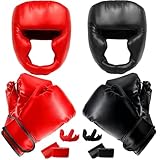
Choosing the right boxing gloves is like picking the perfect pair of shoes – it’s crucial for your performance, safety, and overall enjoyment of the sport. Whether you’re a seasoned pro or just starting your boxing journey, the size of your gloves plays a significant role in protecting your hands and wrists, allowing you to train effectively, and even preventing injuries. But with so many options available, figuring out the right size can feel overwhelming. Don’t worry, though! I’m here to guide you through the process, breaking down everything you need to know to select the perfect pair of boxing gloves.
We’ll cover the different types of gloves, how to measure your hands, the importance of weight, and the factors that influence your decision. By the end of this guide, you’ll be confident in selecting the ideal boxing gloves for your needs and training style. So, let’s get started and ensure your hands are well-protected and ready to deliver those powerful punches!
Understanding Boxing Glove Types
Before we jump into sizing, it’s essential to understand the different types of boxing gloves available. Each type is designed for a specific purpose, and knowing the differences will help you choose the right gloves for your training and sparring needs.
Training Gloves
Training gloves are the workhorses of boxing. They’re designed for general training, including heavy bag work, pad work, and sparring. They offer a balance of protection and durability, making them suitable for various training activities. Training gloves typically have more padding than competition gloves, providing better shock absorption. They come in various weights, typically ranging from 12oz to 16oz, depending on your weight and training requirements.
Sparring Gloves
Sparring gloves are specifically designed for sparring sessions. They prioritize safety to protect both you and your sparring partner. Sparring gloves usually have more padding in the knuckle area and a softer, more forgiving design. They are generally heavier than training gloves to further reduce impact and minimize the risk of injury. Common weights for sparring gloves are 14oz, 16oz, and sometimes even 18oz.
Competition Gloves
Competition gloves are used during actual boxing matches. They are designed to meet specific regulations set by boxing organizations. Competition gloves typically have less padding than training and sparring gloves, allowing for more powerful punches. They are often made of high-quality leather and are usually lighter than training gloves, typically ranging from 8oz to 10oz, depending on the weight class. These gloves are not ideal for general training because they offer less protection.
Bag Gloves
Bag gloves are specifically designed for heavy bag work. They are often lighter and more compact than training gloves, allowing for a more natural hand position and better feedback from the bag. Bag gloves typically have less padding than training gloves, focusing on providing a direct feel for the impact. They are not recommended for sparring or other training activities due to the limited protection they offer. Bag gloves are generally 10oz-12oz.
Hybrid Gloves
Hybrid gloves aim to combine the features of different glove types, such as training and sparring gloves. These gloves offer versatility, making them suitable for various training activities. They often feature a balance of protection and performance, making them a good option for those who want a single pair of gloves for different purposes. However, they may not excel in any specific area compared to specialized gloves.
How to Measure Your Hand for Boxing Gloves
Accurately measuring your hand is crucial for determining the right boxing glove size. Here’s how to do it: (See Also: Are Muay Thai Gloves The Same As Boxing Gloves )
- Measure Your Hand Circumference: Use a flexible measuring tape to measure the circumference of your hand. Wrap the tape around your knuckles, making sure to keep your fingers together and your hand relatively flat. Don’t include your thumb in the measurement.
- Measure Your Hand Length: Measure from the tip of your longest finger (usually the middle finger) to the base of your palm.
- Consider Hand Wraps: Remember to account for the thickness of hand wraps. Hand wraps add bulk to your hand, so you may need to go up a size or two, particularly with sparring or training gloves. Always wear hand wraps when trying on gloves.
Important Note: Measuring your hand is only one part of the process. Glove sizes are often based on weight (ounces), so it’s important to understand how weight affects glove selection.
Boxing Glove Weight: Understanding Ounces (oz)
Boxing gloves are typically measured in ounces (oz), which refers to the weight of the glove. The weight of the glove significantly impacts the protection it provides and the intensity of your training. Here’s a breakdown of how glove weight affects your choice:
Weight and Protection
Heavier gloves offer more padding and, therefore, more protection for your hands and your sparring partner. They absorb more impact, reducing the risk of injury, especially during sparring. This added padding makes them ideal for beginners and those prioritizing safety.
Lighter gloves have less padding, allowing for more powerful punches. They provide a more direct feel for the impact, which can be beneficial for developing speed and technique. However, they offer less protection, so they are generally used by experienced boxers or during competition.
Weight and Training
Heavier gloves can make your workouts more challenging. The added weight forces you to work harder, building strength and endurance in your arms and shoulders. This type of training can improve your punching power and stamina.
Lighter gloves allow you to focus on speed and technique. They are often used for speed drills, shadowboxing, and pad work, where precision and agility are key. This type of training is essential for developing quick reflexes and improving your overall boxing performance.
General Weight Guidelines
Here are some general guidelines to help you choose the right glove weight:
- Beginners: Start with 14oz or 16oz gloves for training and sparring. These weights offer good protection while you’re learning the basics.
- Intermediate Boxers: You can use 14oz or 16oz for training and 14oz or 16oz for sparring.
- Advanced Boxers: You can use 16oz or 18oz for sparring.
- Competition: Competition gloves typically range from 8oz to 10oz, depending on the weight class.
Remember that these are just general guidelines, and the best glove weight for you will depend on your individual needs, training goals, and the type of training you’re doing. (See Also: Can You Wrestle In Boxing Shoes )
Sizing Charts: A Practical Guide
Boxing glove sizing can be confusing, but sizing charts are a great starting point. Here are some common sizing charts, but remember that sizing can vary between brands. Always check the brand’s specific sizing chart before purchasing.
General Boxing Glove Size Chart (for Training Gloves)
This chart is a general guideline. Always consult the manufacturer’s size chart for precise measurements.
| Hand Circumference | Glove Size (oz) |
|---|---|
| Under 7 inches | 10oz |
| 7-8 inches | 12oz |
| 8-9 inches | 14oz |
| 9-10 inches | 16oz |
| Over 10 inches | 18oz |
Youth Boxing Glove Size Chart
For youth boxers, the weight of the gloves is based on their weight and age.
| Weight | Age | Glove Size (oz) |
|---|---|---|
| Under 70 lbs | Under 10 | 8oz |
| 70-90 lbs | 10-12 | 10oz |
| 90-120 lbs | 12-14 | 12oz |
Important Note: These charts are a general guide. Always try on gloves if possible, and consult the manufacturer’s size chart for the most accurate fit. Also, wear hand wraps when trying on gloves to ensure the correct fit.
Factors Influencing Your Boxing Glove Size Choice
Several factors beyond hand measurements and weight influence your boxing glove size selection.
Your Weight
Your body weight is a crucial factor in determining the appropriate glove weight. Heavier individuals generally need heavier gloves for adequate protection, while lighter individuals can often use lighter gloves.
Your Experience Level
Beginners should prioritize protection and opt for heavier gloves (14oz or 16oz). Experienced boxers may choose lighter gloves for training and sparring, depending on their goals and training style.
Training Goals
Consider your training goals. If you’re focusing on power and strength, heavier gloves can be beneficial. If you’re prioritizing speed and technique, lighter gloves might be more appropriate. (See Also: Is Everlast Good Boxing Gloves )
Type of Training
The type of training you’ll be doing also influences your glove selection. Sparring requires heavier gloves (14oz, 16oz, or 18oz) for safety. Heavy bag work can be done with training gloves or bag gloves. Competition requires specific glove weights based on the weight class.
Hand Wraps
Always factor in the use of hand wraps. Hand wraps add significant bulk to your hands, so you may need to go up a size or two, especially with training and sparring gloves. Always wear hand wraps when trying on gloves to ensure a proper fit.
Brand Variations
Glove sizing can vary between brands. Always check the manufacturer’s size chart before purchasing, as sizes can differ from brand to brand.
Tips for Choosing the Right Boxing Gloves
Here are some additional tips to help you choose the right boxing gloves:
- Try Before You Buy: Whenever possible, try on gloves before purchasing. This allows you to assess the fit and comfort.
- Wear Hand Wraps: Always wear hand wraps when trying on gloves to ensure a proper fit.
- Consider the Padding: Pay attention to the padding. More padding generally means more protection.
- Check the Wrist Support: Ensure the gloves provide adequate wrist support to prevent injuries.
- Read Reviews: Read reviews from other users to get insights into the glove’s performance and durability.
- Consider the Material: Boxing gloves are made from different materials, such as leather and synthetic materials. Leather gloves are often more durable but may be more expensive. Synthetic gloves can be a good option for beginners.
- Ask for Advice: If you’re unsure, ask a coach or experienced boxer for advice. They can provide valuable insights and recommendations based on your needs.
Maintenance and Care for Your Boxing Gloves
Proper maintenance and care can extend the life of your boxing gloves and keep them in good condition. Here’s how to care for your gloves:
- Air Them Out: After each use, air out your gloves to prevent moisture build-up and odor.
- Use Glove Deodorizers: Use glove deodorizers or anti-odor sprays to eliminate bacteria and control odors.
- Wipe Them Down: Wipe down the gloves after each use with a damp cloth to remove sweat and dirt.
- Store Them Properly: Store your gloves in a cool, dry place away from direct sunlight.
- Avoid Extreme Temperatures: Avoid exposing your gloves to extreme temperatures, which can damage the materials.
- Clean the Exterior: Clean the exterior of your gloves with a mild soap and water solution as needed.
Common Mistakes to Avoid
Here are some common mistakes to avoid when choosing boxing gloves:
- Choosing Gloves Based on Price Alone: While price is a factor, don’t sacrifice quality and protection for a lower price.
- Not Trying Them On: Always try on gloves if possible to ensure a proper fit.
- Ignoring Hand Wraps: Always wear hand wraps when trying on gloves.
- Choosing Too Small Gloves: Gloves that are too small can restrict movement and cause injury.
- Using the Wrong Type of Gloves: Using competition gloves for training or sparring can lead to injury.
- Neglecting Maintenance: Failing to maintain your gloves can shorten their lifespan and make them less effective.
Where to Buy Boxing Gloves
Boxing gloves are available at various retailers, both online and in physical stores. Here are some options:
- Specialty Boxing Stores: These stores offer a wide selection of boxing equipment and knowledgeable staff who can provide expert advice.
- Sporting Goods Stores: Large sporting goods stores often carry a selection of boxing gloves.
- Online Retailers: Online retailers, such as Amazon, offer a vast selection of boxing gloves and often provide customer reviews.
- Brand Websites: Buying directly from the brand’s website can provide access to the latest models and exclusive deals.
When purchasing, compare prices, read reviews, and consider the retailer’s return policy.
Final Thoughts
Selecting the right boxing glove size is a crucial step in ensuring a safe, effective, and enjoyable boxing experience. By understanding the different glove types, measuring your hand accurately, considering glove weight, and factoring in your training goals, you can make an informed decision and select the perfect pair of gloves for your needs. Remember to prioritize safety, comfort, and the overall fit of the gloves. Don’t hesitate to seek advice from coaches or experienced boxers if you’re unsure. With the right gloves, you’ll be well-equipped to train hard, improve your skills, and enjoy the sport of boxing to the fullest.
Properly maintaining your gloves will extend their lifespan and ensure that they continue to protect your hands. By following the tips and guidelines in this article, you can confidently choose the right boxing gloves and take your training to the next level. Now, get out there, wrap up those hands, and start throwing some punches!