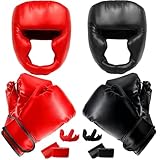
So, you’re ready to step into the ring, or perhaps just hit the heavy bag? Fantastic! Boxing is a phenomenal workout and a challenging sport. But before you start throwing punches, you need the right gear, and at the top of that list are your boxing gloves. Choosing the right pair can make a world of difference, not just in your performance, but also in your safety and comfort. This guide will walk you through everything you need to know about how to select good boxing gloves, from understanding the different types to finding the perfect fit.
I’ve spent years in gyms, both as a participant and an observer, and I’ve seen firsthand how important it is to have the right equipment. Improperly fitted gloves can lead to injuries, hinder your technique, and generally make the whole experience less enjoyable. This isn’t just about throwing a few punches; it’s about protecting your hands, wrists, and your training partners. Let’s get you set up with the knowledge you need to make an informed decision and get you ready to box!
Understanding Boxing Glove Types
Boxing gloves aren’t one-size-fits-all. They’re designed for different purposes, and understanding the variations is the first step in choosing the right pair. Here’s a breakdown of the most common types:
Training Gloves
These are the workhorses of the boxing world. Training gloves are designed for general use, including heavy bag work, pad work, and sparring. They offer a good balance of protection, durability, and versatility. They are generally heavier than competition gloves, with more padding to protect your hands and your sparring partners.
- Weight: Typically range from 12oz to 16oz.
- Padding: Usually made with multiple layers of foam padding for shock absorption.
- Use: Versatile, suitable for all types of training.
Sparring Gloves
Sparring gloves are a subtype of training gloves, specifically designed for sparring sessions. They prioritize the safety of both fighters. They typically have more padding in the knuckles and wrist area. They’re usually heavier than training gloves to reduce impact and prevent injuries during sparring.
- Weight: Usually 16oz or heavier.
- Padding: Extra padding for increased protection.
- Use: Sparring, partner drills.
Bag Gloves
Bag gloves are specifically designed for heavy bag work. They are generally lighter than training gloves, allowing for quicker hand speed. They often have less padding, focusing on the knuckle area. While bag gloves can be used for other training purposes, they are primarily used for striking heavy bags. Bag gloves provide less protection compared to other styles of gloves, so be mindful of your technique and power to avoid injury.
- Weight: Usually 10oz to 14oz.
- Padding: Focused on knuckle protection.
- Use: Heavy bag training.
Competition Gloves
These gloves are used in actual boxing matches. They are designed to meet the regulations of boxing organizations, such as the weight, padding, and lacing. Competition gloves are generally lighter than training gloves, which allows for faster hand speed and more powerful punches. They offer less padding than training gloves, which leads to increased impact and power.
- Weight: Determined by weight class.
- Padding: Meets specific regulations.
- Use: Competitions and official bouts.
Hybrid Gloves
Hybrid gloves try to blend the features of multiple glove types. They might incorporate elements of both training and bag gloves, offering a versatile option for various training activities. These gloves are versatile and can be used for multiple purposes. The padding and weight will vary depending on the specific design.
- Weight: Varies.
- Padding: Varies.
- Use: Versatile, can be used for bag work, pad work, and light sparring.
Choosing the Right Weight
Boxing glove weight is measured in ounces (oz). The weight you choose will significantly impact your training and sparring experience. Here’s a guide to help you select the right weight: (See Also: Are Muay Thai Gloves The Same As Boxing Gloves )
Weight Chart
This table offers general recommendations for selecting your boxing glove weight. The best choice for you may vary depending on your body size, experience, and training goals.
| Glove Type | Weight (oz) | Recommended Use |
|---|---|---|
| Bag Gloves | 10-14 oz | Heavy bag work, speed drills |
| Training Gloves | 12-16 oz | General training, pad work |
| Sparring Gloves | 16 oz or heavier | Sparring |
| Competition Gloves | Varies by weight class | Competitions |
Factors to Consider
Here’s a breakdown of the factors that influence your glove weight selection:
- Your Body Weight: Heavier individuals often benefit from heavier gloves for added protection.
- Your Experience Level: Beginners usually start with heavier gloves (14oz-16oz) for added hand protection and to promote proper technique. As you become more advanced, you can adjust the weight based on the type of training.
- Training Purpose: If you primarily focus on heavy bag work, lighter bag gloves may suffice. For sparring, 16oz gloves are generally recommended.
- Sparring Partners: Always consider the safety of your sparring partners. Heavier gloves reduce impact and are generally preferred for sparring.
- Your Strength: Heavier gloves make you work harder, which can build strength and endurance.
Material Matters: Leather vs. Synthetic
The material of your boxing gloves impacts durability, performance, and overall feel. Let’s compare the two main options:
Leather Gloves
Leather gloves are the gold standard. They offer superior durability, comfort, and performance. However, they come at a higher price point. Leather gloves are known for their exceptional durability and ability to withstand heavy use. They typically last longer than synthetic gloves. The quality of the leather can vary. Premium leather gloves offer a superior feel and performance.
- Durability: Excellent, especially full-grain leather.
- Comfort: Conforms to your hand over time.
- Performance: Superior feel and impact absorption.
- Price: More expensive.
- Maintenance: Requires regular cleaning and conditioning.
Synthetic Gloves
Synthetic gloves, typically made from materials like polyurethane (PU) or faux leather, are a more budget-friendly option. They’re suitable for beginners or those on a budget. Synthetic gloves are more affordable than leather gloves. While they don’t last as long as leather gloves, they still offer decent performance for recreational use. Synthetic gloves can require less maintenance compared to leather.
- Durability: Less durable than leather.
- Comfort: Can be less breathable.
- Performance: Good for beginners.
- Price: More affordable.
- Maintenance: Easier to clean.
Which to Choose?
If you’re serious about boxing and plan to train regularly, leather gloves are the better investment. If you’re a beginner or on a budget, synthetic gloves can be a good starting point. Be sure to consider your training frequency and intensity when making your decision.
Finding the Right Fit
Proper fit is crucial for both comfort and injury prevention. Here’s how to ensure your boxing gloves fit correctly:
Hand Measurement
Measure your hand circumference to determine the correct glove size. Use a flexible measuring tape and wrap it around your knuckles, excluding the thumb. Make sure your hand is flat and fingers are extended. The measurement in inches corresponds to your glove size. (See Also: Can You Wrestle In Boxing Shoes )
Glove Size Chart
Boxing glove sizes are typically measured in ounces (oz) and are related to hand circumference. Here’s a general sizing chart:
| Hand Circumference (inches) | Glove Size (oz) |
|---|---|
| < 7 inches | 10 oz |
| 7-8 inches | 12 oz |
| 8-9 inches | 14 oz |
| 9-10 inches | 16 oz |
Fit Check
When trying on gloves, wear hand wraps. This ensures a more accurate fit and accounts for the additional bulk. Here’s what to look for:
- Snug Fit: The gloves should feel snug but not too tight. You should be able to comfortably make a fist.
- Thumb Alignment: Your thumb should rest comfortably in the thumb compartment.
- Wrist Support: The wrist closure should provide adequate support.
- Padding: The padding should cover your knuckles and protect your hand.
Breaking in Your Gloves
New gloves often feel stiff. Breaking them in will improve their comfort and performance. Here’s how:
- Use Hand Wraps: Always wear hand wraps when using your gloves.
- Start Slowly: Begin with light bag work and gradually increase the intensity.
- Flex Your Hands: Flex your hands and make fists while wearing the gloves to loosen the padding.
- Vary Your Training: Alternate between bag work, pad work, and shadow boxing to help break in the gloves evenly.
Key Features to Consider
Beyond the basics, here are some features to look for when choosing boxing gloves:
Closure System
The closure system affects how securely the gloves fit and how easy they are to put on and take off.
- Lace-up Gloves: Offer the most secure fit but require assistance to put on and take off.
- Hook-and-Loop Gloves (Velcro): Easier to use and adjust, ideal for solo training.
Padding Material
The padding material determines the glove’s shock absorption and protection.
- Foam Padding: Common and provides good impact absorption.
- Gel Padding: Offers enhanced shock absorption and protection.
- Combination Padding: Mixes foam and gel for optimal protection.
Wrist Support
Adequate wrist support is essential for preventing injuries.
- Extended Cuffs: Provide additional wrist support.
- Wraparound Closures: Offer a secure and adjustable fit.
Thumb Protection
Consider gloves with attached thumbs to prevent thumb injuries. Attached thumbs align the thumb properly, reducing the risk of hyperextension and other injuries. (See Also: Is Everlast Good Boxing Gloves )
Ventilation
Good ventilation helps to keep your hands cool and dry, reducing sweat buildup and odors.
- Mesh Panels: Promote airflow.
- Breathable Materials: Enhance ventilation.
Maintenance and Care
Proper care will extend the life of your gloves and keep them in top condition.
Cleaning
After each use, wipe down the gloves with a damp cloth to remove sweat and dirt. For leather gloves, use a leather cleaner. For synthetic gloves, use a mild soap and water solution.
Drying
Allow your gloves to air dry completely after each use. Avoid direct sunlight or heat, which can damage the materials. Stuff the gloves with newspaper or a glove dryer to absorb moisture.
Odor Control
Use a glove deodorizer or spray to eliminate odors. Consider using a glove dryer with UV light to kill bacteria and reduce smells. Store your gloves in a well-ventilated area.
Storage
Store your gloves in a cool, dry place. Avoid storing them in a gym bag or other enclosed space where moisture can accumulate. Use glove bags or covers to protect the gloves from damage.
Top Brands in Boxing Gloves
Several brands are known for their high-quality boxing gloves. These brands consistently deliver reliable performance and durability. Researching different brands can help you find gloves that meet your needs.
- Everlast: A well-known brand with a wide range of gloves for all skill levels. Everlast gloves are a common choice for beginners and offer good value for the price.
- Title Boxing: Title Boxing offers a variety of gloves, including training, sparring, and competition gloves. Title Boxing gloves are known for their quality and durability.
- Winning: Premium gloves known for their exceptional quality and comfort, often preferred by professional boxers. Winning gloves are known for their superior craftsmanship and are a top choice for serious boxers.
- Cleto Reyes: Popular among professional boxers, known for their durable construction and powerful feel. Cleto Reyes gloves are a favorite among professional boxers due to their quality and performance.
- Rival Boxing: Known for innovative designs and high-quality materials, favored by many amateur and professional boxers. Rival Boxing gloves are known for their innovative designs and focus on comfort and protection.
Where to Buy Boxing Gloves
You can purchase boxing gloves from several sources. Consider the convenience, selection, and customer service. Here are some of the most common places to buy boxing gloves:
- Specialty Boxing Stores: Offer a wide selection of gloves and expert advice.
- Sporting Goods Stores: May have a limited selection of gloves from popular brands.
- Online Retailers: Provide a vast selection, competitive prices, and customer reviews.
- Manufacturer Websites: Offer the latest models and direct-from-the-source options.
Final Thoughts
Selecting the right boxing gloves is a crucial step in your boxing journey. By understanding the different types, weights, materials, and features, you can make an informed decision and choose gloves that will protect your hands, enhance your performance, and make your training more enjoyable. Remember to prioritize fit, consider your training goals, and don’t be afraid to invest in quality gloves that will last. With the right gloves, you’ll be well-equipped to step into the ring or hit the heavy bag with confidence. Happy boxing, and stay safe!
Take the time to research different brands and read reviews before making a purchase. Consider your budget and the frequency of your training when choosing between leather and synthetic gloves. Don’t underestimate the importance of proper fit; it’s essential for both comfort and injury prevention. And remember, taking care of your gloves with regular cleaning and maintenance will help them last longer and perform better. Enjoy the process of learning and improving your skills!