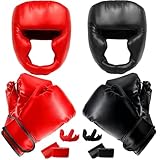
So, you’re ready to step into the ring, or maybe just get a serious workout in. That’s fantastic! But before you start throwing those jabs and crosses, there’s one crucial piece of equipment you absolutely need to get right: your boxing gloves.
Choosing the wrong size can lead to discomfort, reduced performance, and even injury. It’s not just about what looks cool; it’s about function and protection. We’re going to break down exactly how to select boxing gloves size so you can train with confidence and safety.
Why Glove Size Matters More Than You Think
Think of your boxing gloves as your armor and your tool. They protect your hands and wrists from the impact of hitting pads, bags, or even another person. They also protect your training partner. But they also need to fit properly to allow for natural hand movement and to ensure your punches are as effective as possible.
An ill-fitting glove can be too loose, causing your hand to slide around inside, leading to wrist sprains. Too tight, and it’s uncomfortable, potentially restricting blood flow and making it hard to clench your fist properly. This is why understanding how to select boxing gloves size is paramount.
Understanding Glove Sizing: The Ounce System
Boxing glove sizes aren’t measured like your everyday gloves. Instead, they’re measured in ounces (oz). This unit refers to the weight of the glove, which directly correlates to the amount of padding and protection it offers. Generally, the higher the ounce rating, the more padding and the larger the glove.
It’s a common misconception that ounces are a direct measure of hand size. While there’s a correlation (larger gloves often have more padding), the primary function of the ounce rating is to dictate the level of protection. This is why different disciplines and weight classes use different ounce gloves.
Common Glove Ounce Ratings and Their Uses
- 4oz – 6oz: These are typically used for amateur competition, especially for younger fighters or those in lighter weight classes. They offer less padding and are designed for speed and lighter impact.
- 8oz – 10oz: Often used for competition by heavier fighters or for bag work and pad work by those who prioritize speed and feel. They offer a good balance of protection and feedback.
- 12oz – 14oz: This is a popular range for sparring. They provide more padding than smaller gloves, offering better protection for both the puncher and the person receiving the punches. They’re also suitable for general training and mitt work.
- 16oz: The standard for sparring for most adults, especially for those in middle to heavyweight categories. They offer maximum padding and protection, crucial for safe sparring sessions. Many coaches mandate 16oz gloves for sparring to ensure safety.
- 18oz – 20oz: These are the heaviest gloves and are primarily used for heavy bag work, conditioning, and sometimes for very heavy hitters during sparring where maximum protection is needed. They can be quite bulky.
Factors Influencing Your Glove Size Choice
So, how do you translate these ounce ratings into the right size for you? It’s not just about your weight. Several factors come into play:
1. Your Weight and Weight Class
This is often the starting point. Heavier individuals generally need more padding to absorb the impact of their punches, and their training partners need more protection. Conversely, lighter individuals might use lighter gloves for competition. (See Also: Are Muay Thai Gloves The Same As Boxing Gloves )
A general guideline:
- Under 100 lbs: 8oz – 10oz (competition/bag work)
- 100 lbs – 125 lbs: 10oz – 12oz (competition/bag work), 14oz (sparring)
- 125 lbs – 150 lbs: 12oz – 14oz (competition/bag work), 16oz (sparring)
- 150 lbs – 175 lbs: 14oz – 16oz (bag work), 16oz – 18oz (sparring)
- Over 175 lbs: 16oz – 18oz (bag work), 18oz – 20oz (sparring)
Remember, these are just guidelines. Always consult with your coach or a knowledgeable boxing store professional.
2. Your Training Purpose
What will you primarily be using the gloves for? This is a huge factor:
- Bag Work/Pad Work: You might opt for a slightly smaller ounce glove (e.g., 10oz-14oz) to develop hand speed and power, and to get a better feel for the impact. However, if you’re a heavier hitter or prone to hand issues, you might still prefer 16oz for the extra protection.
- Sparring: Safety is paramount here. You’ll want a glove with ample padding to protect both your hands and your opponent. 16oz is the standard for most adult sparring. Some gyms have specific rules, so check with them.
- Competition: This is strictly regulated. Amateur bouts typically use 10oz or 12oz gloves depending on weight. Professional bouts also have specific rules. You cannot just pick any size for a sanctioned fight.
- All-Around Training: If you do a bit of everything, a versatile glove like a 14oz or 16oz is often a good choice. It offers decent protection for light sparring and enough padding for bag work.
3. Hand Size and Wrap Thickness
This is where the ‘fit’ comes in, beyond just the ounce rating. Even within a specific ounce category, different brands and models can fit slightly differently. Some gloves are more ‘slimmer’ or ‘wider’ in the hand compartment.
Your hand size matters. If you have particularly large hands, a glove that feels snug on someone with smaller hands might feel tight on you, even if it’s the correct ounce rating for your weight. Conversely, smaller hands might find a glove feels too roomy.
Hand wraps are essential for proper support and to fill out the glove. They add bulk and protection. You should always wear your hand wraps when trying on gloves to get an accurate sense of the fit. A good fit means you can clench your fist comfortably without the glove feeling constrictive, and your hand doesn’t slide around excessively when you move it.
4. Brand and Model Variations
This is a crucial, often overlooked, aspect of how to select boxing gloves size. Not all brands are created equal, and even within a brand, different models can fit differently. (See Also: Can You Wrestle In Boxing Shoes )
For example, some brands are known for a more generous hand compartment, while others are tighter. Some might have a more curved knuckle area, while others are flatter. This is why trying gloves on in person, if possible, is the gold standard.
If you can’t try them on, do your research! Read reviews, watch video unboxings and reviews that specifically mention fit, and check sizing charts provided by the manufacturer. These charts often give measurements based on hand circumference or length, which can be very helpful.
How to Measure Your Hand for Glove Fit
While ounces are about padding, the actual fit of the glove on your hand is about comfort and security. Here’s a basic way to check:
- Wrap your hand: Put on your hand wraps.
- Clench your fist: Make a tight fist. The glove should allow you to do this comfortably without excessive pressure on your knuckles or fingers.
- Check for room: When your fist is clenched inside the glove, there should be very little to no space between your fingertips and the end of the glove. Your fingers should feel snug but not crammed.
- Wrist security: The wrist strap should be able to secure your wrist firmly without cutting off circulation. Your wrist should feel supported.
- Movement test: Gently move your hand inside the glove. It shouldn’t feel like your hand is swimming around. There might be a tiny bit of movement, but it shouldn’t be so much that you feel your wrist is unprotected.
Pro Tip: When you close your fist inside the glove, your fingernails should ideally not be pressing into the palm of your hand. This indicates the glove might be too short or too tight in the finger area.
Trying Before You Buying: The Ultimate Test
If you have the opportunity, always try gloves on. Visit a reputable boxing equipment store. Bring your hand wraps. Try on different brands and models in the ounce range recommended for your weight and purpose.
Pay attention to:
- Comfort: Does it feel good from the moment you put it on?
- Snugness: Are your fingers snug but not painfully tight?
- Wrist Support: Does the closure system feel secure and supportive?
- Padding Distribution: Does the padding feel evenly distributed, especially around the knuckles?
Don’t be afraid to ask for advice from the store staff. They are usually experienced and can guide you based on your needs. (See Also: Is Everlast Good Boxing Gloves )
Common Mistakes to Avoid When Selecting Gloves
We’ve all seen them – people training in gloves that are clearly not the right size or type for their activity. Here are some common pitfalls to steer clear of:
- Buying the smallest size possible for ‘speed’: While smaller gloves are lighter, sacrificing necessary padding for bag work or sparring can lead to hand injuries. There’s a balance to be struck.
- Using sparring gloves for heavy bag work exclusively: While they offer protection, the excessive padding can sometimes reduce the feedback you get from the bag, which is important for developing proper technique.
- Not accounting for hand wraps: Always try on gloves with your wraps. They make a significant difference to the fit.
- Ignoring brand differences: Assuming all 16oz gloves fit the same is a mistake. Research and try different brands.
- Purchasing based purely on aesthetics: That flashy pair might look great, but if they don’t fit correctly or offer the right protection, they’re not the right gloves for you.
Glove Care for Longevity
Once you’ve found the perfect pair, taking care of them is crucial. This isn’t directly about size selection, but it ensures your investment lasts and continues to provide the protection you need.
Always air your gloves out after each session. Never store them in your gym bag while still damp. Use glove deodorizers or cedar balls to absorb moisture and odor. Wipe them down with a damp cloth regularly. This prevents bacteria buildup and keeps the material in good condition, ensuring they maintain their protective qualities.
Conclusion
Selecting the right boxing glove size is a multi-faceted decision that goes beyond simply picking a number. It requires understanding the ounce system, considering your weight, intended use, and the nuances of fit provided by different brands and models.
Prioritize safety and comfort above all else. Whether you’re a beginner hitting the heavy bag or a seasoned fighter preparing for sparring, the correct glove size is fundamental to protecting your hands and wrists, ensuring optimal performance, and enjoying your journey in boxing.
Choosing the right boxing glove size is a critical step for anyone stepping into the world of boxing or combat sports. It’s not just about protection; it’s about enhancing your performance and ensuring your training is safe and effective.
By understanding the ounce system, considering your weight and training purpose, and paying close attention to the actual fit on your hand with wraps, you can confidently select gloves that feel like an extension of your own body.
Remember to try on gloves whenever possible, research different brands, and consult with experienced individuals. The perfect pair will feel secure, comfortable, and supportive, allowing you to focus on your technique and power without worry.