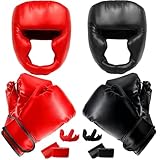
So, you’re ready to step into the ring, or maybe just hit the heavy bag? Fantastic! Before you even think about throwing a punch, there’s a crucial step that often gets overlooked: wrapping your hands. Boxing hand wraps are the unsung heroes of the sport, protecting your precious hands from injury. They’re more than just a piece of fabric; they’re your first line of defense against sprains, fractures, and other nasty surprises.
This guide will walk you through the entire process, step-by-step, ensuring you wrap your hands correctly and safely. We’ll cover everything from the basic materials you’ll need to the different wrapping styles you can use. I’ll share some tips and tricks I’ve learned over the years to help you get the perfect wrap every time. Get ready to learn the art of hand wrapping and protect your most valuable assets!
What You’ll Need
Before we get started, let’s gather the essentials. You won’t get far without these items:
- Boxing Hand Wraps: These are the stars of the show! Choose wraps that are about 120 to 180 inches long. The longer wraps offer more protection and allow for more complex wrapping styles. Consider the material: cotton wraps are the most common and breathable, while some wraps include a blend of elastic for a snugger fit.
- Scissors (Optional): If your wraps have Velcro, you might need scissors to trim any loose threads.
Choosing the Right Hand Wraps
There’s a lot to consider when selecting hand wraps. The right choice can make a big difference in comfort and protection. Here’s a quick guide:
Material Matters
- Cotton Wraps: The classic choice. Cotton is breathable, absorbent, and comfortable. They are usually the most affordable and suitable for beginners.
- Semi-Elastic Wraps: These wraps include some elastic in the blend, offering a tighter, more supportive wrap. They conform to the hand and offer great knuckle protection.
- Mexican-Style Wraps: Often considered the gold standard, these wraps are a blend of cotton and elastic, providing excellent support and a secure fit. They are typically longer than standard wraps and offer superior knuckle and wrist protection.
Length and Size
Hand wraps come in various lengths, typically ranging from 120 to 180 inches. The length you need depends on your hand size, the wrapping style, and personal preference. Generally:
- 120-inch wraps are usually suitable for smaller hands or for those who prefer a less bulky wrap.
- 180-inch wraps are the most common and offer the most comprehensive protection.
Consider Your Training Needs
Think about the type of training you’ll be doing. If you’re primarily hitting the heavy bag, cotton wraps might suffice. If you’re sparring or competing, Mexican-style wraps are a great choice. Consider your training intensity and the level of support you need.
Step-by-Step Guide to Wrapping Your Hands
Now for the main event! Follow these steps to wrap your hands like a pro. This guide covers a common and effective wrapping style. Remember to practice; it might take a few tries to get it perfect. (See Also: Are Muay Thai Gloves The Same As Boxing Gloves )
Step 1: Preparing Your Hand
Before you begin, wash your hands and ensure they are dry. This helps with hygiene and prevents slippage. Make sure to remove any rings or jewelry that might interfere with the wrapping process.
Step 2: The Loop
Unroll the hand wrap completely. Locate the loop (usually a small fabric loop) at one end. Place this loop over your thumb, with the wrap hanging down over the back of your hand. This loop will anchor the wrap.
Step 3: Wrapping the Wrist
Wrap the hand wrap around your wrist several times. Start with a few snug wraps, ensuring the wrap is secure but not too tight. The wrist support is crucial for preventing injuries. Overlap each wrap slightly to create a secure base. Aim for 3-4 wraps around the wrist for adequate support.
Step 4: Wrapping the Knuckles
Bring the wrap across the back of your hand, moving towards your knuckles. Wrap the hand wrap over your knuckles, ensuring the wrap covers the entire area. This area is the most vulnerable and needs the most protection. Overlap each layer for maximum protection. Aim for 2-3 layers over the knuckles for good protection.
Step 5: Wrapping Between the Fingers
Bring the wrap down between your fingers. Pass the wrap between your pinky and ring finger, then around your hand. Repeat this process between the ring and middle finger, and then between the middle and index finger. This creates a supportive base for your fingers and adds structure to the wrap. Make sure the wrap isn’t too tight, or it will restrict movement.
Step 6: Returning to the Knuckles
After wrapping between the fingers, bring the wrap back up to the knuckles, reinforcing the protection. Wrap the hand wrap over your knuckles again, overlapping the previous layers for added support. This step is crucial for shock absorption. (See Also: Can You Wrestle In Boxing Shoes )
Step 7: Finalizing the Wrist and Hand
Return to the wrist and finish wrapping. Make sure to cover any exposed areas. Secure the wrap with the Velcro closure. Ensure the wrap is snug but does not cut off circulation.
Step 8: Checking the Fit
Make a fist and move your hand around to check the fit. You should feel secure and supported, but your movement should not be restricted. If the wrap feels too tight or too loose, adjust accordingly.
Common Mistakes to Avoid
Even experienced boxers make mistakes. Here are some common pitfalls and how to avoid them:
- Wrapping Too Tight: This can restrict circulation and cause discomfort. The wrap should be snug, but not constricting.
- Wrapping Too Loose: This leaves your hands vulnerable to injury. The wrap needs to be secure enough to provide support.
- Forgetting the Knuckles: The knuckles are the most important area to protect. Always ensure they are adequately covered.
- Neglecting Wrist Support: Wrist injuries are common in boxing. Make sure to provide ample support to your wrists.
- Not Practicing: Hand wrapping takes practice. Don’t get discouraged if it doesn’t feel perfect the first time.
Advanced Wrapping Techniques
Once you’ve mastered the basic wrap, you can explore more advanced techniques. These techniques offer enhanced protection and support.
The ‘boxer’s Wrap’
This style emphasizes knuckle protection and wrist support. It often uses more layers over the knuckles and offers a very secure fit.
The ‘mma Wrap’
This wrap is designed for mixed martial arts. It typically covers the knuckles and wrists while leaving the fingers free for grappling. (See Also: Is Everlast Good Boxing Gloves )
The ‘thumb Wrap’
This style provides additional support to the thumb, which is prone to injury. It involves wrapping the thumb separately.
Caring for Your Hand Wraps
Proper care will extend the life of your wraps and keep them clean and hygienic. Here are some tips:
- Wash After Every Use: Hand wraps absorb sweat and can harbor bacteria. Wash them after every training session.
- Use a Washing Bag: Place your wraps in a mesh laundry bag to prevent tangling and damage.
- Wash in Cold Water: Use cold water to prevent shrinking and fading.
- Air Dry: Do not put your hand wraps in the dryer. Allow them to air dry completely.
- Replace Regularly: Even with proper care, hand wraps wear out. Replace them when they become frayed or lose their elasticity.
Troubleshooting Common Problems
Even with the best techniques, you might encounter issues. Here’s how to troubleshoot common problems:
- Wrap Slipping: If your wrap slips, try using a slightly tighter wrap around the wrist and knuckles. Make sure your hands are clean and dry before wrapping.
- Wrap Too Tight: If your hand feels numb or tingly, loosen the wrap.
- Wrap Too Loose: If your hand feels unsupported, tighten the wrap. You may need to add additional layers to the knuckles.
- Wrap Unraveling: Make sure the Velcro is securely fastened. Check for any loose threads and trim them if necessary.
Hand Wrap vs. Gloves: What’s the Difference?
It’s important to understand the role of hand wraps and boxing gloves. Hand wraps provide the initial layer of protection, supporting your wrist and knuckles. Boxing gloves then provide padding and further protection. The combination of hand wraps and gloves is essential for safe and effective training and competition. Gloves absorb the impact, while hand wraps reinforce the structure of your hand.
Hand Wrap Styles Comparison Table
| Wrap Type | Material | Pros | Cons | Best For |
|---|---|---|---|---|
| Cotton | Cotton | Breathable, Affordable | Less supportive | Beginners, light bag work |
| Semi-Elastic | Cotton/Elastic blend | Good Support, Conformable | Less breathable than cotton | Intermediate, heavy bag work |
| Mexican Style | Cotton/Elastic blend | Excellent support, durable | More expensive, can be stiff | Sparring, Competition |
Final Thoughts
Wrapping your hands correctly is a fundamental skill for any boxer or martial artist. By following these steps and practicing regularly, you can protect your hands and enjoy your training. Remember that hand wrapping is a skill that improves with practice. Don’t be afraid to experiment with different techniques and find what works best for you. With the right technique and care, your hand wraps will become an indispensable part of your boxing gear.
Always prioritize safety and never underestimate the importance of hand wraps. Now, go wrap those hands and get ready to throw some punches! Remember, a well-wrapped hand is a happy hand. Train smart, train safe, and enjoy the process of becoming a better boxer.