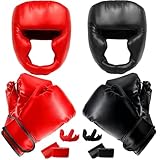
So, you’re ready to step into the ring, or at least, the gym? That’s fantastic! Boxing is a phenomenal workout, a challenging sport, and a great way to build confidence. But before you start throwing punches, you need the right gear. And the most crucial piece of equipment? Boxing gloves. Choosing the right pair can make a huge difference in your comfort, safety, and overall experience.
This guide is designed to walk you through everything you need to know about how to purchase boxing gloves, from understanding different types and sizes to considering the materials and features that matter most. We’ll cover what to look for, what to avoid, and how to make an informed decision that suits your needs and budget. Get ready to learn the ropes (pun intended!) and find the perfect gloves to start your boxing journey.
Let’s get started. Your hands (and your training) will thank you.
Understanding the Different Types of Boxing Gloves
Boxing gloves aren’t a one-size-fits-all deal. Different styles are designed for various purposes. Understanding these differences is the first step in how to purchase boxing gloves that are right for you.
Training Gloves
These are your everyday workhorses. Training gloves are designed for general use, including bag work, sparring (with a sparring partner), and mitt work. They offer a balance of protection and versatility. They typically have more padding than competition gloves, making them ideal for long training sessions. The weight of training gloves often ranges from 12oz to 16oz, with heavier gloves providing more protection.
- Purpose: General training, bag work, sparring, mitt work.
- Padding: Generally thicker padding for shock absorption.
- Weight: 12oz to 16oz is common.
- Closure: Typically Velcro or lace-up.
Sparring Gloves
Safety is paramount in sparring. Sparring gloves are specifically designed to protect both you and your sparring partner. They have extra padding in the knuckles and are typically heavier than training gloves. This added padding helps to cushion the impact and reduce the risk of injury. Sparring gloves are often 16oz to 18oz, although lighter options exist.
- Purpose: Sparring with a partner.
- Padding: Extra padding for both protection.
- Weight: Usually 16oz or heavier.
- Features: Often have a thumb attached to prevent eye injuries.
Competition Gloves
For the serious competitor. These gloves are used in actual boxing matches. They are designed for performance and typically have less padding than training or sparring gloves, allowing for more power in punches. Competition gloves are often made with high-quality leather and are usually lace-up for a secure fit. The weight is regulated by boxing organizations, often 8oz or 10oz depending on the weight class.
- Purpose: Competitive boxing matches.
- Padding: Less padding than training gloves.
- Weight: Regulated by boxing organizations.
- Features: Often lace-up for a secure fit.
Bag Gloves
Designed for the heavy bag. Bag gloves are specifically made for hitting heavy bags and focus mitts. They are typically lighter and have less padding than training gloves, focusing on allowing you to feel the impact more directly. They’re usually smaller and more compact, making them ideal for developing speed and technique. However, bag gloves are not recommended for sparring because they don’t offer enough protection.
- Purpose: Heavy bag and focus mitt work.
- Padding: Less padding than training gloves.
- Weight: Lighter than training gloves.
- Features: Designed for speed and technique development.
Choosing the Right Size and Weight
The size and weight of your boxing gloves are critical factors in both performance and safety. The right fit can prevent injuries and help you train effectively. Here’s a breakdown of how to choose the right size and weight for your needs.
Glove Weight and Its Significance
Boxing gloves are measured in ounces (oz). The weight of the glove significantly impacts the protection it provides and the intensity of your workout. Heavier gloves offer more padding and protection, while lighter gloves allow for more speed and feel. Here’s a general guide: (See Also: Are Muay Thai Gloves The Same As Boxing Gloves )
- 8oz: Used in professional matches for lighter weight classes. Not recommended for training.
- 10oz: Used in professional matches for heavier weight classes. Not recommended for training.
- 12oz: Often used by lighter weight individuals for training, and sometimes for sparring (depending on the rules and partner’s preference).
- 14oz: Suitable for most adults for general training and some sparring.
- 16oz: Recommended for sparring and heavier training, providing maximum protection.
- 18oz: Used by very heavy individuals or for maximum protection in sparring.
Important Note: Always check with your gym or coach for their specific recommendations on glove weight for sparring. It’s often safer to err on the side of heavier gloves for sparring to reduce the risk of injury.
Sizing Guide Based on Weight
The weight of the glove is more important than the size in terms of fit. Here’s a general guide to help you find the right weight:
- Beginners: Start with 14oz or 16oz training gloves. These offer a good balance of protection and versatility.
- Sparring: Always use 16oz or heavier gloves for sparring, unless otherwise specified by your coach.
- Professional Fighters: Follow the regulations of your weight class.
How to Measure Your Hand for Glove Size
While glove weight is the primary factor, hand size can influence the fit. Here’s how to measure your hand:
- Wrap a measuring tape around your knuckles. Measure the circumference of your hand at the knuckles, excluding the thumb.
- Use the measurement to guide your size. Glove manufacturers often provide size charts. Compare your knuckle circumference to the chart to determine your glove size.
Important: Always try the gloves on, if possible, to ensure a comfortable and secure fit. The gloves should fit snugly but not too tightly. You should be able to make a fist without feeling restricted.
Materials: Leather vs. Synthetic
The material of your boxing gloves significantly impacts their durability, performance, and feel. Let’s look at the two main categories: leather and synthetic.
Leather Gloves
The gold standard for durability and performance. Leather gloves are generally considered the premium choice. They are known for their durability, comfort, and ability to mold to your hand over time. Leather also tends to breathe better than synthetic materials, reducing sweat buildup. However, leather gloves typically come with a higher price tag.
- Pros: Durable, comfortable, molds to your hand, breathes well.
- Cons: More expensive, requires more maintenance.
- Types: Full-grain leather, top-grain leather, split-grain leather (each varying in quality).
Synthetic Gloves
A more budget-friendly option. Synthetic gloves are often made from materials like polyurethane (PU) or polyvinyl chloride (PVC). They are a good choice for beginners or those on a budget. Synthetic gloves are also easier to clean than leather. However, they may not be as durable as leather and can wear out more quickly, especially with heavy use.
- Pros: More affordable, easy to clean.
- Cons: Less durable, may not breathe as well.
- Types: PU leather, PVC leather.
Material Comparison Table
| Feature | Leather | Synthetic |
|---|---|---|
| Durability | High | Moderate |
| Comfort | Excellent (molds over time) | Good |
| Breathability | Good | Moderate |
| Price | Higher | Lower |
| Maintenance | Requires more care | Easier to clean |
Key Features to Consider
Beyond the basics, several features can significantly impact your boxing experience. Here’s what to look for when how to purchase boxing gloves:
Closure System
How the gloves secure to your wrist. The closure system is a crucial element for a secure and comfortable fit. The two main types are: (See Also: Can You Wrestle In Boxing Shoes )
- Velcro: Easy to put on and take off, making them convenient for training. They offer good wrist support, but may not be as secure as lace-up gloves.
- Lace-up: Provide the most secure fit and are often preferred for competition. However, they require assistance to put on and take off.
Padding and Construction
The heart of protection and performance. The padding and construction of the gloves determine how well they absorb impact and protect your hands. Consider the following:
- Padding Material: Many gloves use layered foam padding, which can be made from various materials like horsehair, latex, or gel.
- Padding Distribution: Ensure the padding is evenly distributed across the knuckles and the back of the hand.
- Wrist Support: Look for gloves with ample wrist support, especially if you’re prone to wrist injuries.
- Thumb Protection: An attached thumb helps to prevent eye injuries.
Wrist Support
Protecting your wrists. Adequate wrist support is essential to prevent injuries. Look for gloves with:
- Extended Cuffs: Provide additional support and stability.
- Secure Closures: Velcro straps or lace-up systems that tighten around the wrist.
- Padding in the Wrist Area: Adds cushioning and protection.
Ventilation
Keeping your hands cool and dry. Ventilation helps to reduce sweat buildup and keep your hands comfortable during training. Look for gloves with:
- Breathable Materials: Leather gloves generally breathe better than synthetic ones.
- Mesh Panels: Located on the palm or thumb to promote airflow.
- Moisture-wicking Liners: Absorb sweat and keep your hands dry.
Lining
Comfort and sweat management. The lining of the glove plays a role in comfort and hygiene. Consider:
- Moisture-wicking fabrics: To absorb sweat and keep your hands dry.
- Anti-microbial treatments: To help prevent odors and bacteria growth.
- Comfortable materials: Such as satin or microfiber, for a better feel against your skin.
Budget and Brand Considerations
Boxing gloves come in a wide range of prices. Setting a budget can help you narrow down your options. Also, different brands have different reputations and strengths. Here’s a breakdown of how to approach these factors:
Setting Your Budget
How much should you spend? The price of boxing gloves can range from a few dollars to several hundred. Consider your experience level and how often you plan to train when setting your budget:
- Beginners: You can find good quality synthetic gloves for $30-$70.
- Intermediate: Leather gloves from reputable brands typically range from $70-$150.
- Advanced/Professional: High-end leather gloves can cost $150 and up.
Popular Boxing Glove Brands
Choosing a reputable brand. Several brands are well-regarded in the boxing community:
- Everlast: A well-known brand with a wide range of gloves for all levels.
- Title Boxing: Known for quality and performance, often used by serious boxers.
- Cleto Reyes: High-end, handcrafted gloves favored by many professionals.
- Winning: Premium gloves, known for their exceptional quality and protection.
- Rival: Offers innovative designs and excellent quality.
- Hayabusa: Known for their advanced technology and comfort.
Tip: Read reviews from other users to get an idea of the quality and durability of the gloves before purchasing. Consider the brand’s reputation for customer service and warranty policies.
Where to Buy Boxing Gloves
You have several options for how to purchase boxing gloves, each with its pros and cons: (See Also: Is Everlast Good Boxing Gloves )
Specialty Boxing Stores
The best place for expert advice. These stores typically have a wide selection of gloves and knowledgeable staff who can help you find the right fit and style. You can try on different gloves and get personalized recommendations.
- Pros: Expert advice, ability to try on gloves, wide selection.
- Cons: Can be more expensive than online retailers.
Online Retailers
Convenience and selection. Online retailers offer a vast selection of gloves, often at competitive prices. You can easily compare different brands and models and read reviews from other customers.
- Pros: Wide selection, competitive prices, convenient.
- Cons: Cannot try on gloves, potential for returns.
Sporting Goods Stores
A convenient option for beginners. These stores often carry a selection of boxing gloves, although the selection may not be as extensive as specialty stores. You may be able to try on some gloves and get basic guidance.
- Pros: Convenient, ability to try on some gloves.
- Cons: Limited selection, less expert advice.
Maintenance and Care
Proper care can extend the life of your boxing gloves and keep them in good condition. Here are some tips:
- Air them out after each use. Remove the gloves from your bag and allow them to air dry.
- Use a glove deodorizer or disinfectant spray. This helps to kill bacteria and prevent odors.
- Wipe down the gloves after each use. Use a damp cloth to remove sweat and dirt.
- Store gloves in a cool, dry place. Avoid extreme temperatures and humidity.
- For leather gloves, condition them regularly. Use a leather conditioner to keep the leather supple and prevent cracking.
Common Mistakes to Avoid
To ensure you get the right gloves, avoid these common mistakes:
- Buying gloves that are too small or too big. Always ensure a proper fit.
- Neglecting to consider your training needs. Choose gloves designed for the type of training you do.
- Ignoring the importance of hand wraps. Always wear hand wraps for protection.
- Not trying on gloves before purchasing. If possible, try on the gloves to ensure a comfortable fit.
- Not researching brands and reading reviews. Learn from other users’ experiences.
Final Thoughts
Choosing the right boxing gloves is a crucial step in starting your boxing journey. By understanding the different types of gloves, their features, and how to choose the right size and material, you can make an informed decision and find the perfect pair for your needs. Remember to prioritize safety and comfort, and don’t hesitate to seek advice from experienced boxers or coaches. With the right gloves, you’ll be well-equipped to enjoy the benefits of this challenging and rewarding sport.
Purchasing boxing gloves is an investment in your training and well-being. By taking the time to understand the options and considerations outlined above, you can make a smart choice that supports your goals. Remember to prioritize fit, protection, and comfort. Don’t be afraid to try on different gloves and ask for advice.
With the right gloves, you’ll be ready to hit the bag, spar with confidence, and enjoy the many benefits of boxing. So, gear up, wrap your hands, and get ready to experience the power, precision, and discipline that boxing has to offer. Enjoy your journey in the ring!