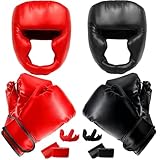
Choosing the right boxing glove weight is crucial, whether you’re a seasoned fighter or just starting your boxing journey. The weight of your gloves significantly impacts your training, sparring, and competition performance. It influences everything from the power of your punches to the protection of your hands and wrists.
Picking the wrong weight can lead to injuries, hinder your progress, and ultimately, make the sport less enjoyable. This comprehensive guide will walk you through everything you need to know about selecting the perfect boxing glove weight, considering factors like your body weight, training goals, and the type of boxing you’re involved in. We’ll break down the different weights, their uses, and how to make the best choice for you.
Get ready to understand the nuances of boxing glove weights and make informed decisions that will benefit your training and performance. Let’s get started!
Understanding Boxing Glove Weight: What Does It Mean?
Boxing glove weight is measured in ounces (oz). This refers to the weight of each individual glove. Heavier gloves generally offer more padding and protection, while lighter gloves allow for quicker hand speed and more agility. The weight of the glove is a critical factor in determining its suitability for various training activities and sparring sessions.
Why Does Weight Matter?
The weight of your boxing gloves directly affects several aspects of your boxing experience:
- Protection: Heavier gloves provide more padding, reducing the impact on your hands and wrists during training and sparring. This is crucial for preventing injuries.
- Punching Power: While heavier gloves might seem to increase punching power due to the added mass, they can actually slow down your punches, making it harder to generate speed and power efficiently.
- Speed and Agility: Lighter gloves allow for quicker hand movements and faster punch combinations. This is particularly beneficial for developing hand speed and working on your technique.
- Training Goals: The appropriate glove weight depends on your training objectives. If you’re focused on building power and strength, heavier gloves might be suitable. If your priority is speed and technique, lighter gloves are usually preferred.
Glove Weight and Hand Protection
The primary function of boxing gloves is to protect your hands. The padding in the gloves absorbs the impact of your punches, reducing the risk of injuries like sprains, fractures, and contusions. Different glove weights offer varying levels of protection, so choosing the right weight is critical for your safety.
Lighter gloves, while allowing for greater speed, offer less padding and therefore, less protection. Heavier gloves provide more cushioning, which is beneficial for intense training and sparring sessions. The choice of glove weight will depend on the intensity of your training and the level of protection you need.
Boxing Glove Weight Chart: A Detailed Breakdown
Boxing gloves come in various weights, typically ranging from 8 oz to 20 oz. Each weight is designed for different purposes and caters to specific needs. Here’s a detailed breakdown of the common glove weights and their typical uses:
Oz Gloves
8 oz gloves are generally used for professional fights. They are lighter, which allows for faster hand speed and more powerful punches. However, they offer less padding and are not recommended for training or sparring due to the increased risk of injury.
Oz Gloves
10 oz gloves are another common choice for professional fights, especially in certain weight classes. They offer a slightly higher level of protection than 8 oz gloves while still allowing for good speed and power. Like 8 oz gloves, they are not ideal for training purposes. (See Also: Are Muay Thai Gloves The Same As Boxing Gloves )
Oz Gloves
12 oz gloves are often used for light sparring and bag work. They provide a good balance between speed, protection, and power. These gloves are suitable for both experienced boxers and those who are relatively new to the sport. They offer adequate padding to protect your hands during training while still allowing for decent hand speed.
Oz Gloves
14 oz gloves are a popular choice for sparring, particularly for heavier individuals or those who prefer more protection. They offer increased padding, which helps to absorb the impact of punches and reduce the risk of injury. 14 oz gloves are also commonly used for heavy bag training.
Oz Gloves
16 oz gloves are primarily used for sparring and heavy bag work. They provide the highest level of protection due to their thick padding. These gloves are especially recommended for heavier fighters or those who spar frequently. They are ideal for intense training sessions where hand protection is a priority.
Oz and 20 Oz Gloves
18 oz and 20 oz gloves are less common but are sometimes used by very large individuals or for specific training purposes. They offer maximum protection but can significantly slow down your hand speed. These gloves are typically used for heavy bag work and specific drills where protection is the primary goal.
Choosing the Right Glove Weight Based on Body Weight
One of the most important factors in selecting your boxing glove weight is your body weight. Here’s a general guideline to help you make the right choice:
| Body Weight | Recommended Glove Weight | Typical Use |
|---|---|---|
| Under 120 lbs | 10 oz – 12 oz | Bag work, light sparring |
| 120 – 150 lbs | 12 oz – 14 oz | Bag work, sparring |
| 150 – 180 lbs | 14 oz – 16 oz | Sparring, heavy bag |
| Over 180 lbs | 16 oz and up | Sparring, heavy bag |
Note: These are general guidelines. Individual preferences and training goals may vary, so it’s essential to consider other factors as well.
Why Body Weight Matters
Your body weight influences the force you generate when punching. Heavier individuals typically generate more power, which means they need more padding to protect their hands. Lighter individuals, on the other hand, may not need as much padding, as their punches are less powerful.
For example, a heavier fighter (over 180 lbs) should prioritize 16 oz or heavier gloves for sparring to ensure adequate protection. A lighter fighter (under 120 lbs) might be comfortable with 10 oz or 12 oz gloves for bag work and light sparring.
Glove Weight and Training Activities
The type of training you engage in should also influence your choice of glove weight. Different activities require different levels of protection and hand speed. (See Also: Can You Wrestle In Boxing Shoes )
Heavy Bag Training
For heavy bag training, you’ll want gloves that provide adequate padding to absorb the impact of your punches. 12 oz to 16 oz gloves are generally recommended, depending on your body weight and the intensity of your training. Heavier gloves (14 oz or 16 oz) are often preferred for their superior protection, especially when working on power punches.
Sparring
Sparring requires gloves with a significant amount of padding to protect both you and your sparring partner. 14 oz and 16 oz gloves are the most common choices for sparring. These weights help minimize the risk of injury during sparring sessions. Always check with your gym or sparring partner about their preferred glove weight.
Speed Bag Training
Speed bag training emphasizes hand speed and coordination. For this type of training, lighter gloves (10 oz or 12 oz) are usually preferred. These gloves allow for faster hand movements, enabling you to work on your rhythm and technique.
Shadow Boxing
During shadow boxing, you can use lighter gloves or even go without gloves to focus on technique and form. The absence of gloves or the use of light gloves enables you to refine your movements and improve your overall boxing style.
Other Factors to Consider
Beyond body weight and training activities, several other factors can influence your choice of boxing glove weight.
Your Experience Level
Beginners may benefit from heavier gloves (14 oz or 16 oz) for sparring and bag work, as they provide more protection while they are still developing their technique. As you gain experience and improve your form, you might consider using lighter gloves for certain training activities.
Your Training Goals
If your primary goal is to build power and strength, heavier gloves (16 oz) can be beneficial. They add resistance to your punches, helping you to develop stronger muscles. If your focus is on speed and agility, lighter gloves (12 oz or 14 oz) are more suitable.
The Type of Boxing
Different types of boxing (e.g., amateur, professional, Muay Thai) may have specific rules and regulations regarding glove weights. Always check the rules of your specific boxing discipline to ensure you are using the correct equipment.
Glove Material and Construction
The material and construction of the gloves also play a role in their overall weight and performance. High-quality gloves with better padding and construction may offer better protection and last longer. Consider factors like the type of leather, the padding material (e.g., foam, horsehair), and the stitching quality when making your choice. (See Also: Is Everlast Good Boxing Gloves )
Care and Maintenance of Your Boxing Gloves
Proper care and maintenance of your boxing gloves are crucial for extending their lifespan and ensuring they remain in good condition. Here are some tips:
- Air Them Out: After each use, allow your gloves to air dry thoroughly. This helps prevent the buildup of bacteria and odors.
- Use Glove Deodorizers: Consider using glove deodorizers or inserts to absorb moisture and eliminate odors.
- Wipe Them Down: After each training session, wipe the outside of your gloves with a damp cloth to remove sweat and dirt.
- Store Properly: Store your gloves in a cool, dry place away from direct sunlight.
- Use Hand Wraps: Always wear hand wraps when using your gloves. They provide an extra layer of protection for your hands and wrists and help absorb sweat.
- Rotate Gloves: If you train frequently, consider having multiple pairs of gloves. Rotating between different pairs can extend the life of your gloves.
- Check for Damage: Regularly inspect your gloves for any signs of wear and tear, such as rips, tears, or loose stitching.
Frequently Asked Questions About Boxing Glove Weight
Here are some of the most frequently asked questions about boxing glove weight:
What Size Boxing Gloves Do I Need?
The size of your boxing gloves is related to the weight in ounces. The weight is primarily determined by your body weight and the type of training you’re doing. The weight of the glove is more important than the physical size. However, you want a glove that fits snugly, so make sure to consider the glove’s dimensions and your hand size.
Can I Use the Same Gloves for Bag Work and Sparring?
While you can technically use the same gloves for both bag work and sparring, it’s generally recommended to have separate pairs. For sparring, you’ll want gloves with more padding (14 oz or 16 oz) to protect both you and your sparring partner. For bag work, you might prefer a slightly lighter glove (12 oz or 14 oz) to allow for greater hand speed and power.
How Long Do Boxing Gloves Last?
The lifespan of your boxing gloves depends on several factors, including the quality of the gloves, how often you use them, and how well you care for them. High-quality gloves can last for several years with proper care, while cheaper gloves might wear out more quickly. Generally, gloves used frequently for sparring may need to be replaced every 6-12 months.
Should I Buy Boxing Gloves Online?
Buying boxing gloves online can be a convenient option, but it’s important to know your size and the brand’s sizing guidelines. If possible, try on gloves at a local store to determine the correct fit before purchasing online. Read reviews from other customers to get an idea of the glove’s quality and performance.
Are Heavier Gloves Better for Building Muscle?
Heavier gloves can help build muscle by adding resistance to your punches. However, they can also slow down your hand speed and increase the risk of injury if you’re not used to them. It’s important to gradually increase the weight of your gloves and incorporate them into your training routine strategically.
What Are the Best Boxing Gloves for Beginners?
For beginners, I recommend 14 oz or 16 oz gloves. These weights provide adequate protection while you’re still learning the basics. Look for gloves with good padding, wrist support, and a comfortable fit.
Verdict
Choosing the right boxing glove weight is a crucial decision that impacts your training, performance, and overall safety. Consider your body weight, training goals, and the type of boxing you’re involved in. Remember that heavier gloves offer more protection, while lighter gloves provide greater speed and agility. By understanding the different glove weights and their uses, you can make an informed choice that supports your boxing journey.
Always prioritize hand protection and choose gloves that fit comfortably and provide adequate padding for your training activities. Regularly maintain your gloves to extend their lifespan and ensure they remain in good condition. By following these guidelines, you’ll be well-equipped to select the perfect boxing glove weight and maximize your training potential.
Ultimately, the best boxing glove weight is the one that allows you to train safely and effectively, helping you achieve your boxing goals. Experiment with different weights, pay attention to your body, and find what works best for you. Happy training!