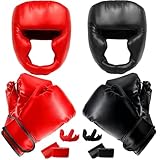
Stepping into the world of boxing, whether for fitness, competition, or self-defense, means you’ll eventually need a good pair of boxing gloves. But before you can even think about perfecting your jab or hook, there’s a crucial first step: getting the right fit. Wearing gloves that are too big or too small can hinder your performance, cause discomfort, and even lead to injuries.
That’s why understanding how to measure your hand for boxing gloves is so important. It’s not just about picking a size off a chart; it’s about ensuring your hands are properly protected and supported for every punch you throw. In this guide, we’ll walk you through the simple, straightforward process of measuring your hands so you can confidently select the perfect pair of gloves.
Why Glove Fit Matters: More Than Just Comfort
Before we get into the ‘how,’ let’s briefly touch on the ‘why.’ The right glove fit is absolutely paramount in boxing for several key reasons. Firstly, proper protection is non-negotiable. Boxing gloves are designed to absorb and distribute the impact of your punches, protecting both your hands and your sparring partner. If your gloves are too loose, your hand can shift inside, leading to wrist sprains or even fractures. If they’re too tight, circulation can be restricted, causing numbness and discomfort.
Secondly, performance is directly impacted. A glove that fits like a second skin allows for better control and dexterity. You’ll be able to maintain a tight fist, which is essential for delivering powerful, accurate punches. Conversely, ill-fitting gloves can feel clumsy and make it harder to execute technique effectively. Finally, and perhaps most obviously, comfort plays a huge role. You’ll be wearing these gloves for extended periods during training sessions. An uncomfortable pair can be a significant distraction, pulling your focus away from your workout.
Understanding Glove Sizing: The Basics
Boxing glove sizing isn’t measured in the same way as, say, a dress glove. Instead, it’s typically based on a combination of hand size and the intended use of the glove. You’ll most commonly see glove sizes listed in ounces (oz). Common sizes range from 8oz for smaller, faster fighters or those focusing purely on speed work, up to 20oz for heavy sparring or those needing maximum padding.
However, the ounce rating is more of an indicator of the glove’s padding and overall weight rather than a direct measurement of your hand. While there’s a correlation – larger hands often need more padding, hence a higher ounce glove – the most critical step is still measuring your hand itself. This measurement helps determine the glove’s internal fit, ensuring your hand and wrist are snug and secure.
What You’ll Need to Measure Your Hand
Fortunately, measuring your hand for boxing gloves is a simple process that requires minimal equipment. You likely have everything you need right at home. Here’s what to gather: (See Also: Are Muay Thai Gloves The Same As Boxing Gloves )
- A flexible measuring tape: This is ideal as it can easily wrap around the widest part of your hand. A string or a strip of paper and a ruler can also work in a pinch, but a flexible tape is the most accurate.
- A pen or pencil: To mark your measurements if you’re using a string or paper.
- A glove size chart: Once you have your measurements, you’ll need a reliable size chart from the glove manufacturer you’re interested in. These charts are crucial because sizing can vary slightly between brands.
The Step-by-Step Guide: Measuring Your Hand
Now, let’s get down to business. Follow these steps carefully for the most accurate measurement:
Step 1: Measure the Circumference of Your Hand
This is the most critical measurement. You want to measure around the widest part of your hand, which is typically just below your knuckles. Make sure the measuring tape is snug but not so tight that it’s digging into your skin. Imagine you’re wrapping a ribbon around your hand at its broadest point. If you’re using a string or paper, wrap it around and then mark where the end meets the rest of the string/paper. Then, lay it flat and measure the marked length with your ruler.
Key Takeaway: Measure the widest part of your hand, just below the knuckles.
Step 2: Measure the Length of Your Hand
Next, you’ll measure the length of your hand. Start at the tip of your middle finger and extend the tape measure (or string/paper) down to the crease at the base of your palm where your hand meets your wrist. Again, keep the tape measure relatively straight and snug.
Key Takeaway: Measure from the tip of your middle finger to the base of your palm.
Step 3: Consult a Glove Size Chart
Once you have both measurements (circumference and length), it’s time to consult a reputable boxing glove size chart. You can usually find these on the websites of glove manufacturers like Everlast, Title Boxing, Rival, or on major sporting goods retailer sites. Look for a chart that correlates your hand measurements in inches or centimeters to the glove size in ounces. (See Also: Can You Wrestle In Boxing Shoes )
Important Note: Pay close attention to the specific brand’s chart. Some brands might run slightly larger or smaller. If you’re between sizes, consider your intended use. For sparring, you might lean towards the larger size for more padding. For bag work or focus mitts, a slightly snugger fit might be preferred.
Step 4: Consider Your Wrist and Forearm Support
While hand measurements are primary, don’t forget about your wrist. Boxing gloves are designed to offer wrist support through their lacing or hook-and-loop closure system. Ensure that when you put on a glove, your wrist feels secure and doesn’t have excessive room to move around. Some gloves have longer cuffs for enhanced wrist support, which can be beneficial for beginners or those with a history of wrist issues.
Common Mistakes to Avoid
Even with a straightforward process, people can make mistakes. Here are a few common pitfalls to steer clear of:
- Not measuring both hands: Believe it or not, most people have one hand that’s slightly larger than the other. Always measure both and use the larger measurement to determine your glove size.
- Assuming your glove size: Don’t just guess or go by what a friend uses. Your hand size is unique.
- Ignoring brand-specific charts: As mentioned, sizing isn’t universal across all brands. Always check the manufacturer’s recommendations.
- Focusing only on ounces: While ounces indicate padding, the internal fit is what truly matters for your hand size.
- Not considering hand wraps: If you plan on using hand wraps (which is highly recommended for added protection), you might need to size up slightly. Hand wraps add a layer of bulk inside the glove.
Glove Types and How They Affect Fit
The type of boxing glove you choose can also influence fit and how you should measure. Here’s a quick rundown:
| Glove Type | Typical Use | Fit Considerations |
|---|---|---|
| Training/Sparring Gloves | Heavy bag work, pad work, sparring | Prioritize padding and wrist support. Often slightly larger to accommodate wraps. |
| Competition Gloves | Amateur bouts, professional fights | Designed for maximum power transfer with less padding. Need a very snug, precise fit. |
| Bag Gloves | Heavy bag and pad work only (not for sparring) | Less padding than sparring gloves, more focused on protection for the bag. Can be a tighter fit. |
| Amateur/Pro Fight Gloves | Actual bouts | Very specific rules regarding padding and weight. Fit is paramount for performance and safety. |
For most people starting out, training or sparring gloves are the most common choice. These are generally more forgiving in terms of fit compared to competition gloves, but proper measurement is still key.
Trying Before You Buy: The Ultimate Test
While measuring is essential, the absolute best way to ensure a perfect fit is to try gloves on in person. If you have a local boxing gym or a sporting goods store with a good selection, take advantage of it. When trying on gloves: (See Also: Is Everlast Good Boxing Gloves )
- Wear your hand wraps: This gives you the most realistic sense of the fit.
- Make a fist: Does it feel natural? Can you close your fist completely without excessive pressure or looseness?
- Check for movement: Your hand should not slide around inside the glove. Your thumb should be comfortably positioned and not jammed.
- Assess wrist support: The wrist closure should feel secure, preventing your wrist from bending backward unnaturally.
- Consider the padding: Does the padding feel evenly distributed? Does it feel like it will protect your knuckles?
If you’re buying online, rely heavily on the manufacturer’s size chart and read reviews from other customers regarding fit. Many reputable online retailers also have detailed sizing guides and return policies, which can be a lifesaver.
What to Do If You’re Still Unsure
If you’ve measured, consulted charts, and still feel uncertain, don’t hesitate to seek advice. Contacting the customer support of the glove manufacturer is a great first step. They often have extensive knowledge about their products and can offer personalized recommendations based on your measurements and intended use.
Alternatively, if you train at a gym, ask your coach or experienced training partners. They’ve likely tried on countless gloves and can offer valuable insights. They might even have spare gloves you can try to get a feel for different brands and sizes. Remember, investing a little extra time in getting the right fit upfront will save you potential discomfort and injury down the line.
Final Thoughts
Getting the right fit for your boxing gloves is a fundamental step in your training journey. By accurately measuring your hand circumference and length, and then cross-referencing with a reliable size chart, you can significantly increase your chances of finding gloves that offer optimal protection and comfort.
Don’t underestimate the importance of this simple measurement. It’s a small effort that pays huge dividends in preventing injuries and enhancing your performance in the ring. Always remember to consider your hand wraps and the specific type of glove you’re purchasing when making your final decision.