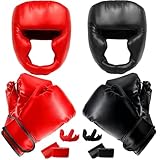
Choosing the right boxing gloves is crucial for both your safety and performance. A glove that’s too small can lead to injuries, while one that’s too big might hinder your technique. But how do you determine the correct size? It’s not as simple as grabbing a pair off the shelf. Many factors come into play, from your hand size and weight to the type of training you’ll be doing.
This guide will walk you through the entire process, step-by-step, ensuring you find the perfect fit for your needs. We’ll cover everything from measuring your hand to understanding the different glove sizes and weights. I’ll also share some practical tips and considerations to help you make an informed decision. Let’s get started and get you ready to throw some punches safely and effectively!
Understanding Boxing Glove Sizing: Why It Matters
Before we get into the specifics of measuring, let’s understand why choosing the right boxing glove size is so important. It’s not just about comfort; it’s about protecting yourself and optimizing your performance. Incorrectly sized gloves can lead to serious problems.
- Injury Prevention: Gloves that are too small offer inadequate padding, increasing the risk of hand and wrist injuries. Conversely, gloves that are too large might shift around during training, also potentially leading to injury.
- Performance Optimization: Properly fitted gloves allow for better technique and more efficient punching. They allow you to maintain proper form.
- Comfort and Confidence: When your gloves fit well, you’ll feel more confident and focused during your workouts or sparring sessions. A good fit reduces distractions and allows you to concentrate on your training.
Measuring Your Hand: The Foundation of Proper Sizing
The first step in determining your boxing glove size is to measure your hand. This is a straightforward process, but it’s important to do it accurately. You’ll need a flexible measuring tape and a little bit of patience. Here’s how to do it:
- Gather Your Supplies: You’ll need a flexible measuring tape. If you don’t have one, you can use a piece of string and a ruler.
- Measure Your Hand Circumference: Extend your dominant hand (the hand you write with) and make a fist. Wrap the measuring tape around the knuckles of your hand, ensuring it’s snug but not too tight. The tape should pass over the widest part of your knuckles.
- Record the Measurement: Note the measurement in inches or centimeters. This is your hand circumference.
- Measure Your Hand Length (Optional, but Recommended): Extend your hand, palm up. Measure from the tip of your longest finger to the base of your palm, where your wrist begins. This measurement can provide additional insight, especially if you have unusually long or short fingers for your hand circumference.
Important Tip: It’s best to measure both hands, as there might be slight differences in size. Use the larger measurement when determining your glove size. (See Also: Are Muay Thai Gloves The Same As Boxing Gloves )
Boxing Glove Size Charts: Converting Measurements to Glove Sizes
Once you have your hand measurements, you can use a boxing glove size chart to determine the appropriate size. These charts typically correlate hand circumference and weight with glove sizes. Keep in mind that these charts are general guidelines, and sizes may vary slightly between brands.
Here’s a sample boxing glove size chart. Remember to consult the specific size chart provided by the manufacturer of the gloves you are considering, as they can differ slightly:
| Hand Circumference (Inches) | Hand Circumference (CM) | Recommended Glove Size | Typical User |
|---|---|---|---|
| Less than 7 inches | Less than 17.8 cm | 8 oz | Children, Small Women |
| 7 – 8 inches | 17.8 – 20.3 cm | 10 oz | Women, Teenagers, Light Training |
| 8 – 9 inches | 20.3 – 22.9 cm | 12 oz | Men, General Training, Sparring |
| 9 – 10 inches | 22.9 – 25.4 cm | 14 oz | Men, Heavy Training, Sparring |
| Over 10 inches | Over 25.4 cm | 16 oz+ | Men, Heavy Training, Sparring |
Important Note: The size chart above is a general guide. Always check the manufacturer’s size chart for the specific gloves you are interested in. Some brands might have slightly different sizing conventions.
Understanding Glove Weight (ounces): Beyond Hand Size
Boxing glove size is often expressed in ounces (oz). The weight of the glove plays a significant role in both training and competition. Heavier gloves provide more padding and protection, while lighter gloves allow for greater speed and agility. Here’s a breakdown of how glove weight typically corresponds to different uses: (See Also: Can You Wrestle In Boxing Shoes )
- 8 oz Gloves: Primarily used for children, or some women, and for competition. They offer minimal padding and are designed for speed and agility.
- 10 oz Gloves: Often used in competitions and also suitable for light training. These are a good starting point for many individuals.
- 12 oz Gloves: Commonly used for general training, pad work, and some sparring. They offer a good balance of protection and mobility.
- 14 oz Gloves: Ideal for heavier training, including sparring. The extra padding provides increased protection for both the wearer and their sparring partner.
- 16 oz Gloves and Higher: Primarily used for heavy bag work and sparring. They provide maximum protection and are often required for sparring in many gyms.
Key Takeaway: The weight of the glove is just as important as the size. Consider the type of training you’ll be doing when selecting your glove weight. For example, if you plan to spar frequently, you’ll likely need 14 oz or 16 oz gloves.
Factors Influencing Glove Size Selection
While hand measurements and size charts are essential, several other factors can influence your glove size selection. These considerations will help you refine your choice and ensure the best possible fit.
- Your Weight: Heavier individuals often benefit from larger gloves with more padding, as they generate more force with their punches. The weight of the glove helps absorb the impact.
- Training Type: If you primarily focus on bag work and pad work, you might be able to get away with slightly smaller gloves. However, if you plan on sparring, you’ll need gloves with more padding, usually 14 oz or 16 oz.
- Hand Wraps: Always wear hand wraps when using boxing gloves. Hand wraps add bulk to your hands, so you’ll need to account for this when determining your glove size. Make sure you can comfortably fit your wrapped hands into the gloves.
- Brand Variations: Glove sizes can vary slightly between brands. It’s a good idea to try on gloves from different brands to see which ones fit you best. Read reviews to get an idea of how a particular brand fits.
- Glove Type: Different types of boxing gloves (e.g., training gloves, sparring gloves, competition gloves) are designed for different purposes and may have slightly different sizing characteristics. Training gloves often have a slightly looser fit than competition gloves.
- Personal Preference: Ultimately, comfort is key. If a particular glove feels uncomfortable, even if it fits the size chart, it’s probably not the right choice for you.
The Importance of Trying Gloves On
Whenever possible, it’s highly recommended to try on boxing gloves before purchasing them. This allows you to assess the fit and feel of the gloves firsthand. Here are some tips for trying on gloves:
- Wear Hand Wraps: Always wear hand wraps when trying on gloves. This ensures an accurate assessment of the fit.
- Make a Fist: Make a fist and move your hand around inside the glove. The glove should feel snug but not constricting. You should be able to make a full fist without excessive pressure.
- Check the Wrist Support: The wrist closure should provide adequate support without being too tight or restrictive. Make sure the velcro strap secures your wrist comfortably.
- Consider the Padding: Pay attention to the padding around your knuckles and fingers. It should provide sufficient protection without feeling bulky or cumbersome.
- Move Around: Simulate punches and defensive movements to ensure the gloves don’t interfere with your technique.
Where to Try On Gloves: Visit a local sporting goods store or boxing gym. This gives you the opportunity to try on different brands and sizes. Many online retailers also offer a return policy, which allows you to try on gloves at home and return them if they don’t fit. (See Also: Is Everlast Good Boxing Gloves )
Troubleshooting Common Sizing Issues
Even after carefully measuring your hand and following the size charts, you might encounter some sizing issues. Here’s how to address some common problems:
- Gloves Feel Too Tight: If the gloves feel too tight, especially around your knuckles, try going up a size. Make sure you are wearing hand wraps. If the gloves still feel tight with hand wraps, consider a larger size.
- Gloves Feel Too Loose: If the gloves feel too loose and your hand moves around excessively, try going down a size. The gloves should fit snugly, but not restrict movement. Make sure the wrist closure is secure.
- Wrist Support Issues: If the wrist support is inadequate, consider gloves with a more secure wrist closure or a different type of wrist support system.
- Padding Issues: If the padding feels insufficient, especially if you feel the impact on your knuckles, consider gloves with more padding or a different type of padding material.
- Between Sizes: If you are between sizes, it’s generally better to err on the side of caution and go with the larger size, especially if you plan to use the gloves for sparring.
Caring for Your Boxing Gloves: Extending Their Lifespan
Proper care and maintenance can significantly extend the lifespan of your boxing gloves and ensure they continue to provide adequate protection. Here are some tips:
- Air Them Out: After each use, allow your gloves to air out completely. Remove your hand wraps and leave the gloves in a well-ventilated area. Avoid direct sunlight, as it can damage the materials.
- Use Glove Deodorizers: Use glove deodorizers or inserts to absorb moisture and eliminate odors. These products can help prevent the growth of bacteria and mold.
- Wipe Down the Exterior: After each use, wipe down the exterior of your gloves with a damp cloth to remove sweat and dirt. Avoid using harsh chemicals or abrasive cleaners.
- Store Properly: Store your gloves in a cool, dry place. Avoid storing them in a gym bag for extended periods, as this can trap moisture and promote bacterial growth.
- Rotate Gloves: If you train frequently, consider owning multiple pairs of gloves and rotating them. This allows each pair to dry out completely between uses, extending their lifespan.
- Repair Minor Damage: Address any minor damage, such as loose stitching, promptly. Minor repairs can prevent the damage from worsening.
Making the Right Choice: Key Considerations
Choosing the right boxing gloves is an investment in your safety and training. Here’s a summary of the key considerations to keep in mind:
- Measure Your Hand Accurately: Use a flexible measuring tape and measure your hand circumference.
- Consult Size Charts: Use a boxing glove size chart as a general guide, but always check the manufacturer’s specific chart.
- Consider Glove Weight: Choose a glove weight appropriate for your training type (bag work, sparring, competition).
- Account for Hand Wraps: Always wear hand wraps when determining your glove size.
- Try Before You Buy (If Possible): Try on gloves at a store or boxing gym to assess the fit and feel.
- Prioritize Comfort and Protection: Choose gloves that provide a comfortable fit and adequate protection.
- Maintain Your Gloves: Properly care for your gloves to extend their lifespan.
By following these guidelines, you can confidently select the boxing gloves that are right for you and enjoy a safe and effective training experience.
Conclusion
Finding the right boxing glove size is crucial for your safety, comfort, and performance. By taking accurate measurements, understanding size charts, and considering your training needs, you can make an informed decision. Remember that glove weight plays a significant role, and it’s essential to prioritize both protection and a comfortable fit. Don’t hesitate to try on gloves before purchasing them, and always wear hand wraps to ensure an accurate fit. With the right gloves, you’ll be well-equipped to train hard, spar safely, and reach your boxing goals. Remember to prioritize the type of training you will be performing and the amount of protection you need for your hands.