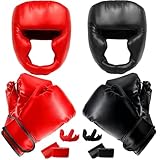
Boxing is a demanding sport, and protecting your hands is paramount. Professional hand wraps are essential, but what if you could create your own? Not only will you save money, but you’ll also gain a deeper understanding of the equipment that keeps you safe in the ring. This guide will walk you through the process of crafting your own hand wraps.
We’ll cover everything from selecting the right materials to the precise wrapping techniques. This includes the importance of the wrap, the materials needed, and the detailed steps to ensure your hands are well-protected. Whether you’re a seasoned boxer or just starting, this guide provides the knowledge and skills to create custom hand wraps.
Ready to get started? Let’s begin the journey of making your own hand wraps, ensuring your hands are secure and ready for the next round. You’ll soon see how rewarding it is to craft your own gear, tailored to your needs.
Why Hand Wraps Are Essential
Before we dive into the ‘how,’ let’s clarify the ‘why.’ Hand wraps are not optional; they are a critical piece of equipment for boxers. They serve several vital purposes:
- Protecting the Bones: The hand contains numerous small bones, and hand wraps help to keep them aligned and prevent fractures during impact.
- Cushioning the Impact: They add an extra layer of padding, absorbing some of the force from punches, which reduces the risk of injury to the knuckles and other vulnerable areas.
- Supporting the Wrist: Hand wraps provide crucial wrist support, stabilizing the joint and preventing hyperextension or twisting.
- Absorbing Sweat: They wick away sweat, keeping your gloves drier and extending their lifespan while also improving grip.
Without proper hand wraps, you expose your hands to unnecessary risk. Imagine punching a heavy bag or sparring without them – the potential for injury is significantly higher. Hand wraps are your first line of defense against the rigors of boxing.
Materials You’ll Need
Creating your own hand wraps requires a few readily available materials. You don’t need expensive equipment; the focus is on function and protection. Here’s a list of what you’ll need:
- Durable Fabric: The most important material is the fabric itself. You need a strong, slightly elastic material that can withstand repeated use and absorb sweat. The most common choices are:
- Cotton: This is a popular choice for its breathability and absorbency. It’s also relatively inexpensive and easy to work with.
- Semi-Elastic Fabric: A blend of cotton and elastic fibers provides a good balance of support and flexibility. The slight stretch allows for a snug fit.
- Mexican-Style Hand Wrap Material: Often a blend of nylon and rayon, this offers a good combination of stretch, durability, and comfort.
- Scissors: Sharp scissors are essential for cutting the fabric accurately.
- Measuring Tape or Ruler: To ensure the wraps are the correct length.
- Sewing Machine or Needle and Thread: While a sewing machine speeds up the process, you can also hand-sew your wraps.
- Thread: Choose a strong, durable thread that matches your fabric color.
- Velcro (Optional): If you want to add a Velcro closure for easy wrapping, you’ll need Velcro strips and a sewing machine or needle and thread to attach them.
You can find these materials at most fabric stores or online retailers. Consider the durability and comfort of the fabric when making your selection. The goal is to create wraps that will protect your hands and last through many training sessions.
Step-by-Step Guide: Making Your Hand Wraps
Now, let’s get into the step-by-step process of creating your hand wraps. This guide assumes you’re aiming for wraps that are approximately 180 inches long, which is a standard size. However, you can adjust the length to suit your preferences. (See Also: Are Muay Thai Gloves The Same As Boxing Gloves )
- Measure and Cut the Fabric:
- Determine the Length: Measure and cut the fabric to the desired length. For standard wraps, aim for 180 inches. You can adjust this based on your hand size and wrapping style. Remember to account for a little extra length for the Velcro closure, if you’re using it.
- Determine the Width: The standard width for hand wraps is approximately 2 inches. Mark this width along the length of your fabric and cut accordingly.
- Cut the Fabric: Use your scissors to carefully cut the fabric into strips of the desired length and width. Ensure the edges are straight for a neat finish.
- Hemming the Edges (Optional but recommended): To prevent fraying, you can hem the edges of your wraps. Fold over the edges a small amount (about ¼ inch) and sew them down using a sewing machine or by hand. This will give your wraps a more professional look and increase their durability.
- Alternatively, Overlock the Edges: If you have an overlock sewing machine, you can use it to finish the edges of your wraps. This will prevent fraying even more effectively.
- Cut the Velcro: Cut two strips of Velcro. One should be about 2-3 inches long for the hook side, and the other should be the same length for the loop side.
- Position the Velcro: Place the hook side of the Velcro on one end of the wrap, about 1-2 inches from the end. Position the loop side on the opposite end. Ensure the hook and loop sides will align when the wrap is wrapped around your hand.
- Sew the Velcro: Sew the Velcro strips onto the wrap, making sure they are securely attached. Sew around all edges of the Velcro for maximum durability.
- Trim any loose threads: After sewing, trim any loose threads to give your wraps a clean finish.
- Wash and Dry (Optional): Before using your wraps, you can wash and dry them to pre-shrink the fabric and remove any manufacturing residue.
Congratulations! You’ve successfully created your own hand wraps. Before using them in training, it’s essential to master the proper wrapping technique.
Wrapping Techniques: Protecting Your Hands
Knowing how to wrap your hands is as important as having the wraps themselves. The correct wrapping technique provides optimal support and protection. Here’s a detailed guide to wrapping your hands for boxing:
- Starting the Wrap:
- Loop the Thumb: Begin by holding the wrap with the Velcro closure facing outwards. Place the thumb loop over your thumb, ensuring the wrap is on the back of your hand.
- Wrap the Wrist: Wrap the wrap around your wrist several times to create a stable base. Overlap each layer slightly to provide more support. The number of wraps here depends on your wrist size and the level of support you need.
- Create a Base: Wrap the wrap across the back of your hand, covering your knuckles. This provides a foundational layer of protection.
- Wrap the Knuckles: Wrap the wrap over your knuckles several times, going from the back of your hand to the palm, and back again. This creates a padded layer over the knuckles. The number of wraps here depends on your preference and the thickness of the fabric.
- Between the Fingers: Wrap the wrap between your fingers, starting with your pinky and working your way to your index finger. This helps to secure the hand and prevent the fingers from splaying out during impact.
- Over the Knuckles: After wrapping between your fingers, bring the wrap back over the knuckles, reinforcing the protection.
- Reinforce the Wrist: Wrap the wrap around your wrist again, ensuring the wrist is well-supported.
- Secure the Hand: Wrap the wrap across the back of your hand and into your palm to secure the hand and give a better fist shape.
- Secure the Wrap: Use the Velcro closure to secure the wrap around your wrist. Make sure it’s snug but not too tight, as this can restrict blood flow.
- Check the Fit: Make a fist and ensure your hand feels secure and supported. The wrap should allow you to make a full fist without feeling restricted.
Practice these steps until you become comfortable with the wrapping process. Proper wrapping can take some time to master, but it is an essential skill for any boxer. You may need to adjust the wrapping style based on your hand size, the type of gloves you use, and your personal preferences. There are many variations of wrapping techniques, so experiment until you find the style that works best for you.
Troubleshooting Common Issues
Even with careful preparation, you might encounter some issues when making or using your hand wraps. Here are some common problems and how to address them:
- Wraps are Too Short:
- Problem: You run out of wrap before you can complete the wrapping process.
- Solution: Measure your fabric more accurately and add extra length. If the wraps are too short, they won’t provide adequate protection.
- Wraps are Too Long:
- Problem: You have excess fabric left over, making the wrap bulky and uncomfortable.
- Solution: Adjust the length of your wrap. You may also want to change the wrapping style to use up the extra length.
- Wraps are Too Tight:
- Problem: The wraps restrict blood flow or make it difficult to make a fist.
- Solution: Loosen the wraps slightly. Avoid wrapping your wrist too tightly. The wraps should provide support without causing discomfort.
- Wraps are Too Loose:
- Problem: The wraps don’t provide adequate support, and your hand feels unstable.
- Solution: Tighten the wraps, ensuring they are snug. Pay close attention to the wrist support.
- Wraps Fraying:
- Problem: The edges of the wraps are fraying, which can reduce their lifespan.
- Solution: Hem the edges or overlock them to prevent fraying.
- Velcro Not Sticking Properly:
- Problem: The Velcro closure comes undone during training.
- Solution: Make sure the Velcro is securely sewn onto the wrap. Use high-quality Velcro and ensure it’s properly attached.
By addressing these issues, you can ensure your hand wraps provide the best possible protection and comfort.
Comparing Fabric Options
Choosing the right fabric is critical for the effectiveness and comfort of your hand wraps. Here’s a comparison of the common fabric options:
| Fabric | Pros | Cons | Best For |
|---|---|---|---|
| Cotton | Breathable, absorbent, inexpensive, easy to work with. | May stretch out over time, less durable than other options. | Beginners, those who prefer a more traditional feel. |
| Semi-Elastic Fabric | Good support, comfortable, provides a snug fit. | Can be more expensive than cotton. | Boxers who need a balance of support and flexibility. |
| Mexican-Style Fabric | Durable, good stretch, comfortable, often preferred by professionals. | Can be more challenging to work with. | Experienced boxers, those seeking maximum support and durability. |
Consider your training needs and preferences when selecting the fabric. If you’re unsure, starting with cotton is a great option. As you gain experience, you can experiment with different fabrics to find what works best for you. (See Also: Can You Wrestle In Boxing Shoes )
Caring for Your Hand Wraps
Proper care can extend the lifespan of your hand wraps and keep them in good condition. Here are some tips for caring for your hand wraps:
- Wash After Each Use: After each training session, wash your hand wraps to remove sweat and prevent odors.
- Machine Wash or Hand Wash: You can machine wash your hand wraps, but it’s best to use a gentle cycle and cold water. Alternatively, you can hand wash them with mild soap.
- Air Dry: Avoid putting your hand wraps in the dryer, as the heat can damage the fabric and Velcro. Instead, air dry them in a well-ventilated area.
- Store Properly: Store your hand wraps in a dry place to prevent mildew and odors. Consider using a mesh bag for storage.
- Replace When Worn: Regularly inspect your hand wraps for wear and tear. Replace them when they start to fray, lose their elasticity, or show signs of damage.
By following these care tips, you can keep your hand wraps in top condition and ensure they provide the protection you need for years to come.
Beyond the Basics: Advanced Techniques
Once you’ve mastered the basic techniques, you can explore advanced hand-wrapping methods. These techniques offer additional support and protection for specific areas of the hand. Here are some examples:
- Thumb Protection: Wrap the thumb in a figure-eight pattern to provide extra support and prevent injuries.
- Knuckle Padding: Use additional layers of wrap over the knuckles to increase padding.
- Wrist Support: Experiment with different wrapping patterns around the wrist to find the level of support that works best for you.
- Customization: Tailor your wraps to address specific weaknesses or areas of concern. For example, if you have weak wrists, you can focus on providing more wrist support.
The key to advanced techniques is experimentation. Try different methods and see what works best for your hands and your training style. You can research different wrapping styles and find those that suit your needs.
Where to Buy Hand Wrap Materials
You can find the materials you need for making hand wraps at various locations. Here are some suggestions:
- Local Fabric Stores: These stores typically offer a wide selection of fabrics, including cotton, semi-elastic, and Mexican-style hand wrap material.
- Online Retailers: Websites like Amazon, eBay, and specialty boxing stores offer a vast selection of fabrics, Velcro, and other supplies.
- Sporting Goods Stores: Some sporting goods stores may carry hand wrap material or pre-cut wraps that you can customize.
- Thrift Stores: You might find suitable fabric at thrift stores, such as old sheets or clothing items.
Compare prices and quality before making your purchase. Consider buying in bulk to save money, especially if you plan to make multiple pairs of hand wraps. Ensure that the fabric is durable and suitable for the demands of boxing.
Common Mistakes to Avoid
Even experienced boxers can make mistakes when wrapping their hands. Here are some common errors to avoid: (See Also: Is Everlast Good Boxing Gloves )
- Wrapping Too Tightly: This can restrict blood flow and make it difficult to make a fist.
- Wrapping Too Loosely: This can result in inadequate support and increase the risk of injury.
- Neglecting Wrist Support: The wrist is a vulnerable area, and proper support is essential.
- Using Worn-Out Wraps: Old wraps may not provide adequate protection and can harbor bacteria.
- Not Washing Wraps Regularly: This can lead to unpleasant odors and potentially skin infections.
By avoiding these mistakes, you can ensure your hand wraps provide the best possible protection and comfort.
The Benefits of Homemade Hand Wraps
Making your own hand wraps offers several advantages over buying pre-made ones:
- Cost Savings: You can save money by making your own wraps, especially if you train frequently.
- Customization: You can tailor the wraps to your specific needs, hand size, and preferred wrapping style.
- Durability: You can choose high-quality materials, ensuring the wraps last longer.
- Learning: Making your own wraps gives you a better understanding of hand protection.
- Personalization: You can choose colors and patterns to personalize your gear.
These benefits make crafting your own hand wraps a worthwhile endeavor for any boxer.
Safety Considerations
While making and using hand wraps, keep these safety considerations in mind:
- Consult with a Professional: If you’re unsure about the correct wrapping technique, consult with a boxing coach or experienced boxer.
- Inspect Your Wraps: Before each training session, inspect your wraps for any signs of wear and tear.
- Monitor Your Hands: Pay attention to how your hands feel during and after training. If you experience any pain or discomfort, adjust your wrapping technique or consult with a medical professional.
- Use Appropriate Gloves: Always wear boxing gloves over your hand wraps during training and sparring.
- Practice on a Heavy Bag First: Before sparring, practice your wrapping technique on a heavy bag to ensure your hands are adequately protected.
By following these safety precautions, you can minimize the risk of injury and enjoy your training sessions.
Conclusion
Making your own hand wraps is a rewarding experience that can enhance your boxing journey. You gain a deeper understanding of hand protection and save money. By following the steps outlined in this guide, you can create custom hand wraps tailored to your needs. Proper wrapping techniques, combined with high-quality materials, are key to protecting your hands in the ring. Remember to prioritize safety and consult with professionals if needed. Now, grab your materials and start crafting your own hand wraps. Your hands will thank you!
Creating your own hand wraps is a practical skill that benefits both your wallet and your training. You will gain a greater understanding of hand protection and the importance of proper technique. Don’t hesitate to experiment with different fabrics and wrapping styles to find what works best for you.
By investing a little time and effort, you can create custom hand wraps that will protect your hands and enhance your boxing experience. Embrace the process, and enjoy the satisfaction of crafting your own gear.
Remember to prioritize safety and proper technique. With the right materials and knowledge, you can create hand wraps that will keep you safe and ready for any challenge in the ring. Good luck, and keep training!