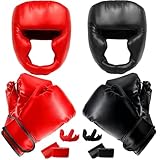
So, you’re stepping into the world of boxing? Fantastic! Whether you’re aiming to spar, hit the heavy bag, or just get a killer workout, one thing is absolutely essential: a properly formed fist inside your boxing gloves. It’s not just about throwing punches; it’s about protecting your hands from injury and maximizing the power of your strikes. A poorly formed fist can lead to sprains, fractures, and a whole lot of pain. Trust me, I’ve seen it firsthand, and it’s not fun.
This guide will walk you through the correct technique for making a fist in your boxing gloves. We’ll cover everything from hand wrapping to the final clenched fist, ensuring you’re ready to throw punches with confidence and safety. Think of it as your personal tutorial for building the foundation of a solid boxing technique. Let’s get started and make sure those hands are ready to deliver!
The Importance of Proper Fist Formation
Before we dive into the ‘how,’ let’s talk about the ‘why.’ Why is it so crucial to form your fist correctly inside boxing gloves? The answer is threefold: injury prevention, power generation, and overall performance.
First and foremost, protecting your hands is paramount. Boxing is a high-impact sport. Repeatedly hitting a heavy bag or an opponent without proper technique can quickly lead to broken bones, sprained knuckles, and other debilitating injuries. A well-formed fist distributes the force of the impact across your hand, minimizing the stress on any single point.
Secondly, a correctly formed fist maximizes your punching power. Think of it like a tightly wound spring. When you clench your fist properly, you create a solid, compact striking surface. This allows you to transfer all your energy from your body, through your arm, and into your punch, resulting in a more powerful impact.
Finally, proper fist formation contributes to overall performance and technique. It’s the foundation upon which all your punches are built. A weak or improperly formed fist will hinder your ability to throw effective punches, maintain your guard, and execute combinations. It’s like trying to build a house on a shaky foundation – it just won’t work.
Essential Gear: Boxing Gloves and Hand Wraps
Before we even think about making a fist, you need the right gear. The two most important pieces of equipment are your boxing gloves and hand wraps. Let’s break down why they are essential and how to choose them.
Boxing Gloves: Your First Line of Defense
Boxing gloves are designed to cushion your hands and protect your opponent. They come in various weights (measured in ounces), with heavier gloves providing more padding and protection. The weight you choose depends on your training goals and experience level. For example, heavier gloves (14-16 oz) are often used for sparring and heavy bag work, while lighter gloves (10-12 oz) may be used for speed drills and competition (though competition glove weight is often regulated).
When choosing boxing gloves, consider the following:
- Weight: As mentioned, heavier gloves offer more protection. Start with 14-16 oz gloves for training.
- Material: Leather gloves are generally more durable and last longer than synthetic gloves.
- Fit: Gloves should fit snugly but not too tight. You should be able to comfortably make a fist inside the glove with your hand wraps on.
- Closure: Velcro closures are convenient for training, while lace-up gloves provide a more secure fit, often preferred for competition.
Hand Wraps: The Unsung Heroes
Hand wraps are the unsung heroes of boxing. They provide an extra layer of protection for your hands and wrists, absorbing impact and preventing injuries. They also help to stabilize your wrist and reinforce your knuckles.
There are two main types of hand wraps:
- Mexican-style wraps: These are generally thicker and more elastic, providing a tighter and more supportive wrap.
- Standard wraps: These are typically less elastic and offer good protection for beginners.
When choosing hand wraps, consider these factors: (See Also: Are Muay Thai Gloves The Same As Boxing Gloves )
- Length: Wraps typically range from 120-180 inches. Longer wraps offer more coverage. Aim for 180-inch wraps for adequate protection.
- Material: Cotton-polyester blends are common and provide a good balance of durability and comfort.
- Closure: Velcro closures make it easy to secure the wraps.
Step-by-Step Guide: Making a Fist in Boxing Gloves
Now, let’s get down to the practical steps of making a fist inside your boxing gloves. This process involves hand wrapping, which is crucial. Take your time with this. It’s better to wrap your hands correctly and slowly than to rush and risk injury. Follow these steps meticulously, and you’ll be well on your way to protecting your hands.
Step 1: Preparing Your Hand Wraps
Before you start, make sure you have your hand wraps ready. Unroll them and identify the loop for your thumb. Ensure the loop is facing the correct direction to start the wrap process.
Step 2: Securing the Thumb
Place the thumb loop over your thumb, ensuring it fits comfortably. Then, wrap the hand wrap around your wrist several times. This is the foundation of your wrist support. The initial wraps around the wrist provide crucial stability and prevent your wrist from bending backward during a punch.
Step 3: Wrapping the Wrist
Continue wrapping your wrist, overlapping each layer slightly. Aim for a firm but not overly tight wrap. The wrist wrap should provide support without restricting blood flow. The tightness should be just enough to prevent the wrist from bending, but not so tight that it cuts off circulation. This is critical for preventing sprains.
Step 4: Wrapping the Knuckles
After securing the wrist, begin wrapping your knuckles. Start by wrapping around the base of your knuckles, then move up and over the knuckles themselves. This provides cushioning and support for the knuckles, which are the primary striking surface. Wrap around each knuckle, creating a protective layer.
Consider these variations for knuckle wrapping:
- Traditional Wrap: Wrap over the knuckles, creating a protective pad.
- X-Pattern: Wrap in an X-pattern across your knuckles for added support.
Step 5: Wrapping Between the Fingers
Next, wrap between your fingers, focusing on the spaces between your knuckles. This provides additional support and helps to keep your hand compact inside the glove. Wrapping between the fingers helps to keep your hand in a fist, preventing your fingers from splaying out during impact.
Step 6: Securing the Hand
Continue wrapping your hand, paying attention to the areas around your palm and the back of your hand. Ensure all areas are adequately protected. Make sure the wrap isn’t bunching up in any one area. Distribute the wrap evenly for uniform protection.
Step 7: Finishing the Wrap
Once you’ve wrapped your hand, secure the end of the wrap with the Velcro closure. Make sure the wrap is snug but not constricting. Check for any loose ends and tuck them in. Ensure the Velcro is properly secured for a tight fit.
Step 8: Putting on Your Boxing Gloves
With your hands wrapped, it’s time to put on your boxing gloves. Slide your hand into the glove, ensuring your fingers are properly positioned. Make a fist inside the glove and check for a comfortable fit.
Step 9: Making the Fist Inside the Glove
This is where everything comes together. With your hand wrapped and inside the glove, focus on making a solid fist. Here’s how: (See Also: Can You Wrestle In Boxing Shoes )
- Close Your Fingers: Start by curling your fingers inward, as if you’re making a fist without the glove.
- Clench Tightly: Once your fingers are curled, clench your fist tightly, ensuring your thumb is resting on the outside of your index and middle fingers.
- Position Your Thumb: The thumb should be positioned on the outside of the fist, not tucked inside. This helps protect the thumb from injury.
- Maintain Tightness: Keep your fist tight throughout your training session. This helps to protect your knuckles and wrists.
Step 10: Checking Your Fist
Once you’ve made your fist inside the glove, take a moment to check your form. Make sure your wrist is straight, your knuckles are aligned, and your thumb is in the correct position. If anything feels off, adjust your hand wrap or your fist formation accordingly. A correct fist will feel solid and secure inside the glove, with no excessive movement or discomfort.
Common Mistakes to Avoid
Even with the best instructions, it’s easy to make mistakes when learning how to make a fist in boxing gloves. Here are some common errors to avoid, along with tips on how to correct them:
Mistake 1: Improper Hand Wrapping
Problem: Inadequate or uneven hand wrapping can leave parts of your hand unprotected, increasing the risk of injury. Common issues include not wrapping the wrist tightly enough, insufficient knuckle padding, or wraps that are too loose.
Solution: Take your time when wrapping your hands. Watch videos and practice until you’re comfortable with the process. Make sure to wrap your wrist securely, provide adequate padding for your knuckles, and ensure the wrap is snug but not constricting. Experiment with different hand wrap patterns to find what works best for you.
Mistake 2: Incorrect Fist Formation
Problem: Failing to clench your fist tightly, positioning your thumb incorrectly, or not aligning your knuckles properly can all lead to injury and reduced punching power.
Solution: Focus on curling your fingers inward, clenching your fist tightly, and keeping your thumb on the outside of your index and middle fingers. Practice making a fist in front of a mirror to check your form. Visualize the impact point and ensure your knuckles are aligned to strike the target squarely.
Mistake 3: Over-Tightening Hand Wraps
Problem: Wrapping your hands too tightly can restrict blood flow, leading to numbness, tingling, and potentially more serious issues. It also makes it difficult to make a full fist.
Solution: Ensure your hand wraps are snug but not constricting. You should still be able to comfortably move your fingers and make a fist without feeling restricted. If you experience numbness or tingling, loosen the wraps slightly.
Mistake 4: Neglecting Wrist Support
Problem: Insufficient wrist support can increase the risk of sprains and other wrist injuries. This is a common mistake among beginners who don’t wrap their wrists properly.
Solution: Pay close attention to your wrist wrapping technique. Wrap your wrist multiple times, ensuring it’s well-supported. You can also consider using wrist guards or supports for extra protection, especially if you have a history of wrist problems.
Mistake 5: Not Practicing Regularly
Problem: Like any skill, making a proper fist takes practice. If you don’t practice regularly, you’ll be more likely to make mistakes and increase your risk of injury. (See Also: Is Everlast Good Boxing Gloves )
Solution: Make hand wrapping and fist formation a regular part of your training routine. Practice wrapping your hands and making a fist before every workout. You can also practice shadow boxing, focusing on your fist formation and technique.
Advanced Techniques and Considerations
Once you’ve mastered the basics of making a fist in boxing gloves, you can explore some more advanced techniques and considerations to further refine your technique and protect your hands.
Technique 1: Adjusting for Different Glove Types
Different types of boxing gloves (bag gloves, sparring gloves, competition gloves) may require slight adjustments to your fist formation. For instance, sparring gloves often have more padding, which can change the feel of your fist. Bag gloves may allow for a tighter fist due to less padding. Experiment to find what works best for each glove type.
Technique 2: Strengthening Exercises
Incorporate hand and wrist strengthening exercises into your routine. This can help to improve your grip strength, stabilize your wrists, and further protect your hands. Exercises like wrist curls, reverse wrist curls, and plate pinches are beneficial.
Technique 3: Listening to Your Body
Pay attention to your body and recognize signs of fatigue or overuse. If you experience any pain or discomfort in your hands or wrists, stop training and rest. Don’t push through pain, as this can lead to serious injuries. Proper warm-up is also critical.
Consideration 1: Glove Maintenance
Properly maintain your boxing gloves to extend their lifespan and ensure they provide adequate protection. After each workout, wipe down your gloves with a damp cloth and allow them to air dry completely. Avoid leaving your gloves in direct sunlight or extreme temperatures. Consider using glove deodorizers to prevent odors.
Consideration 2: Hand Hygiene
Keep your hands clean and free of any cuts or abrasions. This will help to prevent infections. Wash your hands thoroughly before and after each workout. If you have any cuts or scrapes, cover them with a bandage before wrapping your hands.
Consideration 3: Seek Professional Guidance
If you’re serious about boxing, consider seeking guidance from a qualified boxing coach. A coach can provide personalized instruction, correct your technique, and help you avoid common mistakes. They can also provide valuable insights into hand wrapping and fist formation.
Final Thoughts
Proper fist formation is a cornerstone of safe and effective boxing. By understanding the importance of protecting your hands, following the step-by-step guide, and avoiding common mistakes, you’ll be well-equipped to minimize the risk of injury and maximize your punching power. Remember that consistent practice and attention to detail are key. So, wrap those hands, clench that fist, and get ready to throw some punches! With the right technique, you’ll be building a solid foundation for your boxing journey.
Mastering the art of making a fist in boxing gloves is a crucial step for anyone stepping into the ring, whether for fitness or competition. We’ve covered the essentials, from the crucial role of hand wraps to the final, powerful clench. Remember to prioritize safety and practice diligently.
The journey to proper fist formation takes time and dedication. Always prioritize the health of your hands, and never hesitate to seek guidance from experienced trainers. With consistent effort and attention to detail, you’ll develop a fist that is both powerful and well-protected.
Now that you have the knowledge, put it into action. Go practice, refine your technique, and enjoy the process of becoming a better boxer. Your hands will thank you!