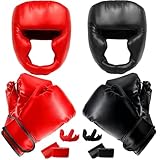
So, you’ve got a brand-new pair of boxing gloves, or maybe you’ve had yours for a while, and they feel like concrete blocks. Ouch! Stiff gloves can make training and sparring uncomfortable, hinder your technique, and even increase your risk of injury. Don’t worry, though; it’s a common problem, and thankfully, there are several effective ways to soften those gloves and get them feeling just right.
In this comprehensive guide, we’ll explore various methods to break in and soften your boxing gloves, from simple techniques to more advanced approaches. We’ll cover everything from the materials used in glove construction to the best practices for both leather and synthetic gloves. Whether you’re a seasoned fighter or just starting, understanding how to properly care for your gloves is essential for maximizing their lifespan and your performance. Let’s get those gloves feeling like a second skin!
Understanding Boxing Glove Construction and Stiffness
Before diving into softening techniques, it’s helpful to understand why boxing gloves can feel so stiff in the first place. The primary factors contributing to stiffness include the materials used and the manufacturing process.
Materials Matter
Boxing gloves are typically made from either leather or synthetic materials, such as polyurethane (PU) or polyvinyl chloride (PVC). Leather gloves, especially those made from full-grain leather, are generally more durable and tend to soften over time with proper care. Synthetic gloves are often more affordable and require less maintenance, but they may not soften as readily as leather.
- Leather: Full-grain leather is the highest quality and most durable. It will soften and mold to your hand over time. However, it requires more care and can be more expensive. Split-grain leather is less expensive but also less durable.
- Synthetic Materials: PU and PVC are common alternatives. They are more resistant to wear and tear, but they may not breathe as well as leather, leading to more sweat and potential for odor.
The Role of Padding
The padding inside the glove is crucial for shock absorption and hand protection. This padding is typically made of layers of foam, often a combination of different densities. The type and density of the foam significantly impact the glove’s feel and stiffness.
- Foam Types: Common foam types include layered foam, molded foam, and IMF (Injection Molded Foam). IMF gloves are often pre-molded and can feel stiffer initially.
- Foam Density: Higher-density foam provides more protection but can also contribute to a stiffer feel. Lower-density foam may offer better flexibility but less protection.
Manufacturing Processes
The way a glove is constructed also plays a role in its initial stiffness. New gloves often have a tighter fit and less give until they’ve been broken in through use and the natural softening process. The stitching and construction methods contribute to the overall rigidity of the glove.
Breaking in Your Boxing Gloves: Step-by-Step Methods
Now, let’s explore the practical methods to soften your boxing gloves. We’ll cover both natural and accelerated approaches, so you can choose the ones that best suit your needs and preferences.
1. The Natural Approach: Consistent Use
The simplest and most natural way to soften boxing gloves is through regular use. The repeated impact and flexing of the glove will gradually break down the materials and mold them to your hand. This is the method most fighters prefer.
- Heavy Bag Work: Spend time hitting the heavy bag regularly. Focus on proper technique, and vary your punches to work different areas of the glove.
- Sparring (with caution): If your gloves are new, start with light sparring to avoid injuring your sparring partner. Gradually increase intensity as the gloves soften.
- Shadowboxing: Shadowboxing helps flex the gloves and get them used to your hand movements without any impact.
Pros: Simple, requires no extra equipment, and molds the gloves to your hand perfectly. Cons: Can be a slow process, may require patience.
2. The Hand Wrap Method
This method involves using hand wraps to provide extra support and help mold the gloves to your hand shape more quickly. This is a very effective and common practice. (See Also: Are Muay Thai Gloves The Same As Boxing Gloves )
- Wrap Your Hands: Wrap your hands as you normally would, ensuring a snug but comfortable fit.
- Wear the Gloves: Put on your gloves over the hand wraps.
- Punch the Heavy Bag: Work on the heavy bag as usual, focusing on various punches and combinations.
- Repeat Regularly: Repeat this process during your training sessions. The hand wraps will help shape the gloves more quickly.
Pros: Speeds up the break-in process, provides extra hand support. Cons: Requires hand wraps and extra time.
3. The Water and Conditioning Method (leather Gloves)
This method is specifically for leather gloves and should be approached with caution. Water can damage leather if used improperly. The goal is to hydrate the leather and allow it to soften and become more pliable.
- Lightly Dampen the Leather: Use a clean sponge or cloth, and lightly dampen the leather exterior of the gloves. Do not soak them.
- Apply Leather Conditioner: Apply a leather conditioner to the gloves. This will help to keep the leather moisturized and prevent cracking.
- Work the Gloves: Put on the gloves and work them by punching the heavy bag or shadowboxing. This will help the leather absorb the conditioner and mold to your hands.
- Air Dry: Allow the gloves to air dry naturally, away from direct sunlight or heat.
Pros: Can significantly soften leather gloves, helps preserve the leather. Cons: Requires careful application of water and conditioner to avoid damage. Over-wetting can ruin the gloves.
Important Note: Always test leather conditioner on a small, inconspicuous area of the glove first to ensure it does not discolor or damage the leather.
4. The Heat Method (use with Caution)
Heat can soften materials, but it can also cause damage if not used carefully. This method is generally recommended for leather gloves and should be used cautiously.
- Warm, Not Hot: Do not use direct heat sources like a hairdryer. Instead, use a warm (not hot) environment.
- Indirect Heat: Place the gloves in a warm room or near a heater (but not directly in front of it) for a short period.
- Work the Gloves: Put on the gloves and work them by punching the heavy bag or shadowboxing. This allows the heat to make the leather pliable.
- Air Dry: Allow the gloves to cool and air dry naturally.
Pros: Can accelerate the softening process. Cons: Risk of damaging the gloves if overheated. Avoid direct heat.
5. The Punching Buddy Method (sparring Partner)
If you have a trusted sparring partner, you can ask them to help break in your gloves by holding pads or hitting the heavy bag with them. This is an excellent way to get an objective opinion on how the gloves are feeling.
- Let Your Partner Use Them: Have your sparring partner use your gloves during their training sessions.
- Monitor Progress: Check the gloves periodically to see how they are softening.
- Return the Favor: Offer to help break in their gloves in return.
Pros: Effective, and provides an outside perspective. Cons: Requires a willing sparring partner.
6. The Physical Manipulation Method
This method involves physically manipulating the gloves to help break down the materials and soften them. You can do this without any equipment. (See Also: Can You Wrestle In Boxing Shoes )
- Flex and Bend: Bend and flex the gloves in various directions, especially around the knuckles and wrist.
- Squeeze and Massage: Squeeze and massage the padding to loosen it up.
- Work the Wrist: Flex the wrist area to increase flexibility.
- Repeat Regularly: Do this regularly while watching TV or during downtime.
Pros: Simple, requires no equipment, and can be done anywhere. Cons: Might not be as effective as other methods.
Maintaining Your Boxing Gloves for Long-Term Softness
Once you’ve softened your gloves, it’s essential to maintain them properly to extend their lifespan and keep them feeling comfortable. Proper care will also help prevent them from stiffening up again.
Cleaning Your Gloves
Regular cleaning is vital to prevent sweat and bacteria from building up, which can lead to odor and damage to the materials. This is key to long-term softness.
- Wipe Down After Each Use: Use a clean, damp cloth to wipe down the exterior of the gloves after each training session.
- Air Dry Properly: Allow your gloves to air dry completely after each use. Avoid placing them in direct sunlight or near a heat source, as this can damage the leather or synthetic materials.
- Use a Glove Deodorizer: Use a glove deodorizer or spray to eliminate odors and prevent bacterial growth. You can find these at most sporting goods stores or online.
Storing Your Gloves Correctly
Proper storage is essential to prevent moisture buildup and maintain the shape of your gloves.
- Store in a Well-Ventilated Area: Avoid storing your gloves in a gym bag or other enclosed space where moisture can accumulate.
- Use Glove Deodorizers or Dryer Sheets: Place deodorizers or dryer sheets inside the gloves to absorb moisture and prevent odors.
- Use Glove Holders: Consider using glove holders to help maintain the shape of your gloves and promote airflow.
Leather Glove Conditioning (leather Gloves Only)
For leather gloves, regular conditioning is crucial to keep the leather supple and prevent it from drying out and cracking.
- Condition Regularly: Apply leather conditioner every few weeks or as needed, depending on how often you use your gloves.
- Follow Instructions: Follow the manufacturer’s instructions for the specific conditioner you are using.
- Avoid Over-Conditioning: Over-conditioning can make the leather too soft and may damage it.
Hand Wrap Maintenance
Hand wraps also need to be properly maintained to provide good support and hygiene.
- Wash After Each Use: Wash your hand wraps after each training session to remove sweat and bacteria.
- Use a Laundry Bag: Use a laundry bag to protect your hand wraps during washing.
- Air Dry: Allow your hand wraps to air dry completely before using them again.
Comparing Softening Methods: A Quick Guide
Here’s a table to help you compare the different softening methods and their suitability:
| Method | Description | Best For | Pros | Cons |
|---|---|---|---|---|
| Consistent Use | Regular training on heavy bags, sparring, and shadowboxing | All glove types | Natural, molds to your hand | Slow process, requires patience |
| Hand Wrap Method | Using hand wraps during training | All glove types | Speeds up break-in, provides support | Requires hand wraps |
| Water and Conditioning | Lightly dampening and conditioning leather gloves | Leather gloves | Softens leather, preserves leather | Requires careful application, potential for damage |
| Heat Method | Applying indirect heat to the gloves | Leather gloves | Accelerates softening | Risk of damage if overheated |
| Punching Buddy | Having a sparring partner use the gloves | All glove types | Effective, offers an outside perspective | Requires a willing sparring partner |
| Physical Manipulation | Flexing, bending, and massaging the gloves | All glove types | Simple, requires no equipment | May not be as effective on its own |
Troubleshooting Common Glove Stiffness Issues
Sometimes, even after trying the above methods, your gloves may still feel stiff. Here are some common issues and how to address them.
Glove Material
Problem: Synthetic gloves may not soften as readily as leather. (See Also: Is Everlast Good Boxing Gloves )
Solution: Be patient, as it might take longer. Focus on consistent use, the hand wrap method, and physical manipulation. Avoid using water or heat, as it might damage the synthetic materials.
Padding Issues
Problem: The padding inside the gloves may be too dense or stiff.
Solution: Focus on consistent use and physical manipulation to help break down the foam. Consider having a professional boxing equipment repair shop replace the padding if the gloves are still too stiff after extended use. Ensure the replacement padding is appropriate for your training needs.
Improper Care
Problem: Lack of proper cleaning or storage can lead to stiffness.
Solution: Always clean and dry your gloves after each use. Store them in a well-ventilated area with glove deodorizers. Leather gloves require conditioning to prevent the leather from drying out and becoming stiff.
Glove Fit
Problem: The gloves might not fit your hands well.
Solution: Ensure you have the correct size gloves for your hand size and the type of training you are doing. Ill-fitting gloves can cause discomfort and make it difficult to soften the gloves properly. If the fit is very poor, consider replacing them with a better-fitting pair.
When to Consider Professional Help
If you’ve tried all the methods and your gloves still feel excessively stiff, or if you’re concerned about damaging your gloves, it might be time to seek professional help.
- Glove Repair Shops: A professional can assess the gloves and possibly replace the padding or make other adjustments.
- Boxing Coaches: Your coach might have additional tips or be able to recommend a specific approach based on your training style.
- Manufacturer Support: Contact the glove manufacturer for advice or potential warranty issues if you believe the gloves are defective.
Final Thoughts
Making your boxing gloves softer is essential for comfort, performance, and injury prevention. By understanding the materials used in glove construction and employing the right techniques, you can significantly improve the feel of your gloves. Remember to be patient, consistent, and always prioritize proper care and maintenance. Whether you choose the natural approach of consistent use, the focused hand wrap method, or the careful use of water and conditioner for leather gloves, the goal is to create gloves that mold to your hands and enhance your training experience. With a little effort and the right approach, you’ll be able to enjoy gloves that provide both protection and comfort, allowing you to focus on what matters most: your performance in the ring.