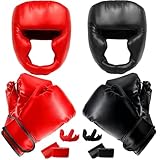
Boxing is a demanding sport. Whether you’re a seasoned professional or just starting, you know how crucial your gear is. And among your most important pieces of equipment are your boxing gloves. They take a beating, absorbing countless impacts, protecting your hands, and enabling you to perform at your best. But, like any piece of equipment subjected to such intense use, boxing gloves won’t last forever. However, with the right care and maintenance, you can significantly extend their lifespan, saving you money and ensuring your gloves continue to provide optimal protection.
This guide is designed to provide you with a comprehensive understanding of how to make boxing gloves last longer. We’ll explore everything from proper usage and storage to cleaning and repair techniques. By following these practical tips, you can protect your investment and keep your gloves in top condition for as long as possible. Let’s get started on the journey to preserving your boxing gloves!
Understanding the Importance of Glove Care
Before diving into specific techniques, it’s essential to appreciate why proper glove care is so important. Think of your boxing gloves as an investment. Quality gloves can be expensive, and replacing them frequently can put a dent in your wallet. More importantly, well-maintained gloves offer better protection for your hands. Worn-out gloves lose their padding and shock absorption capabilities, increasing the risk of injuries like sprains, fractures, and contusions. Neglecting your gloves also exposes you to hygiene risks, as moisture and bacteria can accumulate, leading to unpleasant odors and potential skin infections.
Proper care, therefore, is not just about extending the life of your gloves; it’s about safeguarding your health and ensuring you can continue to train and compete at your best. Let’s explore the key aspects of glove care in detail.
Proper Usage and Breaking-in Your Gloves
The way you use your gloves significantly impacts their lifespan. Here’s a breakdown of best practices:
Choosing the Right Gloves
Selecting the right gloves for your training needs is the first step. Consider the following:
- Weight: Heavier gloves (14-16 oz) are often used for sparring and bag work, providing more protection. Lighter gloves (10-12 oz) are often preferred for speed work and competition. Choosing the appropriate weight based on your training will help prevent premature wear and tear.
- Material: Leather gloves are generally more durable than synthetic ones. However, synthetic gloves can be a good option for beginners or those on a budget. Leather gloves require more care, but they typically last longer.
- Fit: Ensure a snug but comfortable fit. Gloves that are too tight can restrict blood flow, while gloves that are too loose can shift during impact, reducing protection.
Breaking in Your Gloves Correctly
New gloves often feel stiff. Breaking them in properly is crucial for both comfort and longevity.
- Use Hand Wraps: Always wear hand wraps. They provide extra support and absorb sweat, protecting the glove’s interior.
- Gradual Use: Start with light bag work and gradually increase the intensity. Avoid heavy sparring or intense training sessions immediately.
- Proper Punching Technique: Focus on proper punching form from the beginning. Avoid slapping or glancing blows that can damage the gloves.
Avoiding Overuse
Don’t use the same gloves for everything. Having separate gloves for bag work and sparring can extend the life of both pairs. Bag work tends to wear down gloves faster than sparring. Rotate your gloves to give them a chance to dry out and recover between uses. Overuse can cause the padding to compress and lose its shock-absorbing properties. (See Also: Are Muay Thai Gloves The Same As Boxing Gloves )
Cleaning and Sanitizing Your Boxing Gloves
Cleaning and sanitizing your gloves is essential for hygiene and extending their life. Here’s a step-by-step guide:
After Every Training Session
- Wipe Down the Exterior: After each use, wipe down the exterior of your gloves with a clean, damp cloth. Remove any sweat, dirt, or debris.
- Air Dry: Allow your gloves to air dry completely after each use. Avoid direct sunlight or heat, as this can damage the leather.
- Use a Glove Deodorizer: Insert a glove deodorizer or a moisture-absorbing packet (silica gel) to absorb sweat and combat odors.
Regular Deep Cleaning
Deep cleaning should be done regularly, depending on your training frequency. For most, once or twice a month is sufficient. For professional fighters, more frequent cleaning may be required.
- Interior Cleaning:
- Remove Odors: Prepare a solution of equal parts white vinegar and water. Lightly dampen a clean cloth with the solution.
- Wipe the Interior: Gently wipe the inside of your gloves with the damp cloth, paying attention to areas that accumulate sweat.
- Air Dry Thoroughly: Allow the gloves to air dry completely, ideally overnight, in a well-ventilated area.
- Exterior Cleaning (Leather Gloves):
- Clean with Leather Cleaner: Use a leather cleaner specifically designed for boxing gloves. Follow the product instructions.
- Condition the Leather: Apply a leather conditioner to keep the leather supple and prevent cracking.
- Exterior Cleaning (Synthetic Gloves):
- Mild Soap and Water: Use a mild soap and water solution to clean the exterior.
- Rinse and Dry: Rinse thoroughly and allow to air dry.
Sanitizing
Sanitizing is critical to kill bacteria and prevent skin infections. There are several effective methods:
- Antibacterial Sprays: Use an antibacterial spray specifically designed for sports equipment. Spray the interior and exterior of the gloves. Allow the gloves to dry completely.
- UV Sterilization: Consider using a UV sterilizer for gloves. These devices use ultraviolet light to kill bacteria and fungi.
- Ozone Generators: Ozone generators can effectively sanitize gloves by oxidizing bacteria and odors. Use them in a well-ventilated area, and follow the manufacturer’s instructions carefully.
Proper Storage of Boxing Gloves
How you store your gloves plays a significant role in their longevity. Here are some storage tips:
- Air Circulation: Store your gloves in a well-ventilated area. Avoid storing them in a gym bag or enclosed space where moisture can accumulate.
- Shape Retention: Use glove shapers or stuff the gloves with newspaper or towels to help them maintain their shape and prevent the padding from compressing.
- Temperature and Humidity: Store your gloves in a cool, dry place. Extreme temperatures or humidity can damage the materials.
- Avoid Direct Sunlight: Direct sunlight can cause the leather to dry out and crack.
Repairing Your Boxing Gloves
Even with the best care, your gloves may eventually need repairs. Here’s a guide to common issues and how to address them:
Tears and Seam Separation
Minor tears or seam separations can often be repaired. Do not ignore small tears, as they will worsen over time.
- DIY Repair: If you’re handy with a needle and thread, you can repair small tears yourself. Use a strong, durable thread designed for leather or heavy fabrics. Consider using a leather needle for easier sewing.
- Professional Repair: For more extensive damage, or if you’re not comfortable with DIY repairs, take your gloves to a professional leather repair shop.
Padding Issues
The padding is the most crucial component for protection. Watch for: (See Also: Can You Wrestle In Boxing Shoes )
- Compression and Flattening: If the padding feels compressed or flattened, the gloves may need to be replaced.
- Loose Padding: Loose padding can shift during impact, reducing protection. This may require professional repair.
Loose Straps or Velcro
Loose straps or velcro can impair the gloves’ functionality.
- Reinforcement: Reinforce loose straps or velcro with strong stitching.
- Replacement: If the velcro is worn out, consider replacing it. A professional repair shop can often do this.
Dealing with Odors
Persistent odors indicate a buildup of bacteria. It’s important to eliminate these for hygiene and glove preservation.
- Thorough Cleaning: Follow the cleaning and sanitizing steps mentioned earlier.
- Baking Soda: Place a small container of baking soda inside each glove to absorb odors.
- Odor-Absorbing Inserts: Use commercially available odor-absorbing inserts.
Tips for Different Glove Materials
Different glove materials require slightly different care approaches:
Leather Gloves
Leather gloves are generally more durable but require more attention.
- Cleaning: Use leather cleaner and conditioner regularly.
- Conditioning: Apply leather conditioner to keep the leather supple and prevent cracking.
- Storage: Store leather gloves in a cool, dry place away from direct sunlight.
Synthetic Gloves
Synthetic gloves are often more affordable and easier to maintain.
- Cleaning: Use mild soap and water to clean the exterior.
- Drying: Ensure the gloves are thoroughly dry after each use.
- Ventilation: Store synthetic gloves in a well-ventilated area.
Common Mistakes to Avoid
Avoiding common mistakes will significantly extend the life of your gloves:
- Neglecting Cleaning: Failing to clean your gloves regularly will lead to a buildup of sweat, bacteria, and odors, shortening their lifespan.
- Improper Drying: Drying gloves in direct sunlight or with heat can damage the materials.
- Overuse: Using the same gloves for all types of training will accelerate wear and tear.
- Ignoring Damage: Failing to address minor tears or other damage promptly can lead to more significant problems.
- Poor Storage: Storing gloves in a damp or enclosed space can promote mold and mildew growth.
The Role of Hand Wraps
Hand wraps are an indispensable part of boxing, and they play a critical role in glove longevity. (See Also: Is Everlast Good Boxing Gloves )
- Sweat Absorption: Hand wraps absorb the majority of the sweat produced during training, preventing it from soaking into the gloves. This reduces the moisture that can damage the padding and cause odors.
- Support and Protection: Hand wraps provide additional support to the wrists and hands, minimizing the impact on the gloves. This reduces the stress on the gloves and helps them last longer.
- Hygiene: Hand wraps create a barrier between your hands and the interior of the gloves, reducing the transfer of bacteria and sweat. This helps maintain the cleanliness of the gloves and protects your skin from potential infections.
Always wear hand wraps. They are a small investment that offers a significant return in terms of glove protection, hygiene, and injury prevention.
Choosing Quality Gloves in the First Place
The quality of your gloves significantly impacts their longevity. While proper care is essential, starting with a good pair of gloves sets you up for success. Consider these factors when purchasing gloves:
- Material: Leather gloves are generally more durable than synthetic ones. However, quality synthetic gloves can also be a good option.
- Construction: Look for gloves with reinforced stitching and durable materials.
- Brand Reputation: Research reputable boxing glove brands known for quality and durability.
- Reviews: Read reviews from other boxers to assess the gloves’ performance and longevity.
Training Environment and Glove Longevity
The environment in which you train can also affect your gloves’ lifespan. Consider the following:
- Humidity: High humidity can accelerate the breakdown of glove materials. Ensure your training area is well-ventilated and dry.
- Temperature: Extreme temperatures can damage glove materials. Avoid storing or using your gloves in extreme heat or cold.
- Surface: The surface you train on can impact your gloves. Bag work on rough surfaces can wear down the gloves faster.
Creating a Glove Care Routine
Establishing a consistent glove care routine is key to extending their life. Here’s a suggested routine:
- After Each Use:
- Wipe down the exterior.
- Insert a glove deodorizer.
- Allow to air dry.
- Weekly:
- Remove the deodorizer.
- Check for any damage.
- Wipe the interior with a damp cloth if necessary.
- Monthly:
- Deep clean the interior and exterior (as described above).
- Apply leather conditioner if applicable.
By following this routine, you’ll be well on your way to making your gloves last longer.
When to Replace Your Gloves
Knowing when to replace your gloves is crucial for safety and performance. Here are some signs that it’s time for a new pair:
- Padding Compression: If the padding feels excessively compressed or flattened, the gloves are no longer providing adequate protection.
- Tears and Damage: Significant tears or damage that can’t be repaired.
- Loss of Shape: If the gloves have lost their original shape and no longer fit properly.
- Unpleasant Odor: Persistent, overpowering odors that can’t be eliminated indicate a buildup of bacteria.
- Age: Even with proper care, gloves have a finite lifespan. Replace your gloves every 1-2 years, depending on usage.
Don’t wait until your gloves are falling apart before replacing them. Prioritize your safety and performance by investing in new gloves when necessary.
Final Thoughts
Extending the life of your boxing gloves is a combination of proper usage, diligent cleaning, and smart storage practices. By following the guidelines outlined in this guide, you can significantly reduce wear and tear, maintain optimal protection, and save money in the long run. Remember to choose the right gloves for your training, break them in gradually, and establish a regular cleaning and maintenance routine. Furthermore, always prioritize your safety by replacing your gloves when they show signs of wear or damage. By taking these steps, you will not only prolong the life of your gloves but also enhance your overall boxing experience and enjoy the sport for years to come.
Proper glove care is an investment in your health, performance, and financial well-being. Make it a part of your training regime, and you’ll be well-equipped to keep your gloves in top condition, ready to support you through every round.