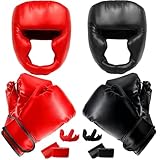
Ever walked into a gym and been hit with that… distinctive aroma emanating from the boxing bag and the gloves? We’ve all been there. Let’s be honest, boxing gloves can get seriously funky. Sweat, bacteria, and the general wear and tear of intense training create the perfect breeding ground for unpleasant odors.
But don’t despair! Keeping your boxing gloves smelling fresh isn’t an impossible task. It requires a little bit of know-how and some consistent effort. I’m going to share some proven methods, tips, and tricks that I’ve learned over years of training and coaching. We’ll cover everything from simple post-workout routines to deep-cleaning strategies.
This isn’t just about masking smells; it’s about eliminating the source of the odor and prolonging the life of your gloves. So, grab your gloves, and let’s get started on the journey to fresher, cleaner-smelling boxing gear!
Understanding the Culprits: What Makes Boxing Gloves Stink?
Before we dive into solutions, let’s understand the root causes of those less-than-pleasant odors. Knowing what causes the smell will help us choose the most effective strategies to combat it.
The Moisture Menace: Sweat and Humidity
The primary culprit is, unsurprisingly, sweat. Boxing is a high-intensity sport, and your hands will sweat. This sweat gets absorbed by the glove’s padding and lining. The humid environment inside the gloves creates an ideal environment for bacteria and fungi to thrive. The more you sweat, the more moisture, and the faster the odor develops.
Bacterial Breakdown: The Microbial Party
Your sweat isn’t the only problem. The microorganisms that live on your hands and in the air feast on the sweat and dead skin cells absorbed by the gloves. As they break down these organic materials, they release volatile organic compounds (VOCs), which are responsible for the foul smell.
Material Matters: Glove Construction and Odor Retention
The materials used in your boxing gloves also play a significant role. Leather gloves, while durable, are porous and readily absorb moisture. Synthetic materials, like those used in some budget-friendly gloves, can sometimes trap moisture and odors more effectively than genuine leather. The inner lining of the glove, often made of nylon or other synthetic fabrics, can also contribute to the problem, as these materials can be difficult to fully dry.
The Frequency Factor: Usage and Odor Buildup
How often you use your gloves directly impacts the odor. The more you train, the more sweat and bacteria accumulate, and the quicker the smell develops. If you train multiple times a week, you’ll need a more diligent cleaning and maintenance routine compared to someone who boxes only occasionally.
Immediate Actions: Post-Workout Care for Fresh Gloves
The most crucial step in keeping your gloves fresh starts immediately after each training session. This is where consistent habits make all the difference.
Air Drying: The First Line of Defense
Never, ever store your gloves in your gym bag without drying them first. This is the cardinal sin of glove care. Remove your gloves from your bag immediately after training. Open them up as much as possible and place them in a well-ventilated area, away from direct sunlight and heat, to air dry. This prevents moisture buildup and inhibits bacterial growth.
Consider using a glove deodorizer, such as a glove dryer with a UV light, to assist with the drying process and eliminate bacteria. These are particularly useful for those who train frequently. (See Also: Are Muay Thai Gloves The Same As Boxing Gloves )
Wipe Down: Exterior and Interior Cleaning
After each workout, give your gloves a quick wipe-down. Use a clean, slightly damp cloth (not soaking wet) to wipe down the exterior of the gloves. This removes any surface sweat and grime. For the interior, use a cloth wrung out in a solution of warm water and a small amount of mild soap, or specialized glove cleaner. Be sure to wipe down the interior thoroughly, paying attention to areas that come into direct contact with your hands.
Hand Wraps: The Protective Layer
Always use hand wraps when you box. Hand wraps act as a barrier between your hands and the gloves, absorbing most of the sweat. This significantly reduces the amount of moisture that gets into the gloves themselves. Make sure to wash your hand wraps after every training session.
The Baking Soda Boost: Absorbing Odors
Place a small amount of baking soda inside each glove after your workout. Baking soda is a natural odor absorber. It helps to soak up moisture and neutralize smells. Leave the baking soda in the gloves overnight or for at least a few hours.
Deep Cleaning Strategies: Tackling Stubborn Odors
Sometimes, despite your best efforts, odors persist. This is where deep cleaning comes into play. These methods are more intensive and should be done less frequently, perhaps once a month or as needed.
The Vinegar Soak: Natural Disinfectant
Vinegar is a natural disinfectant and deodorizer. Dilute white vinegar with water (a 1:1 ratio) in a spray bottle. Lightly spray the inside of your gloves with the solution. Be careful not to saturate the gloves. Let the vinegar solution sit for a few minutes, then wipe the interior with a clean, damp cloth. Allow the gloves to air dry completely.
The Freezer Method: Freezing Out Bacteria
Freezing your gloves can kill some of the bacteria and fungi that cause odors. Place your gloves in a large freezer bag and seal it tightly. Put the bag in your freezer for at least 24 hours. Remove the gloves from the bag and let them thaw completely. This method is especially helpful if you suspect a fungal issue.
The Alcohol Wipe-Down: Disinfecting Power
Rubbing alcohol can be used to disinfect the interior of your gloves. Mix rubbing alcohol with water (a 1:1 ratio) in a spray bottle. Lightly spray the inside of your gloves and wipe them down with a clean cloth. Rubbing alcohol evaporates quickly, so the gloves should dry fairly quickly.
The Glove Cleaner: Specialized Solutions
There are many commercially available glove cleaners. These cleaners are specifically formulated to clean and deodorize boxing gloves. Follow the instructions on the product label. These cleaners often contain antibacterial agents and can be effective at removing odors. Look for cleaners that are safe for the materials your gloves are made of.
The Washing Machine (use with Caution): When to Consider It
Some gloves, particularly those made of synthetic materials, can be washed in a washing machine, but only if the manufacturer explicitly recommends it. Always check the care label on your gloves. Use a delicate cycle with cold water and a mild detergent. Place the gloves in a mesh laundry bag to protect them. Air dry the gloves completely after washing.
Preventative Measures: Long-Term Freshness
Beyond immediate and deep-cleaning methods, there are preventative measures you can take to keep your gloves fresh over the long term. (See Also: Can You Wrestle In Boxing Shoes )
Proper Storage: Ventilation Is Key
When not in use, store your gloves in a well-ventilated area. Avoid storing them in a gym bag or enclosed container. Consider using a glove rack or a dedicated storage space where air can circulate freely.
Glove Dryers: The Tech Advantage
Glove dryers are designed to dry and deodorize boxing gloves. They use heat and sometimes UV light to kill bacteria and dry the gloves effectively. This is a convenient and effective way to maintain glove freshness, especially for frequent trainers.
Odor Absorbers: Consistent Application
Continue using odor absorbers, such as baking soda or activated charcoal, even when your gloves are not in use. Place the absorbers inside your gloves to continuously absorb moisture and prevent odor buildup.
Rotation: Giving Gloves a Rest
If you train frequently, consider owning two pairs of gloves. This allows you to rotate between them, giving each pair time to fully dry and air out between uses. This reduces the overall wear and tear and helps prevent odor buildup.
Hand Hygiene: Cleanliness Counts
Maintain good hand hygiene. Wash your hands thoroughly before and after each training session. This reduces the transfer of bacteria and sweat to your gloves.
Material-Specific Care: Leather vs. Synthetic
Different materials require slightly different care approaches.
Leather Gloves: Gentle Treatment
Leather gloves require more careful handling. Avoid harsh chemicals or excessive moisture, as they can damage the leather. Use a leather-specific cleaner and conditioner to maintain the leather’s suppleness and prevent cracking. Allow leather gloves to dry naturally, away from direct heat.
Synthetic Gloves: More Resilient
Synthetic gloves are generally more durable and can often withstand more aggressive cleaning methods. However, always check the manufacturer’s care instructions. Synthetic gloves might be more resistant to moisture, but they can still trap odors, so proper drying is still essential.
Troubleshooting Common Odor Problems
Even with the best care, problems can arise. Here’s how to address some common issues.
Persistent Odor: The Stubborn Smell
If the odor persists despite your best efforts, it could indicate a deeper issue, such as fungal growth. Try a combination of deep-cleaning methods, including the vinegar soak, freezer method, and glove cleaner. If the odor is severe, consider consulting a professional glove cleaning service. (See Also: Is Everlast Good Boxing Gloves )
Mold or Mildew: The Serious Threat
Mold or mildew growth is a serious problem. It can damage your gloves and pose a health risk. If you see signs of mold or mildew (dark spots, fuzzy growth), immediately stop using the gloves. Try the freezer method and thoroughly clean the gloves. If the problem persists, consider replacing the gloves.
Sweat Stains: Cosmetic Concerns
Sweat stains on the exterior of your gloves are primarily a cosmetic issue. Wipe down the gloves after each use to prevent staining. For stubborn stains, use a mild soap and water solution to gently scrub the affected area.
When to Replace Your Gloves: Beyond Odor
While odor is a primary concern, there are other factors that indicate it’s time to replace your boxing gloves.
Wear and Tear: The Physical Decline
Inspect your gloves regularly for signs of wear and tear, such as cracks, tears, or damage to the padding. Worn-out gloves provide less protection and can increase the risk of injury. If the gloves are showing significant wear, it’s time to replace them.
Padding Breakdown: Loss of Protection
Over time, the padding in your gloves will break down, reducing its ability to absorb impact. If the padding feels compressed or thin, it’s time to replace the gloves. This is a critical safety consideration.
Odor Persistence: The Unsolvable Stench
If the odor is so persistent that it’s unbearable, even after multiple cleaning attempts, it’s time to consider replacing the gloves. No amount of cleaning can always eliminate a deeply ingrained odor. Sometimes, it’s simply more practical to start fresh.
Health Concerns: When to Prioritize Safety
If you suspect a fungal infection or other health hazard within the gloves, replace them immediately. Your health is the top priority. Don’t risk prolonged exposure to potentially harmful microorganisms.
The Bottom Line: Consistent Care for Fresh Gloves
Keeping your boxing gloves smelling fresh is a manageable process. By adopting a consistent post-workout routine, implementing deep-cleaning strategies when needed, and taking preventative measures, you can significantly reduce odors and extend the life of your gloves. Remember, it’s all about preventing moisture buildup, eliminating bacteria, and providing adequate ventilation. With a little effort, you can ensure your gloves are always ready for your next training session, fresh and ready for action!
Conclusion
Maintaining fresh-smelling boxing gloves is a crucial aspect of both hygiene and glove longevity. By consistently implementing the methods outlined in this guide – from immediate post-workout care to periodic deep cleaning – you can effectively combat odors and extend the life of your gear. Remember, a little proactive effort goes a long way. Make it a habit to air dry your gloves after each session, use hand wraps, and employ odor-absorbing techniques. Don’t be afraid to experiment with the various cleaning methods to find what works best for your gloves and training style. With consistent care, you can keep your gloves fresh, clean, and ready for action, ensuring a more enjoyable and hygienic training experience.