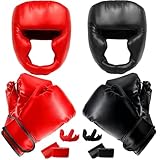
Hey there, fellow boxing enthusiast! There’s nothing worse than the feeling of putting on damp, smelly boxing gloves. It’s a breeding ground for bacteria and can seriously shorten the life of your gear. Trust me, I’ve been there! Keeping your gloves dry is absolutely crucial for your health, the longevity of your equipment, and, let’s be honest, your overall boxing experience.
This guide dives deep into the best methods to ensure your gloves stay dry, fresh, and ready for action. We’ll cover everything from simple post-workout routines to advanced drying techniques and storage solutions. I’ll share my personal experiences and tips that I’ve learned over years of training and coaching. Get ready to say goodbye to soggy gloves and hello to a more enjoyable and hygienic boxing journey!
The Importance of Dry Boxing Gloves
Before we jump into the ‘how,’ let’s talk about the ‘why.’ Why is keeping your boxing gloves dry so important? The answer is multifaceted, touching on hygiene, equipment longevity, and even performance.
Hygiene and Health
Moisture is the enemy when it comes to hygiene. When your gloves are wet, they become a perfect breeding ground for bacteria, mold, and mildew. This can lead to unpleasant odors, skin infections, and even more serious health issues. Think about it: your hands sweat profusely during training, and that sweat gets absorbed into the padding and lining of your gloves. If that moisture isn’t addressed, you’re essentially creating a petri dish for harmful microorganisms.
Preventing Skin Infections: One of the most common issues is the development of skin infections like ringworm or staph. These infections can be easily spread and can sideline you from training. Keeping your gloves dry is a key preventative measure.
Reducing Odor: Nobody wants to smell a pair of stinky boxing gloves. The odor is not only unpleasant but also a sign that bacteria are present and breaking down the materials in your gloves. Proper drying significantly reduces and helps prevent this.
Equipment Longevity
Boxing gloves are an investment. They aren’t cheap, so you want to make them last. Wet gloves break down much faster than dry ones. The constant moisture weakens the materials, causing them to crack, tear, and lose their shape. This not only affects the performance of the gloves but also shortens their lifespan.
Maintaining Padding Integrity: The padding in your gloves is designed to absorb impact and protect your hands. When the padding gets wet, it loses its ability to effectively absorb shock. This can lead to hand injuries. Drying your gloves properly helps maintain the integrity of the padding.
Preventing Material Degradation: The leather or synthetic materials used in boxing gloves can be damaged by moisture. Constant exposure to wet conditions can lead to cracking, shrinking, and other forms of deterioration.
Performance Considerations
Wet gloves can affect your performance in a number of ways. They can feel heavier, less comfortable, and harder to maneuver. This can impact your speed, power, and overall technique. Dry gloves, on the other hand, provide a better fit, improved grip, and enhanced comfort, allowing you to focus on your training.
Improved Grip: A dry glove allows for a better grip on the handwraps and the ability to make a more solid fist.
Comfort and Fit: Wet gloves can cause blisters and discomfort. Dry gloves fit better and feel more comfortable, allowing for better focus during training.
Immediate Post-Workout Drying Procedures
The moment you finish your training session is the most critical time to start drying your gloves. Here’s a step-by-step guide to follow immediately after each workout: (See Also: Are Muay Thai Gloves The Same As Boxing Gloves )
Step 1: Remove and Inspect
Take off your gloves immediately after your workout. Don’t leave them in your gym bag! The longer they stay in a dark, enclosed space, the more time bacteria has to grow.
Inspect your gloves for any damage. Check the stitching, the padding, and the exterior for any signs of wear and tear. Early detection of problems can help you address them before they worsen.
Step 2: Wipe Down the Exterior
Use a clean, dry cloth or towel to wipe down the exterior of your gloves. This removes sweat, dirt, and any other debris that may have accumulated during your workout.
Pay close attention to the areas where your hands come into contact with the gloves, such as the palm and the knuckles. This is where most of the sweat and moisture will be.
Step 3: Absorb Internal Moisture
Use absorbent materials to soak up the sweat inside your gloves. There are several options you can use:
- Newspaper: Crumple up newspaper and stuff it inside your gloves. Newspaper is highly absorbent and can quickly draw out moisture. Replace the newspaper frequently.
- Paper Towels: Similar to newspaper, paper towels can be used to absorb moisture. They are readily available and easy to replace.
- Moisture Absorbing Packs: Silica gel packets are a great option. They absorb moisture and can be reused after being dried in the oven.
- Glove Dogs: These are specifically designed absorbent inserts that fit inside boxing gloves.
Step 4: Air Dry in a Well-Ventilated Area
Place your gloves in a well-ventilated area to air dry. Avoid direct sunlight or heat, as this can damage the materials.
Use a Glove Dryer (Optional): If you have a glove dryer, this can expedite the drying process. However, be sure to follow the manufacturer’s instructions to avoid damaging your gloves.
Advanced Drying Techniques
While the immediate post-workout procedures are essential, there are other methods you can use to further enhance the drying process and keep your gloves in top condition.
Using a Glove Dryer
Glove dryers are specifically designed to dry boxing gloves effectively. They typically use a combination of heat and air circulation to remove moisture. However, it’s important to use them correctly to avoid damaging your gloves.
How to Use a Glove Dryer:
- Read the instructions: Always follow the manufacturer’s instructions for your specific glove dryer model.
- Prepare your gloves: Remove any excess moisture with a towel or absorbent materials before placing your gloves in the dryer.
- Set the timer and temperature: Most glove dryers have adjustable settings for temperature and drying time. Start with the lowest settings and gradually increase them as needed.
- Monitor the drying process: Check your gloves periodically to ensure they are not overheating or being damaged.
Benefits of Glove Dryers:
- Faster drying: Glove dryers can significantly reduce the drying time compared to air drying alone.
- Improved hygiene: By removing moisture quickly, glove dryers help prevent the growth of bacteria and mold.
- Convenience: Glove dryers are easy to use and can be a great time-saver.
Cautions: (See Also: Can You Wrestle In Boxing Shoes )
- Avoid excessive heat: High temperatures can damage the materials in your gloves, causing them to crack or shrink.
- Use the correct settings: Follow the manufacturer’s instructions to avoid damaging your gloves.
- Don’t overcrowd the dryer: Ensure that there is adequate airflow around your gloves.
Using a Dehumidifier
A dehumidifier can be a valuable tool for drying your boxing gloves, especially if you live in a humid environment. It works by removing moisture from the air, creating a drier environment that helps your gloves dry faster.
How to Use a Dehumidifier:
- Place your gloves in a well-ventilated area, such as a closet or a room with good airflow.
- Position the dehumidifier near your gloves, ensuring that the air circulation is good.
- Run the dehumidifier for several hours, or overnight, to remove moisture from the air.
- Monitor the humidity level in the room. You want to aim for a humidity level of around 40-50%.
Benefits of Using a Dehumidifier:
- Faster drying: A dehumidifier can significantly reduce the drying time, especially in humid environments.
- Improved hygiene: By reducing humidity, a dehumidifier helps prevent the growth of bacteria and mold.
- Protects your equipment: A dehumidifier can extend the lifespan of your gloves and other boxing equipment.
Using Baking Soda
Baking soda is a natural deodorizer and moisture absorber. It can be a useful tool for keeping your boxing gloves fresh and dry.
How to Use Baking Soda:
- After your workout, sprinkle a generous amount of baking soda inside your gloves.
- Spread the baking soda evenly throughout the gloves, ensuring that it reaches all areas.
- Leave the baking soda inside your gloves overnight, or for at least several hours.
- Shake out the baking soda before your next workout.
Benefits of Using Baking Soda:
- Absorbs moisture: Baking soda helps to absorb any remaining moisture inside your gloves.
- Neutralizes odors: Baking soda helps to neutralize any unpleasant odors caused by bacteria.
- Easy to use: Baking soda is readily available and easy to use.
Proper Storage Solutions
How you store your boxing gloves is just as important as how you dry them. Proper storage helps prevent moisture buildup and keeps your gloves in good condition.
Ventilated Storage
Avoid storing your gloves in a gym bag or any other enclosed space. This can trap moisture and promote bacterial growth.
Use a ventilated storage solution, such as a mesh bag or a dedicated glove rack. This allows for good airflow and helps your gloves dry faster.
Consider the climate: If you live in a humid environment, consider using a dehumidifier or storing your gloves in a climate-controlled area.
Using a Glove Rack
A glove rack is a great way to store your boxing gloves. It provides a dedicated space for your gloves to dry and prevents them from being crushed or damaged.
Benefits of a Glove Rack: (See Also: Is Everlast Good Boxing Gloves )
- Promotes airflow: Glove racks allow for good airflow, which helps your gloves dry faster.
- Prevents damage: Glove racks prevent your gloves from being crushed or damaged.
- Organized storage: Glove racks provide a dedicated space for your gloves, making it easy to keep your gear organized.
Avoiding Extreme Temperatures
Avoid storing your gloves in extreme temperatures, such as direct sunlight or a hot car. This can damage the materials in your gloves.
Store your gloves in a cool, dry place away from direct sunlight and heat sources.
Materials and Glove Types: Drying Considerations
The type of material your gloves are made from can influence how you dry them. Here’s a breakdown by material:
Leather Gloves
Leather gloves are a popular choice for their durability and comfort. However, leather is susceptible to moisture damage. Here’s how to care for leather gloves:
- Air dry: Always air dry leather gloves. Avoid using heat, as it can cause the leather to crack and shrink.
- Conditioning: After drying, use a leather conditioner to keep the leather soft and supple.
- Avoid direct sunlight: Direct sunlight can fade and damage leather.
Synthetic Leather Gloves
Synthetic leather gloves are often more affordable and require less maintenance than leather gloves. However, they can still be damaged by moisture. Here’s how to care for synthetic leather gloves:
- Air dry: Air drying is the best method for synthetic leather gloves.
- Wipe down: Wipe down the exterior with a damp cloth to remove sweat and dirt.
- Avoid harsh chemicals: Avoid using harsh chemicals or solvents, as they can damage the synthetic leather.
Hybrid Gloves
Some gloves use a combination of materials. For example, the palm might be leather, and the rest synthetic. Always follow the care instructions specific to the materials used in your gloves.
Glove Types:
Different types of gloves may require slightly different care:
- Training Gloves: Regular cleaning after each use is essential, given the intensity of training.
- Sparring Gloves: Same as training gloves, but pay extra attention to the padding after sparring sessions.
- Competition Gloves: These gloves are often used less frequently, but careful storage is key to keep them in top shape for your fights.
Troubleshooting Common Issues
Even with the best care, problems can arise. Here’s how to address some common issues:
Dealing with Persistent Odor
If your gloves have a persistent odor, it’s likely due to bacterial growth. Here’s what you can do:
- Deep Cleaning: Use a specialized glove cleaner or a mixture of water and vinegar to clean the inside of your gloves.
- Baking Soda: Fill your gloves with baking soda and let them sit overnight to absorb odors.
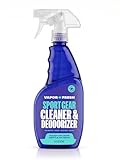
- Odor Eliminators: Consider using commercial odor eliminators specifically designed for sports equipment.
- Professional Cleaning: If the odor persists, consider having your gloves professionally cleaned.
Addressing Mildew and Mold
Mildew and mold can be a serious problem, as they can damage your gloves and pose a health risk. Here’s how to address them:
- Immediate Action: If you spot mildew or mold, remove your gloves from your bag and dry them as quickly as possible.
- Cleaning: Use a mixture of water and vinegar or a specialized mold cleaner to clean the affected areas.
- Ventilation: Ensure that the gloves are thoroughly ventilated to prevent further mold growth.
- Professional Help: In severe cases, you may need to seek professional help to remove the mold.
Repairing Damaged Gloves
If your gloves are damaged, such as torn stitching or cracked leather, you may be able to repair them. Here’s a basic overview:
- Minor Tears: Small tears can often be repaired with needle and thread.
- Professional Repair: For more serious damage, consider having your gloves professionally repaired by a leather repair shop.
- Consider Replacement: If the damage is extensive, it may be more cost-effective to replace your gloves.
Creating a Routine
The key to keeping your boxing gloves dry and in good condition is to establish a consistent routine. Here’s a sample routine you can adapt to your needs:
- Post-Workout: Remove gloves immediately after training.
- Wipe Down: Wipe down the exterior with a clean cloth.
- Absorb Moisture: Insert newspaper, paper towels, or a glove dog to absorb moisture.
- Air Dry: Place gloves in a well-ventilated area, preferably using a glove rack or a similar system.
- Additional Steps (as needed): Use baking soda or a dehumidifier as needed, especially in humid environments. Apply leather conditioner to leather gloves.
By following this routine, you can significantly extend the life of your gloves and improve your boxing experience.
Comparison Table of Drying Methods
| Drying Method | Pros | Cons |
|---|---|---|
| Air Drying | Simple, cost-effective, no special equipment needed | Slowest method, may not be sufficient in humid environments |
| Glove Dryer | Fast drying, helps prevent bacteria and mold | Requires purchase, potential for heat damage if used incorrectly |
| Dehumidifier | Effective in humid environments, helps protect equipment | Requires purchase, takes up space |
| Baking Soda | Absorbs moisture, neutralizes odors, inexpensive | May require several applications, not as effective as other methods |
| Newspaper/Paper Towels | Readily available, absorbs moisture | Needs frequent replacement, less effective than some other methods |
Final Thoughts
Maintaining dry boxing gloves is a crucial aspect of proper gear care and overall hygiene. By implementing the methods outlined in this guide – from immediate post-workout procedures to advanced drying techniques and storage solutions – you can significantly extend the life of your gloves, prevent unpleasant odors, and, most importantly, protect your health. Remember, consistency is key. Make these practices a regular part of your boxing routine, and you’ll be well on your way to enjoying a more comfortable, hygienic, and rewarding training experience. Now go out there, train hard, and keep those gloves dry!