So, you want to learn how to hit a boxing bag? Awesome! Whether you’re aiming to improve your fitness, learn self-defense, or even dream of stepping into the ring, the heavy bag is your best friend. It’s a versatile training tool that can help you develop power, speed, and technique.
Hitting the bag isn’t just about throwing punches wildly. There’s a proper way to do it, and that’s what we’re going to cover. This guide will walk you through everything, from the basics of stance and punch form to more advanced techniques and training routines. We’ll cover safety, equipment, and how to get the most out of your training sessions. Get ready to sweat, learn, and have fun!
Let’s get started on your journey to becoming a better boxer, one punch at a time. Remember, consistency and practice are key. With dedication, you’ll see improvements in no time.
Equipment You’ll Need
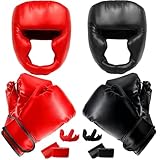
Before we start throwing punches, let’s gather the necessary gear. Having the right equipment is crucial for both safety and effectiveness. Here’s a rundown of what you’ll need:
- Boxing Gloves: This is non-negotiable. Choose gloves that fit properly and offer good padding to protect your hands. The weight of the gloves depends on your size and training goals. For beginners, 12-14 oz gloves are a good starting point.
- Hand Wraps: Essential for protecting your knuckles, wrists, and the bones in your hands. Hand wraps absorb sweat and provide additional support. Learn how to wrap your hands correctly before you start.
- Boxing Bag: Choose a heavy bag that suits your needs. There are different types, including heavy bags, speed bags, and uppercut bags. For beginners, a standard heavy bag (typically 100-150 lbs) is ideal. Make sure it’s hung securely.
- Boxing Shoes (Optional): While not mandatory, boxing shoes provide excellent ankle support and grip, allowing for better footwork.
- Mouthguard: Protect your teeth and jaw.
- Headgear (Optional): Especially important if you’re sparring or working with a coach.
The Correct Boxing Stance
Your stance is the foundation of everything in boxing. It affects your balance, power, and movement. A good stance allows you to generate power efficiently while also protecting you from your opponent’s attacks. Here’s how to set up your perfect boxing stance:
- Feet Placement: Stand with your feet shoulder-width apart. If you’re right-handed, your left foot should be slightly forward; if you’re left-handed, your right foot should be forward. This creates a staggered stance.
- Knee Bend: Bend your knees slightly. This lowers your center of gravity, providing a stable base and allowing for quicker movement. Don’t overdo it; you want to remain agile.
- Weight Distribution: Distribute your weight evenly between both feet. You should feel balanced and ready to move in any direction.
- Body Angle: Turn your body slightly to the side, about 45 degrees. This reduces the surface area you present to your opponent and makes you less vulnerable.
- Guard Position: Keep your hands up, near your face. Your lead hand (the one in front) should be up to protect your face, and your rear hand should be near your chin, ready to deliver a powerful punch. Keep your elbows in to protect your ribs.
- Chin Down: Tuck your chin slightly towards your chest to protect your jaw.
- Eyes Forward: Focus your eyes on the bag. This helps you anticipate and react to the bag’s movement.
Practice your stance until it becomes natural. It should feel comfortable and balanced. You can practice shadow boxing (punching the air) to get used to the stance and your movements. This will help you to build muscle memory.
Basic Punches: The Jab, Cross, Hook, and Uppercut
Now that you have your stance, it’s time to learn the basic punches. These are the building blocks of boxing, and mastering them is essential. We’ll go through the jab, cross, hook, and uppercut.
The Jab
The jab is the fastest and most common punch. It’s used for setting up other punches, controlling distance, and scoring points. Here’s how to throw a proper jab:
- Starting Position: Begin in your boxing stance.
- Footwork: Step forward slightly with your lead foot (the one in front) as you throw the punch.
- Punching Motion: Extend your lead arm straight out towards the bag. Keep your elbow slightly bent.
- Rotation: Rotate your fist as you extend your arm, so your palm faces down at the point of impact.
- Impact: Strike the bag with the knuckles of your index and middle fingers.
- Return: Quickly retract your arm back to the starting position, maintaining your guard.
- Breathing: Exhale as you throw the punch.
Key Takeaway: The jab should be quick, snappy, and accurate. It should be thrown with a relaxed arm. The jab is a crucial tool for setting up combinations.
The Cross
The cross is a powerful punch thrown with your rear hand. It’s often used to follow up the jab or as a counterpunch. Here’s how to throw a cross:
- Starting Position: Begin in your boxing stance.
- Footwork: Pivot on your rear foot, turning your body towards the target.
- Punching Motion: Extend your rear arm straight out towards the bag. Keep your elbow slightly bent.
- Rotation: Rotate your fist as you extend your arm, so your palm faces down at the point of impact.
- Impact: Strike the bag with the knuckles of your index and middle fingers.
- Return: Quickly retract your arm back to the starting position, maintaining your guard.
- Breathing: Exhale as you throw the punch.
Key Takeaway: The cross generates power from the rotation of your body and the pivot of your rear foot. Keep your guard up throughout the punch.
The Hook
The hook is a powerful punch thrown from the side. It’s often used at close range and can generate a lot of power. Here’s how to throw a hook: (See Also: Are Muay Thai Gloves The Same As Boxing Gloves )
- Starting Position: Begin in your boxing stance.
- Footwork: Pivot on your lead foot (if throwing a left hook) or your rear foot (if throwing a right hook), turning your body sideways.
- Punching Motion: Bend your arm at a 90-degree angle, with your fist level with your shoulder.
- Rotation: Rotate your hips and torso to generate power. Swing your fist towards the bag, aiming for the side of the head or body.
- Impact: Strike the bag with the knuckles of your index and middle fingers.
- Return: Quickly retract your arm back to the starting position, maintaining your guard.
- Breathing: Exhale as you throw the punch.
Key Takeaway: The hook is a shorter, more compact punch compared to the jab and cross. Keep your elbow up to protect your face.
The Uppercut
The uppercut is a powerful punch thrown upwards, usually from a close range. It is particularly effective for hitting the chin. Here’s how to throw an uppercut:
- Starting Position: Begin in your boxing stance.
- Footwork: Slightly bend your knees and drop your weight.
- Punching Motion: Bend your arm at a 90-degree angle, with your fist below your chin.
- Rotation: Rotate your hips and torso to generate power. Swing your fist upwards towards the bag, aiming for the chin or solar plexus.
- Impact: Strike the bag with the knuckles of your index and middle fingers.
- Return: Quickly retract your arm back to the starting position, maintaining your guard.
- Breathing: Exhale as you throw the punch.
Key Takeaway: The uppercut is most effective at close range. Keep your elbow close to your body as you bring the punch upwards.
Punching Combinations
Once you’ve mastered the individual punches, it’s time to learn combinations. Combinations are a series of punches thrown in rapid succession. They’re more effective than single punches because they keep your opponent guessing and increase your chances of landing a solid hit. Here are some basic combinations:
- Jab-Cross: This is a fundamental combination. Throw a jab, followed by a cross. This is a common way to set up power punches.
- Jab-Jab-Cross: Add another jab before the cross to increase the speed and distract the opponent.
- Jab-Cross-Hook: This combination adds a hook for more power and versatility.
- Cross-Hook: A simple but powerful combination, especially if you have a strong rear hand.
- Jab-Uppercut: This combination is effective at close range, with the jab setting up the uppercut.
- Hook-Uppercut: Another close-range combination that delivers a lot of power.
Key Takeaway: When practicing combinations, focus on speed, accuracy, and fluidity. Don’t pause between punches. Practice these combinations until they become natural.
Footwork and Movement
Footwork is just as important as punching. Good footwork allows you to move around the bag, maintain your balance, and set up your punches. Here are some key footwork techniques:
- The Shuffle: This is the most basic movement. To move forward, step forward with your lead foot, and then slide your rear foot to maintain your stance. To move backward, step back with your rear foot, and then slide your lead foot. Maintain the same distance between your feet.
- The Pivot: Pivoting involves turning on your feet to change your angle. Pivot on your lead foot to move to your left, or on your rear foot to move to your right.
- The Slip: This is a defensive movement. To slip, move your head to the side, avoiding an incoming punch.
- The Roll: Another defensive movement. To roll, duck under a punch, bending your knees and moving your head to the side.
Key Takeaway: Practice your footwork regularly to improve your agility and coordination. Footwork is critical for both offense and defense.
Defense Techniques
Defense is just as important as offense in boxing. You need to be able to protect yourself from incoming punches. Here are some defensive techniques:
- Blocking: Use your gloves to block punches. Keep your guard up and deflect punches with your forearms and gloves.
- Parrying: Use your gloves to deflect punches away from you. This creates an opening for a counterpunch.
- Slipping: Move your head to the side, avoiding an incoming punch.
- Rolling: Duck under a punch, bending your knees and moving your head to the side.
- Footwork: Use your footwork to move out of the way of punches.
Key Takeaway: Practice these defensive techniques to protect yourself and create opportunities for counterattacks. Defense is all about anticipating the opponent’s moves.
Training Drills and Routines
Now, let’s put everything together into some training drills and routines. Consistency is key when it comes to training. Here are some sample routines to get you started:
Beginner Routine (3 Rounds, 3 Minutes Per Round, 1-Minute Rest)
- Round 1: Shadow boxing (2 minutes), Jab-Cross (1 minute).
- Round 2: Jab-Cross-Hook (2 minutes), Focus on footwork and movement around the bag (1 minute).
- Round 3: Combinations, mixing up punches (2 minutes), Defense drills (1 minute).
Intermediate Routine (5 Rounds, 3 Minutes Per Round, 1-Minute Rest)
- Round 1: Shadow boxing and warm-up. Focus on stance and footwork.
- Round 2: Jab-Cross-Hook, working on speed and power.
- Round 3: Cross-Hook-Uppercut, working on close-range combinations.
- Round 4: Focus on head movement and defense, working on slipping and rolling.
- Round 5: Mix it up with combinations and focus on finishing strong.
Advanced Routine (8 Rounds, 3 Minutes Per Round, 1-Minute Rest)
- Rounds 1-3: Shadow boxing and focus mitts with a coach.
- Rounds 4-6: Heavy bag work, focusing on different combinations.
- Round 7: Speed bag work for speed and hand-eye coordination.
- Round 8: Cool down, focusing on core strength and stretching.
Key Takeaway: Adjust these routines based on your fitness level and goals. Vary your routines to keep your training interesting and challenging. (See Also: Can You Wrestle In Boxing Shoes )
Breathing and Timing
Proper breathing and timing are essential for boxing. They help you conserve energy and increase your power. Here are some tips:
- Exhale on Impact: Breathe out forcefully as you throw each punch. This helps you generate power and protect your core.
- Inhale During Recovery: Breathe in as you retract your arm and return to your guard.
- Rhythm: Develop a rhythm for your breathing and punching. This helps you maintain your stamina.
- Timing: Practice your timing to coordinate your punches with your breathing.
Key Takeaway: Proper breathing helps you to deliver punches more effectively. Breathing is closely related to timing and endurance.
Avoiding Common Mistakes
Here are some common mistakes that beginners often make, and how to avoid them:
- Dropping Your Guard: Always keep your hands up to protect your face.
- Looking Down: Keep your eyes on the bag.
- Over-Extending: Don’t reach for the bag. Keep your punches compact.
- Not Using Footwork: Move around the bag and use your footwork to set up your punches.
- Poor Breathing: Exhale as you throw each punch.
- Incorrect Hand Wraps: Always wrap your hands correctly to avoid injury.
- Insufficient Warm-up: Always warm up before you start.
Key Takeaway: Be mindful of these common mistakes and work to correct them. These mistakes lead to poor technique and increase the risk of injury.
Progression and Advanced Techniques
As you become more comfortable, you can start to incorporate more advanced techniques. These include:
- Feints: Use fake punches to throw off your opponent.
- Counterpunching: Respond to your opponent’s punches with your own.
- Body Shots: Target the body to wear down your opponent.
- Clinch Work: Learn how to control your opponent in close quarters.
- Sparring: Once you’ve built up your skills, consider sparring with a partner.
Key Takeaway: Continue to learn and practice new techniques. Never stop learning and improving.
Safety Tips
Safety should always be your top priority. Here are some safety tips:
- Warm-Up Properly: Always warm up before you start your training session.
- Use the Right Equipment: Make sure your equipment fits properly and is in good condition.
- Wrap Your Hands Correctly: Protect your hands with hand wraps.
- Start Slowly: Don’t try to do too much too soon. Build up your intensity gradually.
- Listen to Your Body: Take breaks when you need them. Don’t push yourself too hard.
- Cool Down: Cool down and stretch after your training session.
- Stay Hydrated: Drink plenty of water before, during, and after your training session.
- Consult a Professional: Consider working with a coach or trainer.
Key Takeaway: Prioritize safety to avoid injury and maximize your progress.
Training Frequency and Recovery
How often should you train? It depends on your goals and fitness level. Here’s a general guideline:
- Beginners: 2-3 times per week.
- Intermediate: 3-4 times per week.
- Advanced: 4-6 times per week.
Recovery: Rest and recovery are crucial for muscle growth and injury prevention. Make sure to:
- Get Enough Sleep: Aim for 7-9 hours of sleep per night.
- Eat a Healthy Diet: Fuel your body with nutritious foods.
- Stay Hydrated: Drink plenty of water.
- Take Rest Days: Allow your body to recover.
Key Takeaway: Listen to your body and give it the rest it needs. Rest is an essential part of the training process. (See Also: Is Everlast Good Boxing Gloves )
Additional Tips for Success
Here are some extra tips to help you succeed:
- Set Realistic Goals: Start with small, achievable goals.
- Be Consistent: Stick to your training routine.
- Stay Motivated: Find ways to keep yourself motivated.
- Track Your Progress: Monitor your improvements.
- Find a Training Partner: Training with a partner can make it more fun and help you stay motivated.
- Watch Boxing Matches: Learn from the pros.
Key Takeaway: Consistency, motivation, and a positive attitude are key to success. Embrace the process and enjoy your boxing journey.
Troubleshooting Common Problems
Let’s address some common problems that beginners face:
- Pain in the Wrists: Ensure your hand wraps are properly applied. Also, check your punching form to ensure you’re striking with the correct knuckles.
- Fatigue: Start with shorter sessions and gradually increase the duration and intensity. Make sure you are breathing correctly and staying hydrated.
- Lack of Power: Focus on proper technique, including body rotation and footwork. Practice generating power from your core.
- Poor Balance: Strengthen your core and practice your stance and footwork.
- Difficulty Coordinating Punches: Start slowly and focus on one punch at a time. Practice combinations repeatedly until they become natural.
Key Takeaway: Don’t get discouraged by setbacks. Identify the issue and work to correct it. Seek advice from experienced boxers or trainers.
The Importance of a Coach
While you can learn a lot on your own, working with a coach can significantly accelerate your progress. A coach can:
- Correct Your Technique: Identify and correct flaws in your form.
- Provide Personalized Training: Create a training plan tailored to your goals and abilities.
- Offer Motivation and Support: Keep you motivated and on track.
- Teach Advanced Techniques: Help you learn more advanced skills.
- Enhance Safety: Ensure you are training safely and minimizing the risk of injury.
Key Takeaway: A good coach can make a huge difference in your boxing journey.
Nutrition and Hydration
Proper nutrition and hydration are essential for performance and recovery. Here’s what you should focus on:
- Balanced Diet: Eat a diet rich in protein, carbohydrates, and healthy fats.
- Protein: Consume adequate protein to support muscle repair and growth.
- Carbohydrates: Carbohydrates provide energy for your workouts.
- Healthy Fats: Healthy fats support overall health and hormone production.
- Hydration: Drink plenty of water before, during, and after your training sessions.
- Supplements (Optional): Consider supplements like creatine, protein powder, and BCAAs. Consult with a doctor before taking any supplements.
Key Takeaway: Fuel your body with the right nutrients to maximize your performance and recovery. Proper nutrition and hydration are critical for success.
Mental Preparation
Boxing is as much a mental game as it is a physical one. Here are some tips for mental preparation:
- Visualization: Visualize yourself performing well in your training sessions.
- Positive Self-Talk: Encourage yourself and believe in your abilities.
- Focus and Concentration: Stay focused on the task at hand.
- Manage Stress: Find ways to manage stress and stay calm.
- Build Confidence: Believe in yourself and your abilities.
Key Takeaway: Mental toughness is just as important as physical strength. Mental preparation can boost your performance.
Final Verdict
Learning how to hit a boxing bag is a rewarding journey that requires dedication, discipline, and the right approach. By understanding the fundamentals of stance, punches, footwork, and defense, and by incorporating structured training routines, you can make significant progress. Remember to prioritize safety, use proper equipment, and listen to your body.
Consistent practice, coupled with a focus on technique, will help you build strength, speed, and endurance. Don’t be afraid to seek guidance from experienced boxers or coaches to refine your skills and address any challenges you might encounter. Embrace the process, stay motivated, and enjoy the journey of improving your boxing skills.
With persistence and the right mindset, you’ll be well on your way to achieving your boxing goals, whether it’s for fitness, self-defense, or competitive aspirations. Keep practicing, keep learning, and keep punching!