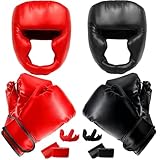
Alright, future pugilists and fitness fanatics! Ready to step into the ring, or at least the boxing gym? Before you start throwing punches, there’s a crucial step often overlooked: hand wrapping. Think of hand wraps as your secret weapon, a vital piece of equipment that protects your precious hands and wrists. They’re the unsung heroes of boxing, helping to prevent injuries and keep you in the game longer.
This isn’t just about wrapping a bandage around your hand. Proper hand wrapping is an art, a skill that takes practice but is well worth the effort. Done right, hand wraps provide excellent support and cushioning. Done wrong, well, you could be sidelined with an injury. We’re going to cover everything you need to know, from the types of wraps to the step-by-step process. Let’s get started and ensure your hands are ready to deliver those knockout blows (or just a solid workout!).
Understanding the Importance of Hand Wraps
Why bother with hand wraps? It might seem like an extra step, but trust me, it’s an investment in your health and your boxing journey. Your hands are complex structures, composed of numerous small bones, tendons, and ligaments. Boxing, by its very nature, subjects these delicate components to repeated impact. Without proper protection, you’re opening yourself up to a world of potential injuries, from minor sprains to more serious fractures.
Hand wraps serve multiple critical functions:
- Support: They stabilize the wrist, knuckles, and metacarpals, reducing the risk of sprains and breaks.
- Cushioning: They add a layer of padding, absorbing some of the impact from punches.
- Compression: They help to keep the bones and joints aligned, further minimizing the chance of injury.
- Absorb Sweat: They wick away sweat, keeping your gloves cleaner and extending their lifespan.
Ignoring hand wraps is like driving a car without a seatbelt. Sure, you might be okay, but the odds are stacked against you. Protecting your hands is paramount. It allows you to train consistently, improve your skills, and enjoy the sport without unnecessary setbacks. Think of hand wraps as your personal insurance policy against hand injuries.
Types of Hand Wraps: Choosing the Right Gear
There are two main types of hand wraps: traditional and Mexican-style. Each has its pros and cons, so choosing the right type depends on your personal preference and training needs.
Traditional Hand Wraps
Pros: (See Also: Are Muay Thai Gloves The Same As Boxing Gloves )
- Ease of Use: Generally easier to wrap for beginners.
- Breathability: Often made from cotton or a cotton blend, allowing for better airflow.
- Affordability: Typically less expensive than Mexican-style wraps.
Cons:
- Less Support: Provide less wrist support compared to Mexican-style wraps.
- Less Stretch: May not conform as well to the hand.
Traditional wraps are a good starting point for beginners. They’re simple to learn and offer adequate protection for most training purposes. They are usually around 180 inches long.
Mexican-Style Hand Wraps
Pros:
- Superior Support: Offer excellent wrist and knuckle support due to their elasticity.
- Better Fit: Conform to the hand more closely, providing a more secure feel.
- Durability: Often more durable and can withstand more wear and tear.
Cons:
- More Complex to Wrap: Can be trickier for beginners to master.
- Less Breathable: The elastic material can trap heat and sweat.
- Price: Generally more expensive than traditional wraps.
Mexican-style wraps are favored by many experienced boxers and trainers for their superior support and protection. They are usually around 180 inches long, but some are longer.
Key differences at a glance: (See Also: Can You Wrestle In Boxing Shoes )
| Feature | Traditional | Mexican-Style |
|---|---|---|
| Material | Cotton or Cotton Blend | Cotton Blend with Elastic |
| Stretch | Minimal | Significant |
| Support | Moderate | High |
| Ease of Use | Easier | More Challenging |
| Breathability | Better | Less |
Beyond the material type, consider the length. Most wraps are 180 inches long, which is generally sufficient for most hand sizes. However, if you have very large hands or prefer extra padding, you might consider longer wraps (200 inches or more). Make sure you choose a length that allows you to wrap your hands comfortably and securely.
Step-by-Step Guide: How to Wrap Your Hands
Alright, let’s get down to the nitty-gritty. Here’s a detailed, step-by-step guide to wrapping your hands for boxing gloves. We’ll focus on a common and effective method suitable for both traditional and Mexican-style wraps. Practice makes perfect, so don’t be discouraged if it takes a few tries to get it right. Take your time, and focus on the technique.
What You’ll Need:
- A pair of hand wraps (obviously!)
- Boxing gloves
- A mirror (helpful for checking your work)
The Wrapping Process:
- Preparation: Start by ensuring your hands are clean and dry. Remove any rings or jewelry. Locate the loop on the wrap; this is the part that goes over your thumb.
- Thumb Loop: Place the loop over your thumb, with the wrap extending down the back of your hand.
- Wrist Wraps: Begin by wrapping the bandage around your wrist 2-3 times. This is crucial for wrist support. Pull the wrap taut but not too tight. You should still have good blood flow.
- Down the Back of the Hand: Bring the wrap down the back of your hand, across the knuckles, and back around the wrist. This creates a base layer of support for your knuckles.
- Knuckle Coverage: Wrap the bandage around your knuckles 3-4 times, covering the area where you’ll be making contact with the bag or opponent. This is where most of the impact occurs, so adequate coverage is essential. Keep the wrap snug, but not constricting.
- Between the Fingers: Now, wrap between your fingers. Pass the wrap from the back of your hand, between your pinky and ring finger, then around the back of your hand, and repeat between your ring and middle finger, and so on. This adds support and keeps the wrap in place.
- Back to the Knuckles: Return to the knuckles and wrap them again to add more padding and support. This helps to reinforce the protection of your knuckles.
- Wrist Finish: Finish by wrapping around your wrist, securing the end with the Velcro closure. Ensure the closure is secure to prevent the wrap from unraveling during training.
- Repeat for the Other Hand: Repeat these steps for your other hand.
- Check for Fit: Once both hands are wrapped, put on your boxing gloves. Your hands should fit comfortably inside the gloves, without feeling too tight or restricted.
Important Considerations During the Wrapping Process:
- Tension: Maintain consistent tension throughout the wrapping process. Avoid wrapping too tightly, as this can restrict blood flow and lead to discomfort. However, make sure the wraps are snug enough to provide adequate support.
- Knuckle Coverage: Pay close attention to covering your knuckles. This is the most vulnerable area, so ensure sufficient padding.
- Wrist Support: The wrist is another critical area. Make sure your wrist is well-supported.
- Finger Placement: When wrapping between your fingers, make sure the wrap doesn’t bunch up or create pressure points.
- Velcro Closure: Ensure the Velcro closure is securely fastened to prevent the wrap from coming undone during training.
Troubleshooting Common Issues:
- Wrap Too Loose: If your wraps feel loose, they won’t provide adequate support. Rewrap, making sure to apply more tension.
- Wrap Too Tight: If your hands feel numb or tingly, the wraps are too tight. Loosen them slightly.
- Knuckle Pain: If you experience knuckle pain, you may not be providing enough padding. Add more layers around your knuckles.
- Wrist Pain: If you experience wrist pain, you may not be providing enough support to your wrist. Make sure to wrap your wrist properly and securely.
Advanced Techniques and Tips
Once you’ve mastered the basic wrapping technique, you can explore some advanced techniques to further customize your hand protection. These techniques are usually used by more experienced boxers.
Additional Knuckle Protection:
For those who train frequently or hit heavy bags with considerable force, consider adding extra padding to your knuckles. This can be achieved by:
- Folding the Wrap: Before wrapping your knuckles, fold the wrap in half lengthwise. This creates an extra layer of padding.
- Using Gel Pads: Some boxers use gel knuckle guards or pads under their wraps for additional impact absorption. These are typically placed directly over the knuckles before wrapping.
Wrist Support Variations:
You can adjust the wrist support based on your needs. For instance: (See Also: Is Everlast Good Boxing Gloves )
- Figure-Eight Wraps: Some boxers prefer to wrap the wrist in a figure-eight pattern for enhanced stability. This involves wrapping around the wrist, then diagonally across the back of the hand, and back around the wrist, repeating the pattern.
- Wrist Brace: For those with pre-existing wrist issues, consider using a wrist brace under the wraps for extra support.
Hand Wrap Maintenance
Hand wraps, like any piece of boxing equipment, require proper care to extend their lifespan and ensure hygiene. Here’s how to maintain your wraps:
- Wash After Every Use: Hand wraps should be washed after every training session. This removes sweat, bacteria, and grime, preventing odors and skin irritation.
- Washing Method: The best way to wash hand wraps is to hand wash them in cold water with mild detergent. Avoid using hot water, as this can shrink the wraps. Machine washing is possible, but place them in a mesh laundry bag to prevent tangling.
- Drying: Air dry your hand wraps. Avoid using a dryer, as the heat can damage the fibers. Hang them in a well-ventilated area until completely dry.
- Storage: Store your hand wraps in a dry, well-ventilated place. Avoid storing them in a damp gym bag, as this can promote mold and mildew growth.
- Inspect Regularly: Check your hand wraps for any signs of wear and tear, such as rips or fraying. Replace them if they become damaged.
Common Mistakes to Avoid
Even experienced boxers make mistakes. Here are some common pitfalls to watch out for:
- Wrapping Too Tight: This restricts blood flow and can lead to hand fatigue and even injury.
- Wrapping Too Loose: This defeats the purpose of the wraps, providing inadequate support.
- Insufficient Knuckle Coverage: Neglecting to adequately protect your knuckles is a recipe for injury.
- Improper Wrist Support: Weak wrist support is a common cause of sprains and strains.
- Neglecting Hygiene: Failing to wash your wraps regularly can lead to skin infections and odors.
- Not Practicing: Wrapping your hands properly takes practice. Don’t expect to master it overnight. Keep practicing until the process becomes second nature.
Beyond the Basics: Further Training and Resources
Want to delve deeper into the art of hand wrapping? Here are some resources to help you:
- Online Tutorials: YouTube is an excellent resource for visual learners. Search for “how to wrap hands for boxing” to find numerous instructional videos. Look for videos from reputable boxing coaches or trainers.
- Boxing Gym Instructors: The best way to learn is from a qualified instructor. Ask your boxing coach or a trainer at your gym for personalized guidance and feedback. They can correct your technique and offer valuable tips.
- Books and Articles: There are many books and articles available on boxing techniques, including hand wrapping. Research reputable sources and read up on different wrapping styles and techniques.
- Practice, Practice, Practice: The key to mastering hand wrapping is practice. The more you wrap your hands, the better you’ll become at it. Practice regularly, and don’t be afraid to experiment with different techniques.
Remember, hand wrapping is an essential skill for any boxer. By taking the time to learn and practice proper wrapping techniques, you can protect your hands, prevent injuries, and enhance your performance in the ring.
Verdict
Hand wrapping might seem like a small detail, but it’s a critical component of safe and effective boxing. By understanding the importance of hand wraps, choosing the right type, and mastering the proper wrapping technique, you’re taking a significant step towards protecting your hands and enjoying the sport to its fullest. Remember to prioritize proper technique, consistent practice, and regular maintenance of your hand wraps. Your hands will thank you for it. Now get out there, wrap up, and start throwing those punches with confidence!
Always prioritize your safety and seek guidance from qualified trainers to refine your technique. With dedication and the right knowledge, you’ll be well on your way to becoming a skilled and safe boxer.