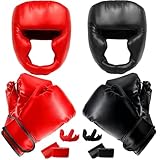
Alright, future pugilists and fitness enthusiasts! Ready to learn a crucial skill that protects your most valuable assets – your hands? We’re diving deep into the art of hand wrapping for boxing. It’s not just about looking the part; it’s about safeguarding your knuckles, wrists, and the intricate network of bones and tendons that make up your hands. Properly wrapped hands are the cornerstone of safe and effective boxing.
Ignoring this step is like driving a race car without a seatbelt. You might get away with it for a while, but eventually, you’re asking for trouble. Whether you’re hitting the heavy bag, sparring with a partner, or just shadowboxing, knowing how to wrap your hands correctly is non-negotiable. This guide will walk you through the process step-by-step, ensuring you’re ready to step into the ring (or the gym) with confidence and, most importantly, safety.
We’ll cover everything from the equipment you’ll need to the different wrapping styles and techniques. Get ready to transform from a novice to a hand-wrapping pro! Let’s get started.
What You’ll Need: The Hand Wrap Arsenal
Before we get started, let’s gather your essential gear. You won’t need a lot, but having the right tools makes all the difference. Think of it as preparing your workbench before starting a project. Here’s what you’ll need:
- Hand Wraps: These are the stars of the show! Choose wraps that are between 108 and 180 inches long. For most adults, 180-inch wraps are the standard and provide the best support. They are usually made of a blend of cotton and elastic, offering a balance of flexibility and protection. 108 inches are for youth or those with smaller hands.
- Boxing Gloves: You’ll be wearing these over your hand wraps, so make sure they fit comfortably.
- Optional: Quick Wraps/Gel Wraps: These are pre-made wraps for a faster application. They provide decent protection, but don’t offer the same level of customization as traditional wraps. Good for beginners or those in a rush.
Choosing the Right Hand Wraps: Material Matters
Hand wraps come in various materials, each with its pros and cons. Understanding these differences will help you choose the best wraps for your needs and training style.
- Cotton Wraps: These are the most traditional and affordable option. They’re absorbent, breathable, and offer good support. However, they tend to stretch out over time and may not provide as much wrist support as other materials.
- Semi-Elastic Wraps: These wraps blend cotton with elastic fibers, providing a snugger fit and better wrist support. They conform to your hand shape and offer a good balance of protection and flexibility. They are often a great choice for beginners.
- Full-Elastic Wraps: These wraps are made entirely of elastic material, offering maximum support and a secure fit. They’re ideal for those who prioritize wrist support or have a history of hand injuries. However, they can sometimes feel a bit restrictive.
- Mexican-Style Wraps: These wraps are known for their superior stretch and comfort. They’re usually made of a blend of nylon and elastic, allowing for a tight, form-fitting wrap. They are favored by many professional boxers, but they can be a bit more challenging to apply for beginners.
The 108-Inch Hand Wrap: Ideal for Youth and Smaller Hands
The 108-inch hand wrap is specifically designed for individuals with smaller hands, typically children and some women. Its shorter length makes it easier to manage and ensures a secure fit without excess material. While the techniques remain similar to wrapping with longer wraps, the shorter length requires slight adjustments in the wrapping pattern.
Why 108-Inch Wraps?
- Perfect Fit: The primary advantage is the ideal fit for smaller hands, preventing the wrap from bunching up or being too bulky inside the boxing glove.
- Ease of Use: The shorter length simplifies the wrapping process, making it less overwhelming for beginners, especially children.
- Reduced Bulk: Less material means less bulk inside the glove, contributing to a better feel and more natural fist formation.
Wrapping Technique for 108-Inch Wraps
The basic technique for wrapping with 108-inch wraps is similar to the standard method, but the shorter length necessitates a few adjustments to ensure adequate coverage and support. The goal is to protect the knuckles, wrist, and hand without using too much material, which can make the glove fit too tight. Here’s a step-by-step guide:
- Loop and Anchor: Start by looping the thumb and securing the wrap around the wrist a couple of times. This creates the foundation for the wrap. Secure it, and then start working your way down the hand, ensuring a firm but not overly tight wrap.
- Knuckle Coverage: Use the wrap to cover the knuckles, creating a padding. Pass the wrap over the knuckles a few times to create a protective layer. The exact number of passes will vary based on the hand size and the amount of padding desired.
- Wrist Support: Extend the wrap to the wrist, providing support. Wrap the wrist several times to secure the hand and wrist. Make sure the wrist is firm but flexible.
- Finger Coverage: Wrap the hand and fingers, ensuring they are separated.
- Finish and Secure: Once the hand is wrapped, secure the wrap. The final wraps should be firm, but not too tight.
Step-by-Step Guide: How to Hand Wrap for Boxing (180-Inch Wraps)
Now, let’s get into the main event: the wrapping itself. I’ll guide you through a common and effective method. Remember, practice makes perfect. Don’t worry if it feels awkward at first. With a little repetition, you’ll be wrapping like a pro in no time.
- Prepare Your Wrap: Locate the loop on one end of the hand wrap. This is the thumb loop. Make sure the velcro closure is facing outwards.
- Insert Your Thumb: Place the loop over your thumb, ensuring it sits comfortably at the base.
- Wrap Your Wrist: Begin by wrapping the hand wrap around your wrist several times. This creates a stable foundation and provides crucial wrist support. Wrap snugly, but not so tight that it cuts off circulation. The goal is support, not constriction.
- Wrap Down the Hand: From the wrist, start wrapping down towards your knuckles. Overlap each wrap slightly, creating a layered effect. This builds up padding and support for your hand.
- Wrap Your Knuckles: Now, focus on protecting your knuckles. Pass the wrap over your knuckles several times, creating a padded layer. The number of passes depends on the size of your hand and the amount of protection you desire. Aim for a comfortable, secure fit.
- Wrap Between Fingers (Optional): Some people prefer to wrap between their fingers for added support and stability. If you choose to do this, wrap between each finger, starting with your pinky and working your way to your index finger.
- Wrap Back to Wrist: After wrapping your knuckles and, optionally, your fingers, wrap back towards your wrist, securing the padding you created.
- Reinforce Wrist Support: Return to your wrist and wrap it several more times, ensuring a secure and supportive fit. This is critical for preventing wrist injuries.
- Secure the Wrap: Once you’ve wrapped your hand to your satisfaction, use the velcro closure to secure the wrap at your wrist. Make sure it’s snug but not too tight.
- Repeat for the Other Hand: Follow the same steps for your other hand.
Important Tip: While wrapping, keep your hand in a slightly flexed position. This ensures a more natural fit and better protection when you make a fist.
Advanced Wrapping Techniques: Taking It to the Next Level
Once you’ve mastered the basic wrapping technique, you can explore more advanced methods to further customize your hand protection. These techniques offer enhanced support and can be tailored to your specific needs and preferences. Let’s delve into some popular advanced methods.
The ‘boxer’s Knot’
The ‘Boxer’s Knot’ is a technique designed to provide extra protection and stability to the knuckles. It involves creating a reinforced layer over the knuckles by strategically crossing the wrap. This is a favorite among fighters who prioritize knuckle protection. Here’s how to incorporate it: (See Also: Are Muay Thai Gloves The Same As Boxing Gloves )
- After wrapping your wrist and starting to cover your knuckles, instead of wrapping straight across, cross the wrap over the knuckles, forming an ‘X’.
- Repeat this ‘X’ pattern a few times, creating a dense layer of padding over the knuckles.
- Continue with the standard wrapping technique, securing the wrap around the wrist and hand.
The ‘wrist Lock’
This technique focuses on providing maximum wrist support and stability. It’s particularly beneficial for individuals with a history of wrist injuries or those who engage in high-impact training. The ‘Wrist Lock’ involves creating a more secure anchor around the wrist, preventing excessive movement.
- After securing the thumb loop, wrap the wrist multiple times, creating a solid base.
- As you wrap down the hand, ensure the wrap crosses over the wrist at least once, creating a ‘lock’.
- Continue wrapping the hand and knuckles, incorporating the ‘lock’ as needed.
The ‘thumb Wrap’
The thumb is often overlooked, but it’s crucial for a strong punch. This technique provides extra protection to the thumb, reducing the risk of injury. It’s especially useful for those who throw a lot of hooks or uppercuts.
- After wrapping the wrist, wrap around the base of the thumb a few times.
- Continue wrapping the hand and knuckles, incorporating the thumb wrap as needed.
Mexican-Style Wrapping
This style is favored by many professional boxers for its superior support and knuckle protection. It involves a more intricate pattern that provides a tight, secure fit. This style typically uses Mexican-style hand wraps, which are more elastic and provide a better fit.
- After securing the thumb loop, wrap the wrist.
- Wrap down the hand, creating a padded layer over the knuckles.
- Create a series of ‘X’ patterns over the knuckles for added protection.
- Wrap the fingers individually for a secure fit.
- Finish with multiple wraps around the wrist.
Troubleshooting Common Hand Wrapping Issues
Even with the best instructions, you might encounter some challenges when you’re first learning to hand wrap. Here’s how to troubleshoot some common issues:
- Wrap Feels Too Tight: This is a common problem. If your wrap feels constricting, it’s likely too tight. Loosen the wrap slightly, especially around your wrist. Remember, the goal is support, not constriction.
- Wrap Feels Too Loose: If your wrap feels loose, it won’t provide adequate protection. Make sure you’re overlapping each wrap and pulling it snug, but not too tight.
- Knuckles Aren’t Covered Enough: If your knuckles aren’t adequately padded, you’re at risk of injury. Make sure you’re passing the wrap over your knuckles multiple times.
- Wrist Isn’t Supported: Wrist support is crucial. Ensure you’re wrapping your wrist securely and that the wrap isn’t sliding around.
- Wrap Keeps Unraveling: Make sure you’re securing the velcro closure tightly. Also, double-check that you’re wrapping in the correct direction and overlapping each wrap.
- Wrap is too Bulky: Try using less material on your knuckles or adjusting the way you wrap your fingers.
Hand Wrap Maintenance: Keeping Your Gear in Top Shape
Proper care and maintenance are essential to extend the life of your hand wraps and keep them performing at their best. Here’s how to care for your wraps:
- Wash Your Wraps Regularly: Hand wraps absorb sweat and bacteria, so wash them after each use. This helps prevent odors and skin infections.
- How to Wash: You can wash your wraps by hand or in a washing machine. If using a washing machine, place them in a mesh laundry bag to prevent tangling. Use cold water and mild detergent. Avoid using bleach, which can damage the fabric.
- Drying Your Wraps: Air dry your wraps after washing. Avoid using a dryer, as the heat can shrink or damage the wraps.
- Store Your Wraps Properly: After drying, store your wraps in a cool, dry place. Avoid leaving them in a damp gym bag, as this can encourage mold and mildew growth.
- Inspect Your Wraps Regularly: Check your wraps for any signs of wear and tear, such as rips or fraying. Replace your wraps if they become damaged or lose their elasticity.
Different Wrapping Styles and Techniques: Exploring Your Options
Beyond the standard wrapping method, there are various styles and techniques you can use to customize your hand protection. These methods can provide enhanced support, target specific areas, and cater to your personal preferences. Let’s delve into some popular options.
The ‘hybrid’ Wrap
This technique combines elements of different wrapping styles to provide a balanced approach. It typically involves a combination of knuckle protection, wrist support, and finger wrapping. The specific method can vary depending on individual needs and preferences.
- Start with wrist wraps for support.
- Protect knuckles with a few passes.
- Wrap the thumb to protect it.
- Continue with wrist support.
The ‘heavy Bag’ Wrap
This style is designed for heavy bag training, focusing on knuckle protection and hand stability. It usually involves extra padding over the knuckles and a secure wrist wrap. This style helps handle the impact of the heavy bag, protecting your hands.
- Start wrapping the wrist for support.
- Make several passes over the knuckles for added protection.
- Wrap the hand.
The ‘sparring’ Wrap
This method prioritizes hand and wrist protection while also ensuring a comfortable fit for sparring. It typically involves a balance of support and flexibility, allowing for fluid movement. The key is to protect the hands without inhibiting the ability to move and react quickly.
- Start with wrist wraps.
- Wrap the knuckles.
- Wrap the fingers.
- Secure the wrist.
The Benefits of Proper Hand Wrapping
Why bother with all this wrapping? The benefits are significant, and they extend beyond just protecting your hands. Here’s a breakdown: (See Also: Can You Wrestle In Boxing Shoes )
- Injury Prevention: The primary benefit is injury prevention. Hand wraps cushion your knuckles, support your wrists, and stabilize the small bones in your hands, significantly reducing the risk of fractures, sprains, and other injuries.
- Enhanced Punching Power: By providing support and stability, hand wraps allow you to generate more power with each punch. You’ll be able to hit harder and more effectively.
- Improved Punching Technique: Hand wraps help you maintain proper form. They encourage you to make a solid fist and prevent your hand from collapsing on impact.
- Increased Confidence: Knowing your hands are well-protected allows you to train and spar with greater confidence. You can focus on your technique and strategy without worrying as much about injury.
- Reduced Fatigue: Hand wraps absorb some of the impact, which can help reduce fatigue during training.
- Better Glove Fit: Hand wraps help fill the space inside your boxing gloves, providing a more secure and comfortable fit.
Common Mistakes to Avoid
Even with the best intentions, it’s easy to make mistakes when you’re first learning to hand wrap. Here are some common errors to avoid:
- Wrapping Too Tight: This can restrict blood flow and lead to numbness or tingling in your hands.
- Wrapping Too Loose: This won’t provide adequate protection and can lead to injuries.
- Neglecting Wrist Support: Your wrists are vulnerable, so don’t skip the wrist wraps.
- Forgetting Knuckle Protection: Your knuckles take the brunt of the impact, so make sure they’re well-padded.
- Using Worn-Out Wraps: Replace your wraps when they become frayed or lose their elasticity.
- Not Washing Your Wraps: Dirty wraps can lead to skin infections and odors.
Practice Makes Perfect: Refining Your Technique
Hand wrapping is a skill that improves with practice. Don’t get discouraged if it doesn’t come naturally at first. Here’s how to refine your technique:
- Practice Regularly: The more you wrap your hands, the better you’ll become. Practice before each training session.
- Watch Videos: Watch videos of experienced boxers and trainers wrapping their hands. Pay attention to their technique and try to emulate it.
- Get Feedback: Ask your coach or a more experienced boxer to check your wraps and provide feedback.
- Experiment with Different Techniques: Try different wrapping styles to see what works best for you.
- Be Patient: It takes time to master hand wrapping. Be patient with yourself and keep practicing.
Beyond the Basics: Advanced Hand Protection Strategies
Once you’ve mastered the basic hand-wrapping techniques, you can explore advanced strategies to further enhance your hand protection. These methods go beyond the standard wrap to provide additional support, cushioning, and stability. Let’s delve into some advanced tactics:
Using Gel Pads or Knuckle Guards
Gel pads and knuckle guards are designed to provide extra cushioning and protection to your knuckles. They’re typically worn under your hand wraps and can significantly reduce the impact of punches. They can be especially beneficial for those with sensitive knuckles or those who do a lot of heavy bag work. These pads add an extra layer of shock absorption. They are easy to use and can be combined with any wrapping style.
- Place the gel pad over your knuckles before wrapping.
- Wrap your hands as usual, making sure the pad stays in place.
Applying Tape Under the Wraps
Some boxers use athletic tape under their hand wraps to provide extra support and stability. Tape can be applied to the knuckles, fingers, and wrist to reinforce the wrap and reduce the risk of injury. This is a technique often used by professionals or those who require maximum protection.
- Apply the tape to your knuckles, fingers, and wrist before wrapping.
- Wrap your hands as usual.
Combining Techniques
The best approach is often to combine different techniques to create a customized hand-wrapping strategy that meets your specific needs. For example, you might use gel pads for knuckle protection, tape for added support, and a Mexican-style wrap for a secure fit. This customization allows you to tailor your hand protection to your training style and any specific vulnerabilities you may have.
By incorporating these advanced strategies, you can take your hand protection to the next level and further reduce the risk of injury. Remember to experiment and find what works best for you. Consulting with a coach or experienced boxer can provide valuable insights and help you optimize your approach.
Hand Wrapping for Different Training Activities
The way you wrap your hands can vary depending on the type of training you’re doing. Here’s how to adjust your wrapping technique for different activities:
Heavy Bag Training
When training on the heavy bag, prioritize knuckle protection and wrist support. The goal is to absorb the impact of the bag and prevent injuries. Use a wrapping style that provides maximum padding over your knuckles and a secure wrist wrap. Consider using gel pads or knuckle guards for added protection.
- Focus on multiple passes over the knuckles.
- Ensure a secure wrist wrap.
- Consider gel pads or knuckle guards.
Sparring
For sparring, aim for a balance of protection and flexibility. You need to protect your hands while still being able to move and react quickly. Use a wrapping style that provides good knuckle protection and wrist support without being too restrictive. Avoid wrapping your fingers too tightly, as this can affect your ability to make a fist. (See Also: Is Everlast Good Boxing Gloves )
- Prioritize knuckle protection and wrist support.
- Ensure a comfortable fit.
- Avoid wrapping fingers too tightly.
Pad Work
Pad work requires a similar approach to sparring. You need to protect your hands while allowing for fluid movement and the ability to throw a variety of punches. Use a wrapping style that provides good knuckle protection and wrist support, but avoid wrapping your hands too tightly. The focus is on a balance of protection and comfort.
- Balance protection and flexibility.
- Focus on knuckle protection.
- Ensure a comfortable fit.
Shadowboxing
Even when shadowboxing, it’s a good idea to wrap your hands. This helps you get used to the feel of the wraps and reinforces good habits. Use a standard wrapping technique or a lighter version, focusing on wrist support and a comfortable fit.
- Use a standard or lighter wrapping style.
- Focus on a comfortable fit.
- Prioritize wrist support.
The Importance of Proper Glove Fit
Hand wraps and boxing gloves work together to provide hand protection, and the fit of your gloves is essential. Incorrectly sized gloves can compromise the protection offered by hand wraps and increase the risk of injury. The right fit ensures your hands are safely enclosed and your punches are effective. Here’s how to ensure the best fit:
Sizing Considerations
Boxing gloves are sized based on weight (e.g., 10 oz, 12 oz, 14 oz, 16 oz). The appropriate weight depends on your body weight, training goals, and the type of training you’re doing. Heavier gloves provide more padding and are often used for sparring. Lighter gloves are commonly used for bag work and pad work.
- Weight: The weight of the glove is critical. Heavier gloves offer more protection but can slow you down. Lighter gloves offer more speed but less protection.
- Hand Size: Consider your hand size and the amount of padding provided by your hand wraps.
- Training Type: Consider what type of training you will do.
Assessing the Fit
Once you’ve wrapped your hands, put on your gloves and assess the fit. The gloves should feel snug but not too tight. You should be able to make a comfortable fist without feeling restricted. Ensure there is adequate space in the glove to accommodate your wrapped hands and the padding. Also, check the wrist area to ensure proper support and a secure fit.
- Snugness: The gloves should be snug but not constricting.
- Fist Formation: You should be able to make a comfortable fist.
- Wrist Support: The wrist area should provide support and a secure fit.
Troubleshooting Fit Issues
If your gloves don’t fit well, it can affect your performance and increase your risk of injury. Here’s how to address common fit issues:
- Too Tight: If the gloves are too tight, they can restrict blood flow and make it difficult to make a fist. Try a larger size.
- Too Loose: If the gloves are too loose, your hands can move around inside, which can lead to injury. Try a smaller size or consider using a hand wrap with more padding.
- Wrist Support Problems: If the wrist area doesn’t provide adequate support, you may need to adjust your hand-wrapping technique or try a different type of glove.
Finding Your Perfect Hand Wrap Style: Personalization
The best hand-wrapping style is the one that works best for you. It should provide adequate protection, support, and a comfortable fit. Experiment with different techniques and find what feels most natural and effective. Consider your training style, hand size, and any specific vulnerabilities you may have. Your perfect wrapping style will evolve over time as you gain experience and refine your technique.
To find the best style, you can:
- Experiment: Try out different styles.
- Get Feedback: Ask your coach for suggestions.
- Consider Your Needs: Think about your training type and any injuries.
Final Thoughts
So, there you have it! You’re now equipped with the knowledge to hand wrap for boxing with confidence. Remember, hand wrapping is a fundamental skill that every boxer, regardless of experience level, needs to master. It’s about safety, performance, and longevity in the sport. By following these steps and practicing regularly, you’ll not only protect your hands but also build a solid foundation for your boxing journey. Now, get out there, wrap those hands, and start punching with confidence!
Remember to prioritize proper technique, use quality wraps, and maintain your gear. Don’t be afraid to experiment with different styles and find what works best for you. With consistent practice and attention to detail, you’ll become a hand-wrapping pro in no time. Happy wrapping, and happy training!