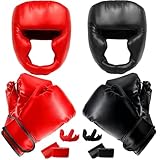
Choosing the right boxing gloves is a crucial step for anyone stepping into the ring, whether for training, sparring, or competition. The wrong size can lead to discomfort, injury, and a less effective workout. But with so many options and sizing guides out there, figuring out how to get boxing glove size can seem daunting. Don’t worry, though! I’m here to break it all down for you.
We’ll explore the different factors that influence glove size, from your hand measurements to the intended use of the gloves. This guide will walk you through the process step-by-step, ensuring you find the perfect fit for your hands and your boxing goals. Get ready to learn how to measure your hand, understand weight classifications, and make an informed decision when purchasing your next pair of gloves.
Understanding Boxing Glove Sizes
Boxing glove sizes aren’t based on a simple numerical system like shoe sizes. Instead, they’re primarily measured by weight, typically in ounces (oz). This weight reflects the padding within the glove, which affects both its protective qualities and its suitability for different activities. The heavier the glove, the more padding it generally has, providing greater protection for both the wearer and their sparring partner.
The weight of the glove is a critical factor because it directly impacts the level of protection offered. Heavier gloves are designed for sparring and training, where the focus is on safety and building strength, while lighter gloves are often used for bag work and competitions, where speed and agility are prioritized.
Factors Influencing Boxing Glove Size
Several factors contribute to determining the correct boxing glove size. These include:
- Your Hand Measurements: The circumference of your hand, measured around the knuckles, is a primary indicator.
- Your Weight: Heavier individuals typically require heavier gloves for adequate protection.
- Intended Use: Training, sparring, and competition each necessitate different glove weights.
- Glove Material: Leather and synthetic gloves can have slightly different fits.
- Hand Wraps: The thickness of your hand wraps will influence the overall fit.
Glove Weight and Its Significance
As mentioned, the weight of a boxing glove is crucial. Here’s a general overview of what different weights are typically used for:
- 8 oz Gloves: Primarily used in professional competitions and for lighter individuals during bag work. These gloves offer less padding, prioritizing speed and power.
- 10 oz Gloves: Also commonly used in professional competitions, and for some advanced training. Suitable for lighter individuals and those seeking a balance between speed and protection.
- 12 oz Gloves: A popular choice for bag work, pad work, and some sparring, especially for lighter to medium-weight individuals. Provides a good balance of protection and agility.
- 14 oz Gloves: Ideal for sparring and general training, especially for medium to heavier weight individuals. Offers more padding for increased safety.
- 16 oz Gloves: The standard for sparring and heavy bag work, especially for heavier individuals. Provides maximum protection for both the wearer and the sparring partner.
How to Measure Your Hand for Boxing Gloves
Accurately measuring your hand is the first step toward finding the perfect boxing glove size. Here’s a simple, step-by-step guide:
- Gather Your Supplies: You’ll need a flexible measuring tape and a piece of paper and a pen or pencil.
- Position Your Hand: Extend your dominant hand (the one you write with) flat, with your fingers together.
- Wrap the Measuring Tape: Wrap the measuring tape around your knuckles. Make sure to measure at the widest point of your hand, typically across the knuckles. Keep the tape snug but not too tight.
- Note the Measurement: Record the circumference of your hand in inches or centimeters.
- Consider Hand Wraps: Remember to factor in the thickness of your hand wraps. If you plan to wear wraps, measure your hand while wearing them, or add about 0.5 to 1 inch to your measurement to account for the extra bulk.
Measuring Tips
- Measure Both Hands: While you’ll likely use the measurement of your dominant hand, it’s a good idea to measure both hands.
- Get Help: If possible, have someone assist you with the measurement to ensure accuracy.
- Repeat the Process: Take the measurement a couple of times to ensure consistency.
Boxing Glove Size Chart: A General Guide
While hand measurements are important, weight also plays a crucial role in determining the right glove size. Here’s a general size chart to help you get started. Please note that this is a guideline, and it’s always best to try on gloves if possible.
| Hand Circumference (Inches) | Weight (oz) | Recommended Use | Weight (lbs) |
|---|---|---|---|
| Under 7 | 10 oz | Bag work, pad work, light sparring | Under 120 |
| 7 – 8 | 12 oz | Bag work, pad work, sparring | 120 – 150 |
| 8 – 9 | 14 oz | Sparring, general training | 150 – 180 |
| Over 9 | 16 oz | Sparring, heavy bag work | Over 180 |
Important Note: This chart is a general guide. Always consult the manufacturer’s specific sizing chart for the brand of gloves you are considering. Also, consider your individual needs and experience level when choosing a glove size. (See Also: Are Muay Thai Gloves The Same As Boxing Gloves )
Choosing Boxing Gloves for Different Activities
The right boxing glove size depends heavily on the activity you’ll be doing. Here’s a breakdown:
Training Gloves
Training gloves are designed for general use, including bag work, pad work, and light sparring. They typically offer a good balance of protection and versatility.
- Weight: 12 oz, 14 oz, or 16 oz, depending on your weight and the type of training.
- Padding: Generally have more padding than competition gloves.
- Features: Often include wrist support features for added stability.
Sparring Gloves
Sparring gloves are specifically designed to protect both you and your sparring partner. Safety is paramount.
- Weight: 14 oz or 16 oz, depending on your weight. Heavier gloves provide more protection.
- Padding: Typically have extra padding in the knuckles and wrist areas.
- Features: Often include a secure closure system and a comfortable fit.
Competition Gloves
Competition gloves are designed for professional fights. They prioritize speed and power.
- Weight: 8 oz or 10 oz, depending on weight class.
- Padding: Less padding than training or sparring gloves.
- Features: Designed for maximum impact and hand speed.
Bag Gloves
Bag gloves are for bag work. They are lighter and designed for speed.
- Weight: 10 oz, 12 oz or sometimes even lighter.
- Padding: Less padding than training gloves.
- Features: Designed for speed and agility.
The Importance of Hand Wraps
Hand wraps are an essential part of boxing, and they play a significant role in determining the right glove size. They serve several crucial functions:
- Protection: They protect your hands and wrists from injuries.
- Support: They provide support to your wrist, knuckles, and fingers.
- Absorption: They absorb sweat, extending the life of your gloves.
- Fit: They add bulk to your hand, influencing the overall fit of the glove.
Always wear hand wraps when using boxing gloves. The extra layer of padding provided by hand wraps will significantly enhance the fit and feel of your gloves. Without hand wraps, your gloves will feel loose, and your hands will be more susceptible to injury.
Choosing Hand Wraps
Hand wraps come in various materials and lengths. The most common materials are: (See Also: Can You Wrestle In Boxing Shoes )
- Cotton: A classic choice that’s breathable and provides good protection.
- Mexican Style: Often made of a slightly stretchy material that conforms to your hand shape.
- Gel Wraps: Offer a convenient alternative, with pre-formed gel padding for knuckle protection.
The length of the hand wraps typically ranges from 120 inches to 180 inches. Choose a length that allows you to wrap your hands securely and comfortably. Consider the type of wraps you choose when determining your glove size, as some wraps will add more bulk than others.
Boxing Glove Materials: A Comparison
The material of your boxing gloves influences their durability, performance, and overall feel. Here’s a look at the most common materials:
Leather Gloves
Pros: Leather gloves are generally considered the premium choice. They are durable, offer excellent protection, and conform to the shape of your hand over time. Leather gloves often last longer than synthetic options.
Cons: Leather gloves can be more expensive than synthetic options. They also require more care and maintenance, such as regular cleaning and conditioning, to prevent the leather from cracking.
Synthetic Leather Gloves
Pros: Synthetic leather gloves (often made of materials like polyurethane or vinyl) are a more affordable option. They are also easier to clean and require less maintenance than leather gloves. They’re often suitable for beginners and those on a budget.
Cons: Synthetic leather gloves may not be as durable as leather gloves, and the padding may break down more quickly. They may also not offer the same level of comfort or feel as leather gloves.
Boxing Glove Brands: A Quick Overview
Several reputable brands manufacture high-quality boxing gloves. Here are a few popular options:
- Everlast: A well-known brand that offers a wide range of gloves for all levels.
- Title Boxing: Known for its quality and performance, Title is a popular choice for both amateur and professional boxers.
- Winning: Considered by many to be the gold standard in boxing gloves, Winning gloves are known for their exceptional quality and protection.
- Rival: Rival Boxing offers innovative glove designs and a focus on comfort and performance.
- Cleto Reyes: A classic brand favored by many professional boxers, Cleto Reyes gloves are known for their power and durability.
When selecting a brand, consider factors such as your budget, the intended use of the gloves, and your personal preferences. Reading reviews from other users can provide valuable insights into the quality and performance of different gloves. (See Also: Is Everlast Good Boxing Gloves )
Taking Care of Your Boxing Gloves
Proper care and maintenance will extend the life of your boxing gloves and help them perform at their best. Here are some tips:
- Air Them Out: After each use, allow your gloves to air out completely. This helps prevent the build-up of moisture and odors.
- Clean Them Regularly: Wipe down the outside of your gloves with a damp cloth after each use. For more thorough cleaning, use a leather cleaner (for leather gloves) or a mild soap and water solution.
- Store Them Properly: Store your gloves in a cool, dry place away from direct sunlight. Consider using a glove deodorizer or a glove dryer to help absorb moisture.
- Use Glove Deodorizers: Place glove deodorizers inside your gloves after use to absorb moisture and eliminate odors.
- Replace Worn Gloves: Boxing gloves don’t last forever. Replace your gloves when the padding starts to break down or when the stitching begins to come apart.
Common Mistakes to Avoid
When choosing boxing gloves, it’s easy to make mistakes. Here are some common pitfalls to avoid:
- Not Measuring Your Hand: Don’t guess your size. Always measure your hand accurately.
- Ignoring Hand Wraps: Always factor in the thickness of your hand wraps when determining your glove size.
- Choosing the Wrong Weight: Select the glove weight that is appropriate for your weight, experience, and intended use.
- Buying Too Small: Gloves that are too small can restrict your movement and cause injury.
- Prioritizing Price Over Quality: While budget is important, don’t sacrifice quality for cost. Invest in gloves that provide adequate protection and durability.
- Neglecting Glove Care: Proper care and maintenance are crucial for extending the life of your gloves.
Where to Buy Boxing Gloves
You can purchase boxing gloves from several sources:
- Specialty Boxing Stores: These stores offer a wide selection of gloves and knowledgeable staff who can help you find the right fit.
- Sporting Goods Stores: Many sporting goods stores carry a selection of boxing gloves.
- Online Retailers: Online retailers, such as Amazon, offer a vast selection of gloves at competitive prices.
- Brand Websites: Buying directly from the manufacturer’s website can provide access to the latest models and exclusive deals.
When shopping, compare prices, read reviews, and consider the return policies of the retailer. If possible, try on the gloves before purchasing, especially if you’re new to boxing.
Here are some frequently asked questions about boxing glove sizes:
- What is the difference between training gloves and sparring gloves? Training gloves are designed for general use, while sparring gloves are specifically designed for safety and extra padding.
- How often should I replace my boxing gloves? Replace your gloves when the padding starts to break down or the stitching comes apart, typically every 1-3 years depending on usage.
- Can I use the same gloves for bag work and sparring? It’s best to have separate gloves for bag work and sparring. Sparring gloves should be heavier with more padding for protection.
- What if my gloves feel too tight? If your gloves feel too tight, they may restrict your movement and cause injury. Consider a larger size or a different brand.
- How do I break in new boxing gloves? Wear your gloves while hitting the bag or doing shadowboxing to break them in. The more you use them, the more they will conform to your hand.
Final Verdict
Finding the right boxing glove size is a crucial step towards a safe and effective boxing experience. By understanding the factors that influence glove size, measuring your hand accurately, and considering the intended use of the gloves, you can make an informed decision. Remember to always wear hand wraps, choose the appropriate weight, and care for your gloves properly to extend their lifespan.
Whether you’re a beginner or an experienced boxer, taking the time to choose the right gloves will pay off in terms of comfort, protection, and performance. Don’t hesitate to consult a sizing chart, read reviews, and try on gloves if possible. With the right pair, you’ll be ready to hit the bag, spar with confidence, and enjoy the sport of boxing to its fullest.
By following the guidelines in this guide, you can confidently navigate the process of selecting the perfect boxing glove size. Now, go out there, train hard, and enjoy the sweet science!