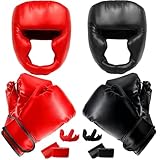
So, you’re ready to step into the ring, or at least hit the heavy bag? Fantastic! But before you start throwing punches, let’s talk about something crucial: how to fit boxing gloves correctly. This isn’t just about slipping them on; it’s about ensuring your safety, maximizing your performance, and preventing injuries. A properly fitted glove is the foundation of a good boxing experience.
We’ll cover everything from choosing the right size to the proper wrapping techniques and the nuances of fit. Whether you’re a seasoned boxer or a complete beginner, this guide will provide you with the knowledge you need to ensure your gloves fit like, well, a glove! Let’s get started and make sure you’re protected and ready to train.
Understanding the Importance of a Proper Fit
Before we get into the specifics, let’s discuss why getting the right fit is so important. Boxing is a demanding sport, and your hands are your primary weapons. Ill-fitting gloves can lead to a host of problems, from minor discomfort to serious injuries. A glove that’s too big can shift around, hindering your punching power and making it difficult to maintain proper form. A glove that’s too small can restrict blood flow and put undue pressure on your knuckles and wrists.
A well-fitted glove, on the other hand, provides crucial protection. It allows you to maintain a solid fist, absorb impact effectively, and reduce the risk of sprains, fractures, and other hand injuries. Furthermore, a comfortable fit allows you to focus on your technique and training, rather than being distracted by ill-fitting gear. This translates to better performance and a more enjoyable boxing experience overall.
Choosing the Right Size Boxing Gloves
Finding the right size boxing glove isn’t rocket science, but it does require a little bit of understanding. Size is typically determined by weight, measured in ounces (oz). The weight of the glove primarily influences the amount of padding and, consequently, the level of protection it offers. The heavier the glove, the more padding it generally has.
Determining Your Glove Size
Here’s a general guide to help you determine the right size for your needs:
- For bag work and light sparring: 12oz to 14oz gloves are often suitable. These provide a good balance between protection and maneuverability.
- For sparring: 16oz gloves are generally recommended. The extra padding offers enhanced protection for both you and your sparring partner.
- For competition: Competition gloves are typically 8oz or 10oz, depending on the weight class. These are designed for maximum punching power but offer less padding.
It’s important to note that these are general guidelines. Several factors can influence the ideal glove size for you, including your weight, hand size, and the type of training you’ll be doing. For example, if you’re a heavier person, you might want to consider going up a size to ensure adequate protection.
Hand Measurements and Glove Size Charts
While glove weight is the primary factor, hand measurements can also be helpful. Some manufacturers provide glove size charts based on hand circumference (measured around the knuckles) or hand length (measured from the tip of the middle finger to the base of the palm).
To measure your hand circumference, use a flexible measuring tape and wrap it around your knuckles, ensuring it’s snug but not too tight. Make a fist to get the most accurate measurement. Then, refer to the manufacturer’s size chart to find the corresponding glove size. Remember that these charts can vary slightly between brands, so it’s always a good idea to consult the specific chart for the gloves you’re considering. It’s also a good idea to try on the gloves if possible, especially if you are in between sizes. (See Also: Are Muay Thai Gloves The Same As Boxing Gloves )
Glove Material and Construction
The material and construction of the glove also play a role in the fit and feel. Boxing gloves are typically made from leather or synthetic materials like polyurethane (PU) or vinyl. Leather gloves are generally considered more durable and offer a better fit over time as they mold to your hand. Synthetic gloves can be a more affordable option, but they may not last as long or provide the same level of comfort.
The padding material also matters. High-quality gloves often use multiple layers of foam padding to absorb impact effectively. Some gloves incorporate gel padding for enhanced protection. The stitching and overall construction of the glove should be robust to withstand the rigors of boxing. Look for gloves with reinforced stitching in high-stress areas, such as the thumb and wrist.
The Importance of Hand Wraps
Before you even think about putting on your boxing gloves, you need to wrap your hands. Hand wraps are essential for protecting your hands and wrists from injury. They provide a layer of compression and support, helping to stabilize the bones and joints in your hand. Hand wraps also absorb sweat, keeping your gloves cleaner and extending their lifespan. Think of hand wraps as a crucial underlayer of protection.
Types of Hand Wraps
There are several types of hand wraps available, each with its own advantages and disadvantages:
- Mexican-style wraps: These are generally considered the best, offering a good balance of stretch, support, and durability. They’re typically made of a blend of cotton and elastic.
- Standard wraps: These are usually made of cotton or a cotton blend and provide good support but may not have as much stretch as Mexican-style wraps.
- Gel wraps: These wraps incorporate a gel padding layer for added protection. They’re quick and easy to put on but may not provide the same level of support as traditional wraps.
- Quick wraps: These wraps are pre-made and easy to put on, often with a velcro closure. They’re a good option for beginners but may not offer the same level of customization as traditional wraps.
Mexican-style wraps are often the preferred choice for their superior support and flexibility. However, the best type of wrap for you will depend on your personal preference and the type of training you’re doing. Experiment with different types to see what works best for you.
How to Wrap Your Hands Correctly
Wrapping your hands correctly is an art in itself. There are many different wrapping techniques, but here’s a basic method that provides good protection:
- Start with the thumb loop: Place the loop over your thumb, with the wrap running down the back of your hand.
- Wrap your wrist: Wrap the wrap around your wrist several times to provide support.
- Wrap your knuckles: Wrap the wrap over your knuckles, creating a padded layer.
- Wrap between your fingers: Wrap the wrap between your fingers, securing the wrap and providing additional support.
- Finish with the wrist: Secure the wrap around your wrist with the velcro closure.
Ensure the wraps are snug but not too tight, which could restrict blood flow. You want a balance between support and comfort. Watch videos and practice until you’re confident in your wrapping technique. Properly wrapped hands are the foundation for safe and effective training.
Putting on Your Gloves: Step-by-Step Guide
Once your hands are properly wrapped, it’s time to put on your boxing gloves. Here’s a step-by-step guide: (See Also: Can You Wrestle In Boxing Shoes )
- Loosen the glove: Open the glove as wide as possible, making sure the wrist strap is unfastened.
- Insert your hand: Slide your wrapped hand into the glove, ensuring your fingers are positioned correctly.
- Adjust the glove: Make sure your fingers are aligned with the finger slots inside the glove.
- Tighten the wrist strap: Secure the wrist strap firmly, but not too tightly. The strap should provide good support without cutting off circulation.
- Make a fist: Once the glove is on, make a fist and check the fit. There should be a comfortable amount of space in the knuckle area, and your wrist should feel well-supported.
If you’re having trouble with any of these steps, ask a coach or experienced boxer for help. They can provide valuable guidance and ensure you’re wearing your gloves correctly.
Checking the Fit: Important Considerations
After putting on your gloves, it’s crucial to check the fit. Here’s what to look for:
- Comfort: The glove should feel comfortable, without any pressure points or areas of excessive tightness.
- Wrist support: Your wrist should feel well-supported, but not restricted. You should be able to move your wrist freely without feeling any instability.
- Knuckle space: There should be a comfortable amount of space in the knuckle area. Your knuckles should not be pressing against the inside of the glove.
- Thumb position: Your thumb should sit comfortably in the thumb compartment, without being forced into an unnatural position.
- Overall feel: Make a fist and throw a few punches. The glove should feel secure and allow you to generate power effectively.
If you notice any issues with the fit, such as excessive tightness, pressure points, or instability, try a different size or brand of glove. It’s better to take the time to find the right fit than to risk injury.
Common Fit Issues and How to Address Them
Even with careful consideration, you might encounter some fit issues. Here’s how to address some common problems:
Glove Feels Too Tight
Solution: Try a larger size. If you’re in between sizes, consider going up. Make sure your hand wraps aren’t too bulky. Try a different wrapping technique that uses less material on the knuckles.
Glove Feels Too Loose
Solution: Try a smaller size. Make sure the wrist strap is securely fastened. If the glove still feels loose, consider using a thicker hand wrap or adding a wrist support bandage for extra stability.
Wrist Instability
Solution: Make sure the wrist strap is securely fastened. Try a glove with a more supportive wrist design. Use a more supportive hand-wrapping technique. Consider adding a wrist support bandage.
Knuckle Pressure
Solution: Try a larger size. Make sure your hand wraps aren’t too bulky. Adjust your hand-wrapping technique to provide more padding over your knuckles. (See Also: Is Everlast Good Boxing Gloves )
Glove Care and Maintenance
Proper care and maintenance can extend the life of your boxing gloves and help maintain their fit. Here are some tips:
- Air them out: After each use, remove your gloves from your bag and allow them to air dry. This helps prevent the build-up of moisture and bacteria.
- Use a glove deodorizer: Consider using a glove deodorizer or spray to eliminate odors and prevent the growth of bacteria.
- Clean the exterior: Wipe down the exterior of your gloves with a damp cloth after each use. Avoid using harsh chemicals or solvents.
- Store them properly: Store your gloves in a cool, dry place. Avoid storing them in direct sunlight or extreme temperatures.
- Rotate gloves: If you train frequently, consider having two pairs of gloves and rotating them to allow them to dry out completely.
- Repair damage promptly: If your gloves sustain any damage, such as torn stitching or worn padding, have them repaired promptly to prevent further damage.
By following these care and maintenance tips, you can keep your gloves in good condition and ensure they provide optimal protection and performance for a long time.
Beyond the Basics: Advanced Fit Considerations
For those looking to optimize their glove fit even further, here are some advanced considerations:
Glove Break-in Period
New boxing gloves often feel stiff and require a break-in period. This process allows the padding and materials to soften and conform to your hand. You can accelerate the break-in process by:
- Hitting the bag: Spend time hitting the heavy bag with your new gloves. This helps to flex the padding and accelerate the break-in process.
- Working the glove: Manually flex and work the glove with your hands.
- Using a glove shaper: Some people use glove shapers to help maintain the glove’s shape and accelerate the break-in process.
Glove Ventilation
Some gloves feature ventilation holes or mesh panels to improve airflow and reduce moisture build-up. Consider gloves with good ventilation, especially if you tend to sweat a lot. This can help keep your hands cooler and drier, improving comfort and reducing the risk of skin irritation.
Personal Preference
Ultimately, the best glove fit is the one that feels best for you. Experiment with different brands, sizes, and styles to find the gloves that provide the perfect combination of protection, comfort, and performance. Don’t be afraid to try on several pairs of gloves before making a purchase. Your hands will thank you! Consider your specific needs and preferences. Do you prefer a glove with a tighter or looser fit? Do you prefer a glove with more or less padding? Do you prioritize wrist support or flexibility?
Sparring vs. Bag Work Gloves
It’s often beneficial to have separate gloves for sparring and bag work. Sparring gloves typically have more padding to protect you and your sparring partner. Bag work gloves may have less padding to allow for a better feel when hitting the heavy bag. This division allows you to optimize your equipment for different training purposes.
Making the Right Choice
Choosing the right boxing gloves and ensuring a proper fit is paramount for both safety and performance. Don’t rush the process. Take your time to research different brands, sizes, and styles. Consider your training needs and preferences. Visit a local boxing supply store and try on several pairs of gloves. Ask a coach or experienced boxer for advice. Invest in quality gloves that fit well, and prioritize proper hand wrapping. With the right gear and knowledge, you can confidently step into the ring or hit the bag, knowing that your hands are protected and ready to perform.
Final Verdict
Getting the right fit for your boxing gloves is a critical aspect of your training, often overlooked. Remember to take your time, consider your hand size, training style, and always prioritize comfort and safety. Proper hand wrapping, combined with a well-fitted glove, is your best defense against injury. By following these guidelines, you’ll be well-equipped to protect your hands and maximize your performance.
Remember to always prioritize safety and consult with a coach or experienced boxer if you have any questions or concerns. With the right knowledge and a little bit of practice, you’ll be able to find the perfect fit and enjoy all the benefits that boxing has to offer. Now go out there and train, knowing your hands are well protected and ready to deliver those powerful punches!