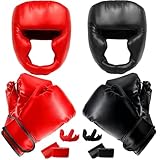
So, you’re ready to step into the ring, or maybe just hit the heavy bag? Fantastic! Boxing is a phenomenal workout and a seriously fun sport. But before you start throwing punches, you need the right gear. And the most crucial piece? Your boxing gloves. Choosing the right pair can make the difference between a great training session and a painful, even potentially injurious, one.
This guide will walk you through everything you need to know about selecting the perfect boxing gloves, from understanding the different types and weights to considering the materials and features that best suit your needs. We’ll break down the jargon and help you make an informed decision so you can focus on what matters most: improving your technique and enjoying the sweet science of boxing.
Get ready to learn about the various aspects of boxing gloves and how to choose the right ones for your training and sparring needs. Let’s get started!
Understanding Boxing Glove Types
Boxing gloves aren’t just one-size-fits-all. Different types are designed for specific purposes, and understanding these differences is the first step in finding the right pair for you.
Training Gloves
Training gloves are the workhorses of the boxing world. They’re designed for general training, including heavy bag work, pad work, and sparring. These gloves typically offer a good balance of protection and durability, making them suitable for a wide range of activities. They usually feature thicker padding than competition gloves, providing more protection for both your hands and your sparring partner’s face.
- Padding: Generally made with layered foam for shock absorption.
- Weight: Typically range from 12oz to 16oz for adults.
- Use: Versatile for various training activities.
Sparring Gloves
Sparring gloves are specifically designed for controlled sparring sessions. They prioritize the safety of both fighters. They often have more padding in the knuckle area and are generally heavier than training gloves to disperse the impact of punches. This increased padding helps to minimize the risk of injury during sparring.
- Padding: Designed with extra padding for impact absorption.
- Weight: Usually 14oz, 16oz, or even 18oz for adults. The heavier the glove, the more protection.
- Use: Primarily for sparring sessions.
Competition Gloves
Competition gloves are used in official boxing matches. They are designed to meet specific regulations set by boxing organizations. These gloves are often lighter than training or sparring gloves, with less padding, which allows for faster punches and more power transfer. They are built for performance, not necessarily for maximum protection, because they are intended to be used in a professional setting where the risk of injury is already accepted. They usually have a lace-up closure for a secure fit.
- Padding: Often uses horsehair or a combination of horsehair and foam.
- Weight: Determined by the boxing organization’s rules, typically 8oz or 10oz for professional fights, and 10oz or 12oz for amateur bouts.
- Use: For official boxing matches.
Bag Gloves
Bag gloves are specifically designed for heavy bag training. They are typically smaller and more compact than training or sparring gloves, with less padding overall. This design allows for more direct contact with the bag, which can help improve punching technique and power. Bag gloves often have a tighter fit and are made of durable materials to withstand the repeated impact of hitting the heavy bag. They are not recommended for sparring.
- Padding: Less padding compared to training or sparring gloves.
- Weight: Typically lighter, from 10oz to 14oz.
- Use: Primarily for heavy bag work.
Choosing the Right Glove Weight
The weight of your boxing gloves is a crucial factor, influencing both your training and your safety. Glove weight is measured in ounces (oz). The weight of the glove impacts how much protection is available and how the punch feels. Here’s a breakdown of how to choose the right weight: (See Also: Are Muay Thai Gloves The Same As Boxing Gloves )
- Beginners: Start with heavier gloves (14oz or 16oz) for more protection.
- Training: For general training, 14oz or 16oz gloves are common.
- Sparring: 16oz or 18oz gloves are usually recommended to protect both you and your sparring partner.
- Competition: Determined by the rules of the boxing organization, typically 8oz or 10oz for professional fights, and 10oz or 12oz for amateur bouts.
Here’s a table to help you visualize glove weight recommendations based on body weight:
| Body Weight | Recommended Training Gloves | Recommended Sparring Gloves |
|---|---|---|
| Under 120 lbs | 12oz – 14oz | 14oz – 16oz |
| 120 – 150 lbs | 14oz – 16oz | 16oz |
| 150 – 180 lbs | 16oz | 16oz – 18oz |
| Over 180 lbs | 16oz – 18oz | 18oz |
Important Note: Always consider the advice of your coach or trainer when selecting glove weight. They can assess your technique and provide personalized recommendations.
Understanding Glove Materials
The material of your boxing gloves significantly affects their durability, performance, and comfort. Here are the most common materials used:
Leather
Leather gloves are generally considered the premium option. They offer superior durability, breathability, and a comfortable feel. High-quality leather gloves can last for years with proper care. They conform to your hand over time, providing a custom fit. Leather is a natural material that breathes well, reducing sweat buildup. However, leather gloves typically require more care, such as regular cleaning and conditioning.
- Pros: Durable, comfortable, breathable, molds to your hand.
- Cons: Requires more maintenance, typically more expensive.
Synthetic Leather
Synthetic leather gloves, often made of materials like polyurethane (PU) or polyvinyl chloride (PVC), offer a more affordable alternative to leather. They are generally less expensive, require less maintenance, and are often more resistant to wear and tear. Synthetic leather gloves are a good option for beginners or those on a budget. However, they may not be as breathable as leather, and their durability can vary depending on the quality of the material.
- Pros: Affordable, easy to clean, durable.
- Cons: Can be less breathable, may not last as long as leather.
Other Materials
Some gloves may incorporate other materials, such as mesh panels for ventilation or specialized linings for moisture-wicking. These features can enhance comfort and performance.
Key Features to Consider
Beyond the type and material, several features can impact the performance and comfort of your boxing gloves:
Padding
The padding is crucial for protecting your hands and your sparring partner’s face. Look for gloves with multi-layer foam padding, which provides excellent shock absorption. Some gloves use gel padding for added protection. The density and composition of the padding can vary, so consider your training style and the level of protection you need. (See Also: Can You Wrestle In Boxing Shoes )
Closure System
The closure system secures the glove to your hand. The most common types are:
- Hook-and-Loop (Velcro): Easy to put on and take off, ideal for training.
- Lace-up: Provides a more secure and customized fit, often used in competition gloves.
Wrist Support
Good wrist support is essential to prevent injuries. Look for gloves with a well-designed wrist closure and ample padding in the wrist area. This helps to stabilize your wrist during punches.
Ventilation
Ventilation helps to keep your hands cool and dry. Look for gloves with mesh panels or ventilation holes to allow air circulation. This helps to reduce sweat buildup and prevent odors. Poor ventilation can lead to discomfort and premature wear of the gloves.
Thumb Protection
A connected thumb design helps to protect your thumb from injury. This feature keeps the thumb in a proper position, reducing the risk of hyperextension or other injuries.
Sizing Your Boxing Gloves
Getting the right size is essential for both comfort and performance. Here’s how to determine your glove size:
- Measure Your Hand: Wrap a flexible measuring tape around your knuckles, excluding the thumb. Make a fist.
- Consult a Size Chart: Boxing glove manufacturers provide size charts. Use your measurement to find the appropriate size. These charts typically use the circumference of your hand to determine the correct size.
- Consider Hand Wraps: Always factor in the thickness of your hand wraps. Hand wraps add bulk, so you may need to go up a size if you use them.
- Try Them On: If possible, try on the gloves with hand wraps before purchasing.
- Check the Fit: Your fingers should not touch the end of the glove, and your hand should feel secure but not constricted.
General Sizing Guidelines:
* Small: 8-10 inches (typically for women and youth)
* Medium: 10-12 inches
* Large: 12-14 inches
* X-Large: 14+ inches
Remember that these are just general guidelines, and sizes can vary between brands. Always refer to the manufacturer’s size chart for the most accurate fit. (See Also: Is Everlast Good Boxing Gloves )
Caring for Your Boxing Gloves
Proper care will extend the life of your boxing gloves and keep them smelling fresh. Here are some tips:
- Air Them Out: After each use, remove your gloves from your bag and let them air dry in a well-ventilated area.
- Use Hand Wraps: Always wear hand wraps to absorb sweat and provide extra protection.
- Clean Regularly: Wipe down the outside of your gloves with a damp cloth after each use. For leather gloves, use a leather cleaner and conditioner.
- Deodorize: Use glove deodorizers or place dryer sheets inside your gloves to absorb odors.
- Store Properly: Store your gloves in a dry, well-ventilated area, away from direct sunlight.
- Avoid Extreme Temperatures: Do not leave your gloves in a hot car or expose them to extreme temperatures, as this can damage the materials.
Top Brands and Where to Buy
Several reputable brands offer high-quality boxing gloves. Some popular brands include:
- Everlast: A well-known brand, offering a wide range of gloves for all levels.
- Cleto Reyes: A premium brand, favored by professional boxers, known for its high-quality leather gloves.
- Winning: Another premium brand, known for its superior protection and comfort.
- Title Boxing: Offers a variety of gloves for training and competition.
- Venum: A popular brand, known for its stylish designs and performance.
- Rival Boxing: Known for its innovative designs and focus on comfort and protection.
You can purchase boxing gloves from:
- Specialty Boxing Stores: Offer expert advice and a wide selection of gloves.
- Sporting Goods Stores: Often carry a selection of popular brands.
- Online Retailers: Provide a vast selection and often competitive prices (e.g., Amazon, eBay, etc.).
When purchasing online, be sure to check the return policy and read reviews to ensure you’re getting a good fit and quality product.
Final Considerations
Choosing the right boxing gloves is a personal decision. Consider your:
- Training Goals: What do you want to achieve through boxing?
- Training Frequency: How often will you be training?
- Budget: How much are you willing to spend?
- Hand Size and Shape: What is your hand size, and do you have any specific requirements?
By considering these factors and following the advice in this guide, you can find the perfect boxing gloves to support your training and help you reach your goals. Don’t hesitate to ask for advice from experienced boxers or trainers, they can offer valuable insights and recommendations.
Verdict
Finding the right boxing gloves is an investment in your training and your safety. By understanding the different types, weights, materials, and features, you can make an informed decision and select a pair that fits your needs and budget. Remember to prioritize protection, comfort, and a good fit.
Take the time to research different brands and styles, consider your training goals, and don’t be afraid to ask for advice. With the right gloves, you’ll be well-equipped to enjoy the sport of boxing, improve your skills, and stay safe in the ring or on the bag.
Enjoy your boxing journey, and remember to always focus on proper technique, listen to your body, and have fun! The right pair of gloves is a crucial piece of the puzzle, and with the information provided, you’re now ready to make the best choice for your boxing adventures.