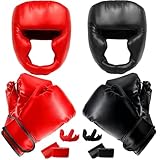
Choosing the right boxing gloves is more than just picking a cool design; it’s about your safety, performance, and overall enjoyment of the sport. Whether you’re a seasoned pro or just starting your boxing journey, the size of your gloves plays a crucial role. Too small, and you risk injury. Too large, and your technique suffers. In this comprehensive guide, we’ll walk you through everything you need to know about how to find the right boxing glove size, ensuring you’re well-equipped for your next workout or sparring session.
We’ll cover the factors that influence glove size, from your hand measurements and weight to the type of boxing you do. We will also explore the different types of gloves available and how they fit. We’ll also provide you with helpful tips to consider when trying on gloves. By the end, you’ll have all the knowledge you need to make an informed decision and choose gloves that fit you perfectly. Let’s get started!
Understanding Boxing Glove Sizing: The Basics
Boxing glove sizes are typically measured in ounces (oz). This refers to the weight of the glove, not its physical dimensions. The weight is directly related to the amount of padding in the glove, which affects its impact absorption and the protection it provides. Generally, heavier gloves offer more protection but may feel bulkier, while lighter gloves offer more speed but less protection. It’s a balance you’ll need to consider based on your needs.
Why Glove Size Matters
The correct glove size is crucial for several reasons:
- Protection: The primary function of boxing gloves is to protect your hands and your sparring partner’s face. The right size, with adequate padding, will absorb the impact of punches, minimizing the risk of injury to both parties.
- Technique: Gloves that are too large can hinder your technique, making it difficult to maintain proper form and speed. Gloves that are too small can restrict movement and cause discomfort.
- Comfort: Well-fitting gloves should feel comfortable, allowing you to focus on your training or sparring without distractions.
- Safety: Using the wrong size gloves can lead to injuries such as broken bones, sprains, and cuts. Ensuring the correct size is a must.
Common Boxing Glove Sizes
Here’s a general overview of common boxing glove sizes and their typical uses:
- 8 oz: Often used for bag work and mitt work, and is sometimes used in professional fights.
- 10 oz: Commonly used in professional fights and for experienced boxers.
- 12 oz: Suitable for sparring and training for lighter weight classes.
- 14 oz: Ideal for sparring and training for heavier weight classes, and provides additional protection.
- 16 oz: Primarily used for sparring to provide maximum protection. Also great for heavy bag work.
Factors Influencing Boxing Glove Size
Several factors will influence the right boxing glove size for you. Let’s break down the key considerations.
Your Weight
Your body weight is one of the most important factors in determining your glove size. As a general rule, heavier individuals require heavier gloves for adequate protection. This is because heavier individuals tend to generate more power, and heavier gloves provide more padding to absorb the impact.
Here’s a general guideline based on weight:
| Weight | Recommended Glove Size |
|---|---|
| Under 120 lbs | 10 oz – 12 oz |
| 120 – 150 lbs | 12 oz – 14 oz |
| 150 – 180 lbs | 14 oz – 16 oz |
| Over 180 lbs | 16 oz |
Important Note: This is a general guideline. Your specific needs may vary based on the type of training or sparring you do.
Your Hand Measurements
While weight is a primary factor, hand measurements can also influence your glove size. Consider the circumference of your hand, measured around the knuckles, and the length of your fingers. This can help fine-tune your fit. (See Also: Are Muay Thai Gloves The Same As Boxing Gloves )
Here’s how to measure your hand:
- Wrap a measuring tape around your knuckles, keeping your hand flat.
- Measure the circumference of your hand at its widest point.
- Measure the length of your hand from the tip of your middle finger to the base of your palm.
Use these measurements as a secondary reference when choosing your glove size. Refer to the manufacturer’s size chart for specific guidance.
Type of Boxing
The type of boxing you engage in will also affect your glove size. Different activities have different requirements:
- Sparring: For sparring, it’s generally recommended to use heavier gloves, typically 14 oz or 16 oz, to provide maximum protection for yourself and your sparring partner.
- Bag Work: For heavy bag work, you can use lighter gloves, such as 10 oz or 12 oz, for more speed and agility. Heavier gloves (14 oz or 16 oz) can also be used for extra protection.
- Competition: In professional matches, fighters usually use 8 oz or 10 oz gloves, depending on the weight class.
- Fitness Boxing: If you’re using boxing for fitness, 12 oz or 14 oz gloves are a good starting point.
Experience Level
Your experience level can also influence your glove size. Beginner boxers often benefit from heavier gloves to provide more protection as they develop their technique. Experienced boxers may prefer lighter gloves for more speed and agility.
Different Types of Boxing Gloves
Understanding the different types of boxing gloves can help you choose the right one for your needs.
Training Gloves
Training gloves are designed for general use, including bag work, mitt work, and sparring. They typically have a padded wrist area for added support and protection. Training gloves are available in a range of weights, from 10 oz to 16 oz.
Sparring Gloves
Sparring gloves are specifically designed for sparring. They usually have extra padding to protect both the boxer and their sparring partner. Sparring gloves are typically heavier, usually 14 oz or 16 oz.
Competition Gloves
Competition gloves are used in professional boxing matches. They are usually lighter than training or sparring gloves, typically 8 oz or 10 oz, and are designed for speed and power.
Bag Gloves
Bag gloves are designed specifically for heavy bag work. They are typically lighter than training gloves, allowing for more speed and agility. They may have less padding than training gloves, focusing on the protection of the knuckles. (See Also: Can You Wrestle In Boxing Shoes )
Hybrid Gloves
Some gloves are designed to be versatile, suitable for both training and sparring. These hybrid gloves offer a balance of protection and performance.
How to Choose the Right Boxing Glove Size: A Step-by-Step Guide
Now that you understand the factors involved, let’s go through the steps to choose the right boxing glove size.
- Determine Your Weight: Use your current weight to determine the recommended glove size based on the weight guidelines provided earlier.
- Consider Your Training Type: Think about what activities you’ll be doing most often. If you’re primarily sparring, lean towards heavier gloves. If you’re mainly doing bag work, you might opt for lighter ones.
- Measure Your Hand: Measure the circumference of your hand and consider the length of your fingers.
- Consult the Manufacturer’s Size Chart: Each manufacturer may have slightly different sizing, so check their specific size chart.
- Try Them On: If possible, try on the gloves before you buy them. Make sure you wear hand wraps for a more accurate fit.
- Check the Fit: When wearing the gloves with hand wraps, your fingers should lightly touch the end of the glove, and your fist should feel secure but not overly tight.
Trying on Boxing Gloves: What to Look For
When trying on boxing gloves, keep the following in mind:
- Wear Hand Wraps: Always wear hand wraps when trying on gloves. This will ensure an accurate fit and will be how you wear them during training.
- Check the Finger Compartment: Your fingers should comfortably reach the end of the glove without being overly cramped.
- Make a Fist: Make a fist and ensure your hand feels secure, and the padding is distributed evenly. The glove should not feel overly tight or loose.
- Check the Wrist Support: The wrist area should provide good support and stability. Make sure the gloves secure well around your wrist.
- Consider the Padding: The padding should be dense enough to absorb impact but not so bulky that it restricts your movement.
Hand Wraps: An Essential Component
Hand wraps are a critical part of boxing equipment. They provide additional support and protection for your hands and wrists, absorbing moisture and preventing injuries. They are an essential part of the boxing glove fitting process.
Here’s why hand wraps are so important:
- Protection: Hand wraps protect your knuckles, wrists, and the bones in your hand.
- Support: They provide support and stability to your wrists, helping to prevent sprains and other injuries.
- Absorption: They absorb sweat, keeping your gloves cleaner and extending their lifespan.
- Fit: They add bulk to your hand, allowing for a more accurate fit when trying on gloves.
When choosing hand wraps, consider the material, length, and closure type. Cotton wraps are a popular choice. The length typically ranges from 120 inches to 180 inches, depending on the size of your hand and the wrapping style you prefer.
Material Matters: Glove Construction
The materials used in boxing gloves affect their durability, performance, and comfort. Here’s a look at common glove materials:
Leather Gloves
Leather gloves are known for their durability and premium feel. They are often preferred by professional boxers and those who train frequently. Leather gloves can last for years with proper care.
- Pros: Durable, long-lasting, comfortable, and often have a premium feel.
- Cons: Can be more expensive and may require more maintenance.
Synthetic Leather Gloves
Synthetic leather gloves, often made from materials like polyurethane (PU) or polyvinyl chloride (PVC), offer a more affordable option. They’re suitable for beginners and those on a budget. (See Also: Is Everlast Good Boxing Gloves )
- Pros: More affordable, require less maintenance, and are often more resistant to wear and tear.
- Cons: May not last as long as leather gloves and can sometimes feel less comfortable.
Foam Padding
The padding is usually made of layers of foam. These layers absorb the impact of punches and protect your hands. The quality and density of the foam can vary, affecting the level of protection.
Glove Care and Maintenance
Proper care and maintenance will extend the life of your boxing gloves and keep them in top condition.
- Air Them Out: After each use, let your gloves air dry in a well-ventilated area. Do not place them in direct sunlight or near a heat source, as this can damage the materials.
- Use a Glove Deodorizer: To prevent odors, use a glove deodorizer or spray after each workout.
- Clean the Exterior: Wipe down the exterior of your gloves with a damp cloth after each use to remove sweat and dirt. For leather gloves, use a leather cleaner.
- Store Properly: Store your gloves in a cool, dry place. Consider using a glove bag to protect them.
- Use Hand Wraps: Always use hand wraps when training to absorb sweat and protect your gloves from excessive moisture.
Top Brands to Consider
Several reputable brands offer high-quality boxing gloves. Some popular brands include:
- Everlast: A well-known brand offering a wide range of gloves for all skill levels.
- Title Boxing: Known for its high-quality gloves and equipment.
- Winning: A premium brand favored by professional boxers.
- Rival Boxing: Offers a variety of gloves with innovative designs.
- Hayabusa: Known for its advanced technology and performance-driven gloves.
Researching different brands and reading reviews can help you find gloves that meet your needs and preferences.
Common Mistakes to Avoid
Avoid these common mistakes when choosing boxing gloves:
- Buying Based on Price Alone: While budget is a factor, don’t sacrifice quality for cost.
- Ignoring the Manufacturer’s Size Chart: Always refer to the size chart for accurate sizing.
- Not Trying Them On: Always try on the gloves if possible to ensure a good fit.
- Neglecting Hand Wraps: Always wear hand wraps for proper protection and a more accurate fit.
- Not Considering Your Training Needs: Choose gloves that are appropriate for the type of boxing you do.
Where to Buy Boxing Gloves
Boxing gloves are available at various retailers, including:
- Specialty Boxing Stores: These stores offer a wide selection of gloves and knowledgeable staff.
- Sporting Goods Stores: Many sporting goods stores carry boxing gloves.
- Online Retailers: Online retailers offer a vast selection and often competitive prices.
When buying online, be sure to check the return policy and read reviews before making a purchase.
Final Thoughts
Choosing the right boxing glove size is crucial for your safety, performance, and enjoyment of the sport. By considering your weight, hand measurements, the type of boxing you do, and your experience level, you can find gloves that fit you perfectly.
Remember to always wear hand wraps, try on gloves when possible, and consult the manufacturer’s size chart. With the right gloves, you’ll be well-protected and able to focus on improving your technique and enjoying the sweet science.
Proper care and maintenance will also extend the life of your gloves, ensuring they remain in top condition for years to come. Now, go out there, train hard, and enjoy the thrill of boxing!