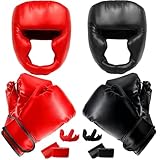
So, you’re ready to step into the ring, or maybe just hit the heavy bag at the gym? That’s awesome! But before you start throwing punches, there’s one crucial piece of equipment you need to get right: your boxing gloves. Finding the correct size isn’t just about comfort; it’s about protecting your hands and wrists from injury, and ensuring you can perform at your best. Getting the wrong size can lead to serious problems down the line, so it’s worth taking the time to get it right.
This guide will walk you through everything you need to know about finding the perfect boxing glove size. We’ll cover how to measure your hand, factors to consider, and the different types of gloves available. We’ll also provide a handy size chart to make the process as easy as possible. Let’s get started and get you geared up for success!
Understanding Boxing Glove Sizing
Boxing glove sizing isn’t as straightforward as shoe sizes or clothing sizes. It’s primarily determined by weight, measured in ounces (oz). This might seem confusing at first, but it’s a standard that’s used across the boxing world. The weight of the glove directly impacts its padding and, consequently, the level of protection it offers. Heavier gloves have more padding and are generally used for sparring and training, while lighter gloves may be used for competition.
The size you need will depend on several factors, including your hand size, your weight, and the intended use of the gloves. We’ll break down each of these factors in detail to help you make an informed decision.
Why Glove Weight Matters
The weight of a boxing glove is crucial for several reasons:
- Protection: Heavier gloves provide more padding, which absorbs more impact, protecting your hands and your sparring partner’s face.
- Training: Heavier gloves are excellent for building strength and endurance. The added weight makes your punches slower, but also more powerful.
- Competition: Competition gloves are typically lighter to allow for faster hand speed and more precise punching.
Understanding the relationship between weight, protection, and training goals is fundamental to choosing the right gloves.
Hand Measurement: The First Step
Before you even look at a size chart, you need to measure your hand. This is a simple process, and all you need is a flexible measuring tape or a piece of string and a ruler. Here’s how to do it:
- Open Your Hand: Extend your dominant hand (the one you write with) and keep your fingers straight, but not stiff.
- Wrap the Tape: Wrap the measuring tape around the widest part of your hand, typically across your knuckles. Make sure the tape is snug, but not too tight.
- Note the Measurement: Record the measurement in inches or centimeters. If you used a string, mark the point where it meets and measure the string against a ruler.
This measurement will be used in conjunction with your weight to determine the appropriate glove size.
Boxing Glove Size Chart
Here’s a general boxing glove size chart. Remember that this is a guideline, and different brands may have slightly different sizing. Always check the brand’s specific size chart if available. Also, note that the weight of the glove is listed in ounces (oz). (See Also: Are Muay Thai Gloves The Same As Boxing Gloves )
| Weight (oz) | Recommended For | Typical Use |
|---|---|---|
| 8 oz | Under 120 lbs | Competition (Professional) |
| 10 oz | 120-150 lbs | Competition (Professional) & Advanced Training |
| 12 oz | 150-175 lbs | Sparring & Training |
| 14 oz | 175-200 lbs | Sparring & Training |
| 16 oz | Over 200 lbs | Sparring & Training (Highly Recommended) |
Important Note: This chart is a general guide. It’s always best to try on gloves if possible. Consider the type of training you’ll be doing. For instance, if you’re primarily using the gloves for heavy bag work, you might choose a slightly lighter weight than if you’re sparring frequently.
Factors Influencing Your Boxing Glove Size
Several factors beyond your hand size and weight affect the ideal glove size for you. Considering these will help you choose the best gloves for your specific needs.
Your Weight
Your body weight is a crucial factor. Heavier individuals typically require heavier gloves for adequate protection, both for themselves and their sparring partners. The weight chart above provides a good starting point, but consider your overall build and strength level.
Training Style
The type of training you’ll be doing will also influence your choice. If you’re mainly doing bag work, you might opt for a slightly lighter glove for speed and agility. However, if you’re sparring regularly, you’ll need heavier gloves (14 or 16 oz) to protect yourself and your partner. Consider your training frequency and intensity. More intense training requires more protection.
Experience Level
Beginners often benefit from heavier gloves (14 or 16 oz) as they provide more padding and protection while they’re learning proper technique. More experienced boxers might prefer lighter gloves for competition or specific training drills. As your skills develop, you might adjust your glove weight to suit your needs.
Hand Wrapping
Always factor in hand wraps when determining your glove size. Hand wraps add bulk to your hands and fingers, so you’ll need gloves that can accommodate them comfortably. Make sure you wrap your hands before trying on gloves. If the gloves feel too tight with wraps, go up a size. Hand wraps are essential for protecting your knuckles, wrists, and the bones in your hands.
Glove Material
The material of the gloves can also influence the fit and feel. Leather gloves tend to mold to your hand over time, providing a more custom fit. Synthetic gloves might be more affordable, but they may not offer the same level of comfort or durability. Consider the material when choosing your size.
Types of Boxing Gloves
There are several types of boxing gloves, each designed for a specific purpose. Understanding the differences between these types will help you choose the right gloves for your training needs. (See Also: Can You Wrestle In Boxing Shoes )
Training Gloves
Training gloves are the most common type. They’re designed for general training, including bag work, pad work, and sparring. They typically have a heavier weight (12-16 oz) and more padding for protection. Training gloves are a versatile choice for most boxers.
Sparring Gloves
Sparring gloves are specifically designed for sparring. They have extra padding in the knuckles and wrist areas to protect both the wearer and the sparring partner. They’re usually 14 or 16 oz, depending on the weight of the boxers. Safety is the primary concern with sparring gloves.
Competition Gloves
Competition gloves are designed for professional boxing matches. They’re typically lighter (8-10 oz) to allow for faster hand speed and more precise punching. They often have less padding, as the focus is on speed and power. Competition gloves are not recommended for training.
Bag Gloves
Bag gloves are designed specifically for heavy bag work. They usually have less padding than training gloves, which allows for a better feel of the bag. They’re often lighter (10-12 oz) and more compact. Bag gloves are good for developing punching power and technique.
Hybrid Gloves
Some gloves are designed to be a hybrid between training and sparring gloves. These gloves offer a balance of protection and versatility, making them suitable for various training activities. They are a good option for those who do a variety of training exercises.
Trying on Boxing Gloves
Once you’ve determined your size based on the factors above, it’s time to try on some gloves. Here’s how to ensure a good fit:
- Wrap Your Hands: Always wrap your hands before trying on gloves. This is crucial for an accurate fit.
- Put on the Gloves: Slide your hand into the glove, making sure your fingers are positioned correctly.
- Check the Fit: The gloves should feel snug, but not overly tight. You should be able to make a fist comfortably. Your fingers shouldn’t be jammed against the end of the glove.
- Check the Wrist Support: The wrist area should provide good support. The strap should secure the glove firmly to your wrist.
- Punch and Move: Make some punches and move around to get a feel for the gloves. Ensure you have a full range of motion.
If possible, try on several pairs of gloves to find the most comfortable and best-fitting option. The right fit is critical for performance and injury prevention.
Boxing Glove Brands and Features
Various brands offer boxing gloves, each with its own unique features and benefits. Researching different brands can help you find gloves that meet your specific needs and preferences. Here are some popular brands and features to consider: (See Also: Is Everlast Good Boxing Gloves )
Popular Brands
- Everlast: A well-known and respected brand with a wide range of gloves for all levels.
- Title Boxing: Known for high-quality gloves and equipment, popular among professional boxers.
- Hayabusa: Offers innovative gloves with advanced technology for comfort and protection.
- Cleto Reyes: A premium brand favored by many professional boxers for its quality and performance.
- Winning: Renowned for its exceptional quality and durability, often considered among the best.
Features to Consider
- Padding: The type and amount of padding are crucial for protection. Look for gloves with multi-layer padding.
- Material: Leather gloves are generally more durable and offer a better fit over time. Synthetic gloves are a more affordable option.
- Wrist Support: Proper wrist support is essential for injury prevention. Look for gloves with a secure and supportive wrist closure.
- Ventilation: Good ventilation helps to keep your hands cool and dry during training.
- Closure System: Choose a closure system that’s easy to use and provides a secure fit. Velcro closures are common for training gloves, while lace-up closures are often used in competition.
Read reviews and compare different brands before making a purchase. Consider the features that are most important to you.
Care and Maintenance of Boxing Gloves
Proper care and maintenance can extend the life of your boxing gloves and keep them performing at their best. Here are some tips:
- Air Them Out: After each use, let your gloves air dry. Avoid storing them in a gym bag without allowing them to dry properly.
- Use Glove Deodorizers: Use glove deodorizers or inserts to absorb moisture and eliminate odors.
- Wipe Them Down: After each workout, wipe down the exterior of your gloves with a damp cloth to remove sweat and dirt.
- Clean the Interior: Occasionally, clean the interior of your gloves with a mild disinfectant.
- Store Properly: Store your gloves in a cool, dry place. Avoid direct sunlight or extreme temperatures.
- Repair as Needed: Repair any tears or damage promptly to prevent further deterioration.
By following these tips, you can keep your gloves in good condition for longer.
Common Mistakes to Avoid
When choosing boxing gloves, it’s easy to make mistakes. Here are some common pitfalls to avoid:
- Not Measuring Your Hand: Don’t guess your size. Always measure your hand to get an accurate fit.
- Ignoring Your Weight: Glove weight should correlate with your body weight to ensure adequate protection.
- Prioritizing Price Over Quality: While budget is a factor, don’t sacrifice quality for a lower price. Invest in gloves that offer good protection and durability.
- Not Trying Them On: Always try on gloves before purchasing, if possible. This ensures a comfortable and secure fit.
- Neglecting Hand Wraps: Always use hand wraps. They provide essential protection and help your gloves fit properly.
- Not Considering Training Style: Choose gloves that are appropriate for your training activities.
Avoiding these common mistakes will help you find the right gloves and stay safe.
Where to Buy Boxing Gloves
Boxing gloves are available at a variety of retailers, both online and in physical stores. Here are some popular options:
- Specialty Boxing Stores: These stores offer a wide selection of gloves and equipment, and the staff can provide expert advice.
- Sporting Goods Stores: Large sporting goods stores often carry a selection of boxing gloves.
- Online Retailers: Amazon, eBay, and other online retailers offer a vast selection of gloves at competitive prices.
- Brand Websites: Buying directly from the brand’s website can ensure you get authentic products and sometimes exclusive deals.
Compare prices, read reviews, and consider your needs when choosing where to buy. Make sure the retailer has a good return policy in case the gloves don’t fit correctly.
Conclusion
Choosing the right boxing glove size is a crucial step in ensuring a safe and effective training experience. By understanding the factors that influence glove size, such as hand measurement, weight, training style, and experience level, you can make an informed decision. Remember to always use hand wraps, try on gloves before purchasing, and consider the different types of gloves available. Following the guidelines and tips in this article will help you find gloves that fit comfortably, provide adequate protection, and allow you to perform at your best. Good luck with your training, and stay safe in the ring!
Remember to prioritize the fit and protection of your gloves. Proper sizing and care will not only enhance your performance but also extend the lifespan of your gear, making your boxing journey more enjoyable and sustainable. Train hard, train smart, and enjoy the sport!