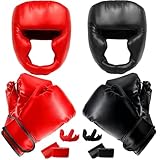
So, you’re curious about how to damage boxing gloves, huh? Maybe you’re a coach looking to understand the limits of your equipment, a gym owner trying to assess the durability of different brands, or perhaps you’re just incredibly curious about the science of wear and tear. Whatever the reason, you’ve come to the right place. This isn’t about promoting destructive behavior, but rather, about understanding the factors that affect the lifespan of boxing gloves and how they can be accelerated. Knowing these things can help you make informed decisions about your gear, training, and overall boxing experience.
Boxing gloves are essential for protecting your hands and your sparring partner. They undergo immense stress during training and competition. Understanding how they break down can help you extend their life when you need to, and recognize when they need replacing. This knowledge will not only save you money but also help you prevent injuries. Let’s explore the various ways boxing gloves can be damaged, from the obvious to the subtle, and arm you with the knowledge to make smart choices.
We will cover everything from the materials used, to the types of training that can accelerate the degradation process. We’ll also look at the impact of poor care and storage. This guide is designed to be comprehensive, ensuring you have a thorough understanding of the subject. Let’s get started!
Understanding the Anatomy of a Boxing Glove
Before we delve into the methods of damaging boxing gloves, it’s crucial to understand their construction. This knowledge will help you see where the vulnerabilities lie. Boxing gloves are complex pieces of equipment, designed to absorb impact while protecting both the wearer and the opponent. Understanding the different components will allow you to understand how each contributes to the overall integrity of the glove.
The Outer Shell
The outer shell is the first line of defense. It’s typically made of leather or synthetic materials like polyurethane (PU) or polyvinyl chloride (PVC). Leather is generally considered the superior material due to its durability, breathability, and feel. However, it requires more care. Synthetic materials are often more affordable and easier to maintain but may not last as long or offer the same level of performance. The quality of the outer shell significantly impacts the glove’s lifespan and resistance to wear and tear. Higher-quality leather will withstand more abuse.
The Padding
The padding is the heart of the glove, responsible for absorbing the impact of punches. It’s typically made of layers of foam, often a combination of different densities. These layers work together to dissipate the force of the blows, protecting both the boxer’s hand and the opponent’s face. The type and density of the foam significantly impact the glove’s performance and lifespan. Over time, the padding compresses and loses its ability to absorb impact effectively, which is a key indicator of glove degradation. The quality and density of the padding are critical for protection and longevity.
The Lining
The lining, found inside the glove, is usually made of a moisture-wicking material. This lining helps absorb sweat and keep the boxer’s hands dry. This is important to prevent the glove from becoming waterlogged, which can lead to premature wear and tear and the growth of bacteria and mold. The lining’s condition also affects comfort and hygiene. A damaged or worn lining can lead to discomfort and reduced glove lifespan.
The Wrist Support
The wrist support system, which includes the cuff and closure mechanism (laces or Velcro), provides stability and prevents injuries. A secure and supportive wrist closure is essential for protecting the wrist during punches. The quality of the wrist support affects both safety and the glove’s overall durability. A weak wrist closure can lead to injuries and premature glove failure.
Methods of Damaging Boxing Gloves
Now, let’s explore the various methods that can be used to damage boxing gloves. These methods range from the obvious to the subtle, and each contributes to the overall degradation process. Remember, our goal here is to understand these factors, not to encourage intentional destruction.
Excessive Use on Heavy Bags
Heavy bags are designed to absorb punishment, but using boxing gloves on them excessively, or without proper technique, can accelerate their wear and tear. The constant impact, especially if the gloves are not properly broken in, can compress the padding, causing it to lose its protective properties. Furthermore, poor technique, such as punching with improper form, can put undue stress on specific areas of the glove, leading to premature damage. Hitting the heavy bag too frequently, especially with poor technique, is a major factor in glove degradation.
Here’s how excessive heavy bag use damages gloves:
- Padding Compression: Repeated impact compresses the foam padding, reducing its ability to absorb shock.
- Outer Shell Wear: The outer shell experiences abrasion, leading to tears and cracks.
- Stitching Failure: Constant impact can loosen or break the stitching, especially at stress points.
- Lining Deterioration: The lining absorbs sweat and can break down over time, leading to mold and odor.
Impact of Poor Punching Technique
Poor punching technique, such as not aligning the wrist properly or punching with the knuckles, can put excessive stress on the gloves. Improper alignment can lead to the padding compressing unevenly, and the outer shell wearing down faster in certain areas. Punching with the wrong part of the hand can also cause the gloves to wear out faster. Poor technique accelerates glove damage by focusing impact on specific areas.
Here’s how poor punching technique damages gloves:
- Uneven Padding Compression: Improper form can cause the padding to compress unevenly, leading to reduced protection in some areas.
- Outer Shell Tears: Punching with improper form can cause the outer shell to tear or split.
- Stitching Damage: Incorrect punching can put stress on the stitching, causing it to fail.
- Wrist Support Failure: Poor technique can lead to wrist injuries, which can damage the glove’s wrist support.
Impact of Sparring
Sparring, while essential for boxing training, also puts significant stress on gloves. The constant impact from punches, combined with the movement and friction of sparring, can wear down the gloves over time. The intensity and frequency of sparring sessions directly correlate with the rate of glove degradation. Frequent and intense sparring accelerates glove wear.
Here’s how sparring damages gloves:
- Padding Compression: Repeated impact compresses the foam padding, reducing its ability to absorb shock.
- Outer Shell Abrasion: The outer shell experiences abrasion, leading to wear and tear.
- Stitching Failure: Constant impact can loosen or break the stitching.
- Lining Deterioration: The lining absorbs sweat and can break down over time.
Neglecting Proper Cleaning and Maintenance
Boxing gloves, like any piece of athletic equipment, require proper care to extend their lifespan. Neglecting cleaning and maintenance can lead to premature degradation. Sweat, dirt, and bacteria can accumulate inside the gloves, leading to odor, mold growth, and material breakdown. Poor cleaning and maintenance significantly reduce the lifespan of boxing gloves.
Here’s how neglecting cleaning and maintenance damages gloves: (See Also: Are Muay Thai Gloves The Same As Boxing Gloves )
- Odor and Bacteria Buildup: Sweat and bacteria accumulate inside the gloves, leading to unpleasant odors and potential health risks.
- Mold Growth: Moisture can cause mold to grow inside the gloves, damaging the materials.
- Material Degradation: Sweat and dirt can break down the materials, leading to tears and cracks.
- Reduced Lifespan: Neglecting cleaning and maintenance shortens the overall lifespan of the gloves.
Improper Storage
How you store your boxing gloves also impacts their lifespan. Storing gloves in a damp or humid environment can promote mold growth and material deterioration. Leaving them in a gym bag after a workout without allowing them to dry out can lead to similar problems. Proper storage, on the other hand, can help extend their life. Improper storage accelerates glove damage.
Here’s how improper storage damages gloves:
- Mold and Mildew Growth: Damp environments promote mold and mildew growth, which can damage the materials.
- Material Degradation: Moisture can break down the materials, leading to tears and cracks.
- Odor Buildup: Trapped moisture can lead to unpleasant odors.
- Reduced Lifespan: Improper storage shortens the overall lifespan of the gloves.
Impact of Extreme Temperatures
Extreme temperatures can also affect the materials used in boxing gloves. Excessive heat can cause the glue to break down, the leather to dry out and crack, and the padding to lose its shape and effectiveness. Freezing temperatures can make the materials brittle, increasing the risk of damage. Extreme temperatures accelerate glove degradation.
Here’s how extreme temperatures damage gloves:
- Heat: Can cause glue to break down, leather to dry out and crack, and padding to lose its shape.
- Cold: Can make the materials brittle, increasing the risk of damage.
- Reduced Lifespan: Extreme temperatures shorten the overall lifespan of the gloves.
Using Gloves for Purposes Other Than Boxing
Boxing gloves are designed specifically for boxing. Using them for other activities, such as weightlifting, can put undue stress on the materials and accelerate wear and tear. The gloves are not designed to withstand the friction and stress of these activities. Using gloves for purposes other than boxing can lead to premature damage.
Here’s how using gloves for non-boxing purposes damages them:
- Outer Shell Abrasion: Friction from other activities can cause the outer shell to wear down.
- Padding Compression: The padding may be compressed in ways it was not designed for.
- Stitching Failure: Stress from other activities can loosen or break the stitching.
- Reduced Lifespan: Using gloves for non-boxing purposes shortens the overall lifespan of the gloves.
Water Damage
Exposing boxing gloves to water can be detrimental. Water can seep into the padding, causing it to lose its shape and effectiveness. It can also lead to mold and mildew growth, which can damage the materials and cause unpleasant odors. Water damage significantly reduces the lifespan of boxing gloves.
Here’s how water damage affects gloves:
- Padding Deterioration: Water can cause the padding to lose its shape and effectiveness.
- Mold and Mildew Growth: Water can promote mold and mildew growth, which can damage the materials.
- Odor Buildup: Water can lead to unpleasant odors.
- Material Degradation: Water can break down the materials, leading to tears and cracks.
How to Accelerate Glove Damage (for Testing Purposes)
While we don’t advocate for intentionally destroying equipment, understanding how to accelerate damage can be helpful for testing purposes, such as evaluating the durability of different glove models. This section provides insights into how these vulnerabilities can be exploited.
Simulating Heavy Bag Use
To simulate heavy bag use, you can use a mechanical testing device that repeatedly strikes the gloves with a consistent force and frequency. This allows you to assess the padding’s ability to absorb impact and the outer shell’s resistance to abrasion. This method helps evaluate padding and shell durability.
Here’s how to simulate heavy bag use:
- Mechanical Testing Device: Use a device to repeatedly strike the gloves with a consistent force.
- Controlled Environment: Conduct the testing in a controlled environment to eliminate variables.
- Regular Inspection: Inspect the gloves regularly for signs of wear and tear.
Simulating Sparring
To simulate sparring, you can use a similar mechanical testing device, but with a different striking pattern and force. This allows you to assess the glove’s ability to withstand the impact of punches and the friction of movement. This helps evaluate the glove’s ability to withstand repeated impact and friction.
Here’s how to simulate sparring:
- Mechanical Testing Device: Use a device to repeatedly strike the gloves with a consistent force and pattern.
- Controlled Environment: Conduct the testing in a controlled environment to eliminate variables.
- Regular Inspection: Inspect the gloves regularly for signs of wear and tear.
Exposing Gloves to Extreme Temperatures and Humidity
Exposing gloves to extreme temperatures and humidity can accelerate the degradation process. You can use a climate chamber to simulate these conditions, allowing you to assess the materials’ resistance to heat, cold, and moisture. This method helps evaluate the materials’ resistance to environmental factors.
Here’s how to expose gloves to extreme temperatures and humidity:
- Climate Chamber: Use a climate chamber to simulate extreme temperatures and humidity.
- Controlled Environment: Conduct the testing in a controlled environment to eliminate variables.
- Regular Inspection: Inspect the gloves regularly for signs of wear and tear.
Deliberately Neglecting Cleaning and Maintenance
To assess the impact of neglecting cleaning and maintenance, you can intentionally avoid cleaning the gloves and storing them in a damp environment. This allows you to observe the buildup of odor, mold, and bacteria, as well as the degradation of the materials. This helps evaluate the effects of poor maintenance. (See Also: Can You Wrestle In Boxing Shoes )
Here’s how to deliberately neglect cleaning and maintenance:
- Avoid Cleaning: Do not clean the gloves.
- Damp Storage: Store the gloves in a damp environment.
- Regular Inspection: Inspect the gloves regularly for signs of wear and tear.
Factors Affecting Glove Lifespan
Several factors influence the lifespan of boxing gloves. Understanding these factors can help you make informed decisions about your gear and training regimen.
Quality of Materials
The quality of the materials used in the gloves is a primary factor determining their lifespan. High-quality leather and dense, durable padding will last longer than cheaper synthetic materials and less dense foam. Material quality is a key determinant of glove longevity.
Here’s how material quality affects glove lifespan:
- Leather vs. Synthetic: Leather generally lasts longer than synthetic materials.
- Padding Density: Denser padding provides better protection and lasts longer.
- Stitching Quality: High-quality stitching is more durable.
Training Frequency and Intensity
The frequency and intensity of your training directly impact the wear and tear on your gloves. More frequent and intense training sessions will lead to faster glove degradation. Training intensity and frequency directly correlate with glove wear.
Here’s how training frequency and intensity affect glove lifespan:
- Heavy Bag Work: Frequent heavy bag work accelerates wear and tear.
- Sparring: Frequent sparring sessions put significant stress on gloves.
- Training Intensity: High-intensity training leads to faster glove degradation.
Punching Technique
Proper punching technique helps extend the life of your gloves. Poor technique, on the other hand, can put undue stress on specific areas of the glove, leading to premature damage. Proper punching technique can extend glove life.
Here’s how punching technique affects glove lifespan:
- Proper Wrist Alignment: Proper wrist alignment reduces stress on the gloves.
- Punching with Knuckles: Punching with the knuckles distributes impact evenly.
- Avoiding Slapping: Slapping punches can cause the gloves to wear out faster.
Care and Maintenance Practices
Proper care and maintenance can significantly extend the lifespan of your boxing gloves. Cleaning the gloves after each use, allowing them to dry properly, and storing them in a cool, dry place can prevent the buildup of moisture, bacteria, and odor. Proper care is essential for extending glove life.
Here’s how care and maintenance practices affect glove lifespan:
- Cleaning After Use: Cleaning helps remove sweat and bacteria.
- Proper Drying: Allowing the gloves to dry properly prevents mold growth.
- Proper Storage: Storing the gloves in a cool, dry place prevents material degradation.
Brand and Model
Different brands and models of boxing gloves are made with different materials and construction techniques. Some brands are known for their durability, while others may prioritize other features. Researching different brands and models can help you find gloves that are built to last. Brand and model choice impacts glove durability.
Here’s how brand and model affect glove lifespan:
- Material Quality: Different brands use different materials.
- Construction Techniques: Different brands use different construction techniques.
- Reviews and Ratings: Researching reviews and ratings can help you find durable gloves.
Type of Training
The type of training you engage in also affects the lifespan of your gloves. Heavy bag work, sparring, and mitt work all put different levels of stress on the gloves. Adjusting your training regimen can help extend their life. Training type impacts the rate of glove wear.
Here’s how training type affects glove lifespan:
- Heavy Bag Work: Heavy bag work puts significant stress on the gloves.
- Sparring: Sparring involves repeated impact and friction.
- Mitt Work: Mitt work can be less damaging than heavy bag work or sparring.
Tips for Extending Glove Lifespan
While some wear and tear is inevitable, you can take steps to extend the lifespan of your boxing gloves and get the most out of your investment.
Proper Cleaning and Drying
Always clean and dry your gloves after each use. This helps prevent the buildup of sweat, bacteria, and odor. Wipe down the outer shell with a damp cloth and allow the gloves to air dry completely, away from direct sunlight or heat. Avoid using harsh chemicals, which can damage the materials. Consider using a glove deodorizer to further eliminate odors. (See Also: Is Everlast Good Boxing Gloves )
Here’s how to clean and dry your gloves:
- Wipe Down: Wipe down the outer shell with a damp cloth.
- Air Dry: Allow the gloves to air dry completely.
- Avoid Harsh Chemicals: Do not use harsh chemicals.
- Use Deodorizer: Consider using a glove deodorizer.
Using Glove Deodorizers and Sanitizers
Glove deodorizers and sanitizers can help eliminate odors and bacteria, extending the life of your gloves. These products typically contain antimicrobial agents that kill bacteria and prevent mold growth. Use them regularly, following the manufacturer’s instructions, to keep your gloves fresh and clean. This is an important part of glove care.
Here’s how to use glove deodorizers and sanitizers:
- Follow Instructions: Follow the manufacturer’s instructions.
- Regular Use: Use them regularly.
- Antimicrobial Agents: Look for products with antimicrobial agents.
Proper Storage
Always store your gloves in a cool, dry place, away from direct sunlight and heat. Avoid storing them in your gym bag after a workout, as this can trap moisture and promote mold growth. Consider using a glove rack or a well-ventilated area to allow the gloves to air out properly. This is crucial for glove longevity.
Here’s how to properly store your gloves:
- Cool, Dry Place: Store them in a cool, dry place.
- Away from Sunlight: Avoid direct sunlight.
- Well-Ventilated Area: Use a glove rack or a well-ventilated area.
Using Hand Wraps
Always use hand wraps when training. Hand wraps provide an extra layer of protection for your hands and wrists, reducing the impact on your gloves. They also absorb sweat, which helps keep the inside of the gloves dry and clean. Hand wraps are a key part of your boxing gear.
Here’s how hand wraps help:
- Protection: Provide extra protection for hands and wrists.
- Sweat Absorption: Absorb sweat to keep gloves dry.
- Impact Reduction: Reduce the impact on your gloves.
Rotating Gloves
If you train frequently, consider rotating between multiple pairs of gloves. This allows each pair to dry out completely between uses, reducing the risk of mold growth and material degradation. Rotating gloves can extend their lifespan significantly. This will save you money in the long run.
Here’s why rotating gloves is beneficial:
- Complete Drying: Allows gloves to dry out completely.
- Reduced Wear and Tear: Reduces the wear and tear on each individual pair.
- Extended Lifespan: Extends the overall lifespan of your gloves.
Choosing the Right Gloves for Your Training
Choose gloves that are appropriate for your training needs. Different gloves are designed for different purposes, such as heavy bag work, sparring, and competition. Using the wrong type of gloves can accelerate wear and tear. Consider the size and weight of the gloves as well.
Here’s how to choose the right gloves:
- Purpose-Specific: Choose gloves designed for your training needs.
- Weight and Size: Consider the weight and size of the gloves.
- Material and Padding: Choose gloves with appropriate materials and padding.
Regularly Inspecting Your Gloves
Regularly inspect your gloves for signs of wear and tear, such as tears, cracks, and compression of the padding. If you notice any damage, it’s essential to replace your gloves to protect your hands and prevent injuries. Early detection of damage can prevent more serious problems. Check the stitching, the wrist support, and the overall condition of the gloves.
Here’s how to inspect your gloves:
- Check for Tears and Cracks: Inspect the outer shell for tears and cracks.
- Check Padding: Check the padding for compression.
- Check Stitching: Inspect the stitching for damage.
- Check Wrist Support: Check the wrist support for any issues.
Proper Glove Break-In
Properly breaking in your gloves can help extend their lifespan. Start by using them lightly on the heavy bag and gradually increase the intensity of your training. This allows the materials to conform to your hand and reduces the risk of premature damage. This will help them last longer.
Here’s how to break in your gloves:
- Light Use: Start with light use on the heavy bag.
- Gradual Increase: Gradually increase the intensity of your training.
- Allow Materials to Conform: Allow the materials to conform to your hand.
Verdict
Understanding how to damage boxing gloves is essential for anyone involved in the sport, whether you’re a seasoned boxer, a coach, or a gym owner. While we’ve explored methods to accelerate wear and tear, the primary goal is to provide knowledge to make informed decisions about your gear and training practices. By understanding the anatomy of boxing gloves, the factors that affect their lifespan, and the methods that can lead to damage, you can take steps to extend their life, prevent injuries, and get the most out of your investment.
Remember that proper care, maintenance, and technique are paramount for preserving the integrity of your gloves. Cleaning, drying, and storing your gloves correctly are crucial for preventing the buildup of moisture, bacteria, and odor. Furthermore, choosing the right gloves for your training needs, using hand wraps, and rotating between multiple pairs can all contribute to extending their lifespan.
Ultimately, by applying the knowledge gained from this guide, you can make smarter choices about your boxing equipment and training, ensuring that your gloves serve you well and protect you for as long as possible. This knowledge will save you money and keep you safer in the ring. The key is to balance performance with preventative measures, promoting both longevity and safety in your boxing journey.