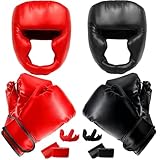
Hey there, fellow fight enthusiast! So, you’ve been putting in the work, throwing those punches, and pushing your limits. That’s awesome! But let’s be honest, all that sweat and grit takes a toll, not just on you but also on your gear. Specifically, your boxing gloves. They’re absorbing everything – sweat, bacteria, and the general funk of a hard workout. Ignoring this can lead to some unpleasant consequences, like funky smells, skin irritation, and even shortening the lifespan of your gloves.
That’s where this guide comes in. We’re going to break down everything you need to know about how to clean your boxing gloves, from the basic steps to more advanced techniques. We’ll cover everything from the materials you’ll need to the best cleaning practices, ensuring your gloves stay fresh, hygienic, and ready for your next session. Let’s get started!
Why Cleaning Your Boxing Gloves Matters
Before we jump into the ‘how,’ let’s talk about the ‘why.’ Cleaning your boxing gloves isn’t just about good hygiene; it’s about protecting your investment and your health. Think of your gloves as a breeding ground for bacteria and odors, especially if you’re hitting the heavy bag regularly. Here’s a deeper look at the key reasons to keep your gloves clean:
- Preventing Skin Infections: Bacteria and fungi thrive in the warm, moist environment inside your gloves. This can lead to skin infections like ringworm, staph infections, and other unpleasant conditions. Regular cleaning significantly reduces this risk.
- Controlling Odor: Nobody wants to be the person with the stinky gloves. Sweat and bacteria create a potent odor that can linger and become unbearable. Cleaning helps neutralize these smells, keeping your gym bag and your training partners happy.
- Extending Glove Lifespan: Salt from sweat can break down the materials of your gloves over time, causing them to crack and wear out prematurely. Proper cleaning and care can help preserve the integrity of your gloves, saving you money in the long run.
- Improving Performance: Clean gloves provide a better grip and feel, allowing you to focus on your technique and power. Dirty gloves can become slippery and uncomfortable, hindering your performance.
Essential Supplies You’ll Need
Before you get started, gather your supplies. Having everything ready will make the cleaning process much smoother. Here’s what you’ll need:
- Mild Soap: Choose a gentle soap, like baby shampoo or a mild dish soap. Avoid harsh chemicals or detergents, as they can damage the glove material.
- Warm Water: Not hot water. Warm water is effective for cleaning without damaging the gloves.
- Clean Cloths or Sponges: Use soft cloths or sponges to wipe down the gloves. Avoid abrasive materials that could scratch the surface.
- Spray Bottle (Optional): Useful for creating a diluted cleaning solution.
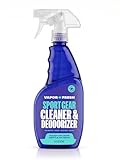
- Deodorizer (Optional): A commercial glove deodorizer or a mixture of water and a few drops of essential oil (like tea tree oil or eucalyptus oil) can help eliminate odors.
- Dry Towels: Absorbent towels for drying your gloves.
- Newspaper or Paper Towels: To help absorb moisture from the inside of the gloves.
- Ventilated Area: A well-ventilated space for drying your gloves.
Step-by-Step Cleaning Guide
Now, let’s get into the step-by-step process of cleaning your boxing gloves. Follow these instructions carefully for the best results:
- Prepare Your Gloves: Before you begin, remove any hand wraps. If your gloves have laces, loosen them.
- Mix Your Cleaning Solution: In a bowl or spray bottle, mix a small amount of mild soap with warm water. The concentration should be quite diluted.
- Wipe Down the Exterior: Dip a clean cloth or sponge into the cleaning solution, wringing out any excess water. Gently wipe down the entire exterior of your gloves, paying attention to areas that come into contact with your face, head, and bag. Avoid soaking the gloves.
- Clean the Interior: For the interior, you can use a slightly damp cloth or sponge. Be careful not to get the inside too wet. Gently wipe down the inside of the gloves, focusing on areas that come into contact with your hands.
- Rinse (If Necessary): If you feel you need to rinse the gloves, use a clean, damp cloth to remove any soap residue.
- Deodorize (Optional): If you’re using a glove deodorizer, spray it lightly inside the gloves. Alternatively, you can use a mixture of water and essential oil.
- Dry the Gloves: This is the most crucial step. Stuff the gloves with newspaper or paper towels to absorb moisture from the inside. Place the gloves in a well-ventilated area, away from direct sunlight or heat. Avoid using a hairdryer or placing them near a radiator, as this can damage the materials. Change the newspaper or paper towels every few hours until the gloves are completely dry. This can take several days.
- Final Check: Once the gloves are completely dry, check for any remaining moisture or odor. If necessary, repeat the cleaning and drying process.
Cleaning Frequency: How Often Should You Clean Your Gloves?
The frequency of cleaning depends on how often you train and how much you sweat. Here’s a general guideline: (See Also: Are Muay Thai Gloves The Same As Boxing Gloves )
- Regular Training (3-5 times a week): Clean your gloves at least once a week, or more often if you sweat heavily.
- Occasional Training (1-2 times a week): Clean your gloves every two weeks or as needed.
- Heavy Bag Work: If you primarily use your gloves for heavy bag work, clean them more frequently, as this can lead to increased sweat and wear.
Remember, it’s always better to clean your gloves more often than not. Regular maintenance will keep them in top condition and protect your health.
Advanced Cleaning Techniques and Tips
For more stubborn odors or tougher cleaning challenges, you can try these advanced techniques:
- Baking Soda: Baking soda is a natural deodorizer. After cleaning your gloves, sprinkle some baking soda inside and let it sit overnight. In the morning, shake out the baking soda.
- Vinegar Solution: For a deeper clean, mix equal parts white vinegar and water in a spray bottle. Lightly spray the inside of your gloves and let it sit for a few minutes before wiping them down with a clean cloth. Be cautious with this method, as vinegar can be harsh on some materials.
- Ozone Generators: Ozone generators can effectively eliminate odors and bacteria. However, use them with caution and follow the manufacturer’s instructions. Do not use ozone generators on gloves with metallic components.
- Professional Cleaning Services: If you’re not comfortable cleaning your gloves yourself, or if they’re particularly dirty, consider using a professional cleaning service.
Materials and Their Cleaning Considerations
Different glove materials require slightly different cleaning approaches. Here’s a breakdown:
Leather Gloves
Leather gloves are the most common type. They require extra care to prevent cracking and drying out. Here’s how to clean leather gloves:
- Cleaning: Follow the basic cleaning steps outlined above, using a mild soap and warm water. Avoid soaking the leather.
- Conditioning: After cleaning and drying, condition the leather to keep it supple. Use a leather conditioner specifically designed for sports equipment. Apply a small amount to a clean cloth and gently rub it onto the exterior of the gloves.
- Avoid Direct Sunlight: Never dry leather gloves in direct sunlight, as this can cause them to crack.
Synthetic Leather Gloves
Synthetic leather gloves are often easier to clean than genuine leather. However, they may be more prone to cracking if not cared for properly. Here’s how to clean synthetic leather gloves: (See Also: Can You Wrestle In Boxing Shoes )
- Cleaning: Follow the basic cleaning steps. Synthetic leather is generally more resistant to water and cleaning solutions.
- Drying: Ensure the gloves are thoroughly dried to prevent mildew.
- Avoid Harsh Chemicals: Avoid using harsh chemicals or abrasive cleaners, as they can damage the synthetic material.
Fabric Gloves
Fabric gloves, often used for bag work or sparring, can be more challenging to clean because they absorb more sweat. Here’s how to clean fabric gloves:
- Cleaning: Follow the basic cleaning steps, but be prepared for a more thorough cleaning. You may need to use a slightly stronger soap solution.
- Drying: Fabric gloves can take longer to dry. Ensure they are completely dry to prevent mold and mildew growth. Consider using a fan to speed up the drying process.
- Pre-Treatment: Before cleaning, consider pre-treating heavily soiled areas with a stain remover designed for fabrics.
Common Mistakes to Avoid
To ensure you’re cleaning your gloves effectively, avoid these common mistakes:
- Using Harsh Chemicals: Harsh chemicals can damage the glove materials and cause skin irritation.
- Soaking the Gloves: Soaking your gloves can damage the padding and stitching.
- Using Excessive Water: Too much water can cause the gloves to take a long time to dry and can promote mildew growth.
- Using Heat to Dry: Heat can damage the materials and cause the gloves to shrink or crack.
- Neglecting to Dry Thoroughly: Incomplete drying is a major cause of odor and mildew.
Glove Care and Maintenance Beyond Cleaning
Cleaning is essential, but it’s only one part of proper glove care. Here are some additional tips to keep your gloves in top condition:
- Use Hand Wraps: Hand wraps absorb sweat and provide an extra layer of protection for your hands and gloves. Always use hand wraps when training.
- Air Out Your Gloves After Each Use: After training, remove your hand wraps and air out your gloves. This helps prevent moisture buildup and odor.
- Store Gloves Properly: Store your gloves in a cool, dry place away from direct sunlight. Avoid storing them in a gym bag without allowing them to dry first. Consider using a glove deodorizer or dryer sheets in your bag to absorb moisture and odor.
- Rotate Your Gloves: If you train frequently, consider having two pairs of gloves so you can rotate them. This allows each pair to dry completely between uses, extending their lifespan.
- Inspect Your Gloves Regularly: Check your gloves for any signs of wear and tear, such as cracks, tears, or loose stitching. Address any issues promptly to prevent further damage.
Troubleshooting Common Problems
Even with the best care, you might encounter some common problems. Here’s how to address them:
- Persistent Odor: If your gloves have a persistent odor, try the baking soda or vinegar solution techniques. You may need to repeat the cleaning process multiple times. Consider using an ozone generator (with caution) as a last resort.
- Mildew or Mold: If you notice mildew or mold, immediately clean the gloves thoroughly, ensuring they dry completely. You may need to use a stronger cleaning solution or contact a professional cleaning service.
- Cracking or Damage: If your gloves are cracking or damaged, it may be time to replace them. Regular cleaning and conditioning can help prevent this, but all gloves have a lifespan.
- Slippery Gloves: If your gloves become slippery, clean them thoroughly. Ensure all soap residue is removed. You may also need to replace the gloves if the material has deteriorated.
The Importance of Hand Wraps
We’ve mentioned hand wraps a few times already, but their importance deserves its own section. Hand wraps are not just about protecting your hands; they are a crucial part of glove hygiene and longevity. Here’s why: (See Also: Is Everlast Good Boxing Gloves )
- Sweat Absorption: Hand wraps absorb the majority of the sweat produced during training, preventing it from soaking into your gloves.
- Protection from Abrasions: They create a barrier between your hands and the glove lining, reducing friction and wear on the gloves.
- Support and Stability: Hand wraps provide support to your wrists and knuckles, minimizing the risk of injury.
- Easier to Clean: Hand wraps are much easier and faster to clean than gloves. You can simply wash them after each use.
Always use hand wraps when training. They are a fundamental part of proper boxing etiquette and hygiene.
Choosing the Right Cleaning Products
The market is flooded with cleaning products, so choosing the right ones can be overwhelming. Here’s a guide to help you:
- Mild Soaps: Stick to mild soaps like baby shampoo or gentle dish soap. Avoid harsh chemicals, detergents, and antibacterial soaps.
- Glove Deodorizers: Look for glove deodorizers specifically designed for sports equipment. These products typically contain antibacterial agents to kill odor-causing bacteria.
- Leather Conditioners: If you have leather gloves, choose a leather conditioner specifically formulated for sports equipment. This will help keep the leather supple and prevent cracking.
- Avoid Abrasive Cleaners: Never use abrasive cleaners or scrub brushes, as these can damage the glove materials.
- Read Labels Carefully: Always read the labels of cleaning products and follow the manufacturer’s instructions.
Maintaining Your Gloves: The Long Game
Cleaning your gloves is an ongoing process, not a one-time event. Proper glove care is an investment in your health, performance, and the longevity of your equipment. Here’s a summary of the key maintenance steps:
- Clean Regularly: Clean your gloves at least once a week, or more often if needed.
- Use Hand Wraps: Always wear hand wraps when training.
- Air Out and Dry: Allow your gloves to air out and dry completely after each use.
- Store Properly: Store your gloves in a cool, dry place.
- Inspect Regularly: Check for any signs of wear and tear.
- Condition Leather Gloves: If you have leather gloves, condition them regularly.
Final Thoughts
Cleaning your boxing gloves may seem like a chore, but it’s a critical part of maintaining your gear and staying healthy. By following the steps outlined in this guide, you can keep your gloves fresh, hygienic, and ready for your next training session. Remember, regular cleaning and proper care will not only extend the life of your gloves but also protect you from potential skin infections and unpleasant odors. So, make cleaning your gloves a part of your routine, and you’ll be one step closer to achieving your boxing goals.
You’re now equipped with the knowledge to keep your gloves in top shape. Get out there, train hard, and remember to take care of your gear!