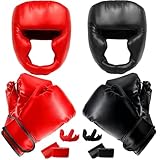
Choosing the right boxing gloves can feel overwhelming, especially when you’re just starting out. One of the most important considerations is the weight of the gloves. It’s not just about preference; the weight significantly impacts your training, sparring, and overall safety. This guide will walk you through everything you need to know about choosing the correct boxing glove weight, ensuring you get the most out of your training and stay safe in the process.
We’ll cover the factors that influence your choice, from your body weight and the type of training you do to the specific activities you’ll be engaging in, such as bag work, sparring, or competition. Understanding these elements is crucial for selecting gloves that provide adequate protection and allow you to perform at your best.
Get ready to become an informed boxer. We’ll discuss the various weights available, their purposes, and how to make the best decision for your needs. Let’s get started!
Understanding Boxing Glove Weight
Boxing glove weight is measured in ounces (oz). This refers to the weight of the glove itself, not the weight of your hand or the impact it delivers. The weight is primarily determined by the amount of padding used within the glove. Heavier gloves have more padding, offering more protection for both the wearer and the opponent. Lighter gloves have less padding, allowing for faster hand speed and more precise movements.
The weight of your gloves directly affects your training and sparring. Using the wrong weight can lead to injury, hinder your progress, and limit your potential. Let’s delve deeper into the specifics.
Why Does Glove Weight Matter?
The weight of your boxing gloves is a critical factor for several reasons:
- Protection: Heavier gloves provide greater protection for your hands and your sparring partner’s face.
- Training: Different glove weights are suited for different training purposes, such as speed work or power training.
- Competition: Competitive boxing follows strict weight regulations.
- Muscle Development: Changing glove weight can help build muscle endurance and strength.
Understanding these reasons will help you make an informed decision when selecting your gloves.
Factors Influencing Glove Weight Selection
Several factors should influence your decision when selecting boxing glove weight. These factors include your body weight, the type of training you do, and the activity you’ll be using the gloves for. Ignoring these factors can lead to an ineffective training experience and increase the risk of injury. Let’s explore these in more detail. (See Also: Are Muay Thai Gloves The Same As Boxing Gloves )
Body Weight
Your body weight is a primary factor in determining the appropriate glove weight. Generally, heavier individuals need heavier gloves. This is because heavier individuals generate more force when punching. The gloves need to provide sufficient padding to absorb the impact and protect both the boxer and their sparring partner.
Here’s a general guideline for choosing glove weight based on body weight:
| Body Weight | Recommended Glove Weight (for Training) |
|---|---|
| Under 120 lbs (54 kg) | 10 oz – 12 oz |
| 120 – 150 lbs (54 – 68 kg) | 14 oz |
| 150 – 180 lbs (68 – 82 kg) | 14 oz – 16 oz |
| Over 180 lbs (82 kg) | 16 oz – 18 oz |
Note: These are general guidelines, and individual preferences may vary. Always prioritize safety and consider the other factors discussed below.
Type of Training
The type of training you engage in also impacts your glove weight selection. Different training activities require different levels of protection and mobility. For example, bag work often requires heavier gloves than speed drills.
- Bag Work: For heavy bag work, you’ll want gloves that provide good hand protection. 14 oz to 16 oz gloves are commonly used for this, as they offer ample padding to absorb the impact of repeated punches.
- Sparring: Sparring necessitates greater protection for both you and your partner. 16 oz gloves are often the standard for sparring, providing sufficient padding to minimize the risk of injury. Some gyms might even require heavier gloves for sparring.
- Speed and Agility Drills: When focusing on speed and agility, lighter gloves can be beneficial. 10 oz to 12 oz gloves can allow for faster hand movements and improved technique.
- Pad Work: Similar to bag work, you’ll need gloves that protect your hands. The weight will depend on the intensity of the pad work, but 14 oz to 16 oz gloves are generally suitable.
Adjust your glove weight according to the intensity and type of training you are doing. Remember that safety is paramount.
Activity: Bag Work vs. Sparring vs. Competition
The specific activity you’re participating in directly influences the required glove weight. Different activities have different safety requirements and performance demands.
- Bag Work: As mentioned earlier, heavier gloves (14-16 oz) are recommended for bag work. This ensures your hands are well-protected against the repeated impact of the heavy bag.
- Sparring: Sparring is where the need for protection is most critical. 16 oz gloves are the standard for sparring. They offer the necessary padding to reduce the risk of injury to both you and your sparring partner. Some gyms may even require 18 oz gloves.
- Competition: Competitive boxing follows strict weight regulations set by boxing organizations. The glove weight is typically dictated by the weight class of the fighters. For example, in professional boxing, the glove weight is often 8 oz or 10 oz, depending on the weight class. Always check the regulations of the specific competition you are entering.
Always consider the rules and safety requirements of the activity you are engaged in when choosing your glove weight. (See Also: Can You Wrestle In Boxing Shoes )
Glove Weight Breakdown: What Each Weight Means
Boxing gloves come in various weights, each serving a specific purpose. Understanding the characteristics of each weight will help you make the right choice for your needs. Here’s a breakdown:
- 8 oz Gloves: Primarily used in professional boxing matches for lighter weight classes. These gloves allow for greater speed and power, but they offer less protection. Not suitable for training.
- 10 oz Gloves: Also used in professional matches for heavier weight classes and some amateur competitions. They offer slightly more protection than 8 oz gloves but are still not ideal for training.
- 12 oz Gloves: Suitable for lighter training, such as speed drills and pad work for lighter individuals. They provide a balance between speed and protection.
- 14 oz Gloves: The most common weight for general training, including bag work and some sparring. They offer a good balance of protection and versatility. Recommended for individuals between 120 and 180 lbs.
- 16 oz Gloves: Recommended for sparring, providing maximum protection for both the wearer and the sparring partner. Also suitable for heavy bag work and general training for heavier individuals (over 180 lbs).
- 18 oz Gloves: Primarily used for very heavy individuals or those seeking maximum protection during sparring. Not commonly used, but they provide the highest level of protection.
Remember that the best glove weight for you will depend on your body weight, training style, and the specific activities you’ll be participating in.
Material and Construction Considerations
Besides weight, the material and construction of your boxing gloves also affect their performance, durability, and comfort. These factors influence how well the gloves protect your hands and how long they will last.
- Material:
- Leather: Leather gloves are generally considered the premium choice. They are durable, offer excellent protection, and conform to the shape of your hand over time. However, they are typically more expensive. High-quality leather gloves can last for years with proper care.
- Synthetic Leather: Synthetic leather gloves (often made of polyurethane or PVC) are a more affordable option. They are generally less durable than leather but can still offer good performance, especially for beginners. The quality of synthetic leather varies, so it’s essential to read reviews and choose a reputable brand.
- Construction:
- Padding: The type and distribution of padding significantly affect the glove’s protective capabilities. Gloves with multi-layer padding offer superior protection.
- Closure: Gloves come with either lace-up or Velcro closures. Lace-up gloves offer a more secure fit but require assistance to put on and take off. Velcro gloves are more convenient for training.
- Wrist Support: Good wrist support is crucial for preventing injuries. Look for gloves with ample wrist padding and a secure closure system.
Consider these material and construction aspects alongside the glove weight to find the perfect pair for your needs.
Fitting Your Boxing Gloves
Properly fitting boxing gloves is just as important as choosing the right weight. Gloves that are too loose or too tight can hinder your performance and increase the risk of injury. Here’s how to ensure a proper fit:
- Measure Your Hand: Measure the circumference of your hand around the knuckles, excluding the thumb. This measurement can help you determine the correct glove size.
- Wear Hand Wraps: Always wear hand wraps when trying on gloves. Hand wraps add bulk to your hands and will ensure the gloves fit comfortably when you’re training.
- Check the Fit: The gloves should fit snugly but not restrict your movement. Your fingers should touch the end of the glove without being cramped. There should be enough room in the hand compartment to comfortably clench your fist.
- Test the Wrist Support: The wrist closure should provide adequate support without feeling overly tight.
If possible, try on the gloves in person before purchasing them. If you’re buying online, carefully consult the size chart provided by the manufacturer and read reviews from other customers.
Caring for Your Boxing Gloves
Properly caring for your boxing gloves will extend their lifespan and maintain their performance. Here are some tips: (See Also: Is Everlast Good Boxing Gloves )
- Air Them Out: After each use, allow your gloves to air dry completely. Remove them from your gym bag and store them in a well-ventilated area.
- Use Glove Deodorizers: Glove deodorizers or inserts can help absorb moisture and eliminate odors.
- Clean the Exterior: Wipe down the exterior of your gloves with a damp cloth after each use. For leather gloves, use a leather cleaner.
- Store Properly: Store your gloves in a cool, dry place. Avoid storing them in direct sunlight or extreme temperatures.
By following these care tips, you can keep your gloves in top condition for longer.
Where to Buy Boxing Gloves
Boxing gloves are available from a variety of sources. Choosing a reputable seller is important to ensure you get quality gloves that meet your needs. Here are some options:
- Specialty Boxing Stores: These stores offer a wide selection of gloves and knowledgeable staff who can help you choose the right pair.
- Sporting Goods Stores: Large sporting goods stores often carry a selection of boxing gloves.
- Online Retailers: Online retailers, such as Amazon, offer a vast selection of gloves at competitive prices. Be sure to read reviews and compare products before making a purchase.
- Direct from Manufacturers: Some boxing equipment manufacturers sell directly to consumers. This can be a good way to get high-quality gloves at a competitive price.
Compare prices, read reviews, and consider the return policies before making your purchase. Purchasing from a reputable seller ensures that you will get legitimate boxing gloves that will last.
Common Mistakes to Avoid
Avoid these common mistakes when choosing boxing gloves:
- Choosing the Wrong Weight: Selecting gloves that are too light or too heavy for your body weight and training needs.
- Ignoring Hand Wraps: Not wearing hand wraps when trying on or using gloves.
- Neglecting Fit: Purchasing gloves that don’t fit properly.
- Ignoring Quality: Choosing gloves based solely on price, without considering the materials and construction.
- Not Caring for Your Gloves: Failing to air out, clean, and store your gloves properly.
By avoiding these mistakes, you can ensure that you make the best possible choice and stay safe and effective during your training sessions.
Verdict
Choosing the right boxing glove weight is crucial for your safety, training effectiveness, and overall enjoyment of the sport. Consider your body weight, the type of training you’ll be doing, and the activity you’ll be participating in. Remember that heavier gloves offer more protection but may slow down your hand speed, while lighter gloves allow for greater speed but offer less protection. Always prioritize safety and choose gloves that fit comfortably and provide adequate wrist support. By following the guidelines in this article, you can make an informed decision and select the perfect boxing gloves to support your journey.
Ultimately, the best way to determine the ideal glove weight is to try on different pairs and see what feels most comfortable and effective for your training. Don’t hesitate to consult with a boxing coach or experienced boxer for personalized recommendations. With the right gloves, you’ll be well-equipped to achieve your boxing goals and enjoy the sport to its fullest.