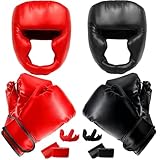
Choosing the right boxing gloves can feel a bit like navigating a maze. There’s so much to consider, from the type of boxing you’re doing to your own weight and experience. One of the most important factors is the glove size, which is measured in ounces (oz). Getting this right is crucial for both your performance and, more importantly, your safety.
This guide will break down everything you need to know about how to choose boxing glove size oz. We’ll cover the different types of gloves, how the oz rating affects your training and sparring, and provide you with a handy chart to help you find the perfect fit. So, whether you’re a seasoned boxer or just starting out, read on to make sure you’re getting the most out of your training and protecting your hands.
Understanding Boxing Glove Sizes: The Ounce Factor
Boxing gloves are sized by weight, measured in ounces (oz). This weight represents the amount of padding in the glove. The higher the ounce number, the more padding and the heavier the glove. This might seem counterintuitive – you might think a lighter glove is better for speed and power. However, the weight of the glove plays a critical role in both your training and your safety in the ring.
Why Ounces Matter
The ounce rating affects several key aspects of your boxing experience:
- Protection: More padding generally means better protection for your hands and your sparring partner’s face. Heavier gloves absorb more impact.
- Training: Heavier gloves can help build strength and endurance. They force you to punch with better form and technique.
- Sparring: For sparring, heavier gloves are typically required to reduce the risk of injury.
- Competition: Competition gloves are usually lighter, designed for speed and power, but they still offer adequate protection.
Different Types of Boxing Gloves
Before diving into size selection, it’s important to understand the different types of boxing gloves available. Each type is designed for a specific purpose:
- Training Gloves: These are the most versatile gloves. They’re designed for heavy bag work, pad work, and sparring. Training gloves typically range from 12oz to 16oz.
- Sparring Gloves: Specifically designed for sparring, these gloves prioritize protection. They often have more padding in the knuckle area and a softer outer material to minimize injury to your sparring partner. Sparring gloves are usually 14oz, 16oz, or even 18oz.
- Competition Gloves: These gloves are used in official boxing matches. They’re lighter than training or sparring gloves, typically ranging from 8oz to 10oz for professional fights, allowing for greater speed and power. They are usually made of high-quality leather.
- Bag Gloves: Designed for heavy bag work, bag gloves are generally lighter than training gloves (often 10oz-12oz) and have less padding. They’re built for speed and impact, but they’re not suitable for sparring.
- MMA Gloves: Mixed Martial Arts gloves are designed for both striking and grappling. They have open palms and less padding compared to boxing gloves, allowing for better grip and movement.
Choosing the Right Size: A Step-by-Step Guide
Choosing the right boxing glove size involves considering a few factors, including your weight, the type of training you’ll be doing, and your experience level. Here’s a detailed guide to help you: (See Also: Are Muay Thai Gloves The Same As Boxing Gloves )
Step 1: Determine Your Weight
Your weight is the primary factor in determining the appropriate glove size. Here’s a general guideline:
- Under 120 lbs (54 kg): 10oz or 12oz gloves
- 120-150 lbs (54-68 kg): 12oz or 14oz gloves
- 150-180 lbs (68-82 kg): 14oz or 16oz gloves
- Over 180 lbs (82 kg): 16oz or 18oz gloves
Important Note: These are general recommendations. Your specific needs may vary depending on the type of training and your personal preferences.
Step 2: Consider Your Training Type
The type of training you do will significantly impact the glove size you need:
- Heavy Bag Work: For heavy bag work, you can usually use the size recommended for your weight. However, some people prefer slightly lighter gloves (10oz-12oz) for speed and to focus on technique.
- Pad Work: Similar to heavy bag work, the size recommended for your weight is usually sufficient.
- Sparring: For sparring, 14oz, 16oz, or 18oz gloves are typically required. The heavier gloves provide more protection for both you and your sparring partner. Check with your gym or coach for their specific requirements.
- Competition: If you’re competing, you’ll need competition gloves, which are usually 8oz or 10oz. Check the regulations of your specific boxing organization.
Step 3: Consider Your Experience Level
Your experience level can also influence your choice:
- Beginners: Beginners often benefit from heavier gloves (14oz or 16oz) for added protection and to develop proper technique. The extra padding can help absorb impact and reduce the risk of injury.
- Intermediate/Advanced: As you become more experienced, you might experiment with different glove sizes. You might use lighter gloves for speed drills and heavier gloves for strength training and sparring.
Step 4: The Glove Size Chart
Here’s a handy chart summarizing the recommendations: (See Also: Can You Wrestle In Boxing Shoes )
| Weight | Training | Sparring | Competition |
|---|---|---|---|
| Under 120 lbs (54 kg) | 10oz – 12oz | 14oz | 8oz |
| 120-150 lbs (54-68 kg) | 12oz – 14oz | 14oz – 16oz | 10oz |
| 150-180 lbs (68-82 kg) | 14oz – 16oz | 16oz – 18oz | 10oz |
| Over 180 lbs (82 kg) | 16oz – 18oz | 16oz – 18oz | 10oz |
Important Note: This chart provides general guidelines. It’s always best to consult with your coach or trainer for personalized recommendations.
Step 5: Try Before You Buy (if Possible)
If possible, try on the gloves before you buy them. This allows you to assess the fit and comfort. Here’s what to look for:
- Snug Fit: The gloves should fit snugly around your hand, but not too tight. You should be able to make a fist without feeling restricted.
- Wrist Support: Ensure the gloves provide adequate wrist support. This is crucial for preventing injuries.
- Comfort: The gloves should feel comfortable, even after prolonged use.
- With Hand Wraps: Always try on gloves with hand wraps, as this will affect the fit. Hand wraps add bulk to your hands.
Step 6: Consider the Brand and Material
The brand and material of the gloves can also affect your choice:
- Brand Reputation: Research different boxing glove brands. Some brands are known for their quality, durability, and comfort.
- Material: Boxing gloves are typically made of leather or synthetic materials (like vinyl or polyurethane). Leather gloves are generally more durable and offer better performance, but they’re also more expensive. Synthetic gloves are a more affordable option.
- Padding: The type of padding can also vary. Some gloves use layered foam, while others use a single block of foam. The padding affects the glove’s feel and protection.
Can I Use the Same Gloves for Training and Sparring?
It depends. While some people use the same gloves for both, it’s generally recommended to have separate gloves for each activity. Sparring gloves need more padding for safety. Using heavier gloves (16oz or 18oz) for sparring is usually a good idea. Training gloves may be lighter and designed for different purposes, like speed and technique work.
What If I’m in Between Sizes?
If you’re between sizes, it’s generally better to go with the heavier size, especially for beginners. The extra padding provides more protection. However, if you are concerned about speed, you might choose the lighter option. (See Also: Is Everlast Good Boxing Gloves )
How Do I Care for My Boxing Gloves?
Proper care can extend the life of your gloves and help prevent odors. Here are some tips:
- Air them out: After each use, let your gloves air dry. Avoid leaving them in a gym bag.
- Use a glove deodorizer: Consider using a glove deodorizer or sprays to eliminate odors and moisture.
- Clean the exterior: Wipe down the exterior of your gloves with a damp cloth after each use.
- Store them properly: Store your gloves in a cool, dry place.
- Use hand wraps: Always use hand wraps. They absorb sweat and add extra protection.
Can I Use Lighter Gloves to Build Hand Speed?
Yes, lighter gloves (10oz or 12oz) can be used for speed and technique drills. They allow you to move your hands faster and focus on your form. However, always ensure you’re using gloves that provide sufficient protection for the type of training you’re doing.
Where Can I Buy Boxing Gloves?
Boxing gloves are available at sporting goods stores, online retailers (such as Amazon), and specialized boxing equipment stores. Research different brands and read reviews before making a purchase. Consider visiting a local store to try on different gloves before buying online.
Verdict
Choosing the right boxing glove size is essential for both your safety and your performance. By considering your weight, the type of training you’ll be doing, and your experience level, you can find the perfect fit. Always prioritize protection, and don’t hesitate to consult with your coach or trainer for personalized recommendations. Remember to try on gloves with hand wraps, and to care for your gloves properly to extend their lifespan.
By following these guidelines, you’ll be well-equipped to make an informed decision and enjoy your boxing journey. Happy training!