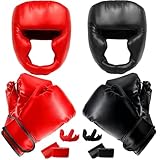
So, you’re looking to add some extra punch to your training or sparring sessions, huh? You’re in the right place! Adding weight to your boxing gloves is a common practice among fighters looking to boost their strength, power, and endurance. It’s a great way to simulate the feeling of hitting a heavier opponent or to simply make your workouts more challenging.
But before you start stuffing your gloves with anything and everything, it’s crucial to understand the right methods and the potential risks involved. Improperly weighted gloves can lead to injuries, and nobody wants that. This guide will walk you through safe and effective techniques, helping you level up your boxing game without putting yourself at risk. We’ll explore various methods, from simple modifications to more advanced approaches, ensuring you’re well-equipped to make informed decisions.
Get ready to learn everything you need to know about safely and effectively adding weight to your boxing gloves. Let’s get started!
Why Add Weight to Boxing Gloves?
Adding weight to your boxing gloves isn’t just about making your punches feel heavier. It’s about a comprehensive approach to improve your boxing performance. There are several key benefits to doing so, which is why it’s a popular training method.
Increased Punching Power
One of the primary reasons to add weight is to increase your punching power. When you train with heavier gloves, your muscles are forced to work harder to generate the same speed and force. This leads to increased muscle strength and power over time. When you remove the added weight, your punches will feel lighter and faster, making your strikes more impactful.
Enhanced Muscle Endurance
Training with heavier gloves builds muscle endurance. The added resistance challenges your muscles, forcing them to endure longer periods of exertion. This is particularly beneficial for boxing, where you need sustained power and stamina throughout a fight. Over time, this helps you maintain your form and power even in later rounds.
Improved Punching Speed
It might seem counterintuitive, but adding weight can also improve your punching speed. When you transition back to your regular gloves, your arms will feel lighter, allowing for quicker punches. This is because your muscles have become accustomed to working against greater resistance. This is similar to how a baseball player uses a weighted bat.
Better Muscle Memory and Technique
Training with weighted gloves can help refine your punching technique. The added weight forces you to focus on maintaining proper form to avoid wasted energy and injury. This reinforces muscle memory, making your punches more efficient and accurate. This is because you are more aware of your movement when the weight is increased.
Simulating Fight Conditions
In a real fight, you’re essentially punching a heavier target. Training with weighted gloves helps you simulate this condition. It allows you to prepare for the impact and resistance you’ll encounter during a match, making you more accustomed to absorbing and delivering blows.
Methods for Adding Weight to Boxing Gloves
There are several ways to add weight to your boxing gloves, each with its own advantages and considerations. Here’s a breakdown of the most common and effective methods:
1. Weighted Glove Inserts
What they are: These are specially designed inserts that fit inside your boxing gloves. They’re typically made of materials like dense foam or gel, often with pockets for adding weights like metal pellets or sand. They come in various weights and sizes to accommodate different glove sizes and training goals.
Pros:
- Ease of Use: Very simple to insert and remove, making it easy to adjust the weight.
- Safety: Designed specifically for this purpose, reducing the risk of uneven weight distribution or injury.
- Convenience: Can be easily swapped between different gloves or training sessions.
Cons:
- Cost: Can be more expensive than DIY alternatives.
- Bulk: May slightly increase the bulkiness of your gloves, which could affect your feel.
- Availability: Might not be available in all local sports stores.
How to use them: Simply insert the weighted inserts into your gloves before your workout. Ensure they fit snugly and don’t interfere with your hand positioning or the closure of the glove. You can adjust the weight by adding or removing pellets or sand from the insert pockets.
2. Weighted Glove Wraps
What they are: These are special wraps that you wear under your boxing gloves, incorporating added weight. They combine the functionality of traditional hand wraps with the benefit of added resistance. They’re usually made of a durable fabric with pockets or layers of weight.
Pros:
- Added Protection: Provides the same hand protection as regular wraps, while adding weight.
- Adjustability: Some wraps allow you to adjust the weight by adding or removing inserts.
- Comfort: Designed to fit snugly and comfortably under your gloves.
Cons:
- Extra Layer: Can make your hands feel bulkier inside the gloves.
- Heat: May make your hands warmer, especially during intense workouts.
- Price: Generally more expensive than regular wraps.
How to use them: Wrap your hands as you normally would, but use the weighted wraps instead of regular ones. Follow the manufacturer’s instructions for the correct wrapping technique to ensure a secure and comfortable fit.
3. Diy Methods: Sand or Metal Pellets
What they are: This involves adding weight directly to your gloves using materials like sand, metal pellets, or even rice. This is typically done by creating small pouches or using resealable bags, which you then insert into the gloves. This is a more cost-effective option, but requires more care to ensure safety.
Pros:
- Cost-Effective: Much cheaper than buying specialized weighted inserts or wraps.
- Customization: Allows you to tailor the weight to your exact needs.
- Accessibility: Most materials are readily available.
Cons: (See Also: Are Muay Thai Gloves The Same As Boxing Gloves )
- Risk of Uneven Distribution: If not done carefully, the weight can shift, causing discomfort or injury.
- Potential for Damage: Improperly secured weights can damage your gloves.
- Time-Consuming: Requires more preparation and attention to detail.
How to do it:
- Gather Materials: You’ll need sand, metal pellets, small resealable bags (like Ziploc bags), and tape (duct tape is a good choice).
- Prepare the Weights: Fill the bags with your chosen weight material (sand or pellets). Seal them securely, ensuring no leakage.
- Insert into Gloves: Place the bags inside your gloves, distributing the weight evenly. You can place them in the knuckle area, the palm, or the wrist area.
- Secure the Weights: Use tape to secure the bags in place, preventing them from shifting during your workout. Make sure the tape does not interfere with the closure of the glove or your hand movements.
Important Note: This method requires careful execution. Always check the distribution of the weight before you begin your workout, and make sure the bags are securely taped to prevent any movement.
4. Using Heavier Gloves
What they are: Simply using heavier boxing gloves, designed with more padding and weight. This is a straightforward method, but it’s important to choose the right weight for your training needs.
Pros:
- Ease of Use: No modifications needed, just wear the gloves.
- Simplicity: Simple and effective.
- Durability: Designed for heavy use.
Cons:
- Limited Adjustment: You’re limited to the glove weights available.
- Bulk: Can be bulkier than your regular gloves.
- Cost: Requires purchasing a separate pair of heavier gloves.
How to do it: Simply choose heavier gloves in a weight that suits your training goals. For example, you might use 16-ounce gloves for heavy bag work and sparring, and then switch to lighter gloves for speed drills.
Safety Considerations
Adding weight to your boxing gloves can be a very effective training tool, but it’s essential to prioritize safety to avoid injuries. Here are some critical safety considerations to keep in mind:
Start Slowly
Gradual Progression: Don’t jump into heavy weights right away. Begin with a modest increase and gradually increase the weight over time. This allows your muscles, tendons, and joints to adapt without overstressing them. This minimizes the risk of injury and allows you to gauge how your body responds to the added weight.
Warm-Up Properly
Prepare Your Body: Always warm up thoroughly before training with weighted gloves. This includes light cardio, dynamic stretching, and shadow boxing to prepare your muscles and joints for the increased load. A proper warm-up increases blood flow to the muscles, improving flexibility and reducing the risk of strains and sprains.
Proper Technique Is Key
Maintain Form: Focus on maintaining correct punching technique. The added weight can make it easier to compromise your form. If you notice your technique breaking down, reduce the weight or take a break. Prioritize quality over quantity to prevent injury.
Listen to Your Body
Pay Attention to Signals: Be mindful of any pain or discomfort. If you feel any sharp pains, stop immediately. It’s better to err on the side of caution than to push through an injury. Rest and recovery are essential for progress and injury prevention.
Choose the Right Weight
Consider Your Goals: The appropriate weight depends on your training goals, experience level, and the type of workout. For building power and endurance, slightly heavier weights are beneficial. For speed and agility drills, lighter weights or no added weight may be more suitable.
Regular Glove Inspection
Check for Wear and Tear: Regularly inspect your gloves for any signs of damage, such as tears or loose stitching. Damaged gloves can be less effective in protecting your hands and can even increase the risk of injury. Replace your gloves if they show significant wear and tear.
Use Appropriate Training Surfaces
Impact Absorption: When working with heavier gloves, train on surfaces that absorb impact, such as heavy bags, focus mitts, or boxing pads. Avoid training on hard surfaces like concrete, as this can place extra stress on your wrists and hands.
Choosing the Right Weight
Determining the right amount of weight to add to your boxing gloves is crucial for safety and effectiveness. The ideal weight depends on several factors, including your experience level, training goals, and the type of workout you’re doing.
Beginner Considerations
Start Light: If you’re new to adding weight to your gloves, start with a minimal amount. For beginners, adding 1-2 ounces per glove is a good starting point. This allows your body to adjust to the increased load without overwhelming your muscles and joints. Focus on proper technique and form at this stage.
Intermediate Considerations
Gradual Increase: As you gain experience, you can gradually increase the weight. Intermediate boxers can typically add 2-4 ounces per glove, depending on their training goals. Pay close attention to how your body responds and adjust the weight accordingly. If you’re experiencing any pain or discomfort, reduce the weight.
Advanced Considerations
Higher Weights: Advanced boxers may use heavier weights, such as 4-8 ounces per glove, or even more, particularly for strength and power training. However, it’s essential to prioritize proper technique and listen to your body. Make sure you are using high-quality gloves and proper hand wraps to protect your hands.
Training Goals and Weight Selection
Power and Strength: For enhancing punching power and strength, you can add slightly heavier weights. This challenges your muscles and builds explosive power. However, be cautious and avoid excessive weights that compromise your technique.
Endurance: If your goal is to improve stamina and endurance, use a moderate weight. This will help your muscles to become accustomed to prolonged exertion, enabling you to maintain power and speed throughout longer rounds. (See Also: Can You Wrestle In Boxing Shoes )
Speed and Agility: If you are working on speed and agility drills, you might use lighter weights or no added weight. The goal is to maximize speed and agility, so you want your hands to move as quickly as possible. Removing the extra weight will make your punches feel faster.
Sparring and Competition: When preparing for sparring or competition, it’s crucial to train with the same weight as your actual gloves. This helps you get used to the feel and weight of your gloves and improves your performance.
Training Drills and Exercises
Once you’ve added weight to your gloves, incorporating specific training drills and exercises can maximize the benefits. Here are some effective drills:
Shadow Boxing
Technique Refinement: Shadow boxing with weighted gloves is a great way to improve your technique and form. Focus on maintaining proper posture, footwork, and punch execution. The added weight will help you identify and correct any flaws in your technique.
Endurance Building: Perform shadow boxing rounds with weighted gloves to improve your muscular endurance and stamina. Vary the intensity and duration of the rounds to challenge yourself.
Heavy Bag Work
Power Development: Heavy bag work with weighted gloves is excellent for building punching power and strength. Focus on throwing powerful punches while maintaining proper form. Vary your punches, including jabs, hooks, uppercuts, and cross-punches.
Combination Drills: Practice various punch combinations on the heavy bag. This helps improve your coordination, timing, and punch accuracy while building endurance.
Focus Mitts
Accuracy and Speed: Work with a partner to practice focus mitt drills. This helps improve your punch accuracy, speed, and reaction time. The added weight will also challenge your hand-eye coordination.
Combination Drills: Have your partner call out punch combinations, and practice executing them quickly and accurately. This helps improve your timing and coordination.
Speed Bag Training
Hand Speed and Rhythm: Practice on the speed bag to develop hand speed, rhythm, and coordination. The added weight will make it more challenging to maintain speed, but it will improve your hand speed when you remove the weight.
Accuracy and Timing: Focus on hitting the speed bag accurately and with good timing. This will improve your hand-eye coordination and punch accuracy.
Strength and Conditioning Exercises
Bodyweight Exercises: Incorporate bodyweight exercises like push-ups, burpees, and planks to build overall strength and endurance. The added weight in your gloves will add an extra challenge.
Weight Training: Supplement your boxing training with weight training exercises to build muscle strength and power. Focus on exercises that target the muscles used in boxing, such as bench presses, rows, and shoulder presses.
Maintenance and Care
Proper care and maintenance of your weighted boxing gloves are essential to ensure their longevity and your safety. Here’s how to keep your gloves in top condition:
Cleaning Your Gloves
Wipe Down After Use: After each workout, wipe down the exterior of your gloves with a clean, damp cloth to remove sweat and dirt. This prevents the buildup of bacteria and odors.
Air Dry Thoroughly: Allow your gloves to air dry completely after each use. Avoid placing them in direct sunlight or near heat sources, as this can damage the material. Consider using a glove deodorizer spray to reduce odors.
Odor Control
Use Deodorizers: To combat odors, use glove deodorizers or baking soda. Place deodorizer packets inside your gloves when you’re not using them. Baking soda can also be sprinkled inside the gloves to absorb moisture and odors.
Air Out Regularly: Air out your gloves regularly by placing them in a well-ventilated area. This helps to prevent the growth of bacteria and reduce odors.
Storage
Proper Storage: Store your gloves in a cool, dry place away from direct sunlight and heat. Avoid storing them in a gym bag or enclosed space where moisture can accumulate. Use a glove stand or hang them to maintain their shape.
Inspection and Repair
Regular Inspection: Regularly inspect your gloves for any signs of wear and tear, such as tears, loose stitching, or damage to the padding. Address any issues promptly to prevent further damage. (See Also: Is Everlast Good Boxing Gloves )
Professional Repair: If your gloves require repair, consider taking them to a professional glove repair service. This ensures that the repairs are done correctly and that your gloves remain safe and functional.
Common Mistakes to Avoid
Avoiding common mistakes will help you get the most out of your training and minimize the risk of injury. Here are some pitfalls to watch out for:
Adding Too Much Weight Too Quickly
Gradual Progression: Don’t rush the process. Gradually increase the weight to allow your body to adapt. Starting with too much weight can lead to injuries.
Neglecting Warm-Up
Prepare Your Body: Always warm up properly before training with weighted gloves. This includes light cardio, dynamic stretching, and shadow boxing.
Poor Technique
Focus on Form: Prioritize maintaining proper punching technique. If your technique starts to break down, reduce the weight or take a break.
Ignoring Pain
Listen to Your Body: Pay attention to any pain or discomfort. Stop immediately if you feel any sharp pains. It’s better to rest and recover than to push through an injury.
Using Improper Weight Distribution
Even Distribution: Ensure the weight is evenly distributed within the gloves to avoid imbalances and potential injuries.
Alternatives to Adding Weight
If adding weight to your gloves isn’t your preference, there are alternative training methods to improve your boxing performance:
Resistance Bands
Increase Resistance: Use resistance bands to increase resistance during shadow boxing or other exercises. This helps build strength and endurance.
Versatility: Resistance bands are versatile and can be used for a variety of exercises.
Heavy Bag Work
Develop Power: Regular heavy bag work is excellent for developing punching power, speed, and endurance. Vary your punches and combinations to challenge yourself.
Improve Technique: Focus on maintaining proper form and technique during heavy bag work.
Focus Mitts
Enhance Accuracy: Work with a partner on focus mitts to improve your punch accuracy, speed, and reaction time.
Combination Drills: Practice various punch combinations on the focus mitts to improve your timing and coordination.
Sprinting and Plyometrics
Boost Explosiveness: Sprinting and plyometric exercises can improve your explosiveness and agility. These exercises enhance your speed, power, and coordination, which are essential for boxing.
Improve Footwork: Incorporate footwork drills to improve your agility and footwork in the ring.
Verdict
Adding weight to your boxing gloves can be a powerful tool for enhancing your training regimen, but it’s crucial to approach it with a focus on safety and smart training practices. By understanding the benefits, utilizing safe methods, and following the guidelines outlined in this guide, you can effectively incorporate weighted gloves into your routine to improve your punching power, endurance, and overall boxing performance. Remember to prioritize proper technique, listen to your body, and gradually increase the weight to maximize your results while minimizing the risk of injury. With dedication and the right approach, you’ll be well on your way to punching harder and performing better in the ring.
Adding weight to your boxing gloves is a fantastic method for boosting your strength and performance. Remember to start slowly and prioritize proper technique. Choose the right weight and training methods to fit your goals. Always listen to your body and take rest days. By doing so, you’ll see improvements in your boxing skills.
Before you start, assess your current fitness level and set realistic goals. Ensure you have the right equipment and a safe training environment. Regular evaluation of your progress is important. Consistent effort and patience are key to seeing positive results. You will see improvements in power, endurance, and overall boxing performance.