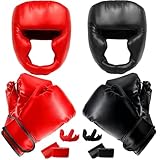
Choosing the right boxing gloves can feel overwhelming. There’s so much to consider, from the weight and material to the brand and style. But one of the most crucial aspects, often overlooked, is the fit. How tight should your boxing gloves actually be? It’s a question that directly impacts your performance, your safety, and your overall enjoyment of the sport.
A glove that’s too loose can lead to wrist injuries and poor punch mechanics. Conversely, a glove that’s too tight can restrict blood flow, cause discomfort, and hinder your ability to make a proper fist. Finding the sweet spot – the perfect balance between snugness and freedom – is key.
In this comprehensive guide, we’ll break down everything you need to know about getting the right fit for your boxing gloves. We’ll explore the different factors that influence fit, provide tips on how to measure your hands, and offer advice on how to test the gloves before you buy them. Let’s get started!
Understanding Boxing Glove Fit: Why It Matters
The fit of your boxing gloves isn’t just about comfort; it’s fundamental to your safety and effectiveness in the ring or during training. A glove that fits improperly can lead to a host of problems. Let’s explore some of the key reasons why getting the fit right is so important.
Injury Prevention
Protecting your hands is the primary goal of any boxing glove. A glove that’s too loose allows your hand to move around inside, increasing the risk of sprains, strains, and fractures. When punching, your knuckles need to be properly aligned with the padding and the wrist needs to be securely supported. A poorly fitting glove compromises this alignment, making you vulnerable to injury. Conversely, a glove that’s too tight can restrict blood flow and put undue pressure on your knuckles and wrist, also increasing the risk of injury over time.
Punching Technique and Power
Proper fit directly impacts your ability to form a solid fist. If your glove is too big, you may struggle to clench your hand tightly, leading to a weaker punch. The glove’s design should facilitate a natural fist formation, allowing you to generate maximum power and accuracy. A well-fitting glove enables you to punch with confidence, knowing that your hand is properly protected and that you can deliver your strikes effectively. The right fit helps you to focus on technique rather than worrying about the glove slipping or moving around.
Comfort and Performance
Boxing is a physically demanding sport. You’ll be spending a lot of time with your hands inside your gloves. If the gloves are uncomfortable, it can be a significant distraction. A glove that’s too tight can cause pain, numbness, and even blisters. A glove that’s too loose can shift and rub, causing chafing. Comfort is essential for maintaining focus and maximizing your performance. A properly fitted glove allows you to concentrate on your training or fight without being constantly aware of discomfort.
Glove Longevity
Believe it or not, the fit of your gloves can influence their lifespan. A glove that’s too loose can experience accelerated wear and tear, as your hand moves around inside, causing friction and damage to the padding and lining. A glove that’s too tight can stretch the materials and cause them to degrade more quickly. Proper fit helps to distribute the impact of punches evenly, reducing stress on the glove’s construction and extending its usable life. This is especially true for the more expensive, high-quality gloves.
Key Factors Influencing Boxing Glove Fit
Several factors contribute to the overall fit of a boxing glove. Understanding these elements will help you make a more informed decision when choosing your gloves.
Hand Size and Shape
Your hand size is the most obvious factor. Hand size is usually measured by the circumference of the knuckles. Different people have different hand shapes; some have wider palms, while others have longer fingers. Some gloves are designed to accommodate a variety of hand shapes, while others are better suited for specific hand profiles. When you try gloves on, pay attention to how your hand feels inside. Does it feel cramped? Is there a lot of extra space? The glove should feel snug, but not constricting.
Hand Wraps
Hand wraps are a critical component of boxing safety. They provide extra support to your wrists, knuckles, and fingers, absorbing impact and preventing injuries. The thickness of your hand wraps will significantly affect the fit of your gloves. Always wear hand wraps when trying on gloves to ensure an accurate fit. Consider the type of wraps you typically use. If you prefer thick, gel-padded wraps, you’ll need a glove that accommodates the extra bulk. If you prefer thinner wraps, you might be able to get away with a slightly smaller glove. (See Also: Are Muay Thai Gloves The Same As Boxing Gloves )
Glove Type and Padding
Different types of boxing gloves are designed for different purposes, and their fit can vary accordingly. Training gloves typically have more padding and a more generous fit to provide greater protection during sparring and bag work. Competition gloves are often more streamlined and compact, with less padding to allow for a better feel for the punch. The type of padding used in the glove also affects the fit. Some gloves use dense foam padding, while others use softer, more pliable padding. Gloves with thicker padding will naturally feel tighter. Consider the activities you plan to use the gloves for when choosing the right fit.
Lace-Up vs. Velcro Closure
The closure system of the glove can impact the fit. Lace-up gloves typically offer a more customized fit, as you can adjust the tightness of the laces to suit your hand shape and preference. They also tend to provide more wrist support. However, they require assistance to put on and take off. Velcro gloves are more convenient, allowing you to quickly secure the glove yourself. The fit of a velcro glove is less adjustable but should still feel secure and comfortable.
How to Measure Your Hands for Boxing Gloves
Accurately measuring your hands is the first step towards finding the right fit. Here’s how to do it:
Materials You’ll Need
- A flexible measuring tape: A cloth or vinyl measuring tape is ideal. Avoid using a rigid ruler.
- A pen or pencil: To record your measurements.
- A piece of paper: To write down your measurements.
Measuring Your Hand
- Measure the circumference of your knuckles: Make a fist, and measure around the knuckles of your dominant hand. Ensure the measuring tape goes around the widest part of your knuckles. Keep the tape snug but not too tight.
- Measure the length of your hand: Lay your hand flat on a piece of paper. Measure from the tip of your longest finger to the base of your palm, where your wrist begins.
- Measure your palm width: Measure across your palm at its widest point.
- Measure your wrist circumference: Wrap the measuring tape around your wrist, just below the wrist bone.
Recording Your Measurements
Write down all your measurements in inches or centimeters. These measurements will serve as a starting point when selecting your glove size.
Using a Sizing Chart
Most boxing glove manufacturers provide sizing charts. These charts typically correlate hand measurements with glove sizes. Compare your measurements to the manufacturer’s chart to determine the recommended glove size. Keep in mind that sizing charts can vary between brands, so always consult the specific chart for the gloves you’re considering. Remember that these charts are a guide, and the best way to determine the correct fit is to try the gloves on.
Testing Boxing Gloves: Ensuring the Right Fit
Once you have a general idea of your glove size, it’s time to try them on. Here’s what to look for when testing a pair of boxing gloves.
Putting on the Gloves with Hand Wraps
Always wear hand wraps when trying on boxing gloves. This is crucial for obtaining an accurate fit. Wrap your hands as you normally would, ensuring that your knuckles, wrists, and fingers are adequately protected. Put on the gloves, making sure to fully insert your hand into the glove. The glove should feel snug but not overly tight. If the gloves feel too tight without wraps, they will definitely be too tight with wraps.
Checking the Fist Formation
Make a fist and pay attention to how your hand feels inside the glove. Can you clench your fist comfortably? Does the padding allow your knuckles to align properly? There should be enough room in the glove for your fist to form naturally. If the glove feels like it’s squeezing your hand, or if you struggle to make a fist, the glove is likely too small. If your hand moves around excessively inside the glove, it’s probably too big. Test the fist formation by throwing a few practice punches at an imaginary target, paying attention to the feel of the glove.
Wrist Support and Closure
Assess the wrist support offered by the glove. The wrist area should fit snugly and provide adequate support. If the wrist feels loose or if the closure system doesn’t secure your wrist firmly, the glove may not offer sufficient protection. Velcro gloves should fasten securely, while lace-up gloves should be tied tightly. Check the closure system to ensure it’s easy to adjust and provides a secure fit. The wrist support is critical for preventing sprains and strains.
Padding and Comfort
Examine the padding in the glove. It should provide ample protection for your knuckles and hand. The padding should feel firm but not overly rigid. Ensure that the padding covers your knuckles and the back of your hand adequately. Pay attention to the overall comfort of the glove. Is the lining soft and smooth? Does the glove feel balanced and well-constructed? If the glove feels uncomfortable, it’s unlikely that you’ll enjoy using it for extended periods. Try the gloves on for a few minutes to get a sense of how they feel. (See Also: Can You Wrestle In Boxing Shoes )
Testing Different Sizes
If you’re unsure about the size, try on a few different pairs. Try on one size up and one size down from the size recommended by the sizing chart. This will help you determine the best fit for your hand shape and preference. Make sure to repeat the fist formation test, wrist support check, and padding assessment for each size. Spend a few minutes with each pair to determine which feels the most comfortable and offers the best protection. The best glove is the one that fits the most securely and comfortably, allowing you to focus on your training or fight.
Glove Size vs. Weight: What You Need to Know
Boxing gloves are typically measured by weight, in ounces (oz). The weight of the glove refers to the amount of padding used. The size of the glove is related to the weight, but they are not the same thing. Here’s a breakdown of glove weights and their typical uses.
Common Glove Weights
- 8 oz Gloves: Usually used in professional fights, for lighter training, and for smaller hands.
- 10 oz Gloves: Primarily used in professional fights, and sometimes for advanced training.
- 12 oz Gloves: Commonly used for bag work, pad work, and sparring, especially for lighter weight classes.
- 14 oz Gloves: Frequently used for sparring, offering more padding and protection.
- 16 oz Gloves: The most common weight for sparring, providing maximum protection for both the wearer and their sparring partner. These are often required in many gyms.
Choosing the Right Weight
The appropriate glove weight depends on several factors, including your weight, the type of training you’re doing, and the rules of your gym or competition. Heavier gloves provide more protection but can also make your hands feel slower and more tired. Lighter gloves offer more speed and feel, but they offer less protection. Consider the following guidelines:
- For Bag Work: Choose gloves that provide sufficient padding to protect your knuckles and wrists. 12 oz, 14 oz, or even 16 oz gloves are common choices, depending on your weight and training intensity.
- For Sparring: Always use gloves that provide adequate protection for both you and your sparring partner. 14 oz or 16 oz gloves are generally recommended, especially for heavier fighters. Many gyms require 16 oz gloves for sparring.
- For Competition: The weight of the gloves will be determined by the rules of the competition. Professional fights often use 8 oz or 10 oz gloves.
Glove Weight and Fit
As glove weight increases, the overall size of the glove typically increases as well. A 16 oz glove will generally be larger than a 12 oz glove. Keep this in mind when determining the right size for your hand. You may need to adjust your glove size based on the weight you choose. For example, if you typically wear a size large glove, you might need an extra-large glove in a heavier weight.
Glove Materials and Their Impact on Fit
The material of your boxing gloves can also influence the fit and feel. Here’s a look at some common materials and their characteristics.
Leather Gloves
Leather is a premium material known for its durability and comfort. Leather gloves tend to conform to your hand over time, providing a custom fit. They often offer a better feel for the punch and tend to last longer than synthetic gloves. High-quality leather gloves can be an investment, but they often provide superior performance and longevity. Leather gloves can also require more maintenance, such as regular cleaning and conditioning, to keep them in good condition.
Synthetic Leather Gloves
Synthetic leather gloves offer a more affordable alternative to leather. They are often made from materials like polyurethane (PU) or polyvinyl chloride (PVC). Synthetic gloves are generally more resistant to wear and tear than genuine leather. They are also easier to clean and require less maintenance. However, they may not offer the same level of comfort or durability as leather gloves. Synthetic gloves may also not conform to your hand as well as leather gloves, and the fit may not be as custom.
Other Materials
Some gloves incorporate other materials, such as mesh panels for breathability or specialized padding materials for enhanced impact absorption. These materials can impact the overall fit and feel of the glove. Mesh panels can help to improve ventilation, reducing sweat and moisture buildup. Specialized padding materials can provide additional protection or enhance the glove’s performance. Consider the specific materials used in the gloves when making your selection.
Tips for Maintaining Your Boxing Gloves
Proper care and maintenance can extend the life of your boxing gloves and help them maintain their fit and performance. Here are some tips:
- Air Out Your Gloves After Each Use: After training or sparring, remove your hand wraps and allow your gloves to air dry. This prevents the buildup of moisture, which can damage the padding and promote the growth of bacteria.
- Use Glove Deodorizers: Use glove deodorizers or sprays to eliminate odors and prevent bacterial growth.
- Clean Your Gloves Regularly: Wipe down the exterior of your gloves with a damp cloth after each use. For leather gloves, use a leather cleaner and conditioner.
- Store Your Gloves Properly: Store your gloves in a cool, dry place away from direct sunlight. Consider using a glove bag to protect them.
- Replace Your Gloves When Necessary: Even with proper care, your gloves will eventually wear out. Replace your gloves when the padding becomes compressed or damaged, or when the stitching begins to fray.
Troubleshooting Common Fit Issues
Even after carefully measuring and testing your gloves, you may encounter some fit issues. Here are some common problems and how to address them: (See Also: Is Everlast Good Boxing Gloves )
Gloves Feel Too Tight
If your gloves feel too tight, especially after wearing them for a short period, you may need a larger size. Try removing one of your hand wraps to see if that helps. If the tightness is still a problem, consider exchanging the gloves for a larger size. Remember that the gloves may feel slightly tighter when new, but they should not cause significant discomfort. If the gloves are new, consider breaking them in with some light bag work before making a final decision.
Gloves Feel Too Loose
If your gloves feel too loose, try tightening the closure system as much as possible. If the gloves still feel loose, you may need a smaller size. Make sure you are wearing your hand wraps when assessing the fit. A loose glove can be dangerous and compromise your punch. If the gloves are new and the fit is far off, consider exchanging them for a smaller size. Adding extra padding under your wraps is not a recommended solution, as it can make your hand feel unnatural inside the glove.
Wrist Support Issues
If your wrist feels unsupported, ensure that the closure system is properly secured. If the problem persists, you may need gloves with a more supportive wrist design. Some gloves have extended wrist cuffs or additional padding in the wrist area. If you have a history of wrist injuries, consider using wrist wraps or braces for extra support. If the problem is persistent, consider consulting a sports medicine professional.
Padding Problems
If the padding feels uneven or inadequate, the gloves may be defective. In this case, contact the manufacturer or retailer for assistance. If the padding is too thin, the gloves may not offer sufficient protection. If the padding is too thick, the gloves may restrict your hand movement. The padding should provide a balance between protection and flexibility. Make sure the padding covers your knuckles and the back of your hand adequately.
Where to Buy Boxing Gloves
You can purchase boxing gloves from a variety of sources. Consider these options:
- Specialty Boxing Stores: These stores offer a wide selection of gloves and knowledgeable staff who can help you find the right fit.
- Sporting Goods Stores: Large sporting goods stores often carry a selection of boxing gloves.
- Online Retailers: Online retailers offer a vast selection of gloves, often at competitive prices. Make sure to read reviews and check the return policy before purchasing.
- Direct from Manufacturers: Some manufacturers sell their gloves directly to consumers.
When purchasing boxing gloves, consider the return policy. It’s always a good idea to try on the gloves before you buy them if possible. If you are buying online, make sure the retailer offers a reasonable return policy in case the gloves don’t fit.
Final Thoughts
Finding the right fit for your boxing gloves is a crucial step in ensuring your safety, maximizing your performance, and enjoying the sport. Take the time to measure your hands, try on different pairs of gloves, and consider the factors that influence fit. With the right gloves, you’ll be able to train and compete with confidence, knowing that your hands are well-protected and that you can deliver your punches effectively.
Choosing the correct fit for your boxing gloves is paramount for both safety and performance. We’ve covered the key aspects, from hand measurement to testing and material considerations. Remember to always prioritize a snug but comfortable fit that allows for proper fist formation and wrist support. Don’t underestimate the importance of hand wraps and proper glove maintenance.
By following these guidelines and taking the time to find the right gloves, you can significantly enhance your boxing experience, reduce the risk of injury, and maximize your potential in the ring. A well-fitting glove is an investment in your training and your overall enjoyment of the sport. Make sure to try on different sizes and weights to find what works best for you.