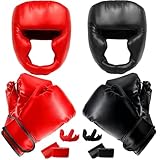
Hey there, fellow fight enthusiast! If you’re anything like me, you’re passionate about boxing and always striving to improve. Whether you’re a seasoned pro, a dedicated amateur, or just starting out, you know that the right gear is crucial for both performance and safety. And when it comes to boxing, your gloves are your most important tools.
But how often do you really need to replace your boxing gloves? It’s a question that often gets overlooked, but the answer is critical for protecting your hands, preventing injuries, and ensuring you get the most out of your training. Ignoring this can lead to some serious problems down the line. We’re going to break down everything you need to know about the lifespan of your boxing gloves, the factors that affect it, and how to make sure you’re always ready to step into the ring (or the gym) with confidence.
Get ready to learn how to keep your hands protected and your boxing game strong!
Understanding the Lifespan of Boxing Gloves
Boxing gloves, like any piece of athletic equipment, have a finite lifespan. They’re subjected to immense forces with every punch, and over time, the materials break down, the padding compresses, and the overall structure weakens. This degradation not only affects your performance but, more importantly, increases your risk of injury.
The lifespan of boxing gloves isn’t a one-size-fits-all answer. It depends on several factors, including the type of gloves, the frequency and intensity of your training, and how well you take care of them. However, we can establish some general guidelines to help you determine when it’s time for a replacement.
Factors Influencing Glove Lifespan
Let’s delve into the key elements that determine how long your boxing gloves will last:
- Type of Glove: Different types of gloves are designed for different purposes and have varying lifespans.
- Frequency of Use: How often you train directly impacts how quickly your gloves wear out.
- Intensity of Training: Harder training sessions put more stress on the gloves.
- Quality of Materials: Higher-quality gloves, made with premium materials, generally last longer.
- Maintenance and Care: Proper care, including cleaning and storage, can significantly extend the life of your gloves.
Types of Boxing Gloves and Their Lifespans
The type of boxing gloves you use plays a significant role in their longevity. Here’s a breakdown of the most common types and their typical lifespans:
- Training Gloves: These are your everyday workhorses, used for sparring, bag work, and pad work. Expect them to last anywhere from 6 months to 2 years, depending on usage and care.
- Sparring Gloves: Sparring gloves are specifically designed to protect both you and your sparring partner. They typically have more padding. Their lifespan is similar to training gloves, but frequent sparring can accelerate wear and tear.
- Competition Gloves: These gloves are used during official bouts. They’re often made with premium materials and might last for a year or more, but their use is typically limited to a few fights.
- Bag Gloves: These gloves are specifically designed for heavy bag work. They usually have less padding than sparring or training gloves, which can lead to faster wear and tear. Expect a lifespan of 3-12 months, depending on usage.
- MMA Gloves: MMA gloves have a shorter lifespan than boxing gloves due to the greater variety of impacts. They usually last between 3-12 months.
Signs It’s Time for a Replacement
Knowing when to replace your gloves is crucial for safety. Here are some key indicators that your gloves are nearing the end of their life: (See Also: Are Muay Thai Gloves The Same As Boxing Gloves )
- Loss of Padding: This is the most critical sign. If the padding feels compressed, thin, or uneven, it’s time for a new pair.
- Cracks or Tears: Any visible cracks or tears in the leather or stitching compromise the glove’s integrity.
- Loose Stitching: Loose stitching can lead to the padding shifting, reducing protection.
- Smell: An unpleasant odor, even after cleaning, can indicate a build-up of bacteria and degradation of the materials.
- Reduced Wrist Support: If the wrist support feels compromised, the gloves are no longer providing adequate protection.
- Changes in Fit: If the gloves feel different than when you first got them, especially if they feel too loose or too tight, it may be time to replace them.
How to Maximize Glove Lifespan
You can significantly extend the life of your boxing gloves with proper care and maintenance. Here’s what you need to do:
Proper Cleaning Techniques
Regular cleaning is essential to remove sweat, dirt, and bacteria that can break down the materials and cause odors. Here’s how to clean your gloves:
- Wipe Down After Each Use: After every training session, wipe down the exterior of your gloves with a clean, damp cloth.
- Air Dry Thoroughly: Always air dry your gloves after use. Never put them in a dryer or expose them to direct sunlight, as this can damage the materials.
- Use a Glove Deodorizer: A glove deodorizer can help absorb moisture and eliminate odors.
- Clean the Interior: Use a glove freshener spray or a solution of mild soap and water to clean the interior. Let them dry completely.
Storage Tips
Proper storage is just as important as cleaning. Here’s how to store your gloves:
- Store in a Cool, Dry Place: Avoid extreme temperatures and humidity.
- Use a Glove Dryer: A glove dryer can help remove moisture and prevent bacteria growth.
- Use Glove Deodorizers: Place deodorizers inside your gloves when storing them to absorb moisture and eliminate odors.
- Avoid Compressing the Gloves: Don’t store your gloves under heavy objects.
Choosing the Right Gloves
Selecting the right gloves from the start can also impact their lifespan. Consider these factors:
- Material: Leather gloves generally last longer than synthetic ones, but synthetic gloves can be a good option for beginners.
- Padding: Choose gloves with adequate padding for your training needs.
- Fit: Ensure a snug but comfortable fit.
- Brand Reputation: Research different brands to find gloves known for their durability and quality.
Training Habits and Glove Longevity
The way you train can also affect how long your gloves last.
The Impact of Bag Work
Heavy bag work puts significant stress on your gloves. To extend their lifespan:
- Rotate Your Gloves: If you train frequently, consider having two pairs of gloves and rotating them.
- Use Hand Wraps: Hand wraps provide an extra layer of protection for your hands and gloves.
- Vary Your Training: Mix up your training with pad work and sparring to reduce the strain on your gloves.
The Role of Sparring
Sparring is another activity that puts your gloves to the test. Here’s how to protect your gloves during sparring: (See Also: Can You Wrestle In Boxing Shoes )
- Use Sparring Gloves: Always use sparring gloves during sparring sessions.
- Control Your Power: Be mindful of your power and avoid unnecessary heavy shots.
- Check Your Gloves Regularly: Inspect your gloves for any signs of wear and tear after each sparring session.
Hand Wraps: An Essential Component
Hand wraps are not just for protection; they also help extend the life of your gloves. They absorb sweat and provide an extra layer of cushioning, reducing the impact on your gloves. Make sure you wrap your hands correctly before every training session.
Budgeting for Glove Replacement
Replacing your boxing gloves is an inevitable expense. Here’s how to budget for it:
Estimating Costs
The cost of boxing gloves can vary widely, from around $30 for entry-level gloves to $300 or more for high-end professional gloves. Consider these factors when estimating the cost:
- Quality: Higher-quality gloves generally cost more.
- Material: Leather gloves tend to be more expensive than synthetic ones.
- Brand: Some brands are known for their premium quality and price.
- Intended Use: Competition gloves are often more expensive than training gloves.
Saving Money
Here are some tips for saving money on boxing gloves:
- Buy During Sales: Look for sales and discounts, especially around holidays.
- Consider Buying Used Gloves: If you’re on a tight budget, you can consider purchasing used gloves. Just make sure they’re in good condition.
- Take Care of Your Gloves: Proper care can significantly extend the life of your gloves, saving you money in the long run.
Advanced Tips for Glove Care and Longevity
Once you’ve mastered the basics, here are some advanced tips to further extend the life of your gloves:
Leather Care
If your gloves are made of leather, consider these additional care tips:
- Use Leather Conditioner: Apply leather conditioner periodically to keep the leather supple and prevent cracking.
- Avoid Harsh Chemicals: Don’t use harsh chemicals or detergents on your leather gloves.
- Protect from Moisture: If your gloves get wet, let them air dry completely before storing them.
Odor Control
Persistent odors can be a sign of bacteria growth, which can break down the materials in your gloves. Here’s how to combat odors: (See Also: Is Everlast Good Boxing Gloves )
- Use Baking Soda: Place a small amount of baking soda inside your gloves to absorb odors.
- Use Activated Charcoal: Activated charcoal is another effective odor absorber.
- Consider Ozone Generators: Ozone generators can help eliminate odors and kill bacteria, but use them with caution and follow the manufacturer’s instructions.
Glove Repair
Minor damage can sometimes be repaired to extend the life of your gloves. However, it’s important to assess the extent of the damage:
- Small Tears: Small tears can often be repaired with needle and thread or a leather repair kit.
- Loose Stitching: Loose stitching can be repaired by a professional or by someone with sewing skills.
- Significant Damage: If the damage is extensive, it’s usually best to replace the gloves.
When to Seek Professional Advice
Sometimes, you might need professional help to keep your gloves in top condition.
Professional Repair Services
If your gloves have significant damage, consider taking them to a professional repair service. They can often repair tears, replace stitching, and restore the padding.
Consulting a Coach or Trainer
Your coach or trainer can offer valuable advice on glove care and replacement. They can assess the condition of your gloves and recommend when it’s time for a new pair.
Medical Advice
If you experience any hand or wrist pain, consult a medical professional. They can diagnose any injuries and recommend appropriate treatment.
The Importance of Safety and Performance
Remember, the goal is always to stay safe and perform at your best. Worn-out gloves compromise your protection and can hinder your performance. By following these guidelines, you can ensure that you’re always training and competing with the right gear.
Final Thoughts
So, how often should you replace your boxing gloves? The answer isn’t set in stone, but by understanding the factors that influence their lifespan and following the care and maintenance tips we’ve discussed, you can make an informed decision.
Regularly inspect your gloves for wear and tear, and don’t hesitate to replace them when necessary. Your hands are your most valuable tools in the ring. Protecting them is paramount. By taking care of your gloves, you’re investing in your health, safety, and the longevity of your boxing journey.
Ultimately, the key is to be proactive. Stay vigilant, keep your gloves clean and dry, and don’t be afraid to invest in a new pair when the time comes. This small investment will pay off in the long run, ensuring you can continue to train hard and pursue your passion for boxing with confidence and safety.