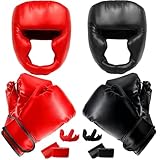
So, you’re stepping into the world of boxing, or maybe you’re just curious. Great choice! Boxing is a fantastic way to get in shape, build confidence, and learn a valuable skill. But before you even think about throwing a punch, there’s one piece of equipment that’s absolutely essential: boxing gloves. But just *how* necessary are boxing gloves? That’s what we’re here to explore.
We’ll delve into the reasons why they’re not just a good idea, but a fundamental requirement for anyone serious about the sport. From protecting your hands to ensuring a safe training environment, boxing gloves play a crucial role. We’ll examine the different types, how to choose the right pair, and how to care for them. Get ready to learn everything you need to know about these vital pieces of equipment!
The Crucial Role of Boxing Gloves: Why They Matter
Boxing gloves are more than just padded hand coverings; they’re integral to the safety and longevity of your boxing journey. They serve several critical functions, each contributing to a safer and more effective training experience. Let’s break down the key reasons why boxing gloves are a non-negotiable part of the sport.
Protecting Your Hands: The Primary Function
This is the most obvious, but arguably the most important, function of boxing gloves: to protect your hands. The human hand is a complex structure, composed of 27 bones, along with numerous ligaments, tendons, and muscles. These delicate components are susceptible to injury, especially when repeatedly striking a hard surface like a heavy bag or, even worse, another person’s head.
Without gloves, the impact of a punch is concentrated on a small area, increasing the risk of fractures, sprains, and other serious injuries. Boxing gloves distribute the force of the impact over a larger surface area, cushioning the blow and reducing the stress on your hands. This is particularly important for the metacarpals, the long bones in your hand that are most vulnerable to fractures.
Protecting your hands is about ensuring you can continue to train and improve. Injuries can sideline you for weeks or even months, hindering your progress and potentially leading to long-term complications. Proper hand protection allows you to train consistently, building strength, skill, and endurance.
Protecting Your Opponent: Safety First
Boxing is a combat sport, and as such, there’s an inherent risk of injury. However, responsible boxing prioritizes safety. Boxing gloves play a crucial role in mitigating the potential for serious harm to your training partners or opponents.
Without gloves, a bare-knuckle punch can inflict significant damage. The knuckles can cut and bruise the skin, and the concentrated force can lead to more severe injuries, such as broken bones or concussions. Boxing gloves provide a layer of padding that reduces the impact of the punch, minimizing the risk of cuts, abrasions, and other injuries. (See Also: Are Muay Thai Gloves The Same As Boxing Gloves )
Gloves also help to distribute the force of the impact, reducing the likelihood of concussions. While concussions are still a risk in boxing, gloves significantly decrease the severity and frequency of these injuries. This is why boxing gloves are an absolute requirement in any supervised boxing activity.
The Benefits of Proper Training
Boxing gloves aren’t just about safety; they also enhance the quality of your training. They allow you to practice punches with greater power and speed, knowing that your hands are protected. This, in turn, helps you develop proper technique and build muscle memory.
Gloves also provide a more realistic training experience. They simulate the feel of hitting a real opponent, allowing you to practice your punches with greater accuracy and focus. This is especially important when sparring, as gloves help to create a safer environment where you can practice your skills without fear of serious injury. Without the gloves, the consequences are much higher and sparring sessions would not be possible.
Using gloves helps you to focus on your technique, speed, and power. You can concentrate on the movement of your body, the placement of your feet, and the timing of your punches without worrying about hurting yourself or your training partner. This leads to faster skill development and a more enjoyable training experience.
Different Types of Boxing Gloves: A Breakdown
The world of boxing gloves can seem overwhelming at first, but understanding the different types and their intended uses can help you make an informed decision. Here’s a look at the most common types of boxing gloves you’ll encounter:
- Training Gloves: These are the most versatile type of glove, suitable for a variety of training activities. They typically range in weight from 12oz to 16oz and are designed for heavy bag work, pad work, and sparring. Training gloves offer a good balance of protection and versatility.
- Sparring Gloves: Sparring gloves are specifically designed for sparring. They typically weigh 16oz or more and have extra padding to protect both you and your sparring partner. Sparring gloves prioritize safety and are essential for any serious boxer.
- Competition Gloves: Competition gloves are used during official boxing matches. They are typically lighter than training or sparring gloves, with less padding, to allow for greater speed and power. Competition gloves are designed to meet specific regulations set by boxing organizations.
- Bag Gloves: These gloves are designed for heavy bag work and focus mitts. They are typically lighter than training gloves and have less padding. Bag gloves are ideal for developing punching power and speed, but they are not suitable for sparring.
- Punch Mitts: Punch mitts are not gloves, but rather a target held by a coach or training partner. They are designed to absorb the impact of punches and allow the boxer to work on their technique, speed, and accuracy.
Understanding the different types of gloves is essential for choosing the right equipment for your training needs.
Choosing the Right Boxing Gloves: A Practical Guide
Choosing the right boxing gloves can be a daunting task, but with a little knowledge, you can find a pair that fits your needs and budget. Here’s a step-by-step guide to help you make the right choice: (See Also: Can You Wrestle In Boxing Shoes )
- Consider Your Training Activities: What will you be using the gloves for? If you’re primarily doing heavy bag work, bag gloves or training gloves might be sufficient. If you plan to spar, you’ll need a pair of sparring gloves.
- Determine the Weight: The weight of the gloves is a critical factor. Heavier gloves provide more protection but can slow you down. Lighter gloves offer more speed and agility but less protection. The most common weights are 12oz, 14oz, and 16oz. Generally, heavier gloves (14oz-16oz) are recommended for sparring to provide maximum protection. For heavy bag work, you can use 12oz-14oz gloves.
- Material Matters: Boxing gloves are typically made from leather or synthetic materials. Leather gloves are generally more durable and offer better performance, but they are also more expensive. Synthetic gloves are a more affordable option, but they may not last as long.
- Check the Fit: The gloves should fit snugly but not too tight. You should be able to make a fist comfortably inside the glove. When trying on gloves, wear hand wraps to simulate the actual fit during training.
- Consider the Closure System: Gloves typically have either a lace-up or a Velcro closure system. Lace-up gloves offer a more secure fit but require assistance to put on and take off. Velcro gloves are easier to use and more convenient for solo training.
- Read Reviews: Before making a purchase, read reviews from other boxers to get an idea of the glove’s performance, durability, and comfort.
By following these steps, you can confidently choose the right boxing gloves for your needs.
Hand Wraps: The Unsung Heroes
While boxing gloves provide the primary protection for your hands, hand wraps are equally important. Hand wraps are long strips of cloth that you wrap around your hands and wrists before putting on your gloves. They serve several crucial functions:
- Support: Hand wraps provide support to your wrists and knuckles, helping to stabilize your hand and reduce the risk of injury.
- Protection: They add an extra layer of padding, cushioning your hands and absorbing some of the impact.
- Absorption: Hand wraps absorb sweat, keeping your gloves cleaner and extending their lifespan.
Always wear hand wraps under your boxing gloves. They are an essential part of your hand protection and can make a significant difference in preventing injuries.
Caring for Your Boxing Gloves: Extending Their Life
Proper care and maintenance can significantly extend the lifespan of your boxing gloves and ensure they continue to provide adequate protection. Here are some tips for caring for your gloves:
- Air Them Out: After each training session, remove your gloves from your bag and allow them to air out. This helps to prevent the growth of bacteria and mold.
- Wipe Them Down: Use a damp cloth to wipe down the inside and outside of your gloves after each use. This removes sweat and grime, helping to keep them clean.
- Use a Glove Deodorizer: Glove deodorizers can help to absorb moisture and eliminate odors.
- Store Them Properly: Store your gloves in a cool, dry place away from direct sunlight.
- Avoid Extreme Temperatures: Do not leave your gloves in a hot car or near a heat source, as this can damage the materials.
- Rotate Gloves: If you train frequently, consider owning multiple pairs of gloves and rotating them. This allows each pair to dry out completely and extends their lifespan.
By following these simple steps, you can keep your boxing gloves in top condition and ensure they provide maximum protection for years to come.
Common Boxing Glove Materials: A Comparison
Boxing gloves are made from various materials, each with its own set of advantages and disadvantages. Here’s a comparison of the most common materials:
| Material | Pros | Cons |
|---|---|---|
| Leather | Durable, high-quality, comfortable, breathes well, lasts longer, offers better impact absorption. | More expensive, requires more maintenance. |
| Synthetic Leather (PU/PVC) | More affordable, easy to clean, can be durable. | Less durable than leather, may not breathe as well, can crack or tear with heavy use. |
| Microfiber | Highly durable, often more affordable than leather, good water resistance. | Can be less breathable than leather, might not offer the same feel. |
The choice of material depends on your budget, training frequency, and personal preference. Leather gloves are generally considered the superior option for serious boxers, offering the best performance and durability. (See Also: Is Everlast Good Boxing Gloves )
Beyond the Basics: Advanced Considerations
Once you’ve mastered the basics of choosing and caring for your boxing gloves, you can consider some advanced factors that can further enhance your training experience:
- Glove Construction: Different glove manufacturers use different construction techniques. Some gloves have more padding in the knuckles, while others have a more ergonomic design. Researching the construction of different gloves can help you find a pair that best suits your needs.
- Lining Materials: The lining of the glove can affect comfort and breathability. Some gloves have moisture-wicking linings that help to keep your hands dry.
- Weight Distribution: The weight distribution of the glove can impact your punching power and speed. Some gloves are designed to distribute the weight more evenly, while others are designed for specific types of punches.
- Brand Reputation: Some brands are known for producing high-quality boxing gloves. Researching different brands and reading reviews can help you make an informed decision.
By considering these advanced factors, you can optimize your glove selection and take your boxing training to the next level.
The Consequences of Not Using Boxing Gloves
While the benefits of boxing gloves are clear, it’s equally important to understand the potential consequences of not using them. Training or sparring without gloves can lead to a range of injuries, including:
- Hand Fractures: The impact of a bare-knuckle punch can easily break the small bones in your hand.
- Sprains and Strains: The ligaments and tendons in your hand and wrist are vulnerable to injury without proper support.
- Cuts and Abrasions: The skin on your knuckles can be easily cut and abraded, leading to infection.
- Concussions: Repeated blows to the head without gloves can increase the risk of concussions and other brain injuries.
- Long-Term Damage: Without proper protection, repeated impact can lead to long-term joint damage and arthritis.
These are serious injuries that can keep you out of the gym for extended periods and may even affect your ability to train or live a normal life. Boxing without gloves is not only dangerous but also irresponsible. Always prioritize your safety and the safety of others by wearing appropriate protective gear, including boxing gloves.
Boxing Gloves and the Law
The use of boxing gloves is not just a matter of personal safety; it’s also a legal requirement in most jurisdictions for any organized boxing activity. Regulatory bodies and athletic commissions mandate the use of gloves to protect the health and safety of boxers. Failure to comply with these regulations can result in penalties, including suspension or revocation of a boxing license. Furthermore, engaging in bare-knuckle boxing in most places is illegal and can lead to criminal charges.
Always adhere to the rules and regulations of the governing bodies to ensure a safe and legal boxing experience.
Final Verdict
So, are boxing gloves necessary? Absolutely. They are an indispensable part of the sport, offering crucial protection for your hands and your opponents. From preventing fractures to reducing the risk of concussions, gloves are essential for a safe and effective training environment. Choosing the right gloves, understanding their different types, and taking care of them are all vital steps in your boxing journey. With the proper gear and knowledge, you can enjoy the benefits of this challenging and rewarding sport while minimizing the risks. Investing in a good pair of boxing gloves is an investment in your safety, your training, and your long-term boxing success.