Shadow boxing is the unsung hero of boxing training. It’s where the magic happens, where technique is honed, and where your boxing ‘soul’ is forged. But have you ever wondered about adding weight to your shadow boxing routine? It’s a question many boxers, from beginners to seasoned pros, grapple with. The benefits are clear: increased strength, power, and endurance. But, just like any training method, there’s a right way and a wrong way to do it.
This article delves deep into the world of weighted shadow boxing. We’ll explore the ‘hows,’ the ‘whys,’ and the ‘whens’ of incorporating weights into your routine. We’ll examine the different types of weights you can use, the potential risks involved, and, most importantly, how to tailor your weighted shadow boxing to your individual needs and goals. Whether you’re aiming to improve your knockout power or simply refine your technique, this is your comprehensive guide.
The Fundamentals of Shadow Boxing
Before we jump into adding weight, let’s revisit the core principles of shadow boxing. At its heart, shadow boxing is a solo practice designed to simulate a real fight. It’s a chance to practice your punches, footwork, head movement, and defensive skills without the presence of an opponent. It allows you to focus on your form, speed, and overall technique.
Key Benefits of Shadow Boxing:
- Improved Technique: Allows you to refine your punches, footwork, and defensive maneuvers.
- Enhanced Stamina: Builds cardiovascular endurance and muscular endurance.
- Increased Speed: Helps to improve hand speed and overall agility.
- Mental Toughness: Develops focus, discipline, and the ability to maintain concentration under simulated pressure.
- Warm-up and Cool-down: Excellent for preparing your body for a workout or cooling down after a training session.
Shadow boxing is more than just throwing punches in the air. It’s about visualizing your opponent, anticipating their moves, and reacting with precision. It’s about controlling your breathing, maintaining a solid stance, and moving with fluidity and grace. It’s a personal journey of self-improvement, a dance between your body and your mind.
Why Add Weight to Shadow Boxing?
So, why would you consider adding weight to this already beneficial practice? The primary reason is to amplify the benefits. Adding weight introduces an element of resistance, which forces your muscles to work harder, leading to a cascade of positive effects.
Here’s a breakdown of the key advantages:
- Increased Strength: The added resistance challenges your muscles, promoting strength gains. This is particularly beneficial for your punching power and overall stability.
- Enhanced Power: By working against resistance, you train your muscles to generate more force. This translates directly to harder, more impactful punches.
- Improved Endurance: Weighted shadow boxing significantly increases muscular endurance. Your muscles become better at withstanding fatigue, allowing you to maintain power and speed for longer durations.
- Greater Muscle Activation: The resistance forces your muscles to recruit more muscle fibers, leading to greater muscle activation and development.
- Better Form Under Fatigue: Practicing with weight helps you maintain proper form even when your muscles are tired. This is crucial for avoiding bad habits and injuries.
- Increased Stability: The added weight challenges your core and stabilizing muscles, improving your balance and overall stability.
Think of it like this: regular shadow boxing is like running on a flat surface. Weighted shadow boxing is like running uphill. Both are beneficial, but one provides a more demanding and ultimately more rewarding workout.
Types of Weights for Shadow Boxing
There are several ways to introduce weight into your shadow boxing routine. The best choice depends on your experience, goals, and personal preference. Let’s explore the most common options:
Weighted Gloves
Description: These gloves are specifically designed with added weight, typically ranging from a few ounces to a couple of pounds per glove. They look and feel similar to regular boxing gloves but are heavier.
Pros:
- Convenience: Easy to put on and take off.
- Targeted Muscle Activation: Directly targets the muscles involved in punching.
- Improved Punching Power: Can significantly increase punching power over time.
Cons: (See Also: How To Be Good At Shadow Boxing )
- Potential for Form Breakdown: Can lead to incorrect form if the weight is too heavy.
- Risk of Injury: Increased risk of shoulder or elbow injuries if used improperly.
- Limited Versatility: Primarily focuses on punching; less effective for footwork and head movement drills.
Considerations: Start with lighter weights and gradually increase as you get stronger. Focus on maintaining proper form at all times. Avoid using weighted gloves for extended periods, as this can increase the risk of injury. Choose gloves that fit well and offer adequate padding.
Wrist Weights
Description: These are straps that wrap around your wrists, adding weight to your arms. They typically range from a few ounces to a couple of pounds per wrist.
Pros:
- Versatility: Can be used for shadow boxing, speed bag work, and other exercises.
- Increased Arm Speed: Can help to improve hand speed over time.
- Relatively Inexpensive: Often more affordable than weighted gloves.
Cons:
- Potential for Form Breakdown: Can lead to improper form if the weight is too heavy.
- Risk of Injury: Increased risk of shoulder or elbow injuries if used incorrectly.
- Can Restrict Movement: Can feel awkward and restrict natural movement, particularly for footwork.
Considerations: Start with light weights and gradually increase. Focus on maintaining proper form. Be mindful of your range of motion and avoid overextending your arms. Consider using wrist weights in combination with other training methods.
Ankle Weights
Description: These straps wrap around your ankles, adding weight to your legs. They typically range from a few ounces to a couple of pounds per ankle.
Pros:
- Improved Footwork: Can enhance agility and foot speed.
- Increased Leg Strength: Strengthens the muscles in your legs and core.
- Increased Endurance: Builds endurance in your legs, which is crucial for maintaining stamina during a fight.
Cons:
- Potential for Form Breakdown: Can alter your natural gait and lead to incorrect footwork technique.
- Risk of Injury: Increased risk of ankle or knee injuries if used improperly.
- Can Strain Joints: Can put extra stress on your joints, particularly if the weight is too heavy.
Considerations: Start with very light weights and gradually increase. Focus on maintaining proper footwork technique. Be cautious when changing directions or pivoting. Avoid using ankle weights for extended periods, especially if you have a history of ankle or knee problems. Ensure your shoes fit well and provide adequate support.
Weighted Vests
Description: These vests are designed to distribute weight evenly across your torso. They typically range from a few pounds to several dozen pounds.
Pros: (See Also: Are Any Boxing Gyms Open )
- Full-Body Workout: Provides a comprehensive workout, engaging multiple muscle groups.
- Increased Endurance: Significantly improves cardiovascular and muscular endurance.
- Enhanced Core Strength: Strengthens your core muscles, improving stability and balance.
- Safer Option: Distributes weight more evenly than other options.
Cons:
- Can Be Expensive: High-quality weighted vests can be costly.
- Can Restrict Movement: Can feel restrictive, especially with heavier weights.
- Requires Careful Selection: Must choose the correct weight and fit to avoid injury.
Considerations: Choose a vest that fits comfortably and allows for a full range of motion. Start with a lighter weight and gradually increase as you get stronger. Focus on maintaining proper form throughout your shadow boxing routine. Consider the type of material and adjustability of the vest.
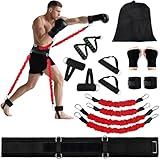
Resistance Bands
Description: While not strictly “weight,” resistance bands offer a form of resistance that can be incorporated into shadow boxing. They come in various strengths and can be used to target specific muscle groups.
Pros:
- Versatile: Can be used for a variety of exercises, including shadow boxing.
- Portable: Easy to transport and use anywhere.
- Affordable: Relatively inexpensive compared to other weight options.
- Targets Specific Muscles: Allows you to isolate and strengthen specific muscle groups.
Cons:
- Can Be Difficult to Control: Requires good technique to avoid injury.
- May Not Provide Enough Resistance: May not be challenging enough for advanced boxers.
- Can Wear Out: Bands can break or lose their elasticity over time.
Considerations: Choose bands of varying resistance levels to progressively overload your muscles. Focus on controlled movements and proper form. Ensure the bands are securely anchored before use. Be mindful of band degradation and replace them when necessary.
How to Incorporate Weight Into Your Shadow Boxing Routine
Now that you’re familiar with the different types of weights, let’s explore how to safely and effectively incorporate them into your shadow boxing routine. Remember, the goal is to enhance your training, not to injure yourself.
Warm-Up
Always begin with a thorough warm-up. This should include dynamic stretching exercises to prepare your muscles for the workout. Examples include arm circles, shoulder rotations, leg swings, and torso twists. This is especially crucial when using weights, as your muscles will be under increased stress.
Start Light
Beginners, in particular, should start with the lightest possible weight. It’s far better to err on the side of caution. Your primary focus should be on maintaining perfect form. As you get stronger, you can gradually increase the weight. This is called progressive overload, and it is key to making gains.
Focus on Form
This is the most critical aspect of weighted shadow boxing. If your form breaks down, you’re not only negating the benefits of the exercise but also increasing your risk of injury. Pay close attention to your stance, punches, footwork, and head movement. If you notice your form starting to falter, immediately reduce the weight or stop the exercise.
Duration and Frequency
Keep your weighted shadow boxing sessions relatively short, especially when you’re starting. Aim for 2-3 rounds of 2-3 minutes each, with a short rest period between rounds. Gradually increase the duration and frequency as your body adapts. Avoid overtraining, as this can lead to fatigue and injury. Listen to your body and take rest days when needed. (See Also: Don Charles Boxing Gym Mill Hill )
Variety
Mix up your routine. Don’t just stick to the same punches and combinations. Incorporate different footwork drills, defensive maneuvers, and angles of attack. This will keep your workouts challenging and engaging, and it will also help to prevent boredom. Experiment with different weight options to target various muscle groups.
Cool-Down
Always finish your workout with a proper cool-down. This should include static stretching exercises to improve flexibility and reduce muscle soreness. Hold each stretch for 20-30 seconds, focusing on deep breathing and relaxation.
Important Considerations and Safety Tips
Before you embark on your weighted shadow boxing journey, keep these important considerations in mind:
- Consult a Professional: If you’re new to boxing or have any underlying health conditions, consult with a boxing coach or medical professional before starting. They can assess your fitness level and provide personalized guidance.
- Choose the Right Weight: Select weights that are appropriate for your fitness level and goals. Start with lighter weights and gradually increase as you get stronger. The weight should challenge you without compromising your form.
- Proper Form is Paramount: Always prioritize proper form over weight. If your form breaks down, reduce the weight or stop the exercise.
- Listen to Your Body: Pay attention to any pain or discomfort. If you experience pain, stop the exercise immediately. Don’t push through pain, as this can lead to injury.
- Gradual Progression: Gradually increase the weight, duration, and frequency of your workouts. Don’t try to do too much too soon.
- Warm-up and Cool-down: Always warm up before your workout and cool down afterward. This will help to prevent injuries and reduce muscle soreness.
- Avoid Overtraining: Give your body adequate rest and recovery. Overtraining can lead to fatigue, injury, and a decrease in performance.
- Focus on Technique: Weighted shadow boxing is a tool to improve your technique, not to replace it. Continue to focus on refining your punches, footwork, and defensive skills.
- Consider Your Goals: Tailor your weighted shadow boxing routine to your specific goals. If you’re aiming to increase punching power, focus on exercises that target your punching muscles. If you’re aiming to improve your endurance, focus on exercises that increase your cardiovascular fitness.
- Stay Hydrated: Drink plenty of water before, during, and after your workouts. Staying hydrated is essential for optimal performance and recovery.
Sample Weighted Shadow Boxing Routine
Here’s a sample routine to get you started. Remember to adjust it to your individual needs and abilities. Before starting, remember to warm up!
Equipment: Weighted gloves (1-2 lbs per glove) or wrist weights (1-2 lbs per wrist)
Round 1:
- 3 minutes: Shadow boxing with basic punches (jab, cross, hook, uppercut)
- Focus on maintaining good form and keeping your hands up.
Round 2:
- 3 minutes: Shadow boxing with combinations (e.g., jab-cross-hook, jab-cross-hook-uppercut)
- Focus on speed and power.
Round 3:
- 3 minutes: Shadow boxing with footwork drills (e.g., in-and-out movement, lateral movement, pivoting)
- Focus on agility and coordination.
Rest: 1 minute between rounds
Cool-down: Static stretching (hold each stretch for 20-30 seconds)
Progression: Gradually increase the weight, duration, and number of rounds as you get stronger.
Final Verdict
Incorporating weight into your shadow boxing routine can significantly enhance your boxing training, leading to increased strength, power, and endurance. However, it’s crucial to approach this practice with caution and a focus on proper form. By choosing the right weights, gradually increasing the intensity, and prioritizing safety, you can unlock the full potential of weighted shadow boxing and take your boxing skills to the next level. Remember to always listen to your body, consult with a professional if needed, and enjoy the journey of self-improvement that shadow boxing provides.