Shadow boxing. It’s the unsung hero of boxing training. Often overlooked, it’s the foundation upon which all other boxing skills are built. It’s where you refine your technique, build your endurance, and develop the mental fortitude needed to succeed in the ring. But it’s not just for boxers. Whether you’re a seasoned fighter or just starting to explore the world of combat sports, understanding how to be good at shadow boxing is crucial.
This isn’t just about throwing punches at the air. It’s a strategic workout, a mental exercise, and a chance to truly connect with your body and your boxing style. We’re going to break down the essential elements, from the correct stance and footwork to crafting effective combinations and visualizing your opponent. Get ready to transform your shadow boxing sessions from a casual warm-up into a powerful tool for improvement.
This guide will show you how to maximize your shadow boxing time. We’ll cover everything from the basic fundamentals to advanced techniques, ensuring you get the most out of every session. Let’s get started and see how to bring your shadow boxing to the next level.
The Fundamentals: Building Your Shadow Boxing Foundation
Before you start imagining yourself dodging punches and landing knockout blows, you need a solid foundation. This means mastering the basics: stance, footwork, and fundamental punches.
The Boxing Stance: Your Starting Point
Your stance is the bedrock of your boxing. It dictates your balance, power, and mobility. A good stance allows you to move freely, absorb punches, and generate force.
- Feet: Stand with your feet shoulder-width apart, one foot slightly ahead of the other (typically your non-dominant foot).
- Angle: Your lead foot should be pointing slightly inward, while your rear foot should be angled outwards at about 45 degrees. This creates a stable base.
- Knees: Slightly bend your knees. This lowers your center of gravity and allows for greater agility.
- Weight Distribution: Distribute your weight evenly, but with a slight emphasis on your back foot. This helps you generate power with your rear hand.
- Hands: Keep your hands up, protecting your face. Your lead hand should be in front of your face, and your rear hand should be near your chin.
- Chin: Tuck your chin slightly to protect it.
- Eyes: Focus on an imaginary opponent.
Why it matters: A proper stance ensures you’re balanced and ready to react. A poor stance leaves you vulnerable and limits your ability to generate power.
Footwork: Dancing in the Ring
Footwork is the language of boxing. It’s how you move, create angles, and control distance. Effective footwork makes you elusive and allows you to set up your punches.
- The Shuffle: The most common movement. Slide your feet, keeping them shoulder-width apart. If you move your lead foot, move your rear foot the same distance and direction.
- The Pivot: Rotate on the balls of your feet to change direction. Use this to create angles and escape pressure.
- The Step-Out: Quickly step to the side to avoid a punch or create space.
- The Jab-Step: Combining the jab with a step forward to close the distance.
Why it matters: Good footwork lets you dictate the fight. You can control the distance, evade punches, and position yourself for effective attacks.
The Basic Punches: Your Offensive Arsenal
These are the building blocks of your offense. Master these, and you’ll have a solid foundation for more complex combinations.
- The Jab: A quick, straight punch thrown with your lead hand. It’s used to measure distance, set up other punches, and score points.
- The Cross: A powerful straight punch thrown with your rear hand. It’s generated by rotating your hips and shoulders into the punch.
- The Hook: A powerful, arcing punch thrown with either hand. It’s effective at close range.
- The Uppercut: A vertical punch thrown from a low position, aimed at the chin or body.
Why it matters: These punches are the tools you’ll use to win a fight. Proper technique ensures you generate maximum power and minimize your risk of injury.
Shadow Boxing Drills: Refining Your Technique
Now that you know the basics, let’s look at specific drills to hone your skills. These drills focus on different aspects of your shadow boxing.
The Rhythm Drill
This drill is all about developing your rhythm and flow. It helps you move seamlessly from one movement to the next.
- Start with your stance: Assume your boxing stance.
- Jab, Jab, Cross: Throw a jab, jab, then a cross. Repeat this sequence continuously.
- Add Footwork: Incorporate footwork between each combination. Step forward, step back, and pivot to the side.
- Focus on Smoothness: Concentrate on making the movements fluid and continuous.
Why it matters: Rhythm is critical in boxing. It allows you to anticipate your opponent’s movements and create openings for your attacks.
The Power Drill
This drill focuses on generating power in your punches. It’s about maximizing the force you generate with each strike.
- Choose a Punch: Select a punch, like the cross.
- Focus on Technique: Ensure your stance, footwork, and hip rotation are correct.
- Exaggerate the Motion: Throw the punch with maximum force, exaggerating the hip rotation and shoulder movement.
- Control: Maintain control and balance throughout the movement.
- Repeat: Perform the punch repeatedly, focusing on power and technique.
Why it matters: Power is essential for ending fights and controlling your opponent. This drill helps you develop the strength and technique to generate powerful punches.
The Defense Drill
This drill focuses on defensive techniques, such as slipping, rolling, and blocking. It’s about protecting yourself from your opponent’s attacks.
- Visualize Punches: Imagine your opponent throwing punches at you.
- Slipping: Slip to the side to avoid a jab or cross.
- Rolling: Roll under hooks and uppercuts.
- Blocking: Block punches with your gloves.
- Counter-Punching: After defending, immediately counter-punch.
Why it matters: Defense is just as important as offense. This drill helps you develop the reflexes and techniques needed to protect yourself in the ring.
The Combination Drill
This drill focuses on creating and practicing different combinations. Combining punches keeps your opponent guessing. (See Also: Does Shadow Boxing Really Work )
- Choose Combinations: Select a few combinations, such as jab-cross-hook or jab-cross-hook-uppercut.
- Practice the Combinations: Perform the combinations repeatedly, focusing on accuracy, speed, and power.
- Vary Your Combinations: Change the combinations to keep it interesting and challenge yourself.
Why it matters: Combinations make you a more versatile and dangerous fighter. They increase your chances of landing punches and controlling the fight.
Advanced Shadow Boxing Techniques: Taking It to the Next Level
Once you’ve mastered the fundamentals, it’s time to explore more advanced techniques. These will take your shadow boxing to the next level.
Visualization: Seeing Your Success
Visualization is a powerful tool. It involves mentally rehearsing your performance, visualizing your opponent, and seeing yourself succeed.
- Create a Mental Picture: Imagine yourself in the ring, facing your opponent.
- Visualize the Fight: Picture yourself executing your game plan, landing punches, and defending against your opponent’s attacks.
- Feel the Emotions: Feel the adrenaline, the focus, and the confidence.
- Practice Regularly: Incorporate visualization into your daily routine.
Why it matters: Visualization builds confidence and helps you prepare mentally for a fight. It allows you to anticipate your opponent’s moves and react more effectively.
Adding Resistance: Enhancing Strength and Endurance
Adding resistance to your shadow boxing can improve your strength, endurance, and power. There are several ways to do this.
- Light Dumbbells: Hold light dumbbells (1-3 lbs) while shadow boxing. This increases the resistance and strengthens your arms and shoulders.
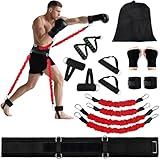
- Resistance Bands: Wrap resistance bands around your arms or legs. This adds resistance to your punches and footwork.
- Weighted Vest: Wear a weighted vest to increase your overall body weight and endurance.
Why it matters: Resistance training builds strength and endurance, which are critical for success in boxing. It also improves your punching power and speed.
Analyzing Your Performance: Identifying Weaknesses
Shadow boxing is a great opportunity to analyze your technique and identify areas for improvement. This requires a critical eye and a willingness to learn.
- Record Your Sessions: Record your shadow boxing sessions using a phone or camera.
- Review Your Footage: Watch the footage and identify any technical flaws, such as poor stance, improper footwork, or weak punches.
- Seek Feedback: Ask a coach or experienced boxer for feedback on your technique.
- Focus on Improvement: Concentrate on correcting your weaknesses and improving your strengths.
Why it matters: Self-assessment is crucial for improvement. It allows you to identify your weaknesses and develop a plan to address them.
Incorporating Sparring Strategies: Practicing Your Game Plan
Shadow boxing is a great way to practice the strategies you’ll use in sparring and fights. Think about your strengths and weaknesses, and how you’ll use them against your opponent.
- Develop a Game Plan: Create a game plan based on your opponent’s strengths and weaknesses.
- Practice Your Strategy: Use shadow boxing to practice your game plan.
- Visualize the Fight: Imagine yourself executing your game plan, landing punches, and defending against your opponent’s attacks.
- Adjust Your Strategy: Be prepared to adjust your strategy based on your opponent’s tactics.
Why it matters: Practicing your game plan in shadow boxing helps you prepare for the psychological and physical challenges of sparring and fights.
Footwork Drills: Mastering Movement
Footwork is the foundation of boxing. Here are some drills to improve your agility and movement.
- The Triangle Drill: Set up three cones in a triangle. Shuffle around the cones, focusing on maintaining your stance and balance.
- The Shadow Drill: Imagine a shadow on the floor. Practice moving around the shadow, keeping your feet aligned with the shadow.
- The Jump Rope: Jumping rope improves your footwork, coordination, and endurance.
Why it matters: Good footwork enables you to control distance, evade punches, and create angles for your attacks.
Structuring Your Shadow Boxing Session: Creating an Effective Routine
Here’s a sample structure for a shadow boxing session. Adjust the timings based on your fitness level and goals.
Warm-Up (5-10 Minutes)
Prepare your body for the workout. This includes:
- Light Cardio: Jumping jacks, high knees, or running in place.
- Dynamic Stretching: Arm circles, leg swings, torso twists.
- Shadow Boxing (Light): Start with basic movements like jabs and footwork.
Why it matters: Warming up prevents injuries and prepares your muscles for the workout.
Main Workout (20-30 Minutes)
This is where you’ll focus on technique, power, and combinations.
- Round 1-3: Focus on fundamental techniques (stance, footwork, basic punches).
- Round 4-6: Practice specific drills (rhythm drill, power drill, defense drill, combination drill).
- Round 7-9: Incorporate sparring strategies and visualization.
Why it matters: This is where you build your skills and improve your technique. (See Also: Are Boxing Classes Worth It )
Cool-Down (5-10 Minutes)
Help your body recover and prevent soreness.
- Static Stretching: Hold each stretch for 30 seconds (e.g., hamstring stretch, quad stretch).
- Deep Breathing: Take slow, deep breaths to relax your muscles and mind.
Why it matters: Cooling down reduces muscle soreness and promotes recovery.
Common Mistakes to Avoid: Maximizing Your Gains
Here are some common mistakes that can hinder your progress and how to avoid them.
Poor Form
This is the most common mistake. It can lead to injuries and limit your progress. Always focus on proper technique.
- Solution: Concentrate on the fundamentals. Record yourself and get feedback from a coach.
Lack of Focus
Shadow boxing requires focus and concentration. If you’re not fully engaged, you won’t get the most out of your workout.
- Solution: Eliminate distractions. Visualize your opponent and focus on your technique.
Rushing Through Movements
Rushing through your punches and footwork prevents you from developing proper technique and power.
- Solution: Slow down and focus on technique. Exaggerate your movements.
Ignoring Defense
Neglecting defensive techniques leaves you vulnerable. Defense is as important as offense.
- Solution: Incorporate defensive drills into your routine. Visualize your opponent’s attacks and practice your defense.
Not Varying Your Routine
Sticking to the same routine can lead to boredom and plateaus. Vary your drills and combinations to keep things interesting and challenging.
- Solution: Experiment with different drills and combinations. Vary the intensity and duration of your workouts.
Overlooking Recovery
Recovery is essential for muscle repair and growth. Skipping rest days can lead to overtraining and injuries.
- Solution: Get enough sleep and eat a healthy diet. Take rest days to allow your body to recover.
Shadow Boxing for Different Fitness Levels: Tailoring Your Approach
Shadow boxing is adaptable to any fitness level. You can adjust the intensity, duration, and complexity of the exercises.
Beginner
Focus on the fundamentals and building a solid foundation. Start with shorter sessions and gradually increase the duration and intensity.
- Focus: Stance, footwork, basic punches.
- Duration: 15-20 minutes.
- Intensity: Moderate.
- Drills: Simple combinations and defensive drills.
Why it matters: Beginners need to focus on building a solid foundation. This approach prevents injuries and helps you develop good habits.
Intermediate
Build on the fundamentals and incorporate more complex techniques and drills. Increase the duration and intensity of your workouts.
- Focus: Combination drills, sparring strategies, and visualization.
- Duration: 25-30 minutes.
- Intensity: Moderate to high.
- Drills: Power drills, resistance training.
Why it matters: Intermediate fighters need to refine their technique and develop more advanced skills.
Advanced
Refine your technique, experiment with different strategies, and push your limits. Focus on maximizing power, speed, and endurance.
- Focus: Advanced combinations, sparring strategies, and resistance training.
- Duration: 30+ minutes.
- Intensity: High.
- Drills: Advanced drills, analyzing performance, and injury prevention.
Why it matters: Advanced fighters need to constantly refine their skills and push their limits to reach their full potential.
Integrating Shadow Boxing Into Your Overall Training Regimen
Shadow boxing is a valuable component of a complete training program. Here’s how to integrate it effectively. (See Also: Does Boxing Classes Help With Weight Loss )
Warm-Up
Always start your workouts with shadow boxing. It’s an excellent way to prepare your body and mind for the training ahead.
- Duration: 5-10 minutes.
- Focus: Light cardio, dynamic stretching, and basic shadow boxing movements.
Why it matters: Warming up prevents injuries and improves performance.
Technical Training
Use shadow boxing to refine your technique and practice specific skills. This could be after a strength and conditioning session.
- Duration: 20-30 minutes.
- Focus: Specific drills and techniques.
Why it matters: Shadow boxing allows you to focus on the technical aspects of boxing.
Cardio and Conditioning
Use shadow boxing as a form of cardio and conditioning. Increase the intensity and duration of your sessions to improve your endurance.
- Duration: 30+ minutes.
- Focus: High-intensity shadow boxing, incorporating footwork and combinations.
Why it matters: Shadow boxing is a great way to improve your cardiovascular fitness and build endurance.
Cool-Down
End your workouts with shadow boxing to help your body recover and prevent soreness.
- Duration: 5-10 minutes.
- Focus: Light shadow boxing movements and static stretching.
Why it matters: Cooling down reduces muscle soreness and promotes recovery.
Equipment and Resources: Supporting Your Training
While shadow boxing requires minimal equipment, having a few essential items can enhance your training.
Essential Equipment
- Boxing Gloves: Protect your hands.
- Hand Wraps: Provide support and absorb sweat.
- Boxing Shoes: Provide ankle support and good traction.
- Heavy Bag: To practice your punches and combinations.
- Jump Rope: For footwork and cardio.
Why it matters: Proper equipment ensures safety and enhances your training.
Additional Resources
- Online Tutorials: YouTube channels and websites offer instructional videos.
- Boxing Coach: A coach provides personalized feedback and guidance.
- Training Partner: A partner can help you with sparring and drills.
Why it matters: Resources provide information and support to help you improve.
Nutrition and Hydration: Fueling Your Performance
Proper nutrition and hydration are critical for maximizing your performance and recovery.
Nutrition
- Eat a Balanced Diet: Consume a diet rich in fruits, vegetables, lean proteins, and complex carbohydrates.
- Time Your Meals: Eat a meal 2-3 hours before your workout.
- Fuel Your Body: Consume enough calories to support your training.
Why it matters: Nutrition provides the energy and nutrients needed for training and recovery.
Hydration
- Drink Plenty of Water: Stay hydrated throughout the day, especially before, during, and after your workouts.
- Electrolyte Drinks: Consider electrolyte drinks to replenish electrolytes lost through sweat.
Why it matters: Hydration is essential for optimal performance and preventing dehydration.
Final Verdict
Shadow boxing is a powerful tool for anyone looking to improve their boxing skills or overall fitness. By mastering the fundamentals, incorporating effective drills, and focusing on consistency, you can transform your shadow boxing sessions into a highly effective workout. Remember to focus on technique, visualize your success, and always prioritize recovery. By following the tips in this guide, you’ll be well on your way to how to be good at shadow boxing and achieving your boxing goals.
Consistency is key. The more time you dedicate to shadow boxing, the better you will become. Don’t get discouraged if you don’t see results immediately. Keep practicing, stay focused, and enjoy the process. Shadow boxing is not just about the physical aspects. It’s also a mental exercise, a way to build discipline, and a chance to connect with yourself. Embrace the challenge and watch your skills improve with each session.