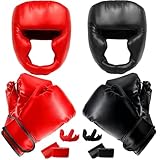
Ever wondered about the nitty-gritty details of boxing, beyond the flashy knockouts and dramatic ring entrances? One of the most fundamental aspects, often overlooked, is the weight of the gloves. It’s not just a random number; it’s a crucial factor that significantly impacts the safety, strategy, and overall experience for both fighters.
We’re going to explore the specifics of regulation boxing glove weights, breaking down the rules, the reasons behind them, and how they affect the sport. Whether you’re a seasoned boxer, a casual fan, or simply curious about the sweet science, this guide will provide you with a comprehensive understanding of this essential element. Get ready to learn about the different weights, the rationale behind them, and how they contribute to the fairness and integrity of the sport.
Let’s lace up and get started!
Understanding Boxing Glove Weights: The Basics
Boxing glove weight is measured in ounces (oz). This refers to the total weight of each individual glove. The weight isn’t arbitrary; it’s directly related to the amount of padding used within the glove. More padding generally equates to a heavier glove. This is a crucial detail, impacting the force of punches, the protection offered to both fighters, and the overall rhythm of a bout. The weight of the gloves is one of the most important aspects of boxing regulation, and understanding it is key to understanding the sport itself.
The Standard Weights
Regulation boxing gloves come in various weights, primarily determined by the weight class of the boxers. However, there are some generally accepted standards. Here’s a breakdown of the common weights:
- 8-ounce gloves: Primarily used in professional bouts for lighter weight classes (e.g., lightweight and below).
- 10-ounce gloves: The most common weight used in professional fights, covering a wide range of weight classes.
- 12-ounce gloves: Often used in sparring and training, providing more padding.
- 14-ounce gloves: Used for heavier training and sparring, offering increased protection.
- 16-ounce gloves: Frequently used for training, especially for heavier fighters and those focusing on injury prevention.
It’s important to note that these are general guidelines. The specific weight used can depend on the sanctioning body, the rules of the event, and the preferences of the fighters and their trainers. The weight of the gloves is always determined by the rules set out by the governing body.
Why Different Weights? The Rationale
The different weights serve distinct purposes, primarily concerning safety and the promotion of fair competition. Here’s a closer look at the key reasons: (See Also: Are Muay Thai Gloves The Same As Boxing Gloves )
- Safety: Heavier gloves, with more padding, provide greater protection to both the wearer and the opponent. This reduces the risk of cuts, bruises, and more serious injuries, especially in training and sparring. The padding absorbs more of the impact of the punches.
- Impact on Punching Power: Lighter gloves allow for faster hand speed, potentially leading to more powerful punches. This is why lighter gloves are often used in professional bouts, where knockout power is a significant factor. However, the increased speed comes with the trade-off of less protection.
- Weight Class Considerations: The weight of the gloves can be influenced by the weight class of the fighters. Lighter weight classes often use lighter gloves (8 or 10 ounces) because the fighters are generally smaller and the punches are less powerful. Heavier weight classes may use heavier gloves (10 or 12 ounces) to offer more protection.
- Training vs. Competition: Training and sparring often involve heavier gloves (12, 14, or 16 ounces) to emphasize protection and build endurance. This allows boxers to practice their skills without the constant risk of injury. Competition gloves are typically lighter to allow for maximum punching power and hand speed.
- Fairness: Using standardized glove weights ensures a level playing field. Both fighters are using the same equipment, minimizing any unfair advantages based on gear. This is a fundamental principle of fair play in boxing.
Regulation and Governing Bodies
The weights of boxing gloves are strictly regulated by various governing bodies to ensure fair play and fighter safety. These organizations establish and enforce the rules for professional and amateur boxing matches. Some of the most prominent governing bodies include:
- World Boxing Association (WBA): One of the oldest and most respected sanctioning bodies.
- World Boxing Council (WBC): Known for its global reach and commitment to fighter safety.
- International Boxing Federation (IBF): A leading organization with a focus on fair competition.
- World Boxing Organization (WBO): A relatively newer organization that has gained significant influence.
- USA Boxing (Amateur): The national governing body for amateur boxing in the United States.
- AIBA (Amateur): The International Boxing Association, overseeing amateur boxing worldwide. (Note: AIBA is now known as IBA – International Boxing Association)
These organizations set the standards for glove weight, material, and construction. They also oversee the inspection of gloves before a fight to ensure compliance with the rules. The rules are designed to protect the integrity of the sport and the well-being of the athletes. Boxers must adhere to the rules in order to be sanctioned for competition.
Glove Construction and Materials
The construction and materials of boxing gloves also play a crucial role in their weight and performance. Here’s a brief overview:
- Padding: The padding is typically made of layers of foam, often incorporating different densities for optimal shock absorption. The thickness and type of padding directly affect the glove’s weight and protective capabilities.
- Covering: The exterior of the glove is usually made of leather or synthetic materials (like PU leather). Leather gloves are often considered more durable and offer a better feel, while synthetic gloves can be more affordable.
- Wrist Support: Gloves typically have a wrist strap or lacing system to provide support and stability. This helps to prevent injuries and ensure proper alignment of the wrist during punching.
- Thumb Protection: The thumb is often attached to the main body of the glove to prevent hyperextension and protect against injuries.
The materials used, along with the construction method, can influence the glove’s weight, durability, and performance. Quality gloves are made to withstand the rigors of training and competition.
Glove Weight and Training
The choice of glove weight is a critical aspect of training. Different weights serve different purposes, helping boxers to develop various skills and attributes. Here’s how glove weight is used in training:
- Heavy Gloves (14-16 oz): Often used for sparring and heavy bag work. They promote increased protection, build stamina, and help develop punching technique. The added weight forces the boxer to punch slower and with better form.
- Medium Gloves (12 oz): Used for a balance of protection and speed, suitable for various training drills, including pad work and sparring. These are versatile gloves for all-around development.
- Light Gloves (8-10 oz): Used for speed work, such as shadow boxing and mitt work. They allow the boxer to focus on hand speed, combinations, and timing. These can also be used in professional sparring sessions.
- Bag Work: Heavy bag work with heavier gloves builds punching power and endurance. Lighter gloves can be used for speed and precision drills on the bag.
- Sparring: Sparring sessions always require gloves, and the weight of the gloves depends on the training goals and the weight class of the boxers. Heavier gloves are used to reduce injury risk.
- Pad Work: Focus mitts are excellent tools for developing combinations and footwork, and the glove weight used depends on the goals of the session.
Boxers and their trainers carefully consider the glove weight used for each training session, tailoring it to the specific goals of the workout. The correct glove weight is an important factor in maximizing training effectiveness and minimizing the risk of injury. It’s also important to note that the type of training will also determine the glove weight. For instance, if a boxer is working on their speed, a lighter weight glove will be used. However, if they are working on power and endurance, a heavier weight glove will be more appropriate. (See Also: Can You Wrestle In Boxing Shoes )
Glove Weight in Amateur vs. Professional Boxing
There are some differences in the rules regarding glove weight between amateur and professional boxing. These differences are primarily related to safety and the competitive landscape. Here’s a comparison:
| Feature | Amateur Boxing | Professional Boxing |
|---|---|---|
| Glove Weights | Typically 10 oz for all weight classes. | Varies by weight class, usually 8 oz or 10 oz. |
| Headgear | Mandatory for most amateur bouts. | Not permitted in professional bouts. |
| Number of Rounds | Generally shorter rounds (3 rounds). | Varies (typically 10-12 rounds). |
| Focus | Emphasis on technique and sportsmanship. | Emphasis on power and entertainment. |
| Rules | More stringent rules regarding head contact. | More leeway with certain techniques. |
Amateur Boxing:
- Uses 10-ounce gloves for all weight classes.
- Headgear is mandatory to protect the head.
- Shorter rounds.
- Focus on technique and sportsmanship.
Professional Boxing:
- Glove weights vary, usually 8 oz or 10 oz, depending on the weight class.
- No headgear.
- Longer rounds (10-12 rounds).
- Emphasis on power and entertainment.
These differences reflect the different goals of amateur and professional boxing. Amateur boxing prioritizes safety and skill development, while professional boxing focuses on entertainment and competition.
Factors Influencing Glove Weight Choice
Several factors influence the choice of glove weight, beyond the simple weight class guidelines. Boxers and trainers consider these elements carefully:
- Weight Class: As mentioned, weight class is a primary factor. Lighter classes usually use lighter gloves.
- Training Goals: Training sessions focused on speed will use lighter gloves. Sessions focused on power and endurance will use heavier gloves.
- Opponent’s Style: Some boxers may choose heavier gloves if they anticipate a hard-hitting opponent, prioritizing protection.
- Personal Preference: Some boxers simply prefer a specific glove weight based on their feel and comfort.
- Experience Level: Beginners often start with heavier gloves for increased protection, gradually moving to lighter gloves as their technique improves.
- Injury History: Boxers with a history of hand or wrist injuries may opt for heavier gloves for added support and protection.
- Sparring Partner: When sparring, the size and style of the sparring partner will influence the glove weight chosen.
The choice of glove weight is a strategic decision that is tailored to the specific needs of the boxer and the goals of the training or competition. It is a nuanced aspect of the sport that requires careful consideration. (See Also: Is Everlast Good Boxing Gloves )
Caring for Your Boxing Gloves
Proper care and maintenance of your boxing gloves are essential for their longevity, performance, and hygiene. Here are some tips:
- Air Them Out: After each use, allow your gloves to air dry thoroughly. This prevents the buildup of moisture and bacteria.
- Use Glove Deodorizers: Consider using glove deodorizers or inserts to absorb moisture and eliminate odors.
- Clean the Exterior: Wipe down the exterior of your gloves with a damp cloth after each use to remove sweat and dirt.
- Store Properly: Store your gloves in a cool, dry place, away from direct sunlight and extreme temperatures. Avoid leaving them in a gym bag for extended periods.
- Use Hand Wraps: Always wear hand wraps when using your gloves. This provides additional support and protection for your hands and absorbs sweat.
- Inspect Regularly: Check your gloves regularly for any signs of wear and tear, such as ripped seams or damaged padding. Replace them when necessary.
Following these tips will help to extend the life of your gloves, keep them in good condition, and ensure that they continue to perform at their best. Proper care is an investment in your training and your safety.
Common Misconceptions
There are some common misconceptions about boxing glove weights. Let’s debunk a few:
- Heavier gloves always mean more power: While heavier gloves can build power, they can also slow down hand speed. The right balance is key.
- Lighter gloves are always better for speed: Lighter gloves allow for faster hand speed, but they offer less protection.
- Glove weight is the only factor in safety: Glove weight is crucial, but technique, hand wraps, and the quality of the gloves are also important.
- All gloves are the same: Glove quality varies significantly. Invest in high-quality gloves from reputable brands.
- Glove weight doesn’t matter for beginners: Beginners need protection, so choosing the right weight is important.
Understanding the facts about glove weights can help you make informed decisions about your training and equipment.
The Future of Boxing Gloves
The technology behind boxing gloves is constantly evolving, with manufacturers always seeking ways to improve performance and safety. Here are some potential future developments:
- Advanced Materials: Research continues into new materials that offer superior shock absorption, durability, and breathability.
- Smart Gloves: Gloves with built-in sensors could track punch power, speed, and technique, providing valuable data for training.
- Customization: Increased customization options, allowing boxers to tailor their gloves to their specific needs and preferences.
- Enhanced Wrist Support: Innovations in wrist support systems to reduce the risk of injuries.
- Sustainability: The development of more sustainable and eco-friendly glove materials.
These innovations promise to further enhance the safety and effectiveness of boxing gloves, contributing to the continued evolution of the sport.
Conclusion
The weight of regulation boxing gloves is a pivotal aspect of the sport, influencing safety, strategy, and the overall experience for both fighters. Different weights serve distinct purposes, from providing protection to facilitating speed and power. The rules and regulations set by governing bodies ensure fair play and athlete well-being. Understanding these factors is essential for anyone involved in boxing, whether as a participant or an observer. Proper glove selection, care, and maintenance are critical for maximizing performance and minimizing the risk of injury. The future of boxing gloves is promising, with ongoing advancements in materials and technology that will continue to enhance the sport’s safety and effectiveness.