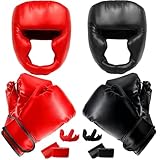
Ever wondered about the weight of those gloves you see in championship boxing matches? It’s a question that goes beyond just knowing the numbers; it’s about understanding the very fabric of the sport. The weight of boxing gloves is a pivotal factor, influencing everything from the power of a punch to the safety of the fighters. This seemingly simple detail has significant implications for the strategy, the style, and ultimately, the outcome of a fight.
We’re going to explore the specifics. We’ll delve into the regulations set by boxing authorities, the reasons behind these rules, and how the weight of gloves affects a boxer’s performance. We’ll examine the different weight classes and the corresponding glove weights, and we’ll even touch on the materials used in constructing these essential pieces of equipment. Get ready to have all your questions answered.
The Significance of Boxing Glove Weight
The weight of boxing gloves isn’t arbitrary; it’s a carefully considered element with significant implications for the sport. It’s a crucial aspect of both offense and defense, and it directly influences the type of match we witness. Understanding the weight of these gloves is key to appreciating the intricacies of boxing.
Impact on Punching Power and Speed
The weight of a boxing glove significantly impacts a fighter’s punching power and speed. Heavier gloves, while potentially reducing speed, can distribute the force of a punch over a larger surface area, which can translate to a greater impact. Lighter gloves may allow for faster punches, but the force distribution is different. This directly affects a fighter’s strategy: Do they prioritize speed and volume of punches, or the power of each individual blow?
Safety Considerations
Safety is paramount in boxing, and glove weight plays a critical role. Heavier gloves offer more padding, absorbing some of the impact and reducing the risk of cuts and other injuries. However, they can also potentially lead to more fatigue for the fighter. Lighter gloves, while allowing for quicker punches, offer less protection, increasing the risk of cuts and abrasions. The balance between protection and offensive capability is constantly considered in the regulations.
Influence on Fight Strategy
The weight of the gloves used in a fight can shape the entire strategy employed by both boxers. Fighters might choose to be more aggressive with heavier gloves, knowing they have more protection. Or they might rely on speed and agility with lighter gloves, aiming to tire their opponent out. The glove weight, therefore, is not just a technical detail but a strategic one.
Weight Classes and Glove Regulations
Boxing is divided into weight classes to ensure fair competition. Each weight class has specific regulations regarding glove weight. These rules are crucial for maintaining the integrity of the sport and ensuring the safety of the boxers. Let’s explore the common weight classes and their corresponding glove weight requirements.
The Role of Boxing Governing Bodies
Organizations like the World Boxing Council (WBC), the World Boxing Association (WBA), the International Boxing Federation (IBF), and the World Boxing Organization (WBO) are responsible for setting the rules and regulations, including those related to glove weight. These bodies work to promote fair play, safety, and consistency across the sport. Their decisions are based on scientific research, medical advice, and the collective experience of boxing professionals.
Standard Glove Weight Requirements
The standard glove weight is typically determined by the weight class of the fighters. Here’s a general overview, though specific rules can vary slightly depending on the sanctioning body and the level of competition.
- Lightweight and Below: Fighters in these classes (e.g., lightweight, featherweight, bantamweight) often use 8-ounce gloves.
- Welterweight and Above: In heavier weight classes (e.g., welterweight, middleweight, heavyweight), 10-ounce gloves are commonly used.
It’s important to remember that these are the general rules, and there can be variations. For example, some professional fights, particularly those with higher stakes, might adhere to stricter regulations or have specific waivers. Amateur boxing often uses heavier gloves for increased safety.
Variations and Exceptions
While the weight class determines the standard glove weight, there can be exceptions. For example, in some amateur competitions, heavier gloves might be used across all weight classes to increase safety. Furthermore, exhibition matches or special events may have different regulations, allowing for variations in glove weight. These variations are often carefully considered to ensure a fair and safe fight.
Materials and Construction
The materials and construction of boxing gloves are as crucial as their weight. The choice of materials affects the glove’s durability, protection, and performance. Let’s delve into the components that make up a boxing glove. (See Also: Are Muay Thai Gloves The Same As Boxing Gloves )
The Outer Layer
The outer layer of a boxing glove is typically made from leather or synthetic materials. Leather is the preferred choice for professional-grade gloves due to its durability, flexibility, and ability to absorb impact. Synthetic materials, like polyurethane, are often used in training gloves because they’re more affordable and easier to maintain. The material choice influences the glove’s lifespan and its ability to withstand the rigors of combat.
Padding and Filling
The padding is the core of the glove’s protective function. It’s usually made from layers of foam, such as horsehair, or more modern foam composites. The padding absorbs the force of the punches, protecting the boxer’s hand and reducing the impact on the opponent. The type of padding and its density can vary, influencing the glove’s feel and the level of protection it offers.
The Inner Lining
The inner lining of the glove is designed for comfort and to wick away moisture. Common materials include nylon, satin, or moisture-wicking fabrics. This lining helps to keep the boxer’s hands dry and comfortable during training or a fight, preventing blisters and other skin irritations.
Wrist Support and Closure Systems
The wrist support and closure systems are essential for providing stability and preventing injuries. Gloves can have various closure systems, including laces, Velcro straps, or a combination of both. These systems secure the glove to the hand, ensuring proper alignment and reducing the risk of wrist injuries. The quality of the wrist support is crucial for both protection and performance.
Training Gloves vs. Competition Gloves
The purpose and design of training gloves and competition gloves differ significantly. Understanding these differences is essential for both boxers and those involved in the sport.
Design and Purpose
Training gloves are designed primarily for protection and durability. They are typically heavier and have more padding than competition gloves. They are meant to withstand the repetitive impact of training sessions and to protect the boxer’s hands from injury. Competition gloves, on the other hand, are designed for optimal performance. They are often lighter, allowing for greater speed and agility, and they are designed to meet the specific requirements of professional boxing matches.
Weight Differences
Training gloves are generally heavier than competition gloves. This added weight helps to build strength and endurance during training. The extra padding also provides greater protection during sparring and heavy bag work. Competition gloves are lighter, allowing for faster punches and greater maneuverability in the ring. The specific weights depend on the weight class, but the difference in weight is usually noticeable.
Durability and Materials
Training gloves are built to withstand the rigors of frequent use. They are made from durable materials like leather and often have reinforced stitching. Competition gloves may use high-quality materials, but their primary focus is on performance rather than extreme durability. They are designed to meet specific regulations and to provide the best possible performance during a fight.
Cost and Availability
Training gloves are typically more affordable and widely available than competition gloves. They are a staple of any boxing gym. Competition gloves are often more expensive, as they are manufactured to specific standards and use high-quality materials. They are usually purchased by professional boxers or for use in official matches. Availability can vary, depending on the brand and the specific requirements.
The Impact of Glove Weight on Performance
The weight of boxing gloves can profoundly influence a boxer’s performance in several ways. It impacts punching power, speed, endurance, and overall strategy.
Punching Power and Impact
Heavier gloves can potentially increase the impact of a punch by distributing the force over a larger area. They can also protect the boxer’s hand, allowing them to throw more powerful punches without fear of injury. Lighter gloves may allow for faster punches, but the impact might be less concentrated. The choice of glove weight, therefore, affects the boxer’s ability to generate and deliver power. (See Also: Can You Wrestle In Boxing Shoes )
Speed and Agility
Lighter gloves often allow for greater speed and agility. Boxers can throw more punches in a shorter amount of time and move more quickly around the ring. Heavier gloves can slow down a boxer’s movements, making them potentially more vulnerable to faster opponents. The balance between speed and power is a key consideration in choosing the right glove weight.
Endurance and Stamina
Wearing heavier gloves can be more tiring, requiring more energy to throw punches and maintain hand speed. This can impact a boxer’s endurance, especially in the later rounds of a fight. Lighter gloves can help conserve energy, allowing a boxer to maintain their pace and stamina throughout the match. The choice of glove weight can, therefore, affect a boxer’s overall stamina and their ability to perform at their best.
Strategic Implications
The weight of the gloves can influence a fighter’s strategy. Boxers wearing heavier gloves might focus on delivering powerful, targeted punches, while those wearing lighter gloves might aim for a higher volume of punches and greater mobility. The choice of glove weight is, therefore, a strategic decision that can shape the entire approach to a fight.
How to Choose the Right Glove Weight
Selecting the right glove weight is a critical decision for boxers, whether they’re training or preparing for a fight. The choice depends on several factors, including weight class, training goals, and personal preferences.
Consider Your Weight Class
The weight class is the primary factor in determining the appropriate glove weight. Boxing regulations dictate the standard glove weights for each weight class, ensuring fair competition. Make sure you use gloves that are compliant with the rules of the organization you are competing with. It’s crucial to adhere to these standards to avoid penalties or disqualification.
Assess Your Training Goals
The purpose of your training sessions should also guide your glove selection. If you’re focusing on building strength and power, heavier gloves can be beneficial. They increase the resistance, helping to develop stronger muscles and improve your punching power. If your goal is to improve speed and agility, lighter gloves are usually preferred. They allow for faster hand movements and improved footwork.
Prioritize Safety and Protection
Safety is paramount in boxing. Choose gloves that provide adequate protection for your hands, wrists, and knuckles. Look for gloves with ample padding and a secure fit. Consider the type of training you’re doing. For sparring, where the risk of injury is higher, prioritize gloves with more padding. For heavy bag work, you might choose slightly lighter gloves, depending on your goals.
Try Different Weights and Styles
The best way to find the right glove weight is to experiment. Try out different weights and styles of gloves to see what feels most comfortable and effective for you. Consider the feel of the glove on your hand, the balance, and how it affects your punching technique. Don’t be afraid to try different options to find the perfect fit. Consult with a coach or experienced boxer for advice on what might be most suitable for your individual needs.
Consult with a Coach or Trainer
If you’re unsure which glove weight is best, seek guidance from a qualified coach or trainer. They can assess your technique, training goals, and weight class, and provide personalized recommendations. They can also help you choose gloves that fit properly and provide the necessary protection. A coach’s expertise can make a significant difference in your training and performance.
Caring for Your Boxing Gloves
Proper care and maintenance are essential to extend the lifespan of your boxing gloves and ensure they remain in good condition. Here’s a guide to help you care for your gloves.
Cleaning and Drying
After each use, wipe down your gloves with a damp cloth to remove sweat and dirt. Allow them to air dry completely in a well-ventilated area, away from direct sunlight or heat. Avoid using harsh chemicals or detergents, as these can damage the materials. Using a glove deodorizer can help eliminate odors and keep your gloves fresh. (See Also: Is Everlast Good Boxing Gloves )
Proper Storage
When not in use, store your gloves in a cool, dry place. Avoid storing them in a damp or humid environment, as this can promote mold and mildew growth. Consider using a glove bag or carrying case to protect them from dust and damage. Ensure that the gloves are not compressed or placed under heavy objects, as this can affect their shape and padding.
Checking for Damage
Regularly inspect your gloves for any signs of damage, such as tears, loose stitching, or worn padding. Address any issues promptly to prevent them from worsening. If you notice any significant damage, consider replacing the gloves to ensure your safety and performance. Small repairs can often be done, but significant damage may compromise the glove’s protective qualities.
Using Hand Wraps
Always wear hand wraps when using your boxing gloves. Hand wraps provide an extra layer of protection for your hands and wrists, absorbing sweat and helping to prevent injuries. They also help to extend the lifespan of your gloves by reducing the amount of sweat that comes into contact with the inner lining. Proper wrapping techniques are essential for optimal protection and comfort.
Replacing Your Gloves
Even with proper care, boxing gloves will eventually need to be replaced. The lifespan of a glove depends on its quality, the frequency of use, and the intensity of your training. Look for signs of wear and tear, such as flattened padding, cracked leather, or loose stitching. Replace your gloves when they no longer provide adequate protection or support.
Evolution of Boxing Glove Weight
The history of boxing glove weight reflects the evolution of the sport itself. Changes in glove weight have been driven by considerations of safety, fairness, and the desire to enhance the spectacle of boxing.
Early Boxing and Bare Knuckle Era
In the early days of boxing, bare-knuckle fights were the norm. These contests were brutal, with fighters sustaining significant injuries. The absence of gloves led to prolonged fights, often ending only when one fighter could no longer continue. The focus was on survival and raw power.
The Introduction of Gloves
Gloves were introduced to boxing in the 18th century, initially for training purposes. The use of gloves gradually expanded to include competition, although the rules were not always consistent. The early gloves were often simple and provided minimal padding compared to modern standards.
Standardization and Regulation
Over time, boxing organizations began to establish standardized rules and regulations, including those related to glove weight. The goal was to promote fair competition and to reduce the risk of serious injuries. The introduction of weight classes further refined these regulations.
Technological Advancements
The materials and construction of boxing gloves have evolved significantly over the years. Advances in padding materials, such as foam composites, have improved protection and performance. The design of gloves has also been refined, with a focus on ergonomics and impact absorption. These advancements have contributed to the safety and the overall experience of boxing.
Ongoing Debates and Discussions
Even with the establishment of regulations, debates and discussions about glove weight continue. Some argue for lighter gloves to increase the excitement of fights, while others emphasize the need for greater protection. The balance between safety and spectacle remains a central theme in the evolution of boxing glove weight.
Final Thoughts
Understanding the weight of boxing gloves is crucial for anyone involved in the sport. From the fundamental impact on a fighter’s strategy to the importance of safety regulations, glove weight is a defining factor in boxing. The specific weight, determined by weight class, directly affects a boxer’s offensive and defensive capabilities. The construction and materials used, from the outer layer to the padding, influence the durability, protection, and overall feel of the glove. Choosing the right glove weight involves careful consideration of training goals, safety, and personal preferences, guided by the regulations set by boxing authorities. As boxing continues to evolve, the discussion of glove weight will remain relevant, ensuring that the sport remains both exciting and safe for all participants.
The weight of boxing gloves is much more than a number; it’s a strategic element that shapes the very essence of the sport. It impacts a fighter’s power, speed, and endurance, influencing their approach in the ring. The regulations surrounding glove weight, enforced by governing bodies, are critical for maintaining fair competition and ensuring the safety of the athletes. Choosing the right weight involves considering weight class, training objectives, and prioritizing hand protection.
From the early days of bare-knuckle fighting to the technological advancements of modern gloves, the evolution of weight considerations reflects the sport’s ongoing commitment to safety, fairness, and the pursuit of competitive excellence. The choice of glove weight is a critical one for any boxer, so it’s essential to understand its implications. The weight of boxing gloves, therefore, is a fundamental aspect of the sport that will continue to evolve alongside the sport itself.