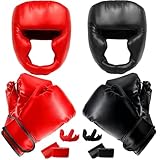
So, you’re stepping into the world of boxing or maybe just starting to train. That’s fantastic! One of the first things you’ll realize is that you need some gear, and right at the top of that list are boxing gloves. But how many pairs do you actually need? It’s a question many beginners ask, and the answer isn’t always straightforward. It depends on your training goals, frequency, and budget. This guide will walk you through everything you need to know to make the right decision.
We’ll cover the different types of gloves, what they’re used for, and how your needs change as you progress. From sparring to bag work, and even competition, understanding the right gear is crucial for both safety and performance. Let’s get started and make sure you’re properly equipped for your boxing journey.
Getting the right gear is a fundamental aspect of training in any combat sport. Boxing gloves, in particular, are essential for protecting your hands and your sparring partner. This guide will help you navigate the choices and figure out how many pairs will serve you best.
Understanding the Basics: Why Boxing Gloves Matter
Before we dive into the number of pairs, let’s quickly cover why boxing gloves are so important. They serve several crucial functions:
- Protection: The primary purpose is to protect your hands and wrists from injury. Boxing involves repeatedly punching hard objects, and without proper padding, you’re at serious risk of fractures, sprains, and other damage.
- Safety for Sparring Partners: Boxing gloves also protect your training partners. The padding absorbs a significant portion of the impact, reducing the force of your punches and minimizing the risk of cuts, bruises, and other injuries.
- Performance: The right gloves can improve your performance. They can help you develop proper punching technique, provide a secure fit, and enhance your overall comfort during training.
Choosing the right gloves and having the appropriate number of pairs is essential for a safe and effective training regimen. Now, let’s get to the main question: how many pairs do you actually need?
The Bare Minimum: One Pair Is a Start
For absolute beginners, one pair of boxing gloves is a bare minimum. If you’re just starting and exploring whether boxing is for you, a single pair of all-purpose gloves can get you started. However, you’ll soon realize this isn’t ideal for long-term training.
Considerations for a single pair:
- Type: You’ll likely want a pair of all-around training gloves. These are versatile enough for bag work and light sparring.
- Weight: 12oz or 14oz gloves are common choices for beginners. The weight affects the padding and how they feel during training.
- Durability: Look for gloves made from durable materials like leather or high-quality synthetic leather to withstand the demands of regular use.
A single pair can work if you’re only training occasionally. However, as you increase your training frequency or engage in different types of workouts, you’ll need more.
The Recommended Setup: Two Pairs for Well-Rounded Training
For most boxers, especially those training a few times a week, two pairs of gloves are recommended. This setup allows for specialization and helps extend the lifespan of your gear.
Here’s a breakdown of what two pairs might look like:
- Pair 1: Bag Gloves. These are designed specifically for heavy bag work and focus mitts. Bag gloves are often lighter than sparring gloves, allowing for quicker hand speed. They also have denser padding to absorb the impact of repeated punches.
- Pair 2: Sparring Gloves. Sparring gloves are heavier and have more padding than bag gloves. This extra padding is crucial for protecting both you and your sparring partner during live training.
Why two pairs are beneficial:
- Specialization: You have gloves specifically designed for different training activities.
- Hygiene: You can let one pair air out and dry while using the other.
- Longevity: You’re not wearing out a single pair by using them for everything.
Having separate gloves for bag work and sparring helps you optimize your training and ensures that you have the right protection for each activity. It also makes your gloves last longer as the wear and tear is spread across two pairs.
Advanced Training: Three or More Pairs
As you become more serious about boxing and increase your training volume, you may need even more gloves. This is particularly true if you are sparring frequently, doing intense conditioning, or competing.
Here’s how a three-pair setup might look:
- Pair 1: Bag Gloves. Same as before, for heavy bag work, focus mitts, and speed bag training.
- Pair 2: Sparring Gloves. For sparring sessions.
- Pair 3: Competition Gloves. If you’re competing, you’ll need a pair of competition gloves. These are typically lighter than sparring gloves and designed to meet the specific requirements of the competition.
Additional considerations for a three-pair setup: (See Also: Are Muay Thai Gloves The Same As Boxing Gloves )
- Weight Variations: You might have different weights for your bag gloves (e.g., 10oz for speed and 14oz for heavier bag work).
- Specialty Gloves: Some boxers like to have a dedicated pair of gloves for specific training drills, such as shadowboxing or specific technique work.
Having multiple pairs allows you to tailor your gear to your training needs. It also helps you manage hygiene and wear and tear more effectively.
Types of Boxing Gloves: A Detailed Look
Understanding the different types of boxing gloves is crucial for making the right choices. Let’s delve into the specifics:
Training Gloves
Training gloves are the workhorses of any boxer’s gear. They’re designed for a variety of activities, including:
- Heavy Bag Work: Training gloves are built to withstand the impact of repeated punches on a heavy bag.
- Focus Mitts: They’re also suitable for working with a trainer on focus mitts to improve technique and speed.
- Sparring (with appropriate weight): Some training gloves can be used for sparring, but you’ll need to choose the right weight (usually 14oz or heavier).
Key features of training gloves:
- Padding: Training gloves have dense padding, often made of multiple layers of foam, to absorb impact.
- Wrist Support: Good wrist support is essential to prevent injuries.
- Durability: They’re made from durable materials like leather or synthetic leather to withstand frequent use.
- Weight: Training gloves typically range from 12oz to 16oz, depending on your weight and training needs.
Training gloves are a versatile option for general boxing workouts.
Sparring Gloves
Sparring gloves are specifically designed for safe sparring sessions. They have extra padding to protect both you and your sparring partner.
Key features of sparring gloves:
- Thicker Padding: Sparring gloves have more padding than training or competition gloves. This padding is usually distributed more evenly across the knuckles and the back of the hand.
- Weight: Sparring gloves are typically 14oz to 16oz or heavier, depending on the boxer’s weight and the sparring rules.
- Wrist Support: Good wrist support is crucial to prevent injuries during sparring.
- Material: High-quality leather or synthetic leather is used for durability and comfort.
Sparring gloves are a must-have if you’re engaging in live training with a partner.
Competition Gloves
Competition gloves are designed for official boxing matches. They are different from training or sparring gloves in several ways:
Key features of competition gloves:
- Weight: Competition gloves must meet the weight requirements of the boxing organization (e.g., 8oz or 10oz).
- Padding: The padding is often denser and more compact than in training gloves.
- Design: Competition gloves often have a more streamlined design to allow for quicker hand speed.
- Laces: They usually have laces to provide a secure fit.
Competition gloves are essential if you plan to compete.
Bag Gloves
Bag gloves are designed specifically for heavy bag work, focus mitts, and speed bag training. They typically have a more compact design than sparring gloves, allowing for greater hand speed.
Key features of bag gloves:
- Dense Padding: Bag gloves have dense padding to absorb the impact of repeated punches on a heavy bag.
- Compact Design: They are often more compact than sparring gloves, allowing for greater hand speed.
- Wrist Support: Good wrist support is important to prevent injuries.
- Weight: Bag gloves typically range from 10oz to 14oz.
Bag gloves are a good choice for boxers who want to focus on developing power and speed. (See Also: Can You Wrestle In Boxing Shoes )
Choosing the Right Glove Weight
The weight of your boxing gloves is crucial. It affects the padding, protection, and your overall training experience. Here’s what you need to know:
- Beginners: 12oz or 14oz gloves are common for beginners. These weights offer a good balance of protection and versatility. The heavier weight adds more padding for safety.
- Sparring: For sparring, you’ll typically use 14oz or 16oz gloves, depending on your weight and the sparring rules. Heavier gloves provide more protection for both you and your partner.
- Heavy Bag: For heavy bag work, you can use gloves ranging from 10oz to 16oz. The weight you choose depends on your preference and the intensity of your training.
- Competition: Competition gloves are often 8oz or 10oz, depending on the weight class.
General guidelines for glove weight:
| Fighter Weight | Sparring Gloves | Bag Gloves |
|---|---|---|
| Under 150 lbs | 14oz | 12oz – 14oz |
| 150 – 175 lbs | 16oz | 14oz – 16oz |
| Over 175 lbs | 16oz+ | 16oz+ |
Remember that heavier gloves provide more protection but can also slow down your hand speed. Lighter gloves allow for faster punches but offer less protection. Choose the weight that best suits your training goals and experience level.
Glove Materials: Leather vs. Synthetic
The material of your boxing gloves affects their durability, performance, and price. Here’s a comparison of the two main options:
Leather Gloves
Pros:
- Durability: Leather gloves are known for their durability and can last for years with proper care.
- Comfort: Leather gloves often mold to your hands over time, providing a comfortable fit.
- Breathability: Leather allows for better breathability than synthetic materials.
Cons:
- Price: Leather gloves are generally more expensive than synthetic options.
- Maintenance: They require regular maintenance, such as cleaning and conditioning, to keep them in good condition.
Synthetic Gloves
Pros:
- Price: Synthetic gloves are more affordable than leather gloves.
- Maintenance: They are easier to clean and maintain.
- Durability: High-quality synthetic gloves can be quite durable.
Cons:
- Durability: They may not last as long as leather gloves.
- Breathability: Synthetic materials may not breathe as well as leather.
- Feel: Some people find that synthetic gloves don’t feel as good as leather gloves.
The choice between leather and synthetic gloves depends on your budget, training frequency, and personal preferences. Leather gloves are a good investment if you plan to train regularly and are willing to invest in maintenance. Synthetic gloves are a good option if you’re on a budget or prefer low-maintenance gear.
Glove Care and Maintenance
Proper care and maintenance are essential to extend the life of your boxing gloves and keep them in good condition.
Here are some tips:
- Air Them Out: After each training session, let your gloves air dry completely. This prevents the buildup of bacteria and odors.
- Use Glove Deodorizers: Consider using glove deodorizers or inserts to absorb moisture and eliminate odors.
- Clean Regularly: Wipe down your gloves with a damp cloth after each use. For leather gloves, use a leather cleaner and conditioner.
- Store Properly: Store your gloves in a cool, dry place away from direct sunlight.
- Rotate Gloves: If you have multiple pairs, rotate them to allow each pair to dry completely between uses.
- Check for Damage: Regularly inspect your gloves for any signs of wear and tear, such as tears in the stitching or padding.
Taking care of your gloves will not only extend their lifespan but also help maintain their performance and protect your hands.
Budgeting for Boxing Gloves
Boxing gloves vary widely in price, from budget-friendly options to high-end professional models. Here’s how to approach budgeting for your gloves:
- Beginner: You can find a decent pair of training gloves for beginners for around $50-$100.
- Intermediate: As you progress, you might invest in gloves in the $100-$200 range. These gloves will offer better quality, durability, and performance.
- Advanced: Professional-quality gloves can cost $200 or more. These gloves are made with premium materials and are designed for serious training and competition.
Consider the following factors when setting your budget: (See Also: Is Everlast Good Boxing Gloves )
- Training Frequency: If you train frequently, invest in higher-quality gloves that will last longer.
- Training Goals: If you plan to spar regularly, invest in a good pair of sparring gloves.
- Brand Reputation: Research different brands and read reviews to find gloves that offer good value for the price.
Don’t be afraid to invest in quality gloves. They are a crucial piece of equipment that can protect your hands and improve your performance.
Where to Buy Boxing Gloves
You can purchase boxing gloves from several sources:
- Specialty Boxing Stores: These stores offer a wide selection of gloves and knowledgeable staff who can help you choose the right pair.
- Online Retailers: Amazon, eBay, and other online retailers offer a vast selection of gloves at competitive prices.
- Sporting Goods Stores: Large sporting goods stores often carry a selection of boxing gloves.
- Manufacturer Websites: You can purchase directly from the manufacturers, which may offer a wider selection and better prices.
When shopping for gloves, consider the following:
- Reviews: Read reviews from other boxers to get an idea of the quality and performance of the gloves.
- Sizing: Make sure to choose the correct size. Most manufacturers provide sizing charts.
- Return Policy: Check the return policy in case the gloves don’t fit or meet your needs.
Shop around and compare prices to find the best deal.
Sizing Your Boxing Gloves
Getting the right size is crucial for comfort, performance, and injury prevention. Here’s how to determine your glove size:
- Measure Your Hand: Wrap a measuring tape around your knuckles, excluding your thumb.
- Consult the Size Chart: Use the manufacturer’s size chart to determine the correct glove size based on your hand measurement.
- Consider Hand Wraps: Always wear hand wraps when trying on gloves. This will affect the fit.
- Try Them On: If possible, try on the gloves before purchasing them. Make sure they fit comfortably and allow for a full range of motion.
General sizing guidelines:
- Small (S): Up to 7 inches
- Medium (M): 7-8 inches
- Large (L): 8-9 inches
- Extra Large (XL): 9 inches and up
Keep in mind that these are general guidelines, and sizes may vary between manufacturers. Always consult the manufacturer’s size chart.
Beyond the Gloves: Essential Boxing Gear
While gloves are the most important piece of equipment, other gear is essential for a safe and effective boxing workout:
- Hand Wraps: Hand wraps protect your hands and wrists and absorb sweat.
- Mouthguard: A mouthguard protects your teeth and prevents jaw injuries.
- Boxing Shoes: Boxing shoes provide ankle support and traction.
- Headgear (for sparring): Headgear protects your head and face during sparring.
- Protective Cup (for men): A protective cup protects your groin.
- Training Apparel: Comfortable and breathable training apparel is essential.
Investing in quality gear will enhance your training experience and help you stay safe.
The Long-Term Perspective: Adapting to Your Needs
Your needs will change as you progress in your boxing journey. What you need as a beginner will be different from what you need as an experienced boxer. Be prepared to adapt your gear accordingly.
- Consider Your Training Goals: If you’re focused on sparring, invest in high-quality sparring gloves. If you’re competing, invest in competition gloves.
- Monitor Wear and Tear: Regularly inspect your gloves for wear and tear and replace them when necessary.
- Stay Informed: Keep up-to-date on the latest gear and technologies.
- Consult with Your Trainer: Your trainer can provide valuable advice on the best gear for your needs.
Boxing is a journey, and your gear should evolve along with your skills and goals.
Verdict
So, how many pairs of boxing gloves do you need? For a beginner, a single pair can be enough to start. However, as you advance and train more frequently, two pairs—one for bag work and one for sparring—become the ideal setup. For serious boxers, especially those who compete, three or more pairs are often necessary to cover all training bases. The key is to consider your training frequency, the type of training you do, and your budget. Choosing the right gloves and having the appropriate number of pairs will help you train safely, effectively, and enjoy your boxing journey.
Remember to prioritize safety, comfort, and the longevity of your gear. By understanding the different types of gloves, their uses, and proper care, you can make informed decisions and equip yourself for success in the ring. Ultimately, the right number of pairs is the number that supports your training goals and keeps you safe. Happy training!