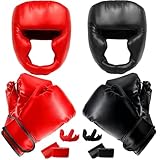
Ever wondered about the weight of those gloves you see in professional boxing matches? It’s not just about the size; it’s a crucial element that significantly impacts the fight. The weight of boxing gloves, measured in ounces (oz), influences everything from the power of a punch to the protection offered to the fighters. This seemingly simple detail has complex implications for the sport.
We’ll delve into the specific oz requirements for professional boxing, explaining why these weights are chosen and how they affect the dynamics of a fight. We’ll explore the regulations, the reasoning behind them, and how different weight classes dictate the glove size. This guide will clarify the nuances of professional boxing glove weights, providing a deeper understanding of this essential aspect of the sport.
Get ready to uncover the details behind those gloves and understand how they contribute to the strategy, safety, and spectacle of professional boxing. Let’s get started!
The Significance of Boxing Glove Weight
The weight of boxing gloves is not arbitrary; it’s a carefully considered aspect of the sport, governed by regulations and designed to balance power and safety. Different weight classes require different glove weights. The weight of the gloves directly affects the impact of punches, the protection offered to the boxers, and the overall strategy of a fight. Understanding these factors is fundamental to appreciating the intricacies of professional boxing.
Why Ounces Matter
Boxing gloves are measured in ounces (oz), and this weight designation is critical. Heavier gloves provide more padding, which can help protect the boxer’s hands and face from injury. However, heavier gloves can also slow down a boxer’s movements and reduce punching speed. Conversely, lighter gloves allow for quicker punches, but they offer less protection, potentially increasing the risk of injury. The choice of glove weight is, therefore, a trade-off between power, speed, and safety.
Impact on Punching Power and Speed
The weight of the gloves influences both punching power and speed. Lighter gloves enable boxers to throw punches more quickly, which can be advantageous in terms of landing more hits and potentially overwhelming an opponent. However, the lighter weight also means that the impact of each punch may be somewhat diminished. Heavier gloves, on the other hand, can generate more force behind each punch due to the added mass, leading to more devastating blows. However, they can also slow down a boxer’s hand speed and may lead to fatigue more quickly.
The Role of Glove Weight in Safety
Safety is a primary concern in boxing, and glove weight plays a significant role in mitigating injuries. Heavier gloves provide more padding, which helps to absorb the impact of punches, reducing the risk of cuts, broken bones, and other injuries to the hands and face. This added protection is particularly crucial in professional bouts where fighters are subjected to a high volume of powerful punches. The gloves act as a buffer, lessening the force transmitted to the brain, which is a key factor in protecting against long-term neurological damage.
Regulations and Weight Classes
Boxing is a highly regulated sport, and the weight of boxing gloves is no exception. Governing bodies such as the World Boxing Council (WBC), the World Boxing Association (WBA), the International Boxing Federation (IBF), and the World Boxing Organization (WBO) set rules regarding glove weights based on the weight class of the boxers. These regulations are designed to ensure fair competition and, most importantly, the safety of the fighters. Weight classes are categorized to match boxers of similar size and weight, and the glove weight is adjusted accordingly.
The Specifics: Professional Boxing Glove Weights
In professional boxing, the weight of the gloves varies depending on the weight class of the fighters. This is done to maintain a balance between power and safety, ensuring that the fights are competitive while minimizing the risk of serious injury. The regulations are strict, and the weights are meticulously monitored before each match. (See Also: Are Muay Thai Gloves The Same As Boxing Gloves )
Weight Class Breakdown
Here’s a breakdown of the standard glove weights used in professional boxing, categorized by weight class. Remember, these are general guidelines, and there may be minor variations depending on the specific sanctioning body or match agreement. The most common glove weights are 8oz and 10oz.
- Lightweight and Below (e.g., Super Featherweight, Lightweight): 8-ounce gloves are typically used.
- Welterweight and Above (e.g., Super Welterweight, Middleweight, Light Heavyweight, Heavyweight): 10-ounce gloves are generally used.
These distinctions are based on the need to balance the power of the punches with the protection offered by the gloves. Lighter weight classes often use lighter gloves (8 oz) because the fighters are generally smaller and the punches are less forceful. Heavier weight classes, where the punches are more powerful, use heavier gloves (10 oz) to provide increased protection.
Why 8 Oz and 10 Oz?
The choice of 8-ounce and 10-ounce gloves in professional boxing is a matter of balancing risk and reward. 8-ounce gloves allow for quicker hand speed, which can be an advantage for fighters who rely on speed and volume punching. However, they offer less padding, increasing the potential for injury. These are common in lighter weight classes, where the fighters’ overall mass and punching power are typically lower.
10-ounce gloves provide more padding, offering greater protection against cuts and other injuries. The additional weight can, however, slow down hand speed. These are standard in heavier weight classes, where the fighters’ punches are more powerful, and the need for protection is paramount. The extra padding helps absorb some of the impact, reducing the chance of serious damage.
Variations and Exceptions
While 8 oz and 10 oz are the most common weights, there can be variations. Sometimes, for certain exhibition matches or in specific promotional agreements, slightly different weights might be used, although these are exceptions rather than the rule. It’s crucial to check the specific regulations for each bout, as the sanctioning body’s rules always take precedence.
The Importance of Glove Quality
Beyond the weight, the quality of the boxing gloves also matters. High-quality gloves are constructed from durable materials like leather and include multiple layers of padding designed to absorb impact. The stitching, the fit, and the overall construction of the glove contribute to its effectiveness in protecting the hands and face. Well-made gloves are essential for safety and performance.
The Impact of Glove Weight on Fighting Styles
The weight of boxing gloves has a significant influence on fighting styles and strategies. Boxers often adapt their approach based on the glove weight, knowing that the force of their punches and the speed of their movements will be affected.
Adapting to 8-Ounce Gloves
When fighting with 8-ounce gloves, boxers often focus on: (See Also: Can You Wrestle In Boxing Shoes )
- Speed and Volume: The lighter gloves allow for faster hand speed, and fighters may aim to throw more punches, overwhelming their opponents with a high work rate.
- Footwork: Agility becomes even more crucial. Boxers might rely on quick footwork to move in and out of range, avoiding heavy blows.
- Defense: A stronger emphasis on defensive techniques is important, since the gloves offer less protection.
Adapting to 10-Ounce Gloves
With 10-ounce gloves, boxers may adjust their strategies as follows:
- Power and Precision: The added weight can increase the force of punches, allowing for more devastating blows. Boxers may focus on landing powerful, targeted shots.
- Patience: Fighters may need to be more patient, waiting for opportunities to land significant punches.
- Defense: While the gloves offer more protection, a solid defense remains vital to minimize the impact of the opponent’s punches.
The Psychological Aspect
The weight of the gloves also affects the psychological aspect of the fight. Boxers are aware of the protection offered and the potential impact of their punches, which can influence their confidence and decision-making. Knowing the weight of the gloves beforehand is an integral part of their fight preparation and strategy.
Training and Preparation
Boxers train with gloves of various weights to prepare for different scenarios. They may use heavier gloves during training to build strength and endurance, and then switch to lighter gloves closer to the fight for speed and agility. This training regimen helps them adapt to the weight of the gloves they will use in the actual bout.
The Evolution of Boxing Glove Weights
The history of boxing glove weights is a story of evolving standards and a growing understanding of the need for safety. Over time, the regulations have been refined to protect boxers while maintaining the sport’s competitive spirit.
Early Boxing and Bare Knuckle Era
In the early days of boxing, bare-knuckle fighting was the norm. The absence of gloves meant that injuries were frequent and severe. Fights were often short and brutal, with the primary goal being to inflict as much damage as possible. The absence of protective gear meant a high risk of broken hands and facial injuries.
The Introduction of Gloves
The introduction of gloves was a significant turning point in boxing history. Initially, gloves were used primarily for training and sparring. The use of gloves during actual fights was gradually introduced, with the aim of reducing the severity of injuries and making the sport safer. Early gloves were often rudimentary, with minimal padding.
Standardization and Regulation
As boxing evolved, the need for standardization became apparent. Regulations were introduced to govern the weight, construction, and materials of gloves. The goal was to ensure fair competition and to protect the health of the fighters. Sanctioning bodies such as the WBC, WBA, IBF, and WBO played a key role in establishing and enforcing these standards.
Modern Era and Ongoing Improvements
Today, boxing gloves are meticulously designed and manufactured, utilizing advanced materials and construction techniques. The regulations regarding glove weights and construction are continuously reviewed and updated to keep pace with scientific findings and to further enhance fighter safety. The focus remains on balancing power, speed, and protection. (See Also: Is Everlast Good Boxing Gloves )
Choosing the Right Boxing Gloves for Training
Whether you’re a beginner or an experienced boxer, choosing the right gloves for training is paramount. The correct weight and type of gloves can significantly impact your training effectiveness and safety.
Determining Your Training Needs
Consider your training goals when selecting gloves. If you’re focused on building strength and endurance, you might benefit from using heavier gloves for part of your training. If you’re primarily working on speed and technique, lighter gloves could be more appropriate. The type of training you’re doing (bag work, sparring, pad work) also influences your choice.
Types of Boxing Gloves
There are several types of boxing gloves, each designed for a specific purpose:
- Training Gloves: These gloves are versatile and suitable for various training activities, including bag work, pad work, and sparring. They typically have ample padding for hand protection.
- Sparring Gloves: Sparring gloves are designed with extra padding to protect both the wearer and the sparring partner. They often have a softer, more rounded design.
- Bag Gloves: These gloves are specifically designed for heavy bag training. They usually have less padding than training gloves, as the focus is on developing punching power and technique.
- Competition Gloves: These are the gloves used in professional and amateur bouts. They are generally lighter and designed for optimal performance.
Glove Weight Recommendations for Training
The appropriate glove weight for training depends on your weight and training goals:
- Beginners: Start with 12-ounce or 14-ounce training gloves for general use. These weights provide a good balance of protection and versatility.
- Intermediate and Advanced Boxers: You can experiment with different glove weights depending on your training needs. Heavier gloves (16-ounce or 18-ounce) are often used for strength and conditioning, while lighter gloves (10-ounce or 12-ounce) can be used for speed and technical work.
- Sparring: Always use sparring gloves that are 14 or 16 ounces to protect yourself and your partner.
Fit and Comfort
Ensure that the gloves fit properly. They should be snug but not too tight, allowing you to make a fist comfortably. The wrist support should be secure to prevent injuries. Try on several pairs to find the ones that best fit your hand shape and size. Consider the material of the gloves. Leather gloves are durable and can last a long time, while synthetic gloves are often more affordable.
Maintenance and Care
Proper maintenance of your boxing gloves is essential for their longevity and your safety. After each use, wipe down the gloves with a damp cloth to remove sweat and dirt. Allow the gloves to air dry completely, away from direct sunlight or heat. Consider using glove deodorizers or putting them in a ventilated area to prevent odors. Regularly inspect your gloves for any signs of wear and tear, and replace them when necessary.
Key Takeaways and Final Considerations
The weight of boxing gloves is a critical element in professional boxing, influencing both the safety and the strategic aspects of a fight. Understanding the regulations and the reasons behind them is essential for appreciating the intricacies of this sport.
- Weight Classes Dictate Glove Weight: The weight of the gloves used in professional boxing is determined by the weight class of the fighters, with 8-ounce gloves often used in lighter weight classes and 10-ounce gloves in heavier weight classes.
- Safety and Protection: The primary purpose of heavier gloves is to provide more padding and protection, reducing the risk of injuries.
- Impact on Fighting Styles: The weight of the gloves influences the power, speed, and strategies employed by boxers.
- Evolution of Regulations: Regulations are continually refined to enhance fighter safety while maintaining competitive integrity.
- Quality Matters: The quality and construction of the gloves are as important as the weight, with well-made gloves providing superior protection and performance.
By understanding these principles, you gain a deeper appreciation for the technical aspects of boxing and the careful balance that exists between power, speed, and safety in this demanding sport.
Verdict
Professional boxing glove weights are not arbitrary; they are carefully regulated and chosen to balance the dynamics of the fight. The 8-ounce and 10-ounce standards, dictated by weight classes, play a critical role in fighter safety and strategic approaches. The heavier gloves, common in larger weight classes, provide added protection against the powerful punches. Lighter gloves encourage speed and agility. The quality of the gloves, alongside the weight, is essential for both performance and injury prevention.
Ultimately, the choice of glove weight reflects a thoughtful balance between offense, defense, and the well-being of the athletes. These regulations are continually evolving, emphasizing the sport’s commitment to safety and fair competition. Understanding these details enriches our appreciation for the skill, strategy, and dedication required in professional boxing, making each bout a compelling display of athleticism and tactical prowess.