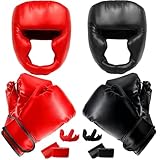
So, you’re getting into boxing, or maybe you’re upgrading your gear. That’s fantastic! One of the first things you’ll encounter is the weight of boxing gloves, measured in ounces (oz). It’s not just a random number; the weight of your gloves significantly impacts your training and performance.
Choosing the right glove weight is crucial for both protection and the type of training you’re doing. A lighter glove might be great for speed and agility, while a heavier one is often preferred for building power and endurance. But how do you know what’s right for you? And what exactly does ‘medium’ mean when it comes to boxing gloves?
This guide will break down everything you need to know about medium boxing glove weights, helping you make an informed decision for your boxing journey. We’ll explore the different weights, their uses, and how to choose the perfect pair for your needs. Let’s get started!
Understanding Boxing Glove Weights
Boxing glove weights are measured in ounces, typically ranging from 8 oz to 20 oz. The weight of the glove directly affects the amount of padding and, consequently, the protection it offers. Heavier gloves have more padding, absorbing more impact and protecting both your hands and your sparring partner. Lighter gloves offer less padding, allowing for greater hand speed and agility.
The weight of the glove is also crucial for training. Using heavier gloves during training can build strength and endurance, while lighter gloves are often used for speed drills and competition. Think of it like lifting weights – a heavier weight builds strength, while a lighter weight focuses on speed and technique.
Why Ounce Matters
The ounce rating tells you how much the glove weighs. This weight is primarily determined by the amount of padding used. More padding means more weight and more protection. This is especially important for sparring and heavy bag work, where you’ll be repeatedly hitting something. The ounce rating also impacts the feel of the glove, affecting your hand speed and overall performance.
The ounces listed are the total weight of *one* glove. So, when you see ’16 oz gloves’, that means each glove weighs 16 ounces, or a pound. As the weight increases, the glove size also typically increases, providing more surface area to absorb impact.
Factors Influencing Glove Weight Choice
Several factors should be considered when selecting the right boxing glove weight. These include:
- Your Weight: Heavier individuals typically need heavier gloves.
- Your Experience Level: Beginners often start with heavier gloves for added protection.
- Training Type: Different weights are used for different training exercises (bag work, sparring, etc.).
- Sparring Partner’s Weight: You should use gloves that offer sufficient protection for both you and your sparring partner.
- Competition Rules: If you’re competing, you’ll need to adhere to specific weight requirements.
Let’s delve deeper into each of these factors.
Weight and Boxing Glove Selection
Your body weight is a primary factor in determining the appropriate glove weight. Generally, heavier individuals require heavier gloves. This is because heavier individuals generate more force when punching, necessitating greater padding for protection. (See Also: Are Muay Thai Gloves The Same As Boxing Gloves )
Here’s a general guideline relating body weight and glove weight:
| Body Weight | Recommended Glove Weight |
|---|---|
| Under 120 lbs (54 kg) | 10 oz or 12 oz |
| 120-150 lbs (54-68 kg) | 14 oz |
| 150-180 lbs (68-82 kg) | 16 oz |
| Over 180 lbs (82 kg) | 16 oz or 18 oz |
Important Note: This is just a general guideline. Your individual training needs, experience, and specific training goals should also influence your choice.
Experience Level and Glove Weight
Beginners often start with heavier gloves, usually 14 oz or 16 oz. This is because heavier gloves provide more padding, offering greater protection for the hands and wrists as they learn proper punching technique. This added protection is crucial as beginners are more prone to making mistakes that could lead to injury.
As you gain experience and develop proper form, you might transition to lighter gloves for training, allowing for increased speed and agility. However, even experienced boxers often use heavier gloves for specific training purposes, such as strength and endurance work.
Training Type and Glove Weight
Different types of boxing training require different glove weights. This is because the goals of each training session vary, and the gloves should be chosen to optimize performance and safety.
- Heavy Bag Work: For heavy bag work, you’ll typically use gloves ranging from 12 oz to 16 oz, depending on your weight and experience. Heavier gloves provide greater protection during repeated impacts.
- Sparring: Sparring gloves are usually heavier, typically 16 oz or 18 oz, to protect both you and your sparring partner from injury.
- Speed Drills: For speed drills and shadowboxing, you might use lighter gloves, such as 10 oz or 12 oz, to maximize hand speed and agility.
- Pad Work: Pad work typically uses gloves similar to heavy bag work, often 14 oz or 16 oz.
Sparring Partner Considerations
When sparring, it’s essential to consider your sparring partner’s weight and experience level. You should choose gloves that offer adequate protection for both of you. If you’re sparring with someone larger than you, you might opt for heavier gloves. Always prioritize safety during sparring to minimize the risk of injury.
Competition Rules and Glove Weight
If you plan to compete, you’ll need to adhere to the specific glove weight requirements set by the governing body of your competition. These rules are in place to ensure fair play and safety. Competition gloves are typically lighter, often 8 oz or 10 oz, to allow for faster hand speed and more impactful punches. However, the exact weight will depend on the weight class you are competing in.
Always check the rules of your specific competition to ensure you have the correct gloves.
What Does ‘medium’ Mean in Boxing Glove Weights?
The term ‘medium’ doesn’t have a universally agreed-upon definition in the boxing world. However, it’s often used in a general sense to describe glove weights that are suitable for a wide range of users and training purposes. The most common interpretation of ‘medium’ for boxing gloves is typically 14 oz or 16 oz. (See Also: Can You Wrestle In Boxing Shoes )
These weights strike a balance between protection, speed, and overall versatility. They’re often recommended for general training, heavy bag work, and sparring, making them a popular choice for many boxers.
Oz Boxing Gloves
14 oz gloves are a versatile option, often favored by boxers weighing between 120 and 150 lbs. They provide a good balance of protection and speed, making them suitable for various training activities. They offer more padding than 10 or 12 oz gloves, making them a good choice for heavy bag work and light sparring. They’re also a solid choice for those seeking a glove that can handle a range of training drills.
Key Features of 14 oz Gloves:
- Versatility: Suitable for various training activities.
- Balance: Offer a good balance of protection and speed.
- Protection: More padding than lighter gloves.
- Weight: Generally recommended for those between 120-150 lbs.
Oz Boxing Gloves
16 oz gloves are a popular choice, particularly for heavier individuals (over 150 lbs) and for sparring. The extra padding provides increased protection, making them ideal for high-impact training and sparring sessions. They’re often seen as the standard for sparring due to the added protection they provide to both the wearer and their sparring partner.
Key Features of 16 oz Gloves:
- Protection: Maximum padding for high-impact training.
- Sparring: Often the preferred weight for sparring.
- Weight: Recommended for those over 150 lbs.
- Durability: Built to withstand the rigors of heavy training.
Other Considerations Beyond Weight
While the weight of the glove is a critical factor, it’s not the only thing to consider. Other features and aspects of the glove design also play a crucial role in its performance and how well it fits your needs.
- Material: Boxing gloves are made from various materials, including leather and synthetic materials like polyurethane (PU) or vinyl. Leather gloves are generally more durable and offer a superior feel, while synthetic gloves are often more affordable. The material impacts the glove’s lifespan and the level of comfort it provides.
- Padding: The type and distribution of padding significantly affect the glove’s performance. Gloves can use layered foam, gel-infused padding, or a combination of materials. The padding impacts the level of impact absorption and the overall feel of the glove.
- Closure System: Boxing gloves come with different closure systems, including lace-up and hook-and-loop (Velcro) closures. Lace-up gloves typically offer a more secure fit but require assistance to put on and take off. Hook-and-loop gloves are easier to use and more convenient for solo training.
- Fit: A proper fit is crucial for both comfort and performance. The glove should fit snugly without being too tight, allowing you to make a fist comfortably. Try on gloves to ensure the correct fit before purchasing.
- Brand Reputation: Different brands offer different levels of quality and features. Researching reputable brands can help you find gloves that meet your specific needs and preferences. Look for brands known for durability, comfort, and performance.
Choosing the Right Gloves for Your Needs
Selecting the right boxing gloves is a personal decision that depends on your specific needs and training goals. Here’s a quick guide to help you choose:
- Beginners: Start with 14 oz or 16 oz gloves for greater protection.
- Intermediate Boxers: Consider 14 oz or 16 oz gloves for general training and sparring.
- Experienced Boxers: You might use different weights depending on the training activity.
- Heavy Bag Work: 12 oz to 16 oz gloves are generally suitable.
- Sparring: 16 oz or 18 oz gloves are recommended.
Always prioritize safety and ensure the gloves fit well and offer adequate protection for both you and your training partners.
Consider your weight, experience level, and the type of training you’ll be doing. Don’t be afraid to try on different glove weights and styles to find what feels best for you. If in doubt, consult with a boxing coach or experienced boxer for personalized advice. They can provide valuable insights and help you make the right choice. (See Also: Is Everlast Good Boxing Gloves )
Caring for Your Boxing Gloves
Proper care and maintenance are essential to extend the lifespan of your boxing gloves and ensure they remain in good condition. Taking care of your gloves not only helps with longevity but also helps maintain hygiene and performance.
- Air Them Out: After each use, allow your gloves to air out completely. Remove them from your gym bag and store them in a well-ventilated area. This helps prevent the build-up of moisture and bacteria.
- Use Glove Deodorizers: Consider using glove deodorizers or inserts to absorb moisture and eliminate odors. These are readily available and can help keep your gloves fresh.
- Wipe Them Down: After each use, wipe down the exterior of your gloves with a damp cloth to remove sweat and dirt. This helps prevent the build-up of grime and keeps the gloves looking their best.
- Use Hand Wraps: Always wear hand wraps when using your boxing gloves. Hand wraps provide additional support and protection for your hands and wrists, and they also help absorb sweat, keeping your gloves cleaner.
- Store Properly: Store your gloves in a cool, dry place away from direct sunlight. Avoid storing them in extreme temperatures.
- Clean Regularly: Depending on usage, clean your gloves regularly. For leather gloves, use a leather cleaner. For synthetic gloves, you can use a mild soap and water solution.
- Inspect for Damage: Regularly inspect your gloves for any signs of wear and tear, such as tears, loose stitching, or cracks in the padding. If you notice any damage, have them repaired or replaced promptly.
By following these care tips, you can prolong the life of your gloves, maintain their performance, and ensure they remain a safe and effective piece of equipment.
Where to Buy Boxing Gloves
Boxing gloves are available from a variety of sources, both online and in physical stores. The best place to buy gloves depends on your preferences and needs.
- Specialty Boxing Stores: These stores offer a wide selection of boxing equipment and often have knowledgeable staff who can help you choose the right gloves. You can try on different gloves to ensure a proper fit.
- Sporting Goods Stores: Large sporting goods stores typically carry a selection of boxing gloves. The selection may not be as extensive as specialty stores, but they often have a range of options at different price points.
- Online Retailers: Online retailers offer a vast selection of boxing gloves from various brands. You can often find competitive prices and read reviews from other customers. However, you won’t be able to try on the gloves before purchasing.
- Brand Websites: Buying directly from the brand’s website allows you to see the full range of products and often provides the latest models and designs.
When choosing where to buy, consider the following:
- Selection: Look for a store or website that offers a wide selection of boxing gloves.
- Price: Compare prices from different retailers to find the best deal.
- Customer Reviews: Read reviews from other customers to get an idea of the quality and performance of the gloves.
- Return Policy: Ensure the retailer has a reasonable return policy in case the gloves don’t fit or meet your expectations.
By considering these factors, you can find the perfect place to purchase your boxing gloves.
Frequently Asked Questions (faq)
Here are some frequently asked questions about boxing glove weights:
- What is the difference between lace-up and hook-and-loop gloves? Lace-up gloves offer a more secure fit but require assistance to put on and take off. Hook-and-loop gloves are easier to use and more convenient for solo training.
- Can I use the same gloves for sparring and heavy bag work? It’s generally recommended to use different gloves for sparring and heavy bag work. Sparring gloves are typically heavier (16 oz or 18 oz) for increased protection, while heavy bag gloves can be lighter (12 oz to 16 oz).
- How often should I replace my boxing gloves? The lifespan of boxing gloves depends on usage and care. With proper care, gloves can last for several years. However, if you notice any signs of wear and tear, such as tears or cracks in the padding, it’s time to replace them.
- Do I need different gloves for different types of training? Yes, different glove weights are often used for different types of training. For example, you might use lighter gloves for speed drills and heavier gloves for sparring.
- What size gloves do I need? The size of the gloves you need depends on your weight, experience, and the type of training you’ll be doing. Consult the guidelines provided in this article or seek advice from a boxing coach.
Verdict
Understanding boxing glove weights is essential for any boxer, regardless of experience level. Knowing how many oz are medium boxing gloves, the different weights, and their intended uses allows you to select the appropriate gear for your training and competition needs. While the term ‘medium’ doesn’t have a strict definition, it commonly refers to 14 oz or 16 oz gloves, offering a versatile balance of protection and speed.
Remember to consider factors like your weight, training type, and experience level when choosing your gloves. Proper fit, material, and care are equally important. By following the guidelines in this article and prioritizing safety, you’ll be well-equipped to make an informed decision and enjoy your boxing journey to the fullest. Whether you’re hitting the heavy bag, sparring, or stepping into the ring, the right gloves will help you perform at your best and stay protected.